Emergency Water Damage Repair in Rollingwood

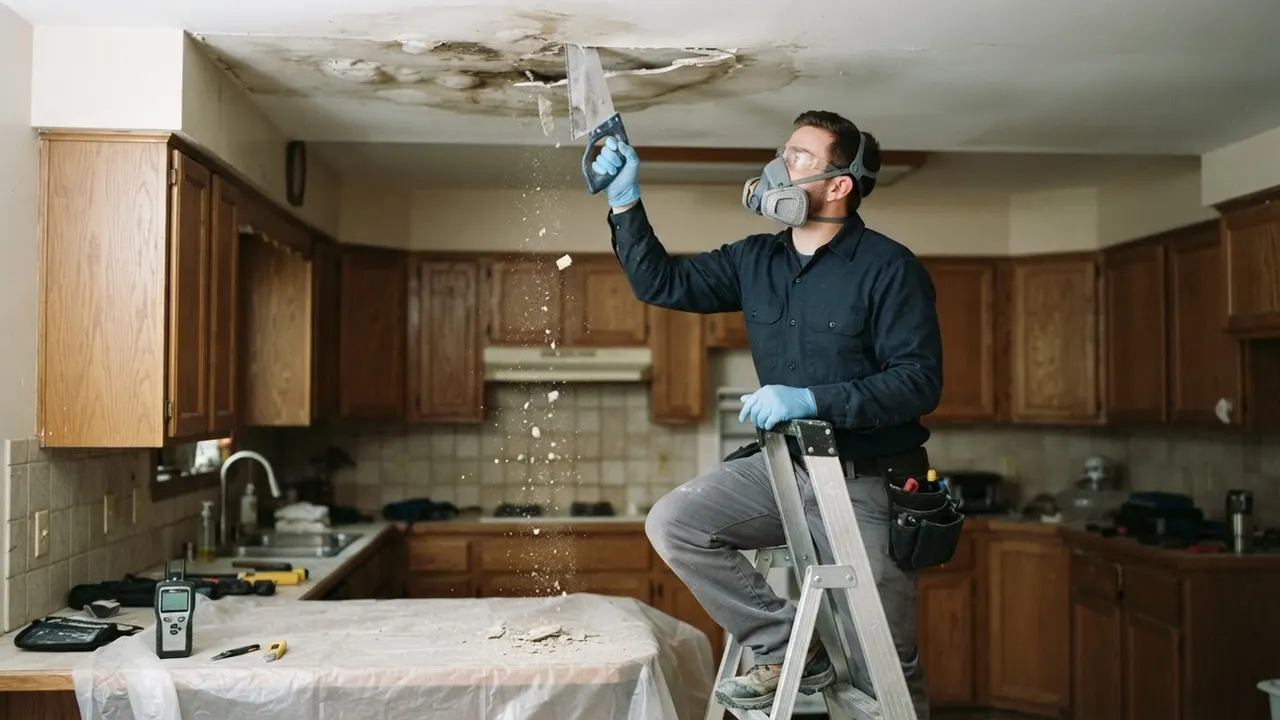
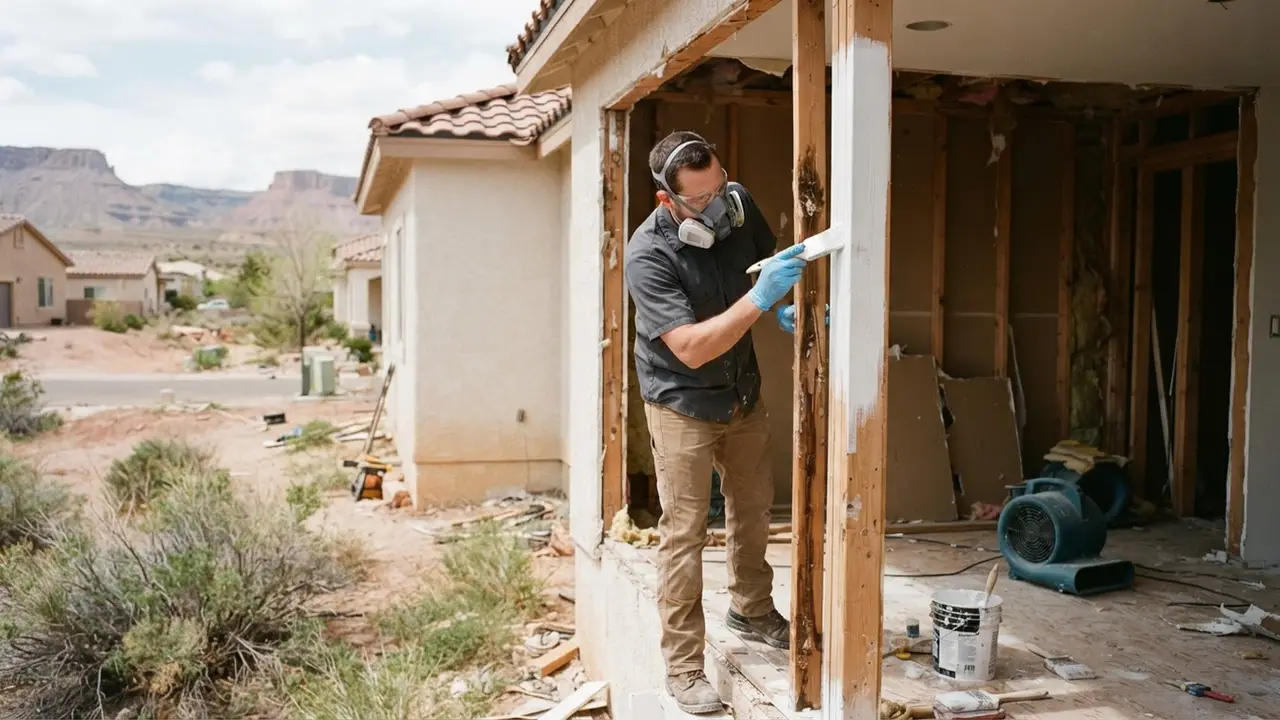
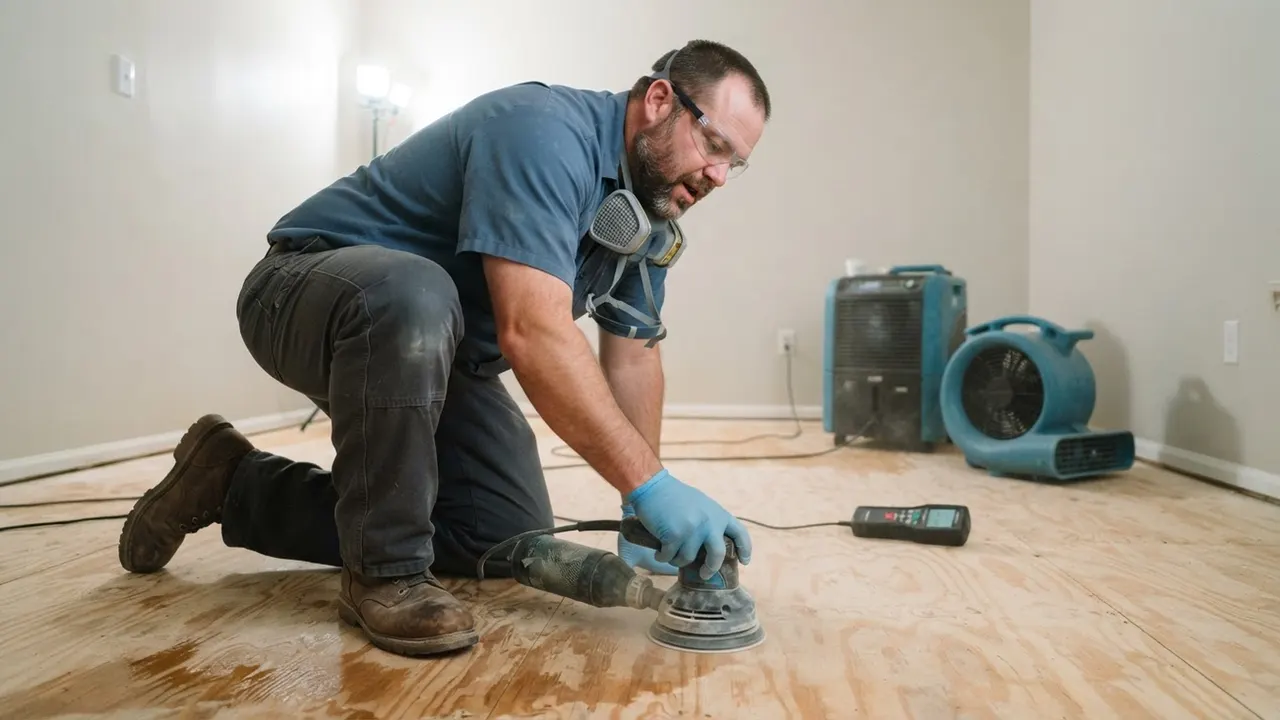
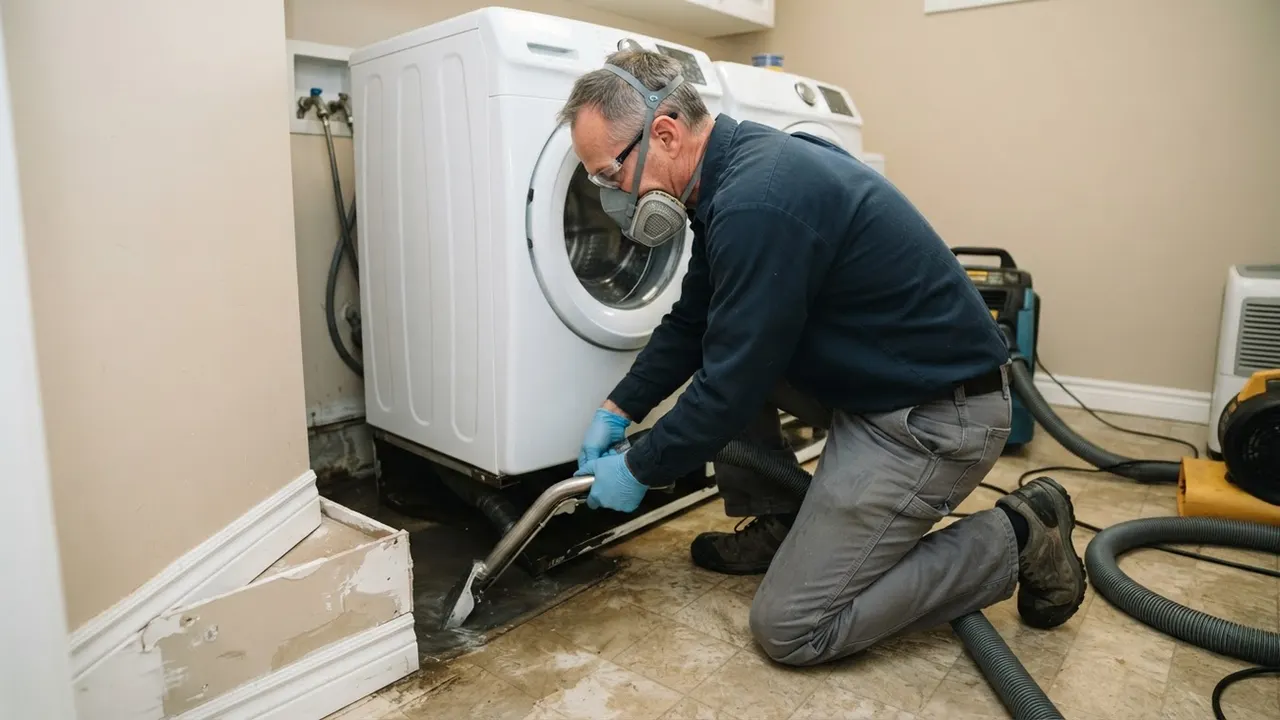
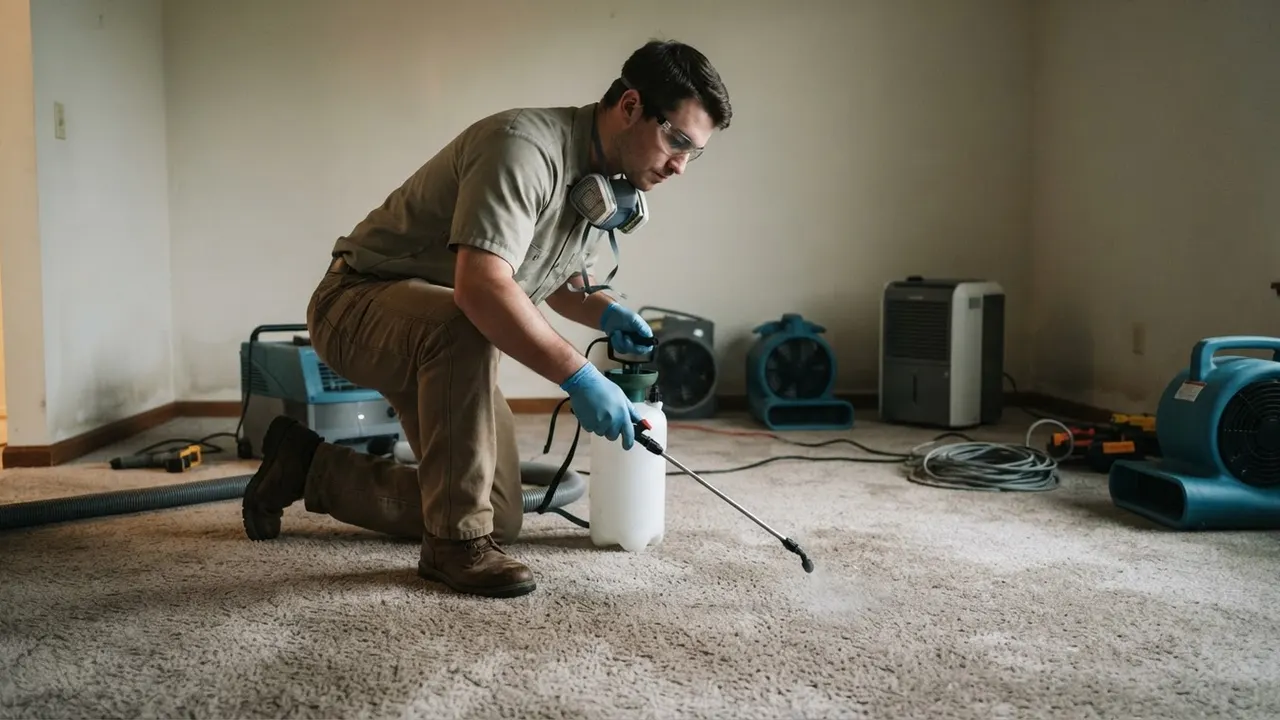
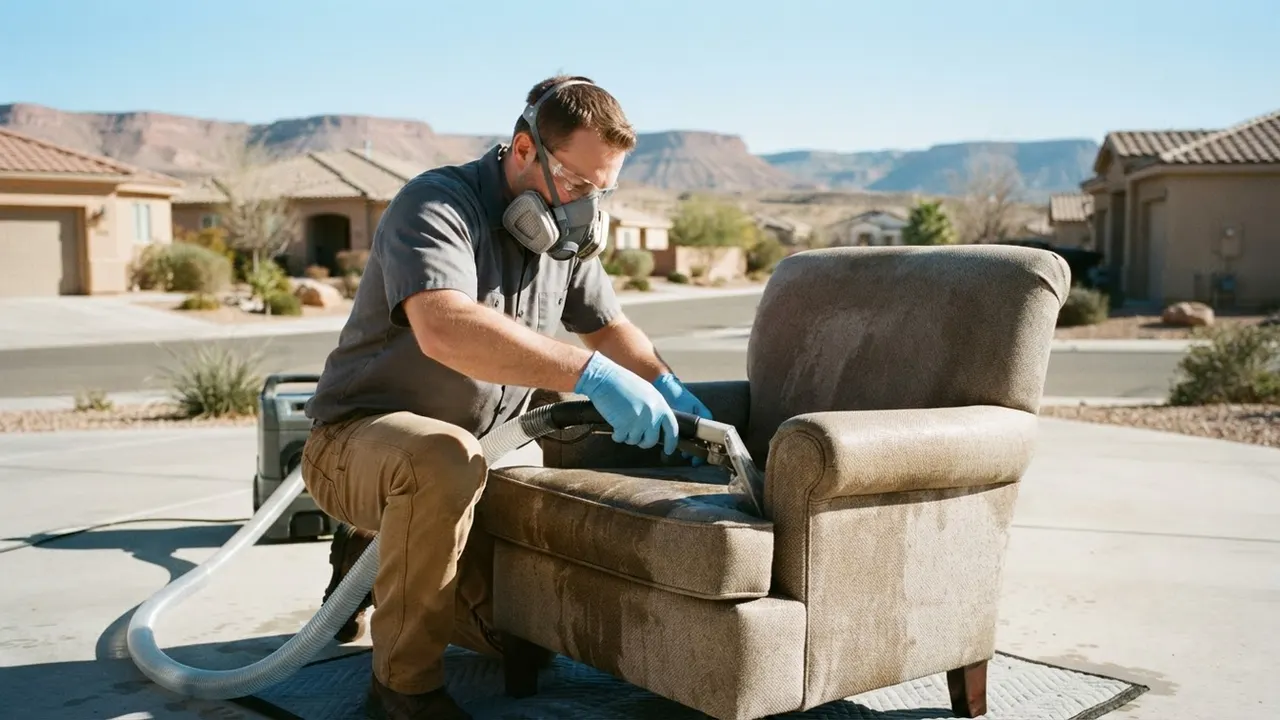
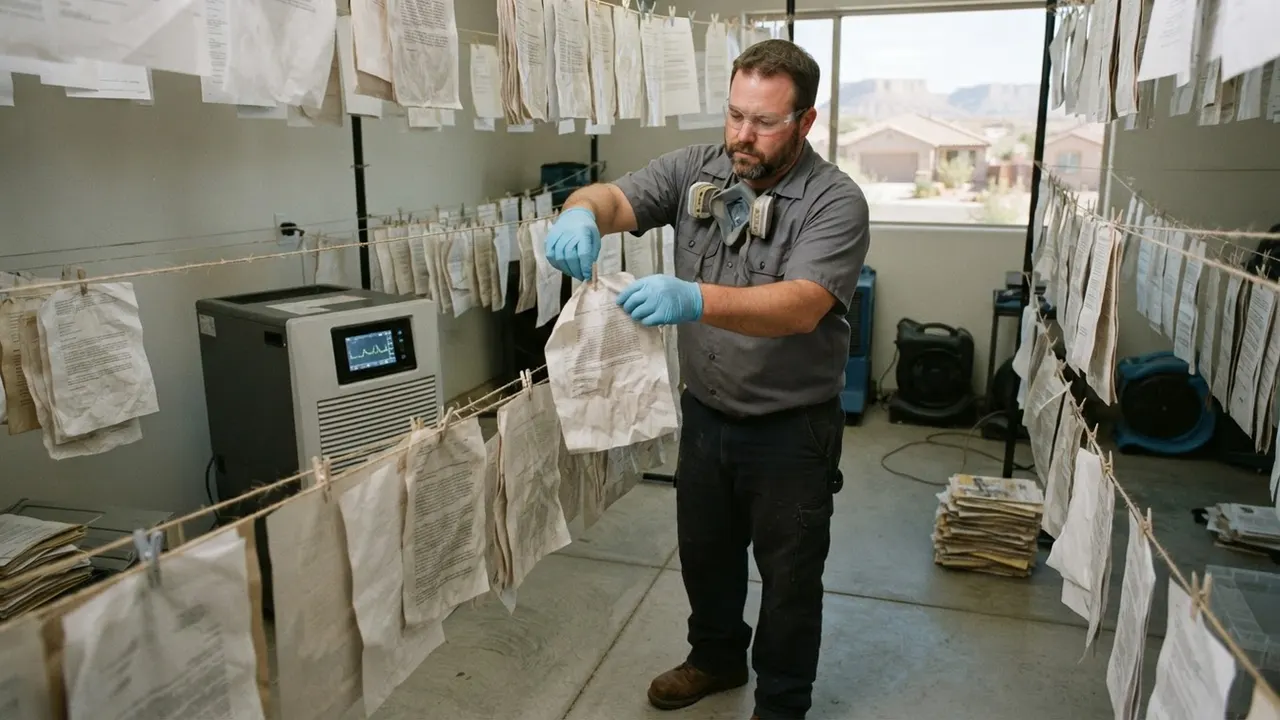
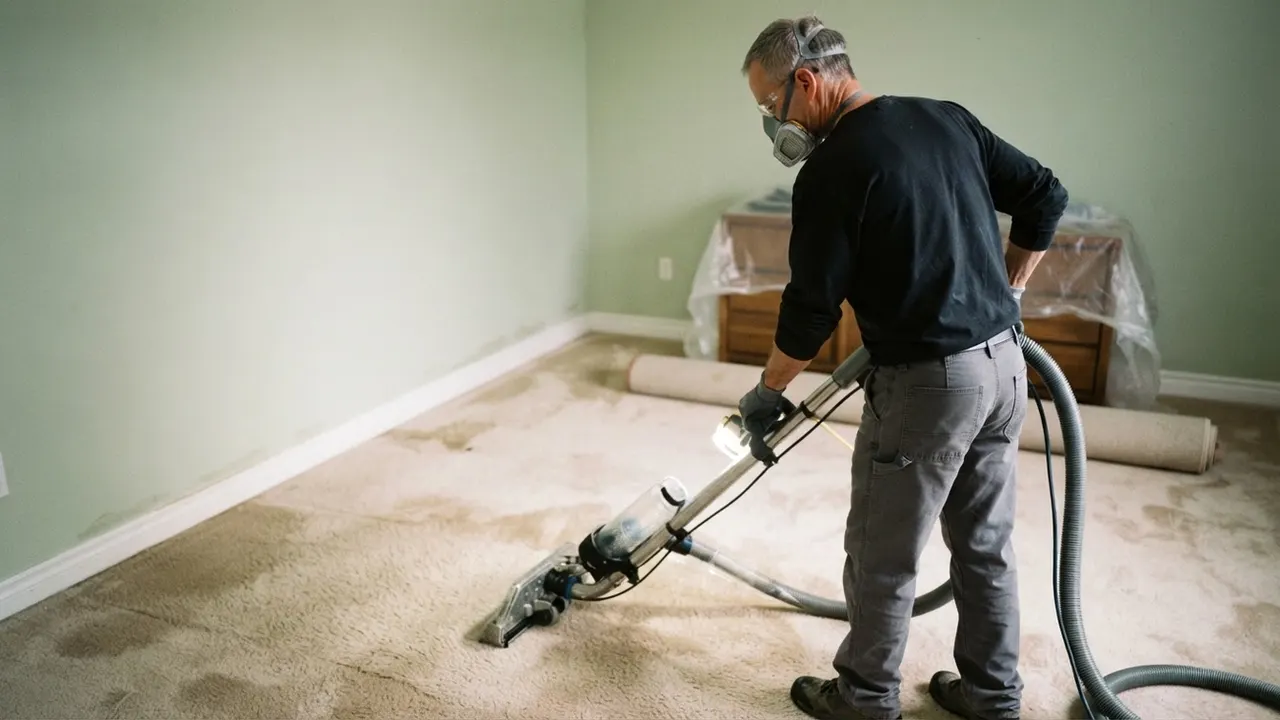
Mesquite Water Damage Company provides emergency water damage repair in Rollingwood when a burst pipe, appliance leak, or stormwater intrusion puts your home at risk. We serve Rollingwood North, Rollingwood South, Rollingwood Estates, and Rollingwood Park, with routes covering ZIP code 89027. Our Rollingwood emergency water damage repair starts with stopping the water, extracting what has spread, and checking hidden moisture before materials are closed back up.

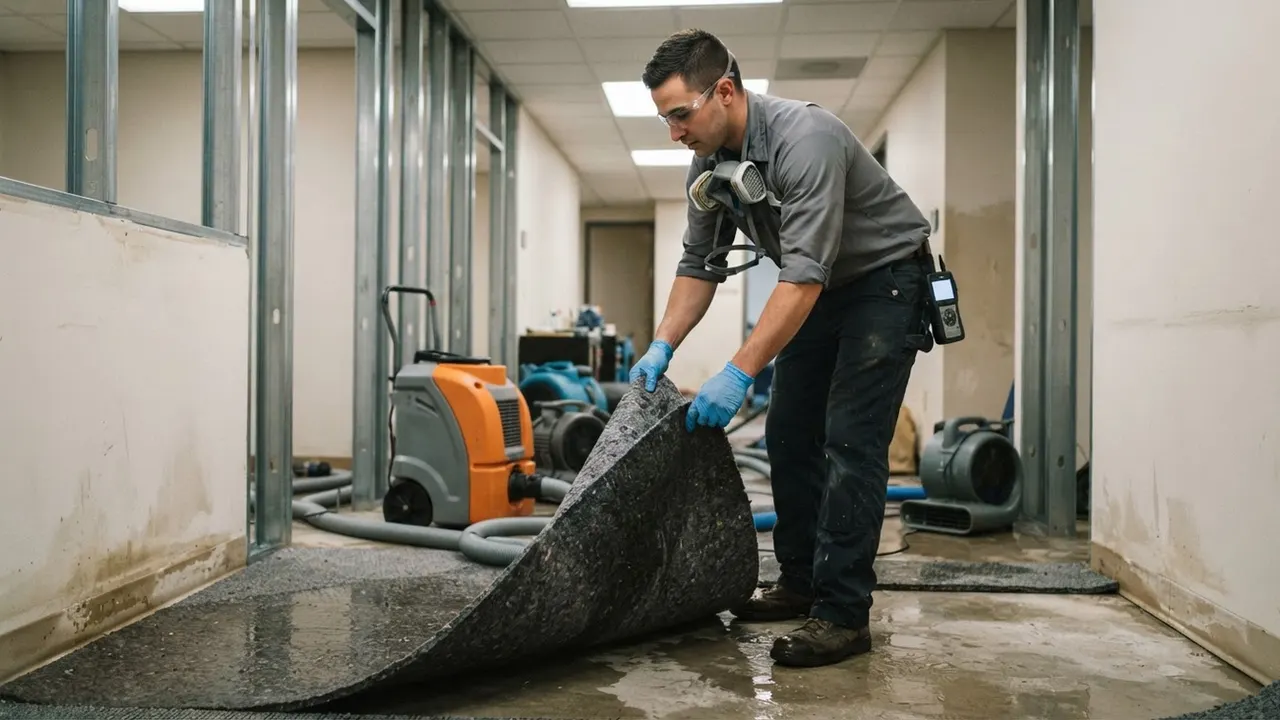
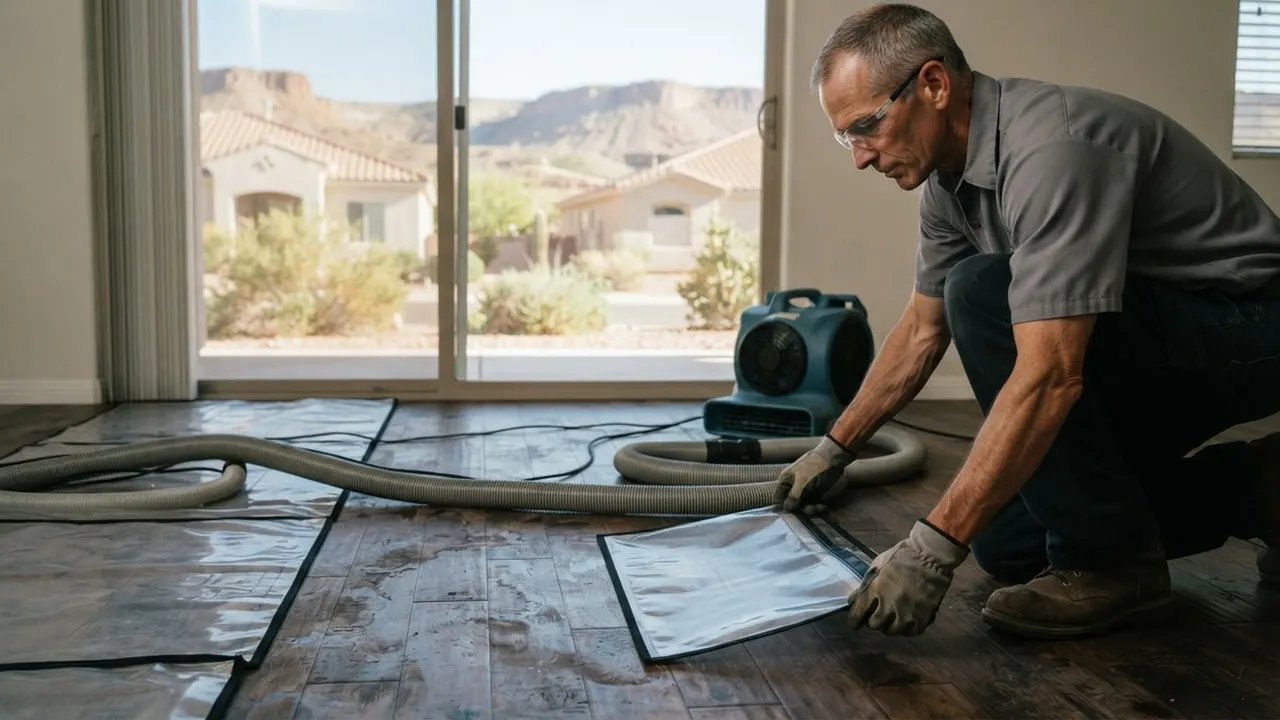
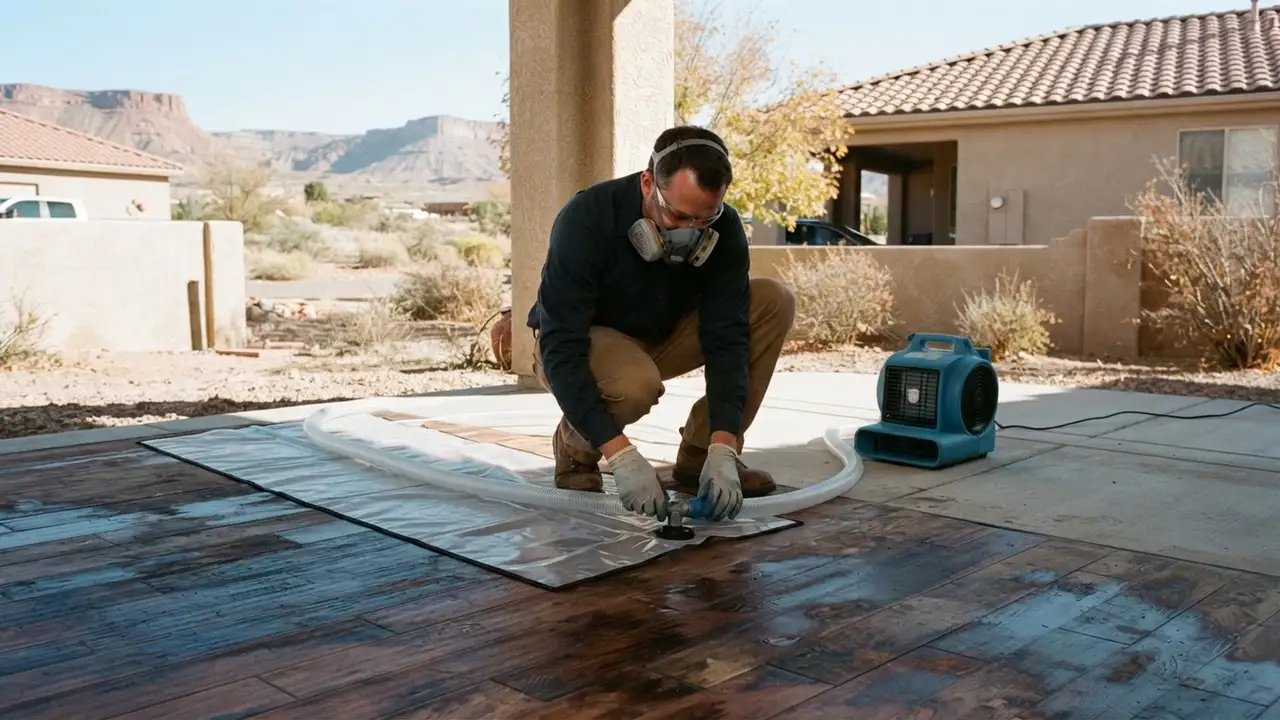
Emergency water damage repair in Mesquite: detailed shot of specialized hardwood floor drying mats creating suction over a

Serving Rollingwood and nearby

  • Readings recordedMoisture checks tracked during drying
  • Contents identifiedPriority belongings noted before moving
  • Water source discussedLeak details guide the first inspection
  • Work areas explainedYou see which rooms need attention

Emergency Water Damage Repair in Rollingwood

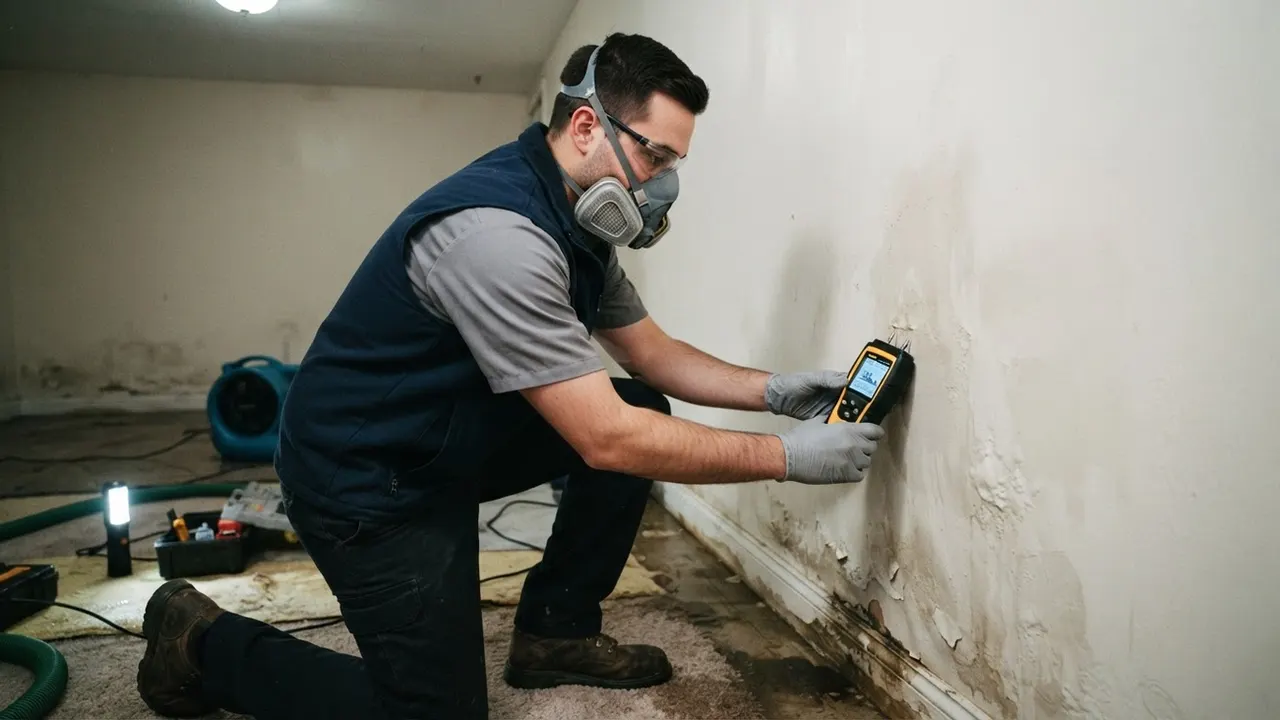
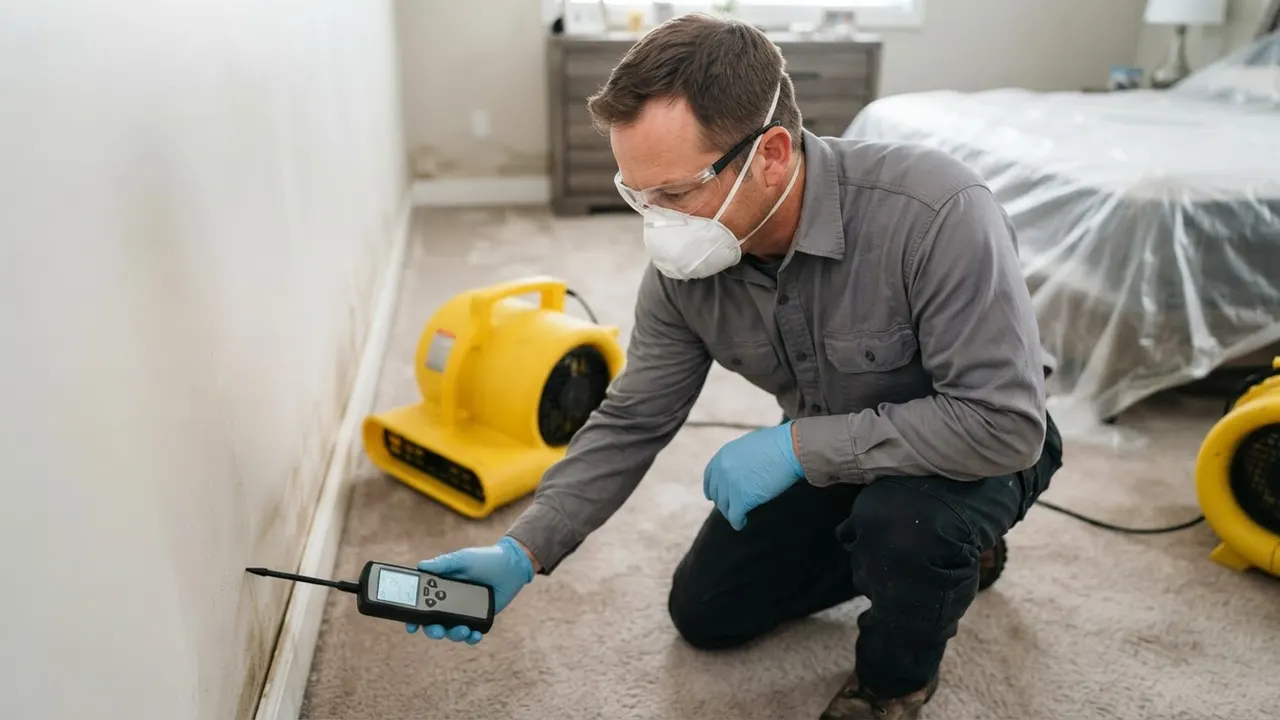
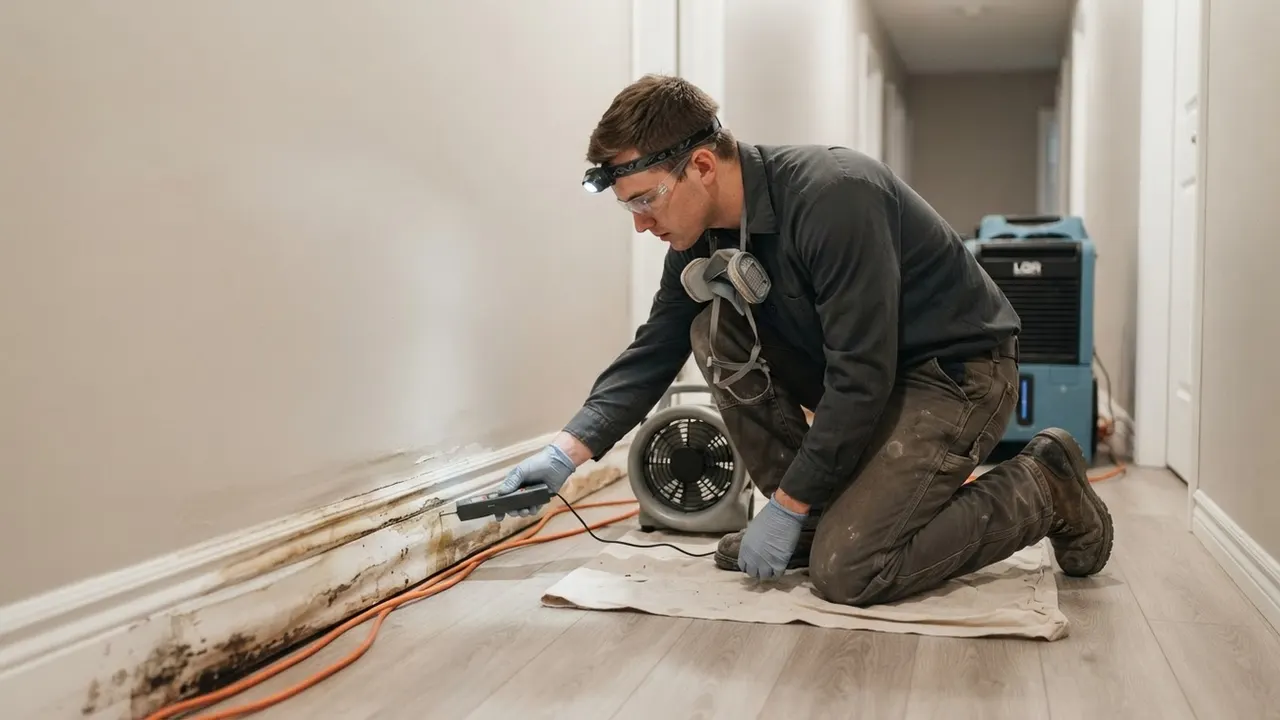
emergency water damage repair in Rollingwood is a property-restoration service that removes unwanted water, limits further damage, and dries affected building materials after a sudden leak or flood. Our crews work throughout this family-oriented residential area, including Rollingwood North, Rollingwood South, Rollingwood Estates, and Rollingwood Park. We begin by locating the source, recording visible damage, and identifying wet areas that need measurement rather than guesswork. A moisture meter helps us track damp drywall and flooring; controlled extraction and drying follow once the water source is addressed.

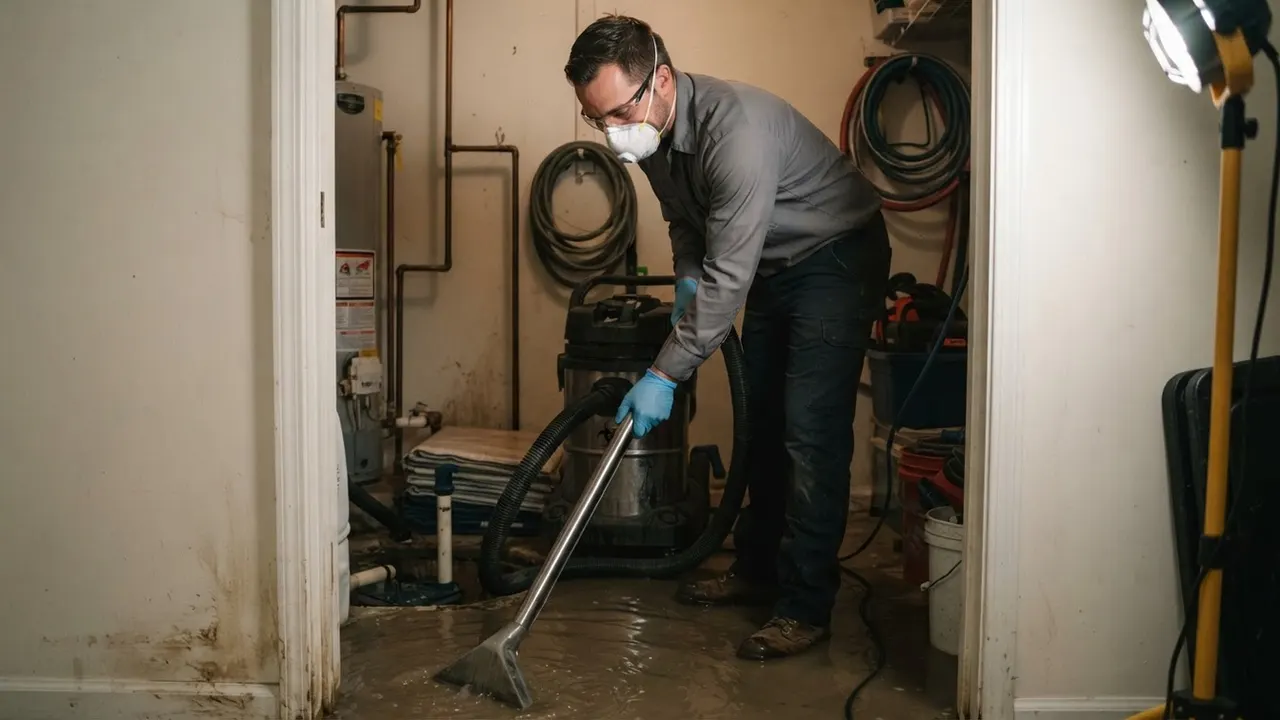
Rollingwood's mature trees can send roots toward buried water lines, while aging water heaters are a frequent source of household leaks. Those conditions call for a careful check of the leak origin as well as the wet room. Our water damage restoration Rollingwood service includes emergency extraction, structural drying, and coordination around repair work when materials need removal. We explain the immediate steps, protect unaffected areas, and keep the work focused on restoring safe use of your home. Mesquite, Nevada crews also serve the wider Clark County area, so you can reach one local company for water removal and the next restoration steps.

Rollingwood has a strong residential focus, and water emergencies here often affect the rooms families use most: kitchens, laundry areas, bathrooms, and bedrooms. Stormwater pooling in low areas can also push water toward entry points during heavy rain. We serve this community because a quick, measured response can reduce how much flooring, drywall, and insulation must be removed. Our crews plan access around residential streets and the needs of occupied homes, then explain what can be dried and what needs replacement. If a leak starts overnight, you can call us rather than waiting for damage to spread through adjoining rooms.
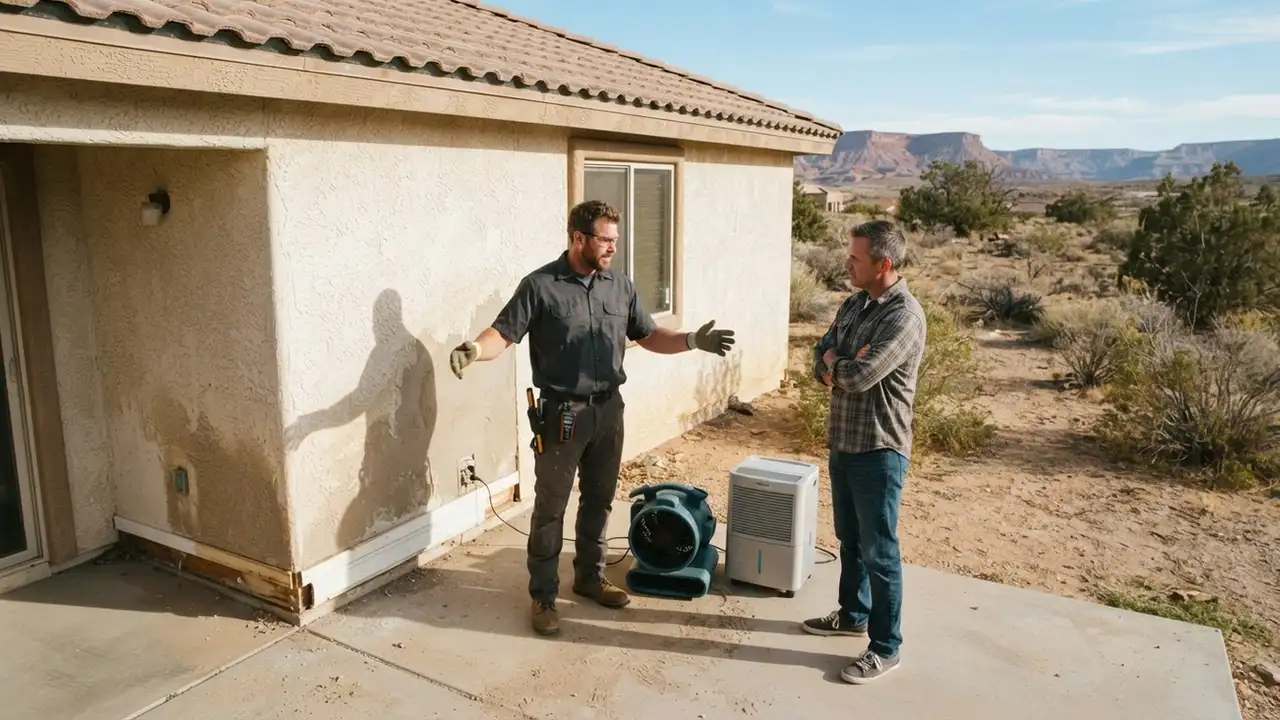
Emergency water damage repair in Mesquite: water damage restoration technician conversing with a homeowner in a partially

Water Damage Services for Rollingwood Homes

Rollingwood calls range from a leaking water heater discovered at breakfast to water spreading beneath carpet after a pipe failure. We first identify whether the source is still active, then remove standing water and set a drying plan around the affected rooms. If you are searching for emergency water damage repair in Rollingwood near me, tell us where water is visible, when it started, and whether the supply has been shut off. Those details help us prepare the right extraction equipment for your property.

How We Handle Rollingwood Water Damage

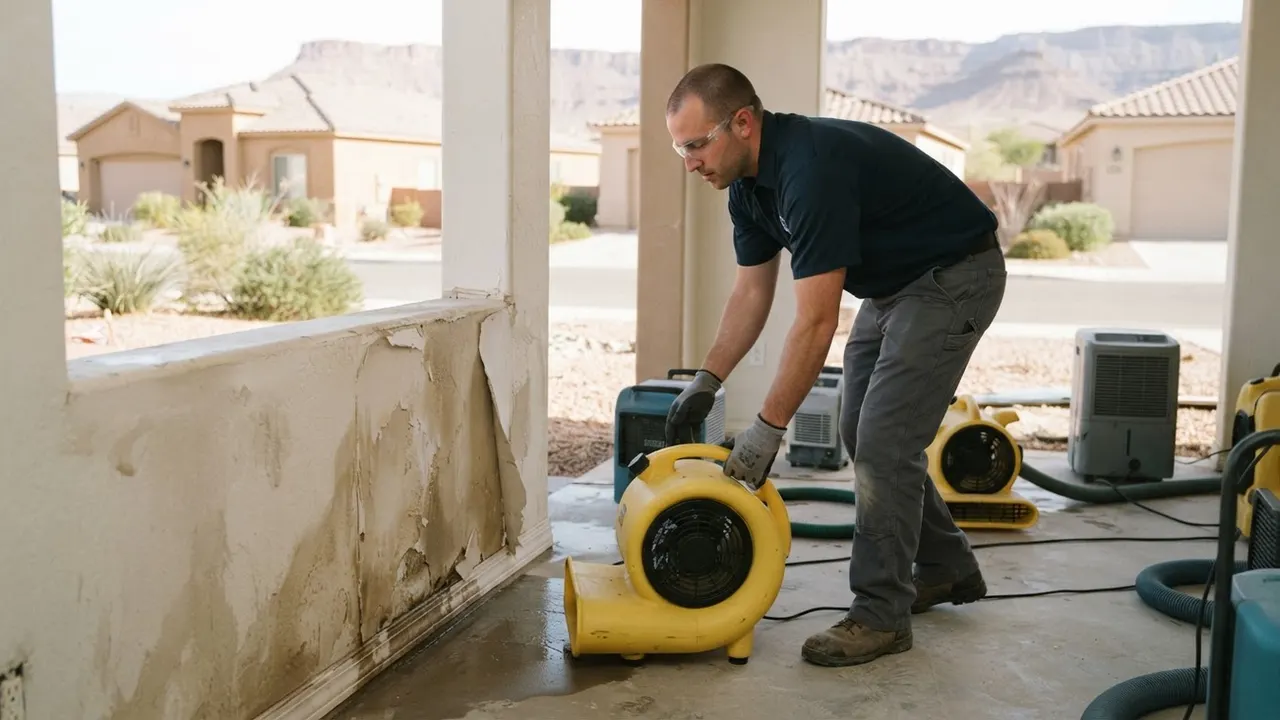
Emergency water damage repair in Mesquite: Close-up of an axial air mover positioned to dry a section of a water-damaged wall

Emergency Repair in Rollingwood

We find the active source and identify which rooms need immediate protection. In Rollingwood homes, we check adjoining flooring and wall edges before water spreads beyond the visible spot. You get a clear sequence for extraction, drying, and repair.

  • Locate the water source
  • Protect nearby rooms
  • Record affected materials
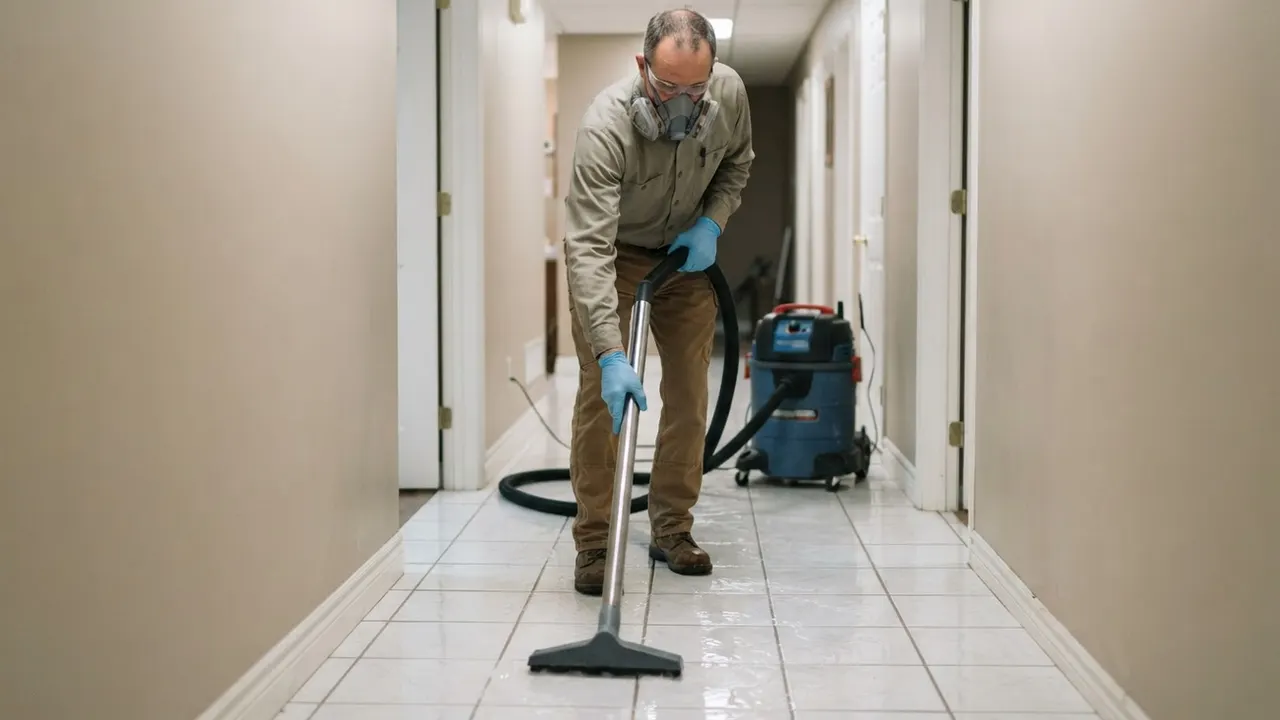
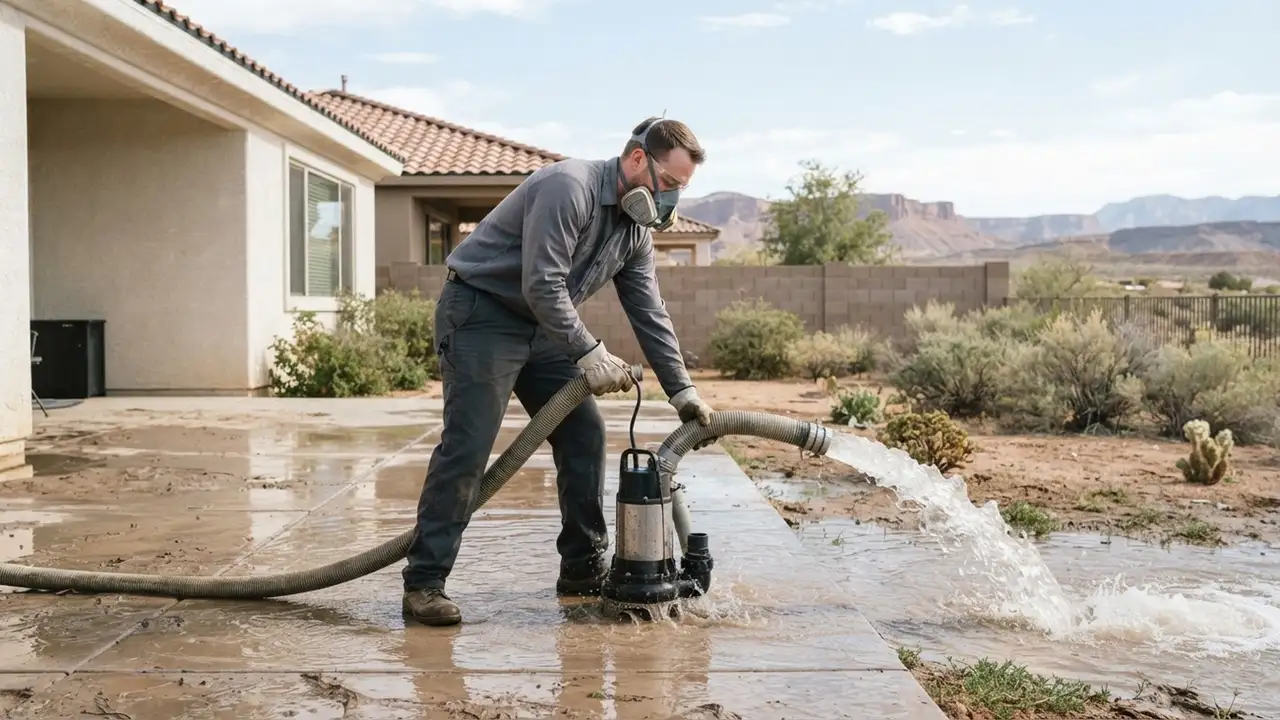
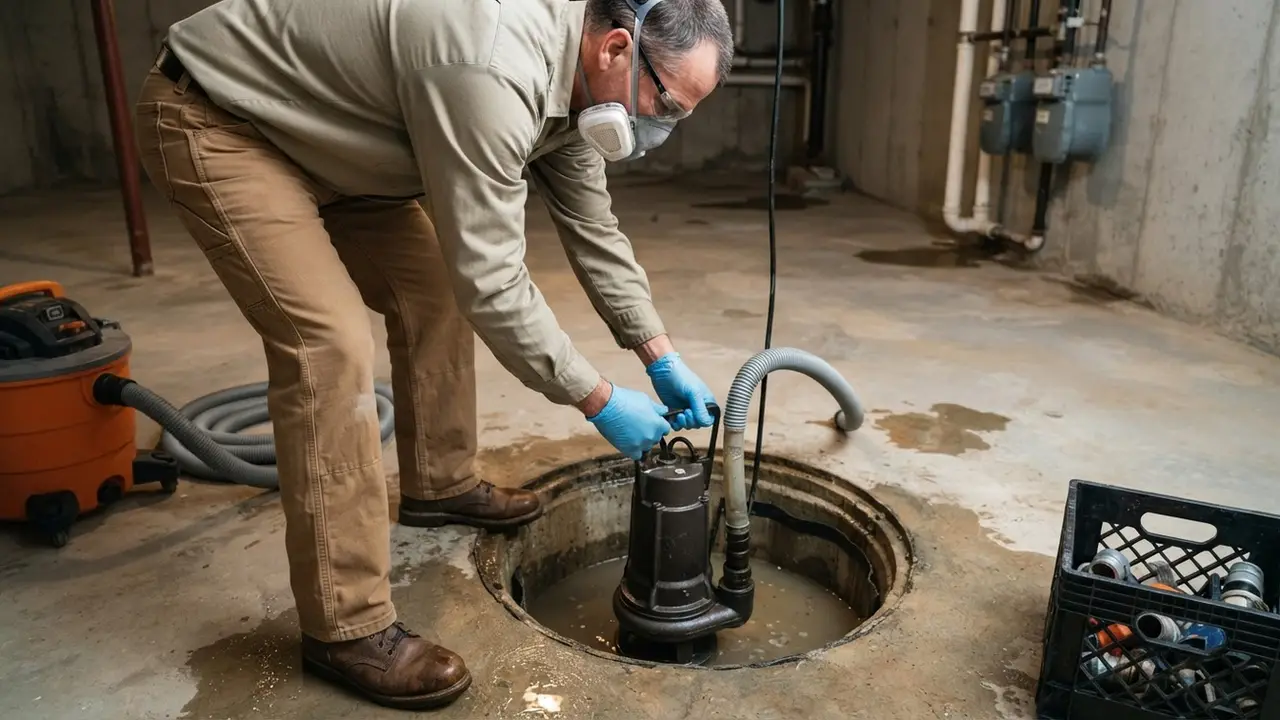
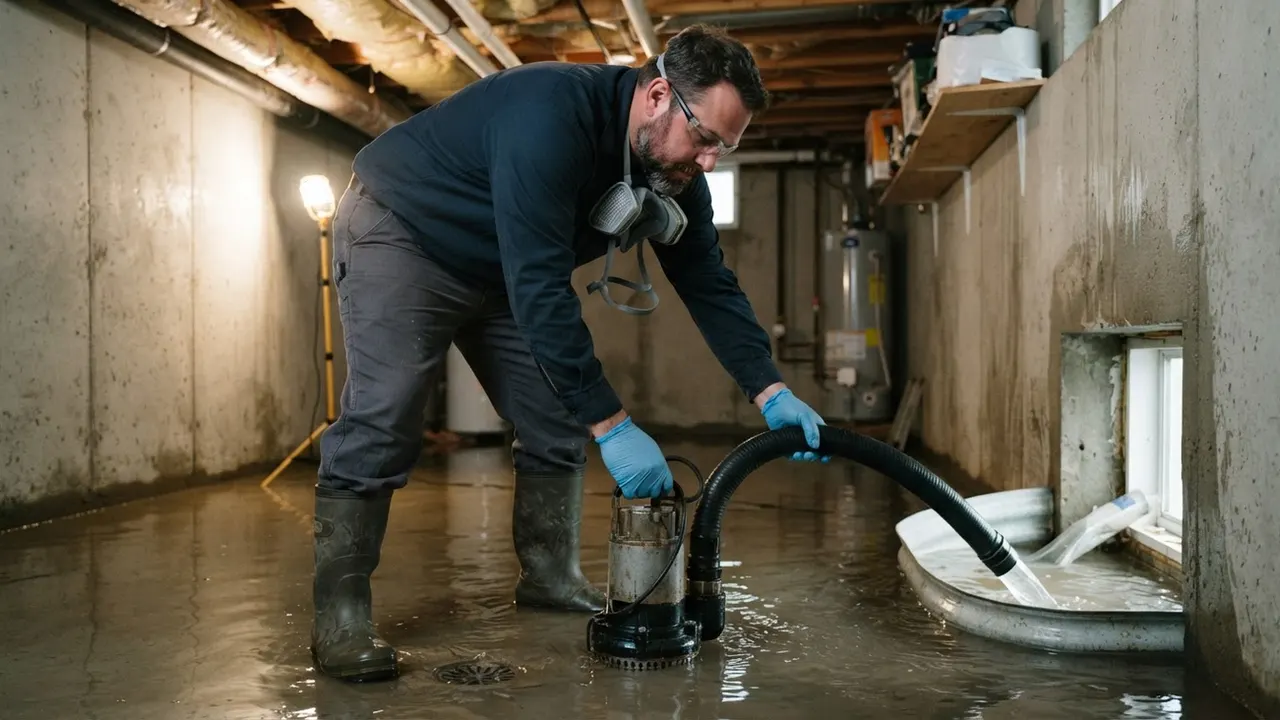
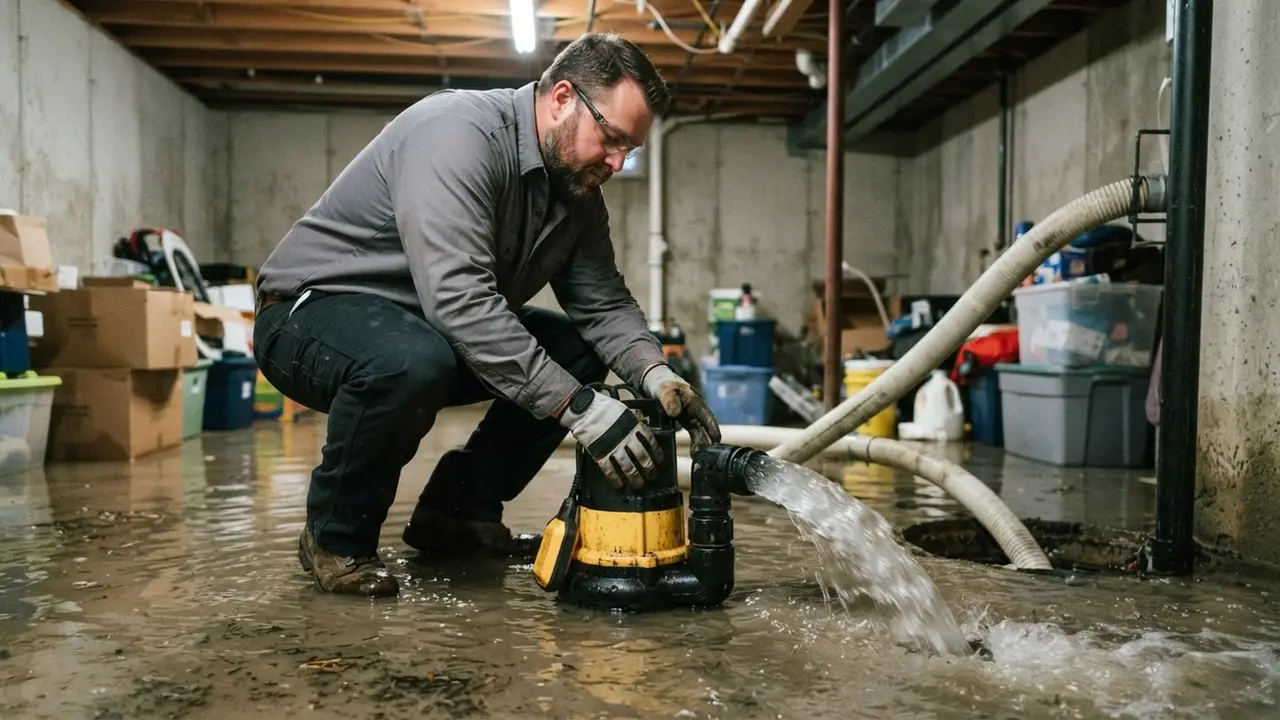
24/7 Water Extraction in Mesquite: water damage restoration technician operating a submersible pump to remove several inches

Rollingwood Home Service

We handle leaks and flooding in occupied Rollingwood homes, keeping access routes clear while we work. Our crew checks visible damage and nearby areas before setting extraction or drying equipment.

  • Water heater leaks
  • Kitchen appliance failures
  • Stormwater at entries
  • Wet carpet and flooring
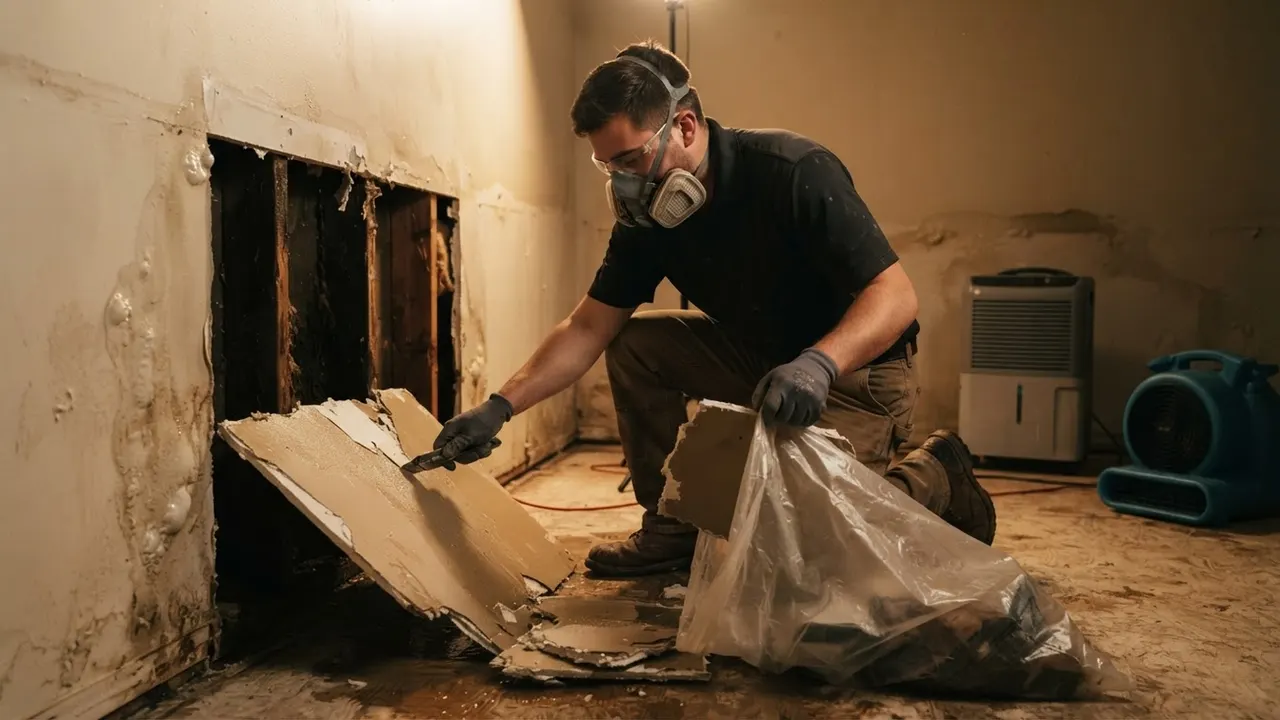
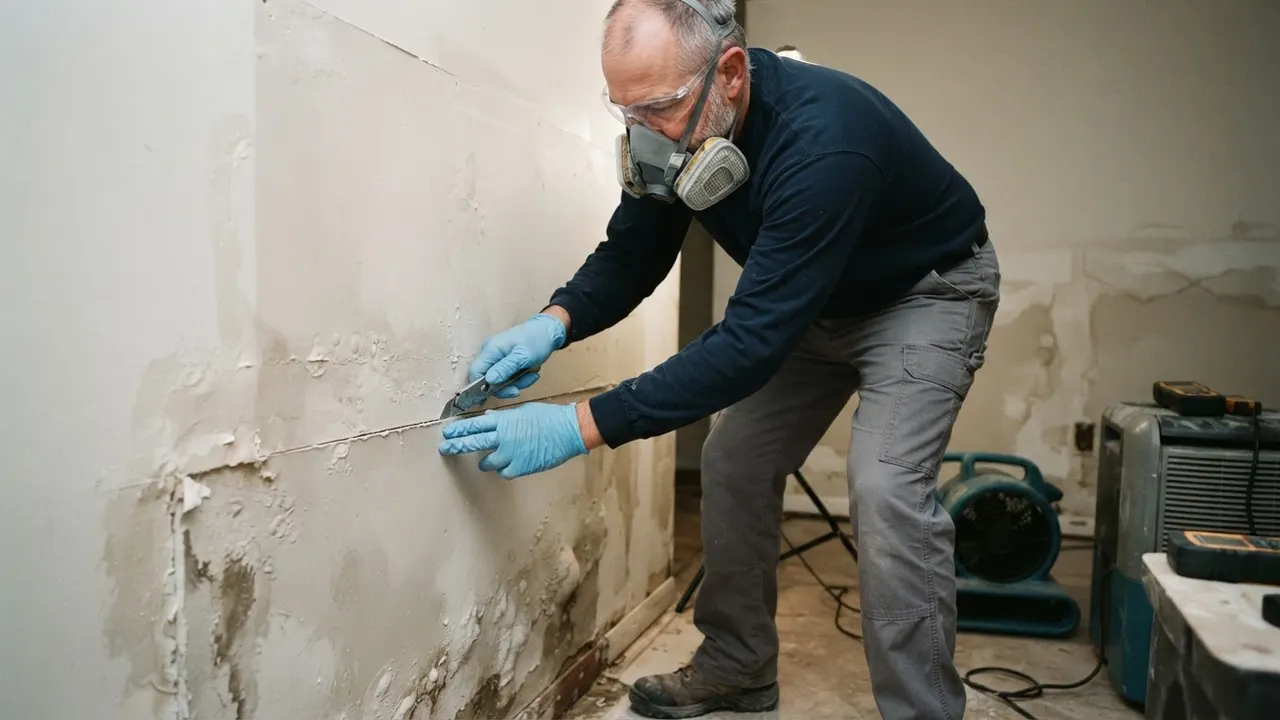
Flood Damage Cleanup in Mesquite: water damage restoration technician cutting out and bagging sections of saturated drywall

Rollingwood Property Service

We assess water damage in Rollingwood business and shared-use properties with attention to access, contents, and affected rooms. Work is organized to support safe cleanup and a clear restoration sequence.

  • Retail and service spaces
  • Office interiors
  • Shared utility rooms
  • Small commercial properties

Common Rollingwood Water Emergencies

Rollingwood's residential setting brings a mix of appliance leaks, aging water heaters, stormwater pooling in low areas, and hidden water-line problems. Mature trees with root intrusion add another reason to investigate the source rather than treating only the indoor stain. Hot, dry weather can help exposed surfaces dry, but it does not prove that a wall cavity or floor assembly is clear of moisture. Our water damage restoration Rollingwood process checks the structure and the source before repairs are closed in.

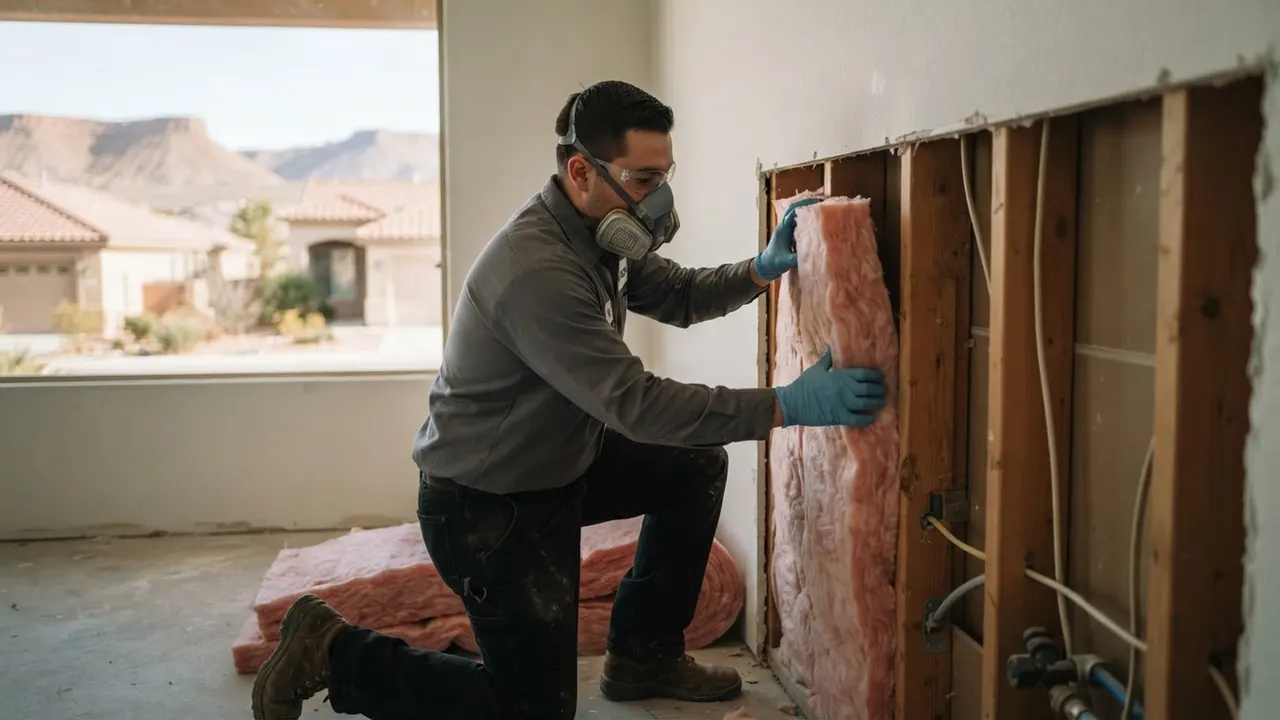
  • Emergency water damage repair in Mesquite: water damage restoration technician in full protective gear removing soaked

    Aging Water Heater Leaks Soak Utility-Room Floors and Nearby Walls

    A tank, fitting, or supply connection can deteriorate and leak gradually, allowing water to spread before it is noticed. Utility areas often sit beside hallways or storage spaces, where water can reach baseboards and flooring outside the first visible puddle. We identify the wet footprint, extract water, and check the adjoining floor and wall edges. The failed heater or connection must be repaired by the appropriate trade; we then dry affected materials and document readings before restoration.

  • Emergency water damage repair in Mesquite: Close-up of a powerful submersible pump actively removing dirty water from a

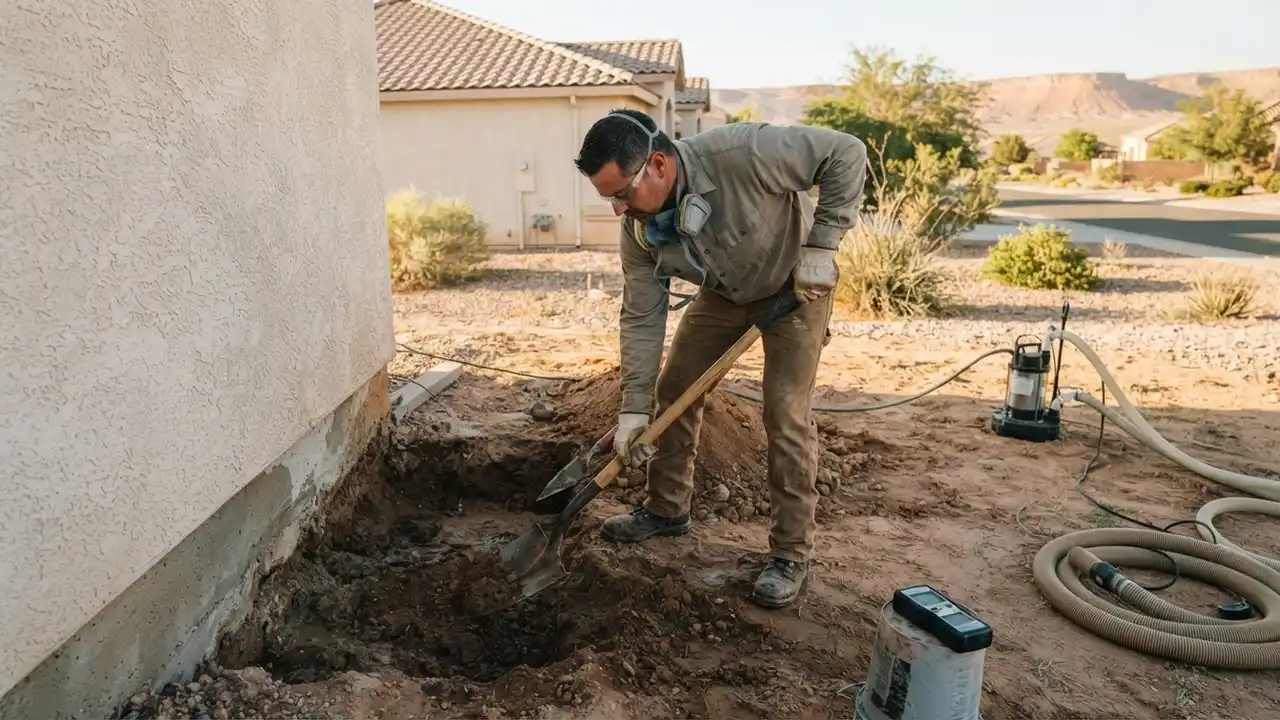
    Tree-Root Intrusion Contributes to Concealed Water-Line Leaks

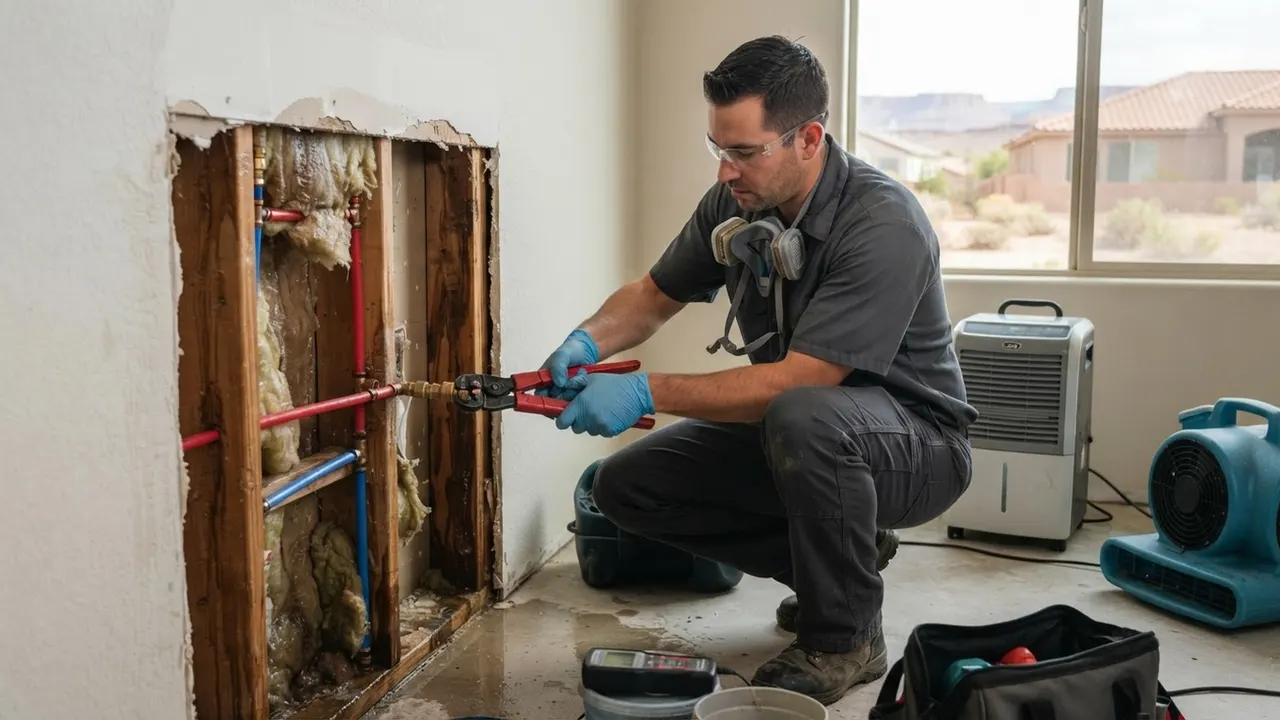
    Roots seek moisture and can interfere with buried lines where conditions allow. A leak may remain below grade for a time, with dampness appearing near a foundation or indoors. The surface clue alone does not confirm which line has failed. We record the interior signs and inspect accessible areas while the plumbing source is investigated. Once the leak is stopped, we remove standing water and map affected materials. That sequence prevents a cosmetic repair from hiding ongoing moisture.

  • Emergency water damage repair in Mesquite: team of water damage restoration technicians collaborating to carry a large

    Stormwater Pooling at Low Areas Reaches Residential Entry Points

    Heavy rain can collect in low areas and move toward doors, garages, or other openings. Water carrying outdoor debris is not handled like a clean supply-line leak, and porous materials exposed to it need an appropriate assessment. We remove water and debris, identify the route of entry, and separate affected contents. We inspect wall bases and floor edges, then set drying equipment according to the water exposure and the materials in the affected rooms.

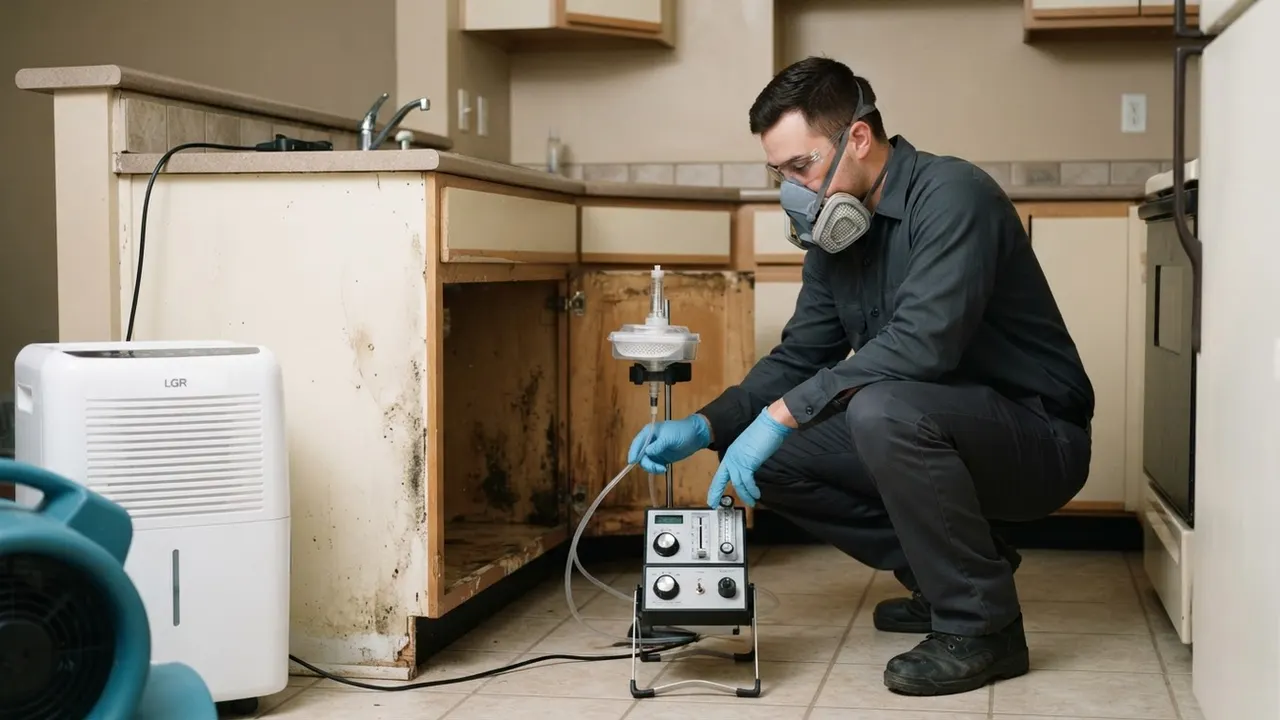
  • Emergency water damage repair in Mesquite: water damage restoration technician meticulously checking moisture levels in a

    Appliance Leaks Spread Below Flooring Before a Puddle Appears

    Dishwasher, refrigerator, or laundry connections can release small amounts over time. Cabinets and floor coverings may hide the first signs, allowing moisture to travel toward a neighboring room before a homeowner sees a clear pool. We inspect appliance connections and nearby transitions, extract accessible water, and measure the surrounding floor. If the leak has reached padding or wall materials, we focus drying or removal on the confirmed wet areas rather than treating the whole home.

When to Call for Water Damage Repair

Notice active leaks, new ceiling stains, damp flooring, or a musty odor? These signs call for a prompt moisture check.

Emergency water damage repair in Mesquite: detailed shot of specialized hardwood floor drying mats creating suction over a
  • Water Continues Flowing After Fixture Shutoff

    A supply-line failure may still be feeding water behind a cabinet or wall. Shut off the nearest safe valve or the home's main supply if you can reach it safely, then call for help. Ongoing flow raises the amount of water that reaches flooring and adjoining rooms.
  • Ceiling Paint Bubbles or Begins to Sag

    A bulge can hold water above the ceiling and may fail without warning. Keep people and furniture out from underneath, especially if the ceiling feels soft or the stain is growing. The source could be a roof leak or plumbing leak, and the cavity needs assessment.

  • Musty Odor Remains After a Leak

    A persistent odor can indicate damp carpet padding, insulation, or a wall cavity that did not dry. Surface cleaning will not resolve the source if moisture remains. Ask for a moisture check, particularly if the smell returns after the room has been aired out.

  • Floorboards Cup or Carpet Feels Squishy

    Raised hardwood edges or soft carpet can mean water is trapped beneath the finish. Continued foot traffic may worsen the damage or press moisture farther into adjacent materials. Limit use of the room and arrange extraction and moisture mapping.

  • Water Backs Up Through a Floor Drain

    A sewage backup carries contamination and needs controlled cleanup. Keep children and pets away, avoid contact with the water, and do not run household fans that could spread contaminated droplets. A trained crew can isolate the area and remove affected materials.

How We Handle Water Damage in Rollingwood

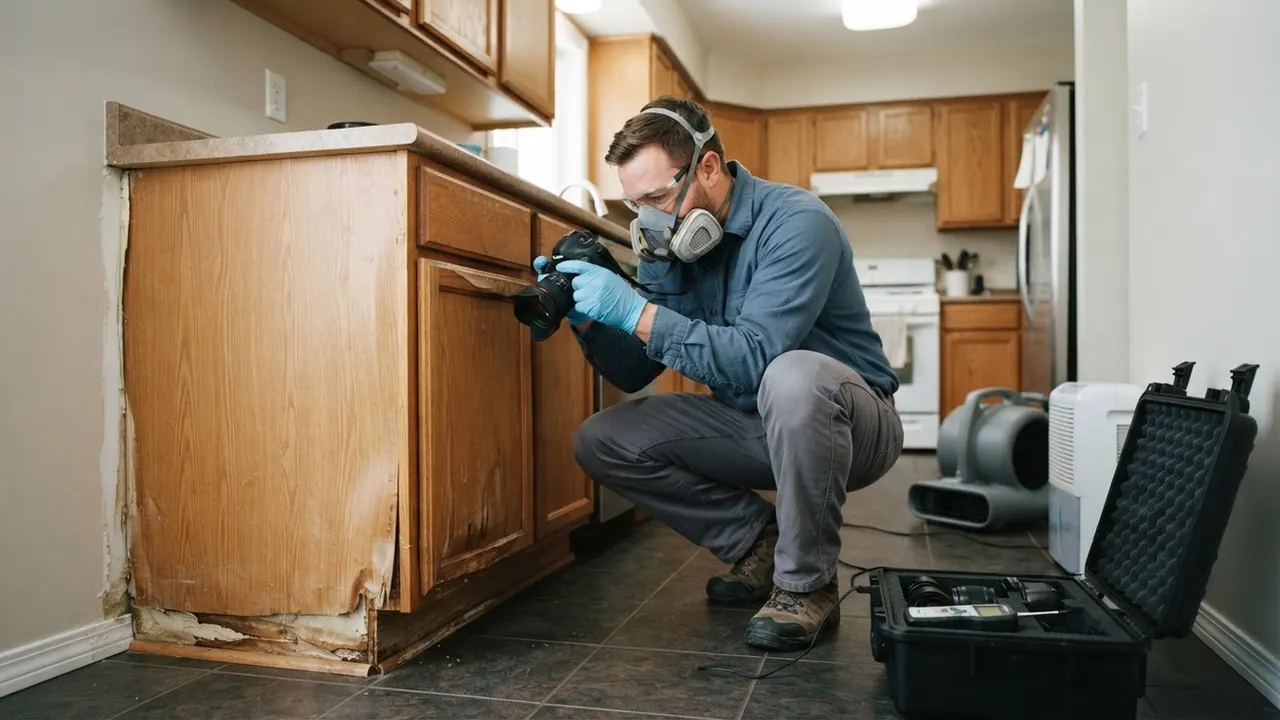
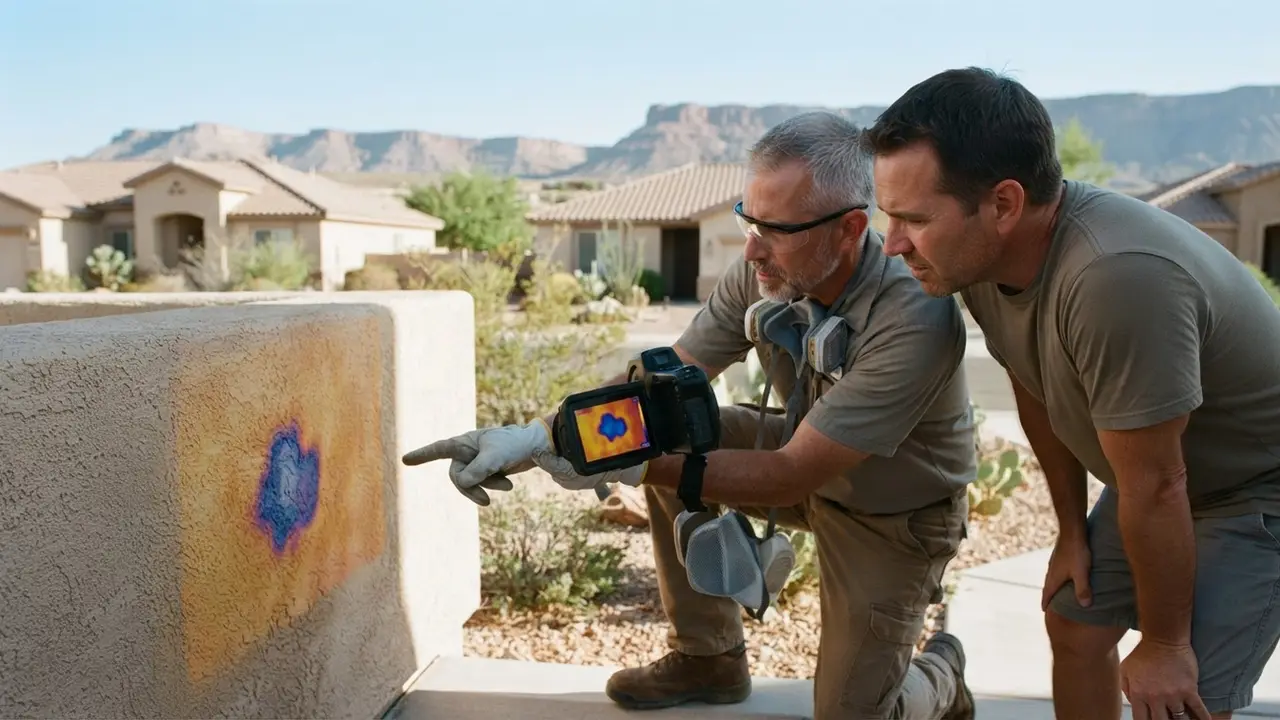
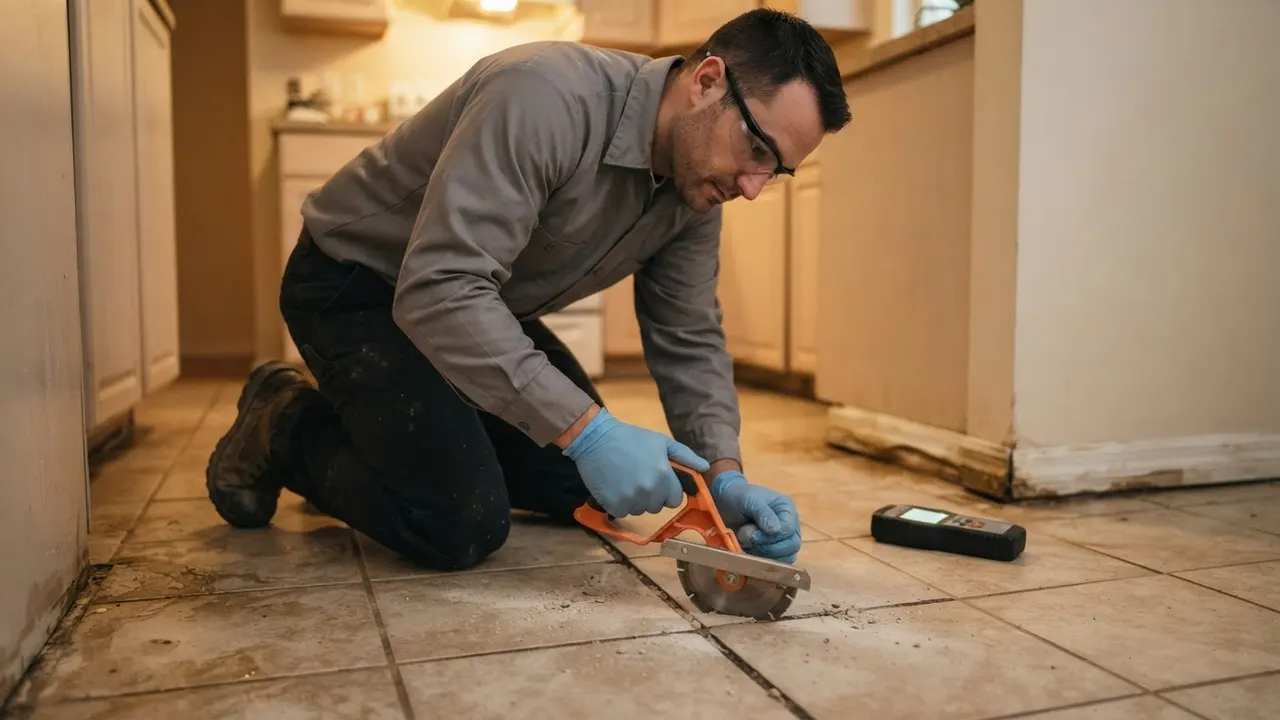
For emergency water damage repair Rollingwood NV homeowners call us to stop active spread, remove water, and start drying with measurements. We first confirm the water source and check for electrical or contamination concerns before moving equipment through your home. Mature trees with root intrusion can complicate underground line failures, while stormwater pooling in low areas calls for a close look at entry points and adjoining rooms. We use a moisture meter and thermal imaging camera to locate damp areas that are not obvious from the surface.
  • Mature Trees With Root Intrusion Can Complicate Underground Water-Line Failures

    A hidden line break may send water into soil before it appears indoors, or create a persistent wet area near the foundation. The visible damage may not identify the exact source, so extraction alone will not resolve the problem. We document where water is entering, inspect the interior and accessible perimeter, and coordinate source repair with the appropriate plumbing work. Once the leak is stopped, we extract standing water and measure affected materials so your drying plan follows the actual spread.

  • Aging Water Heaters Can Leak Into Nearby Cabinets and Flooring

    A slow tank or connection leak can wet flooring and baseboards before a homeowner spots it. If the utility area connects to a hallway, water may travel beneath the visible floor covering and affect adjoining rooms. We check the heater area, supply connections, and nearby floor transitions, then remove water and record moisture readings. We keep the work focused on the wet footprint and make sure the source is addressed before drying or replacement begins.
  • Stormwater Pools in Low Areas During Heavy Rain

    Water can collect near low entry points and move into rooms, garages, or storage areas. Mud and outdoor debris also change the cleanup process, and porous materials exposed to stormwater need careful assessment. We identify the entry route, remove water and debris, and separate affected contents from materials that can remain. We inspect baseboards and nearby cavities, then set drying equipment based on water depth, exposure, and the materials present.

  • Nevada State Contractors License

    Repair work that falls within regulated contracting must be handled under applicable Nevada licensing requirements. We distinguish emergency water removal and drying from plumbing, electrical, or reconstruction work that requires the appropriate trade contractor, and coordinate the repair sequence accordingly.

  • IICRC S500 Standard for Professional Water Damage Restoration

    The IICRC S500 provides procedures for assessing water damage, selecting extraction and drying methods, and documenting restoration work. We use its principles to guide water categorization, safety decisions, monitoring, and communication about the affected Rollingwood property.

Rollingwood Landmarks and Local Orientation

We use familiar local references to confirm the correct address and plan equipment access, not to assume where a leak has occurred. Rollingwood Park and Rollingwood Elementary help orient a route through the residential area, while Mesquite Community Garden and Rollingwood Shopping Center provide additional reference points. When you call, give us the property address and a nearby landmark only if it helps clarify your location. Our crew confirms the entrance and a practical place to unload equipment before beginning work.

  • Rollingwood Park

    Rollingwood Park is a useful local reference when confirming an address in the surrounding residential area. Sharing its name can help clarify which side of Rollingwood you mean, but the crew still relies on the property's street address for navigation.

  • Rollingwood Elementary

    Rollingwood Elementary provides a recognizable point of orientation for nearby streets. If you use it as a reference when calling, pair it with your complete address so the service crew can locate your home accurately.

  • Mesquite Community Garden

    Mesquite Community Garden can help callers describe their general location in the service area. It is an orientation reference only; the exact property address remains necessary for routing and equipment access.

  • Rollingwood Shopping Center

    Rollingwood Shopping Center is a local commercial reference for visitors and residents navigating the area. When a service call is nearby, the property address and access instructions remain the most useful details for locating a home or business.

  • Mesquite Town Center

    Mesquite Town Center is a broader commercial destination in Mesquite and a familiar reference for regional travel. It helps place Rollingwood within the local service area without implying a particular route or distance to an individual property.

  • Interstate 15

    Interstate 15 is a regional route through the Mesquite area. From it, crews use local roads to reach a Rollingwood address, with final access based on the street and property entrance.

  • Mesquite Airport

    Mesquite Airport is a local aviation reference point, while residential service calls are reached by road. The crew uses the supplied property address rather than the airport as a final navigation point.

Rollingwood Neighborhoods We Cover

We cover residential calls across Rollingwood, from a water heater leak in a utility room to stormwater entering a low-lying area. Tell us your neighborhood and the nearest cross street when you call; that helps us plan the route and bring equipment suited to your home. Our service area includes all four named Rollingwood neighborhoods, with ZIP code 89027 in the local coverage area.

  • Rollingwood North
  • Rollingwood South
  • Rollingwood Estates
  • Rollingwood Park

Rollingwood Water Damage Work Examples

  • Rollingwood North

    Before

    A water heater connection leaked into a Rollingwood utility area and reached the adjacent hallway flooring before the household noticed the damp baseboard.

    After

    We stopped the water source with the plumbing repair handled by the appropriate trade, extracted standing water, and checked the hallway and utility-room edges. We placed drying equipment to move air across the affected floor and tracked moisture readings through the work. The homeowner received a record of the wet areas and the next repair steps. Water was extracted from two connected rooms, and monitoring continued over three days. The affected baseboard was removed where needed, while dry adjoining areas remained undisturbed.

  • Rollingwood South

    Before

    A storm left water pooled near a low entry area and dampened stored belongings, flooring, and lower wall finishes in a Rollingwood residence.

    After

    We removed standing water and debris, separated salvageable belongings, and inspected the baseboards and adjoining wall sections. A dehumidifier and air movers were positioned after extraction, with readings taken at setup and during follow-up checks. We documented the water path so the homeowner could address the exterior entry point. The crew cleared the affected entry room and adjacent storage area, then monitored drying for four days. Contents were sorted into cleanable and damaged groups for the household.

  • Rollingwood Estates

    Before

    A slow appliance leak in a Rollingwood kitchen wet the cabinet base and spread beneath flooring toward the nearby dining area.

    After

    We inspected the appliance connections, extracted water from the visible floor, and checked nearby transitions for hidden moisture. Where readings showed dampness, we established a focused drying setup and recorded the affected footprint. The source was corrected before the flooring repair plan moved forward. Moisture was mapped across the kitchen and dining threshold, with drying monitored for three days. The homeowner had a documented area for restoration and repair planning.

Rollingwood Water Damage Through the Seasons

  • Spring

    Spring storms can bring short periods of heavy rain, with water collecting around low entry points. Check door thresholds, garage edges, and areas where runoff has previously gathered. A roof leak may show up as a fresh ceiling mark after a storm. Clear debris from drainage paths and look for damp baseboards after heavy rain. If water enters, move contents out of the wet area and call before it spreads into adjoining rooms.
  • Summer

    Summer heat can make surface water evaporate quickly, but moisture beneath tile, carpet, or drywall can remain. Appliance lines and water heaters still fail in hot weather, and a quick wipe does not confirm the floor assembly is dry. After a leak, check cabinet bases and nearby room transitions rather than relying on the dry appearance of the top surface. Report the source and start time so extraction and monitoring fit the exposure.

  • Fall

    Fall is a practical time to inspect water-heater fittings, appliance hoses, and roof areas before winter conditions arrive. Storms can still bring water toward low areas, while leaves and debris may affect exterior drainage around a property. Look beneath sinks and around the water heater for new dampness or corrosion. If a leak is active, shut off the water when safe and keep the affected area clear for assessment.

  • Winter

    Winter brings the risk of frozen pipe conditions during cold snaps, especially in vulnerable or poorly protected spaces. A pipe that thaws can release water behind walls or into a ceiling, where damage may spread before it is visible. Know where the main shutoff is and keep access clear. If a line fails, avoid touching water near electrical equipment, shut off the supply only if safe, and call for extraction and drying.

Questions to Ask Before Hiring

For Rollingwood emergency water damage repair, choose a contractor who can explain the first work steps in plain terms. Ask how the crew will find the source, measure the wet area, and decide what can be dried. You should also know who handles plumbing or reconstruction if those trades are needed. Specific answers matter more than a broad promise: a good plan names the equipment, the affected materials, and how progress will be checked.
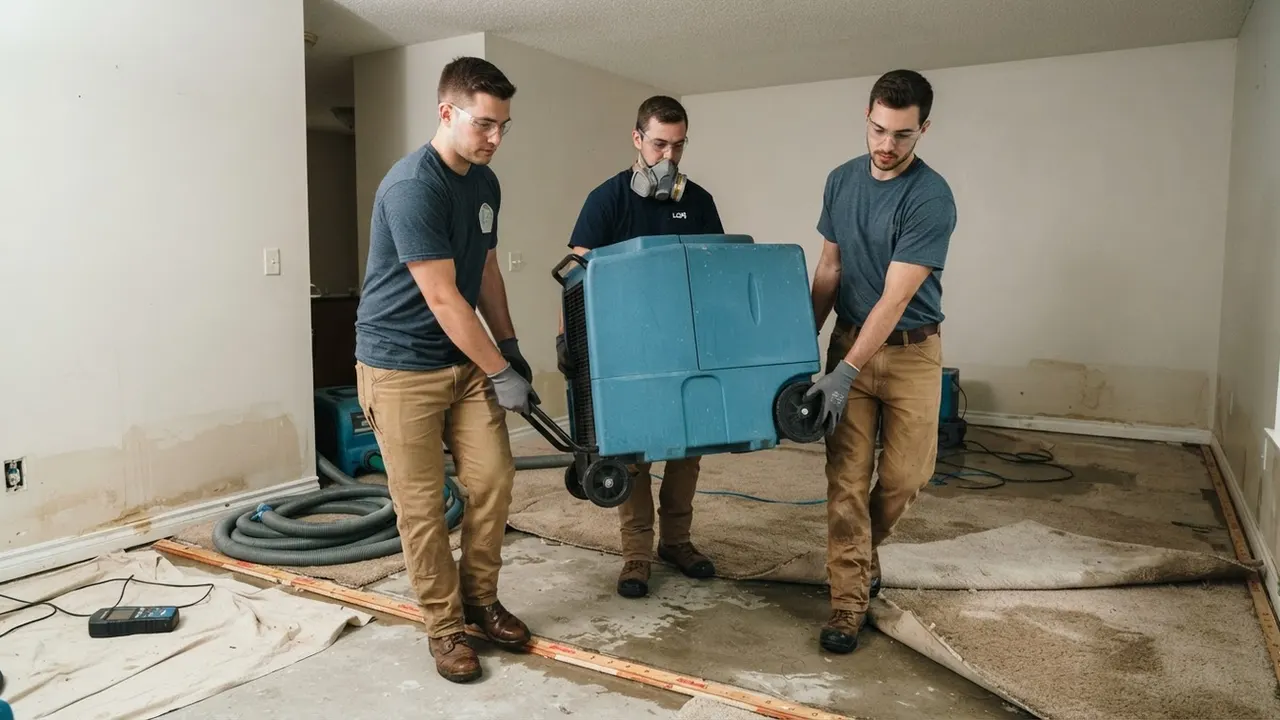
  • How Will You Find Water Behind the Wall or Under My Floor?

    The answer should include inspection and moisture measurement, not a guess based only on the stain. Ask how the crew checks adjoining areas and how it records readings. That tells you whether the plan accounts for hidden spread before repairs cover it.
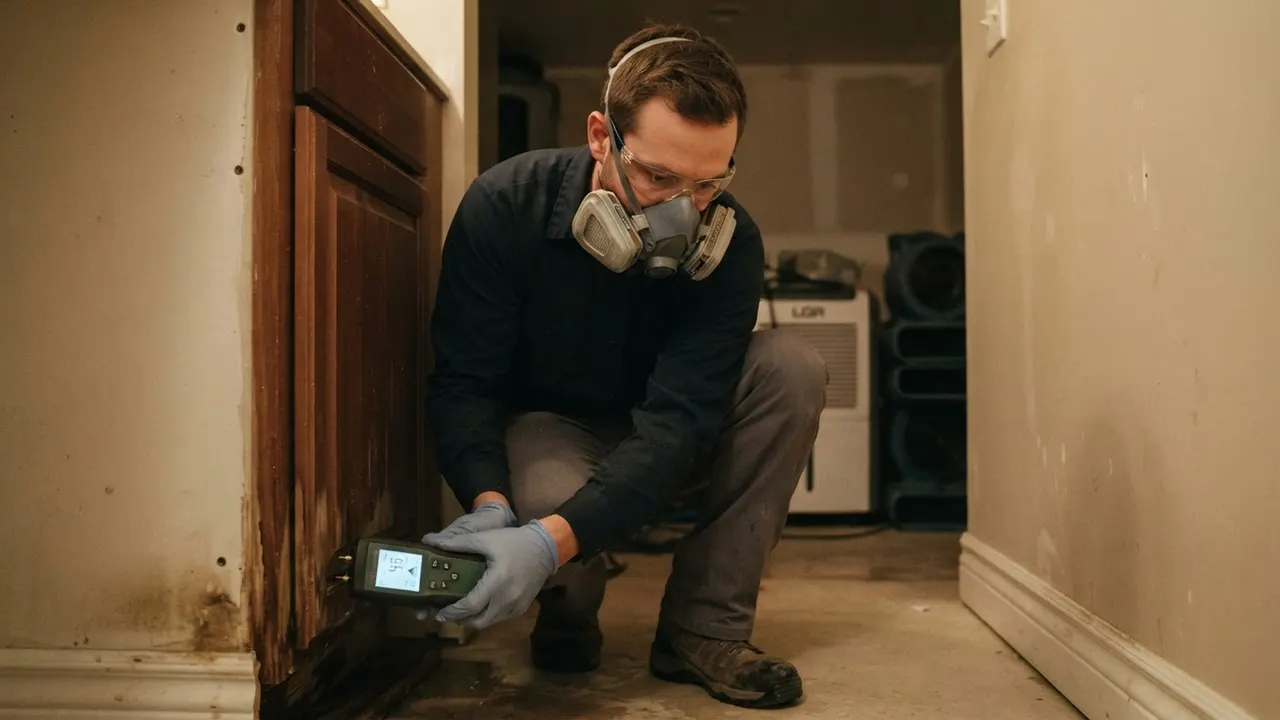
  • Who Will Stop the Leak If the Pipe Is Still Failing?

    Water removal cannot solve an active plumbing failure. The contractor should explain how source control is coordinated and identify when a plumbing trade is needed. That keeps extraction, drying, and repair in the right order.

  • What Equipment Will You Use After Extraction?

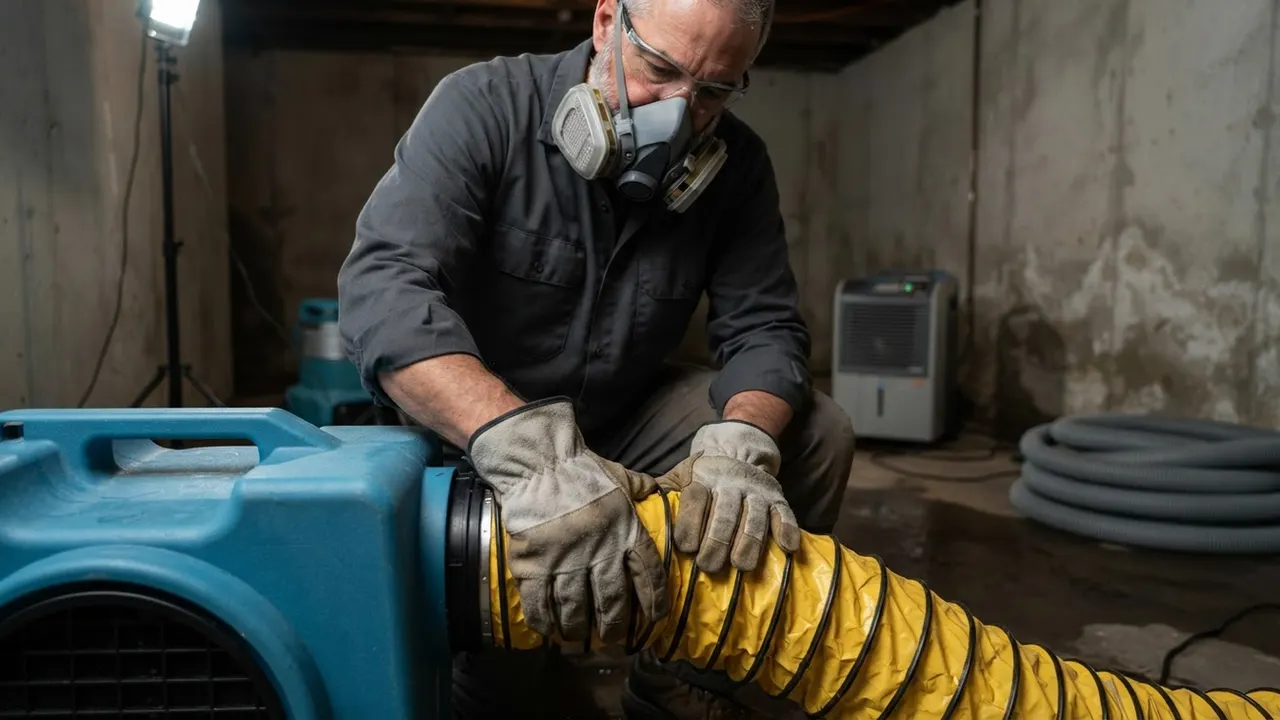
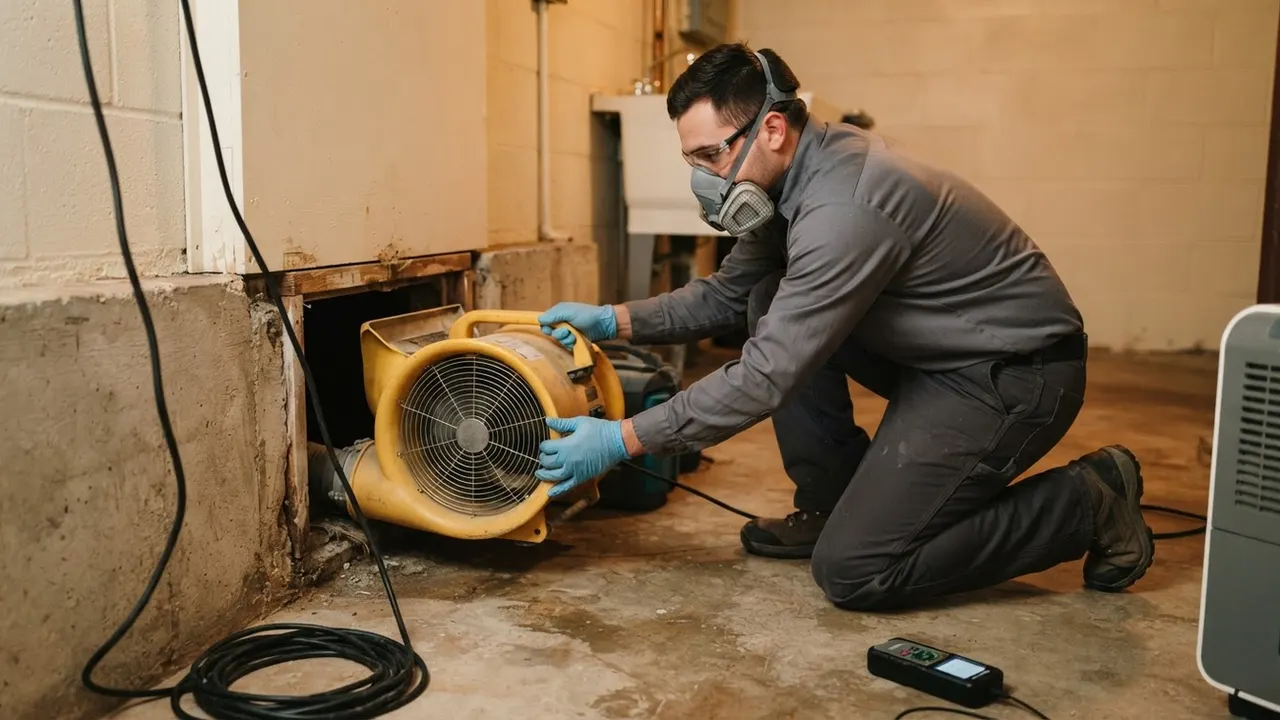
    A practical answer should connect equipment to your materials and the measured wet area. Air movers and dehumidifiers serve different roles, and their placement should not obstruct safe movement through your home. Ask how the crew will check whether drying is progressing.

  • How Do You Handle Sewage or Stormwater Contamination?

    Water source changes safety, cleaning, and disposal decisions. The contractor should explain how the affected area is isolated, which materials may need removal, and how contents are protected. Vague answers can leave contamination risks unaddressed.

  • What Records Will I Receive for the Restoration Work?

    Photos, moisture readings, and a record of work performed help you follow the job and discuss the loss with your insurer. Ask whether the documentation will identify affected rooms, materials, and drying progress rather than just listing equipment.

Rollingwood Emergency Water Damage Faqs

Still wondering? (833) 546-4116

Emergency water damage repair in Mesquite: water damage restoration technician conversing with a homeowner in a partially

Call for Emergency Water Damage Repair in Rollingwood

If water is spreading through your Rollingwood home, call Mesquite Water Damage Company at (833) 546-4116. Tell us the address, source, and rooms affected so we can prepare the right response. Our team serves Rollingwood and nearby Mesquite areas, with 24/7 phone support for urgent calls. We will guide the immediate safe steps and arrange service for your water removal and drying needs.

Contact Our Team

Call (833) 546-4116 to explain what happened and where water is collecting. We take calls for water damage requests and connect you with an independent company that can discuss service details directly. If the leak is active, shut off the source when safe and tell us whether the water reached electrical equipment, flooring, or more than one room.

Thanks. Your request is in and the team will follow up shortly.