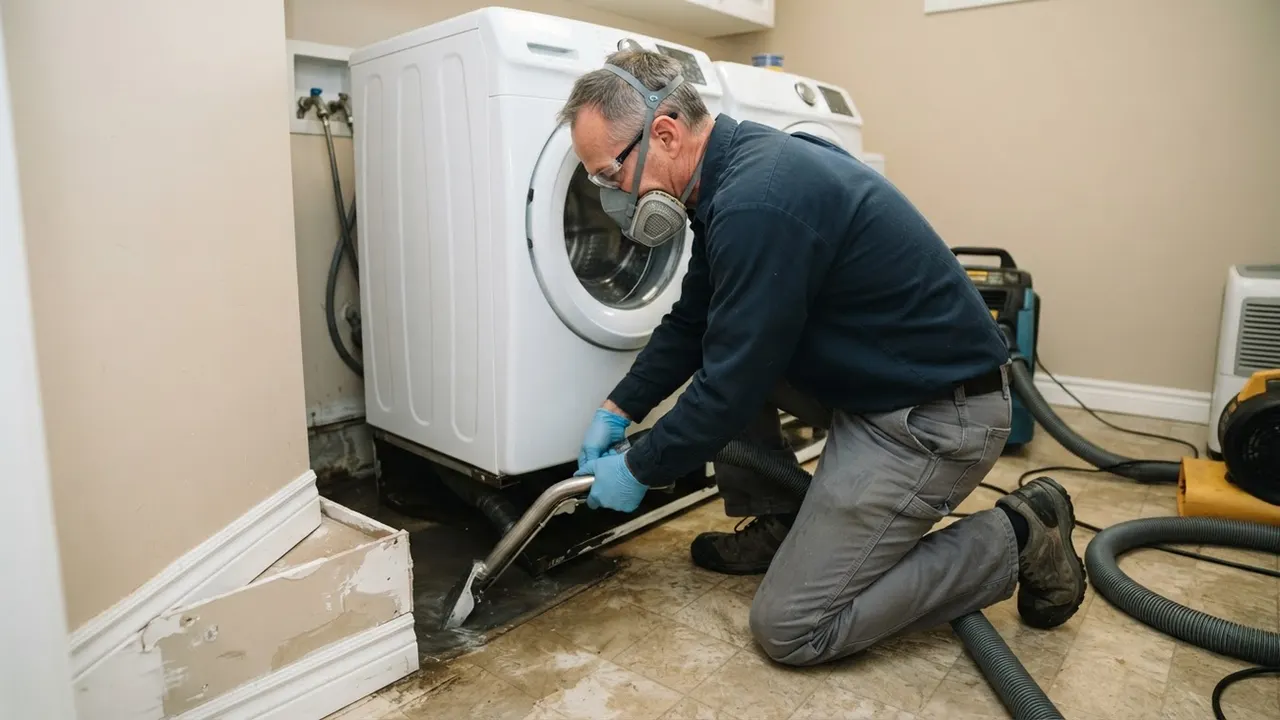
Affected-Area Notes
Locations, observed water, and visible material conditions.
Crawl space water removal Mesquite NV helps homeowners and property managers deal with pooled water, wet insulation, and damp framing before damage spreads. We locate the source, extract water, and measure moisture so the drying plan fits your crawl space. If a pipe has burst, storm runoff has entered, or a musty odor has appeared, call Mesquite Water Damage Company at (833) 546-4116.
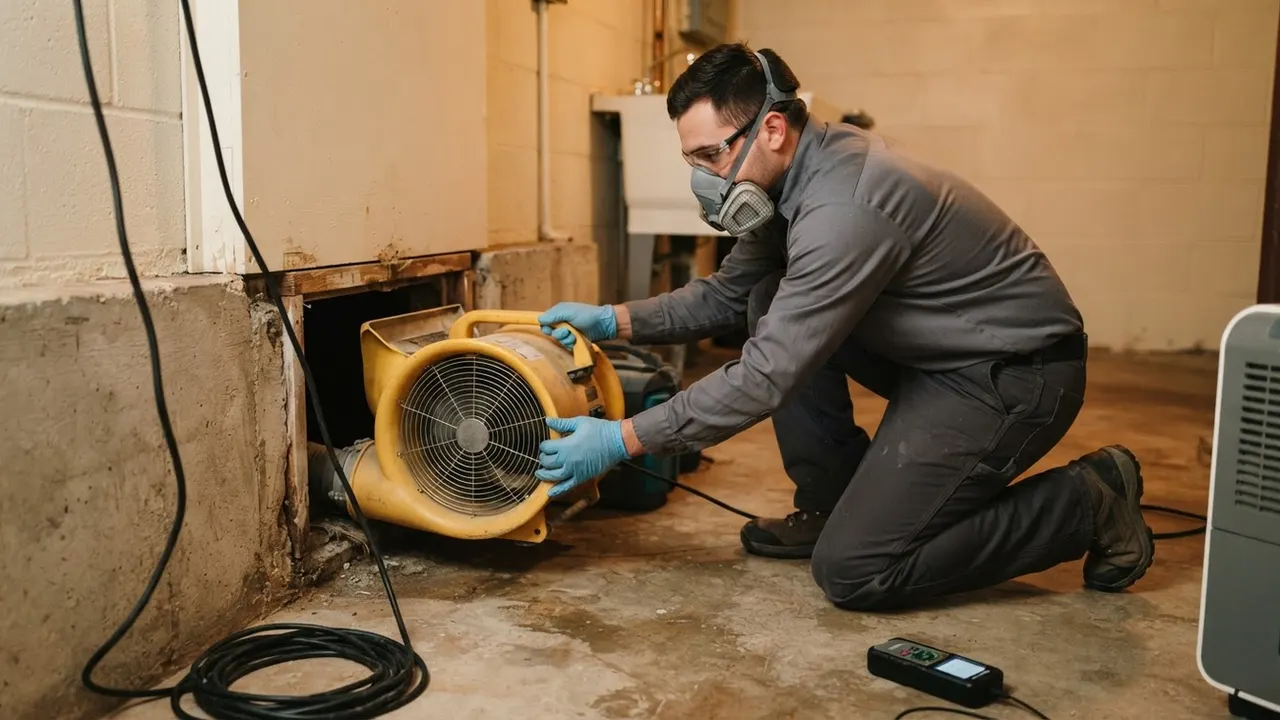
Crawl space water removal covers inspection, accessible standing-water extraction, drying equipment placement, and moisture checks for affected areas. We explain visible source conditions and document materials that need further repair. Work such as plumbing replacement, foundation repair, mold remediation, or replacement of damaged insulation is handled as a distinct repair need, identified during assessment and coordinated with the water-removal plan.
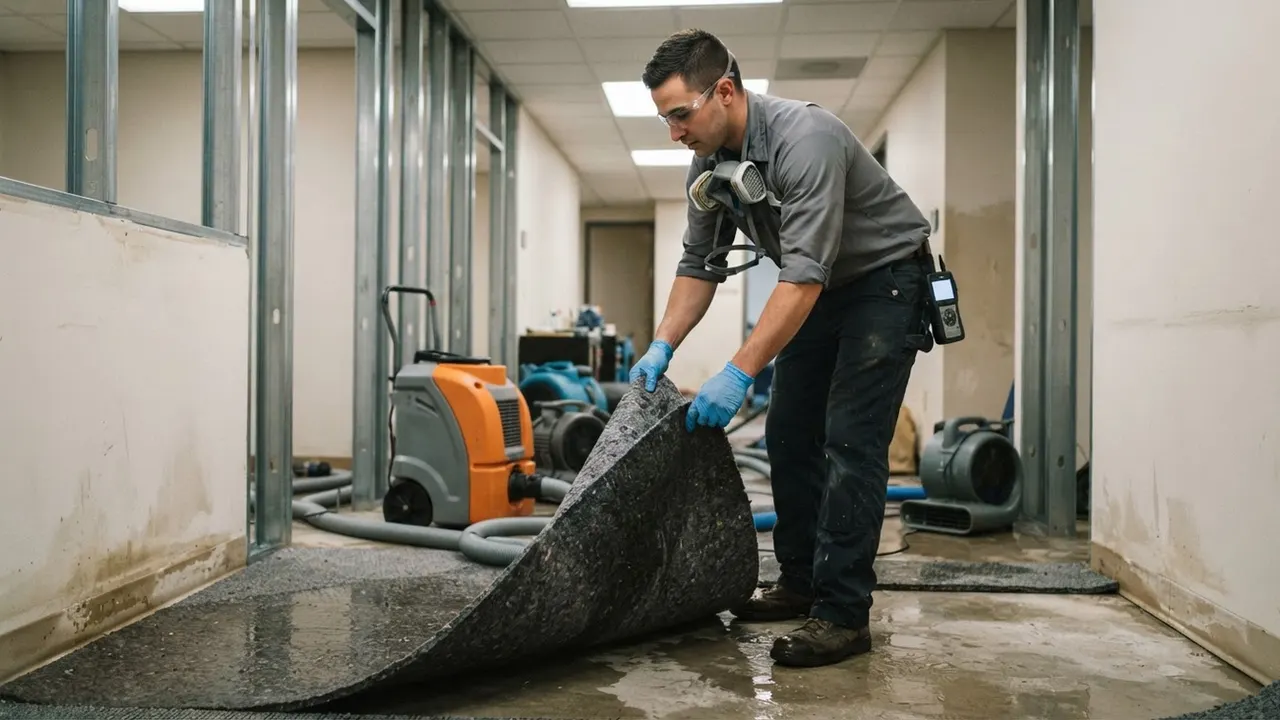
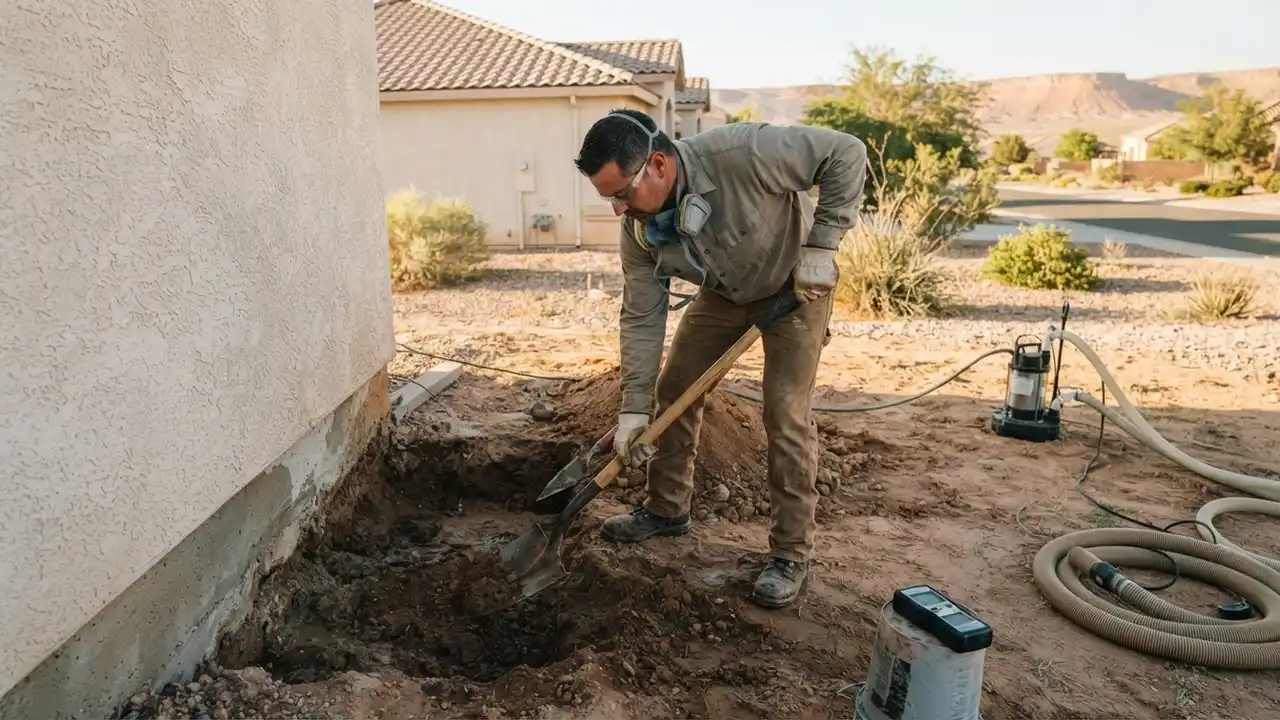
A wet crawl space can affect the floor structure, insulation, and indoor comfort before you see a stain upstairs. We inspect the source, remove accessible water, and explain the drying steps for your home.
A crawl space leak can disrupt tenants and complicate maintenance records for property owners. We document affected areas, coordinate access, and explain extraction and drying needs in practical terms.
Crawl space water removal Mesquite NV is water mitigation that extracts standing water and dries affected materials after a leak, seepage, or flooding event. We inspect the access area, identify visible water paths, and use a moisture meter to check framing and subfloor conditions. A water extraction unit removes accessible water; air movers and a dehumidifier then manage remaining moisture. We also document affected insulation and the vapor barrier, since trapped water beneath a home can keep wood damp even after the floor surface looks dry.
In Mesquite, a burst pipe, appliance leak, foundation leak, or storm flooding can send water into a low, enclosed space where it is easy to miss. Crawl space water extraction Mesquite service starts with finding whether the source is active, then separating clean water from sewage or other contaminated water. If you searched for crawl space water damage cleanup Mesquite NV, we assess the framing, insulation, and drainage before recommending removal, drying, or repair.
Remove the water, control the source, and verify that the structure is drying.
Crawl space water removal Mesquite NV follows a sequence: find the water source, remove standing water, dry the structure, and verify progress. We explain what we see before equipment goes in, protect the access route, and keep you informed as readings change. Active leaks and contaminated water require different handling from a clean plumbing leak.
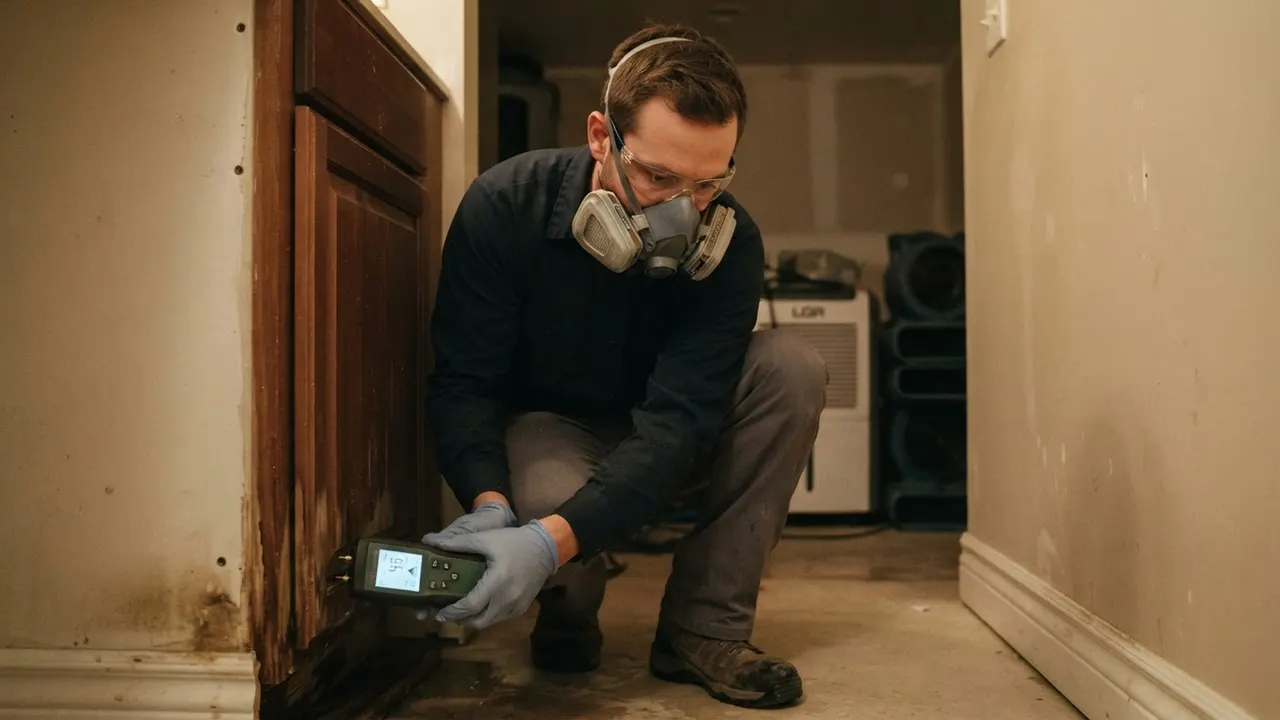
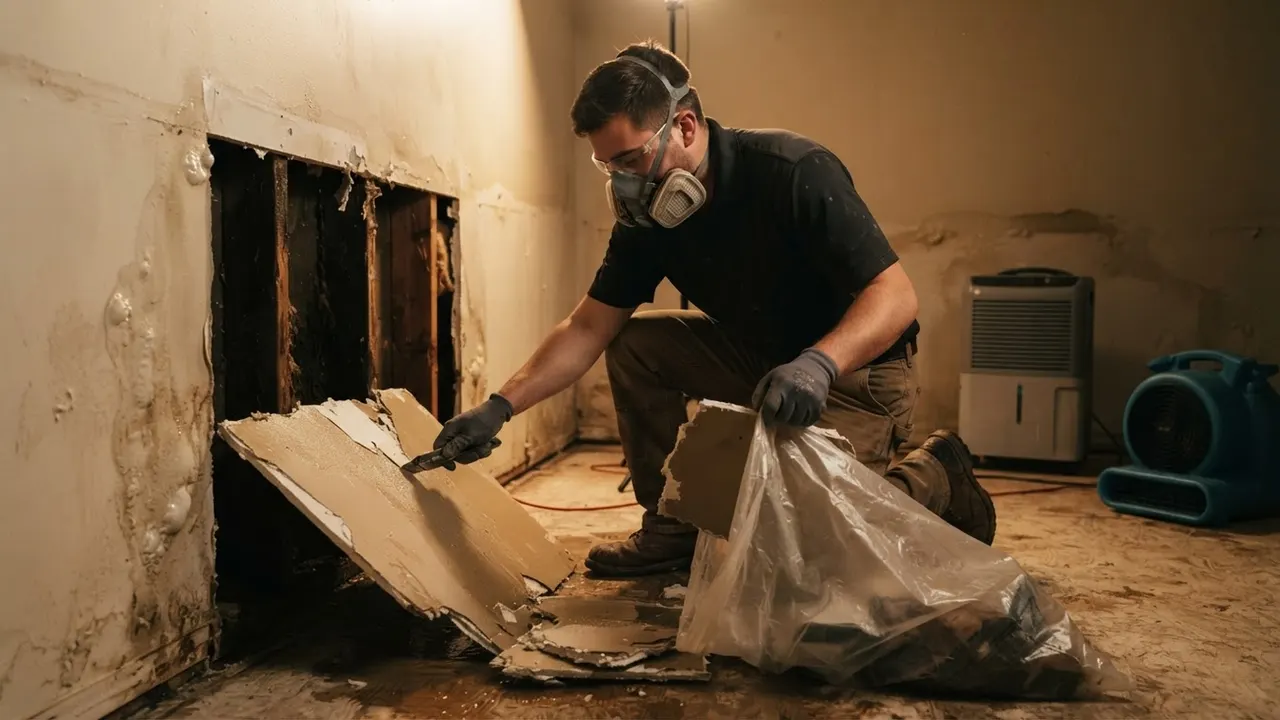
We begin by checking the crawl space entrance, visible plumbing, ground cover, and low points where water collects. A moisture meter and infrared thermometer help locate damp areas and temperature differences; a boroscope camera can inspect a concealed section when access is limited. You hear what we found, what appears to be the source, and what needs immediate attention.
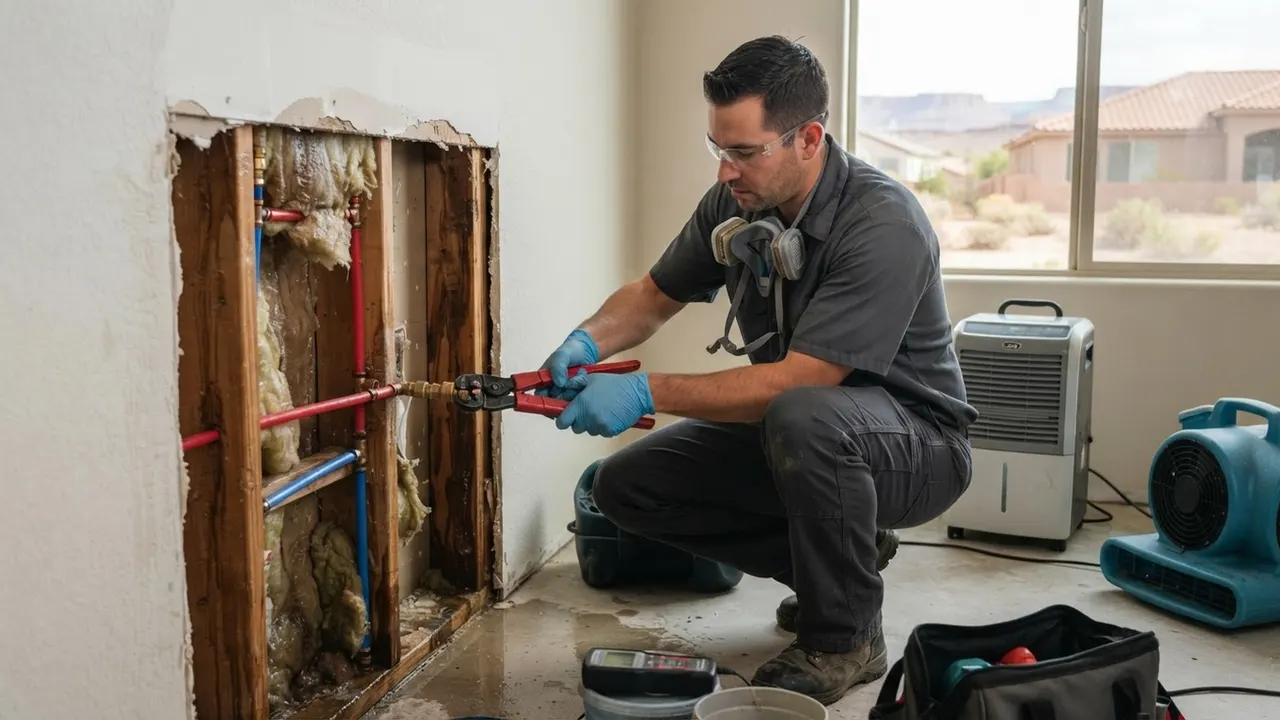
If water is still entering, we identify the likely source and coordinate the next action, such as shutting off a leaking supply line or arranging plumbing repair. We distinguish a burst pipe from a roof leak or foundation seepage because each calls for a different fix. Stopping new water is essential before extraction and drying can produce a lasting result.
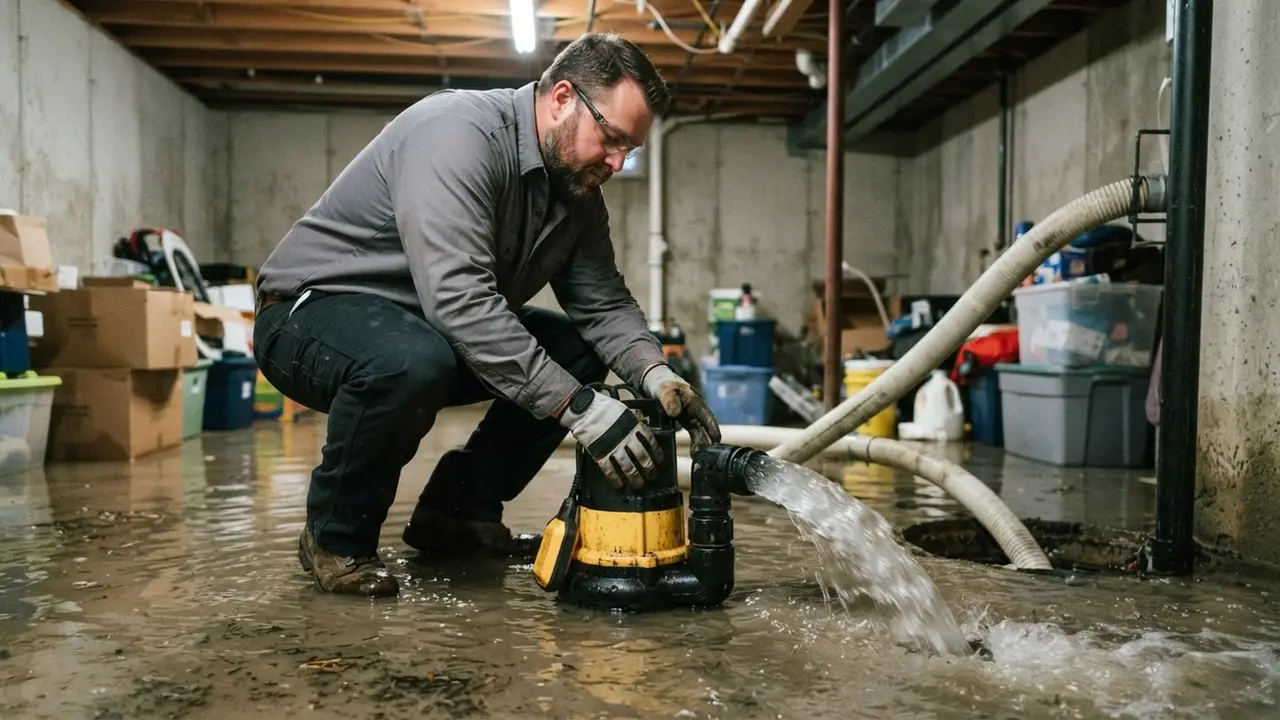
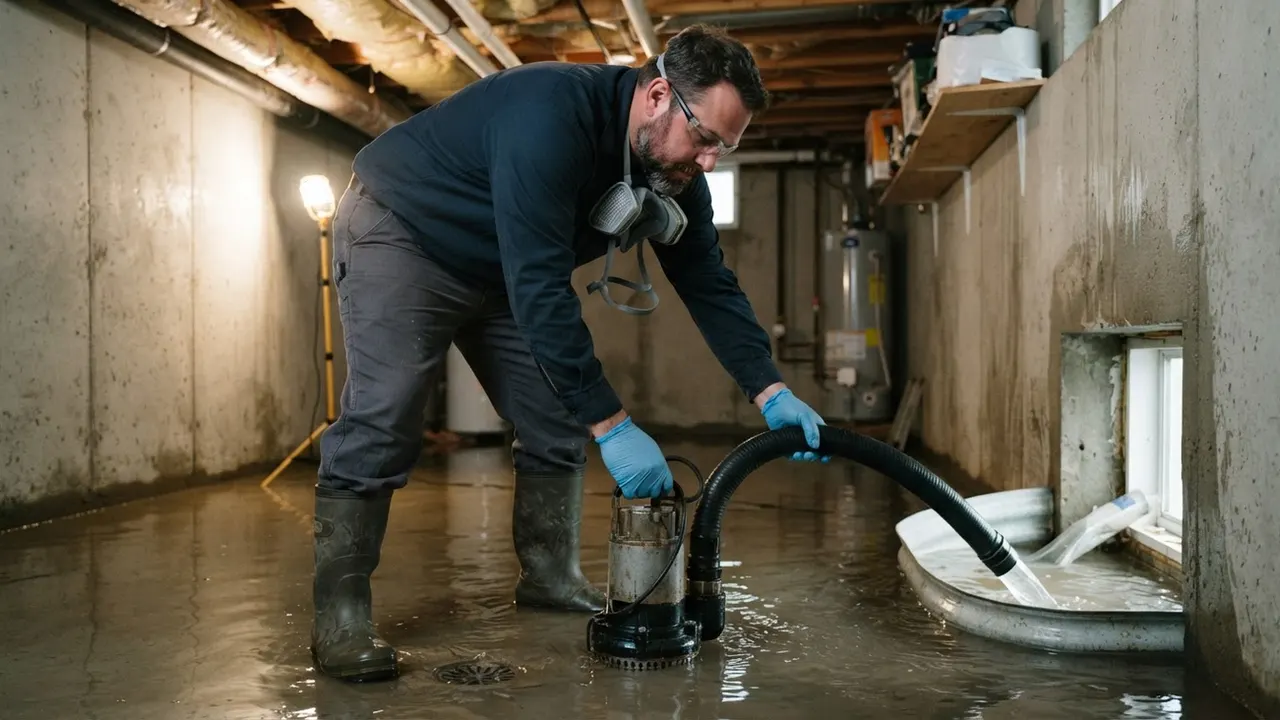
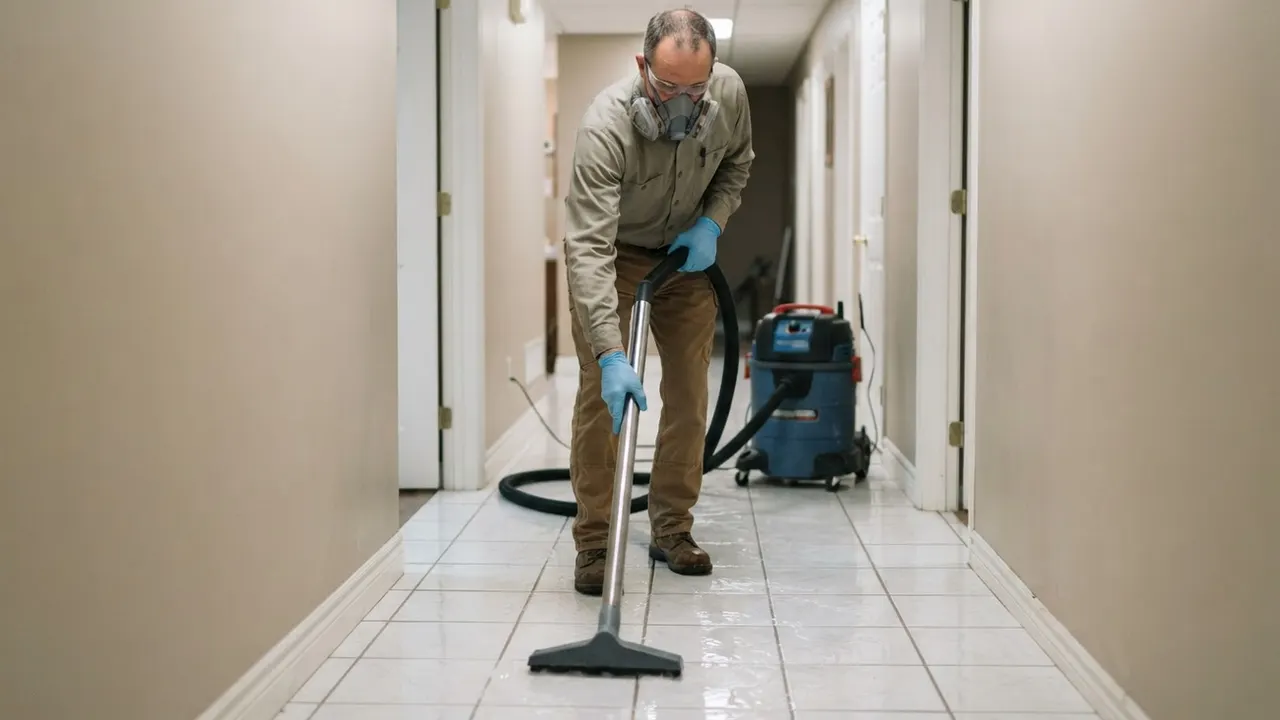
Our team removes accessible water with a water extraction unit suited to the depth and conditions. For clean water, we clear low spots and check beneath loose insulation where reachable. Sewage or contaminated water needs controlled handling and appropriate protective measures. Most straightforward extraction work takes several hours, while larger or obstructed spaces require more time.
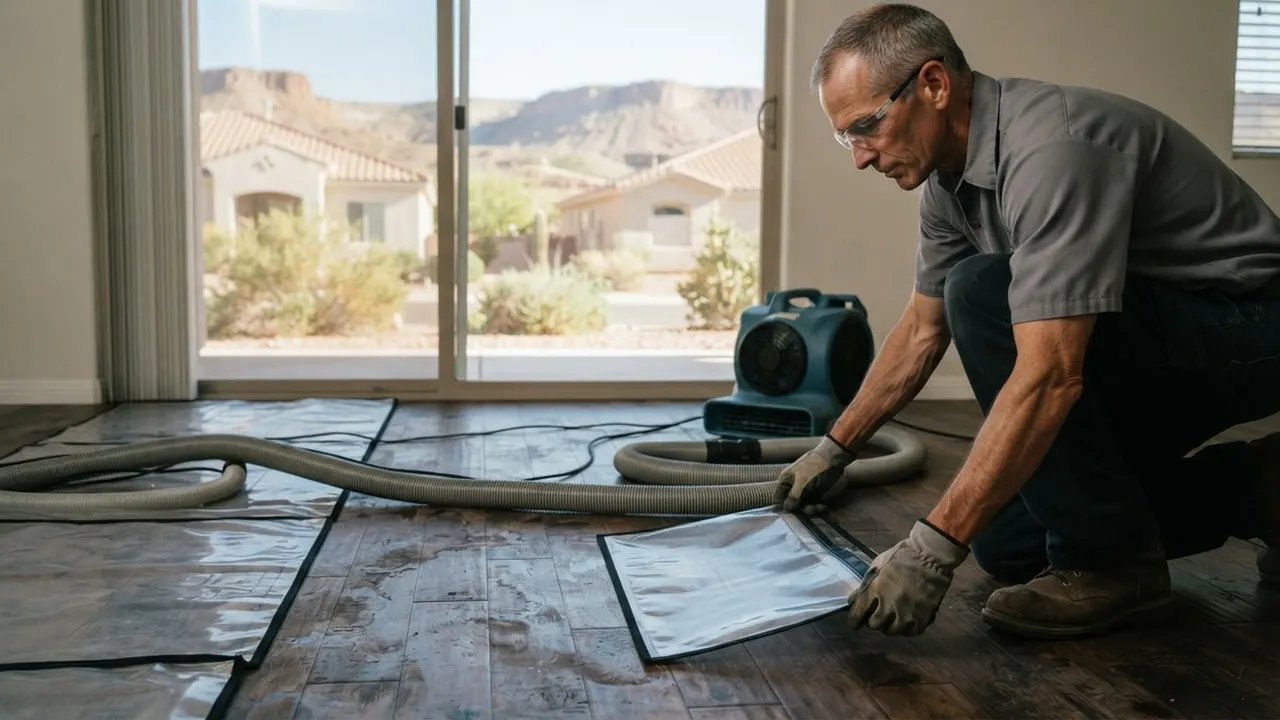
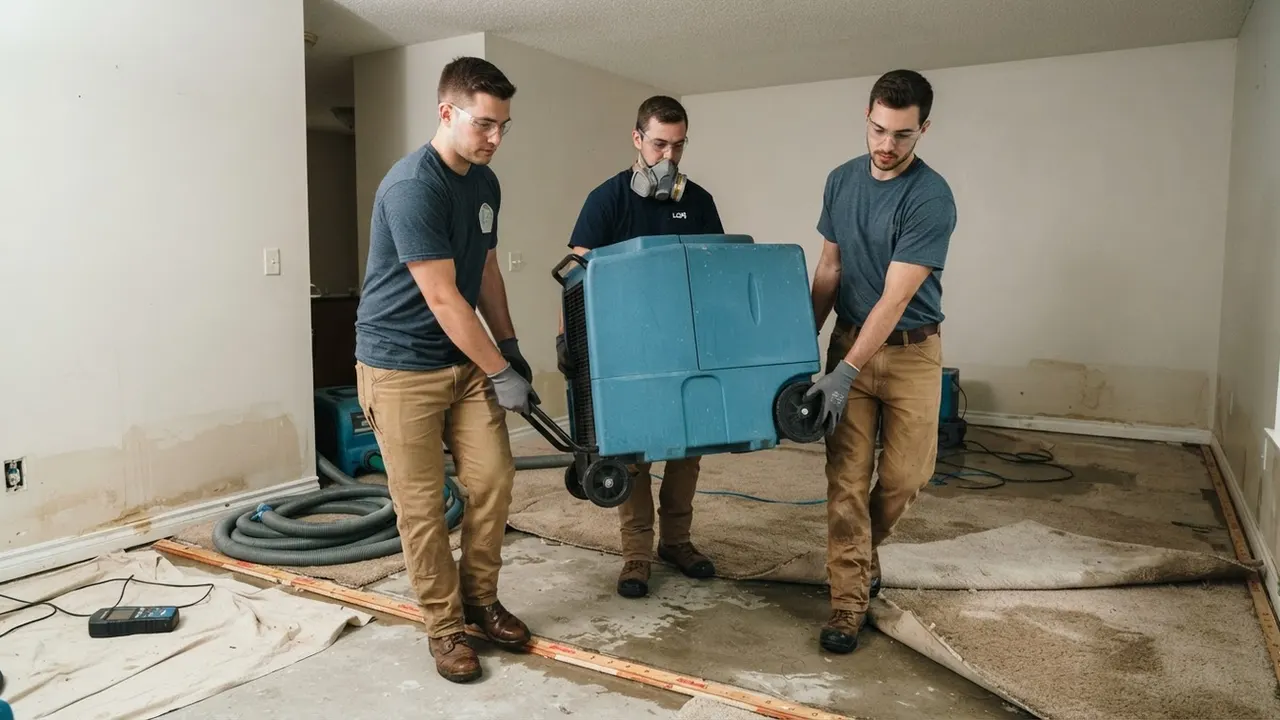
We place air movers to circulate air across damp framing and use a dehumidifier to remove moisture from the enclosed space. Equipment placement accounts for access, electrical safety, and the affected footprint. We record initial readings and explain what the sound and airflow mean, so you know what to expect during the drying period.
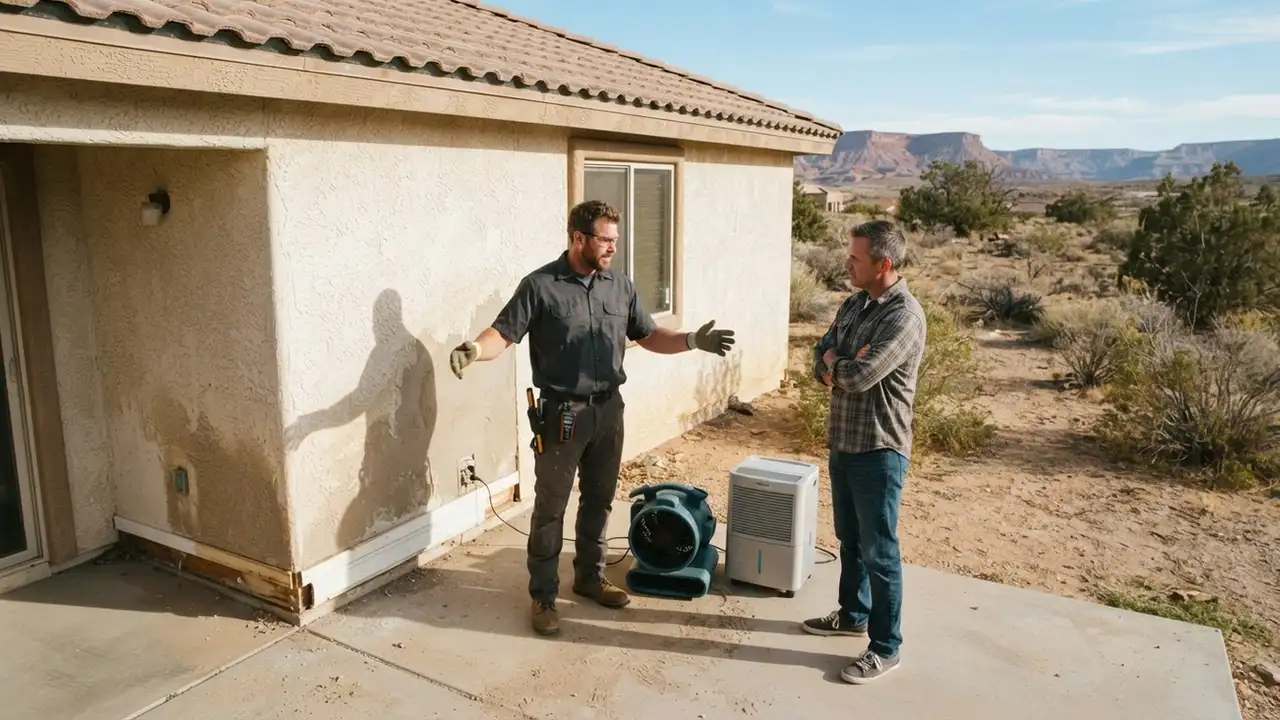
We return to compare moisture readings and adjust equipment as conditions change. Drying often takes 3 to 5 days, but material type, water volume, and airflow affect the timeline. Once readings stabilize, we explain whether insulation, plywood, or the vapor barrier needs repair, and identify any remaining source or drainage issue.
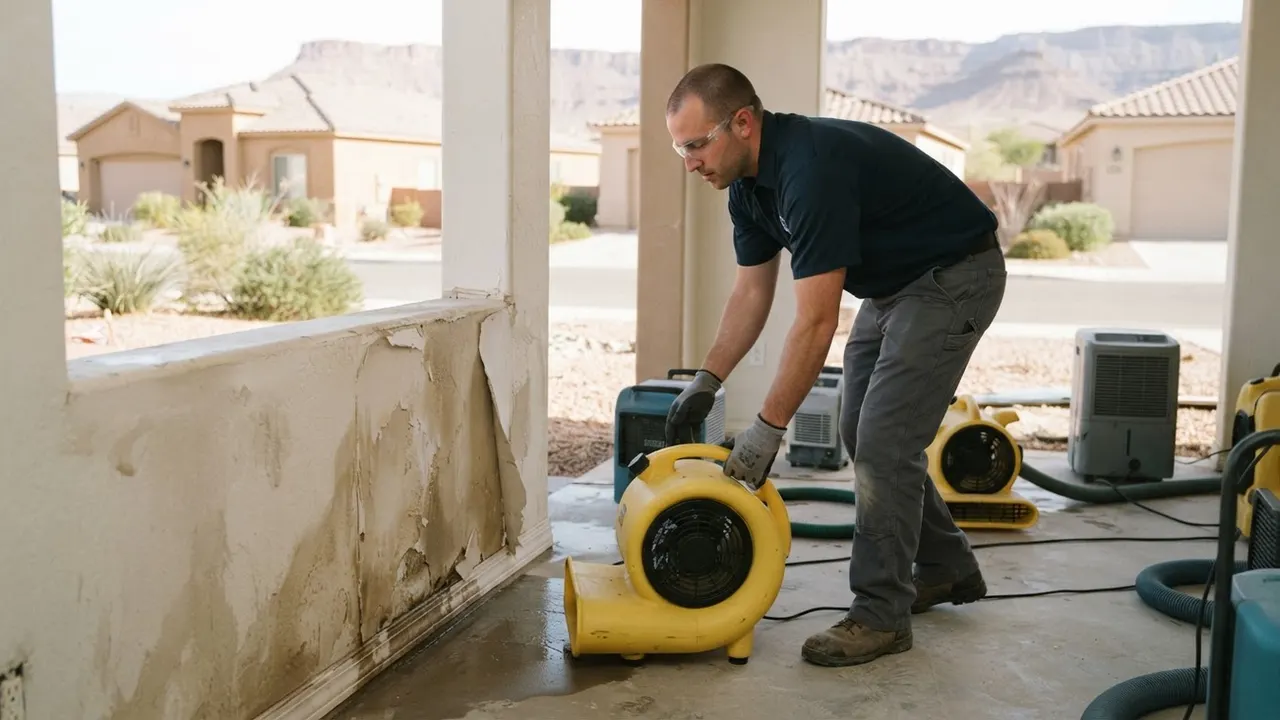
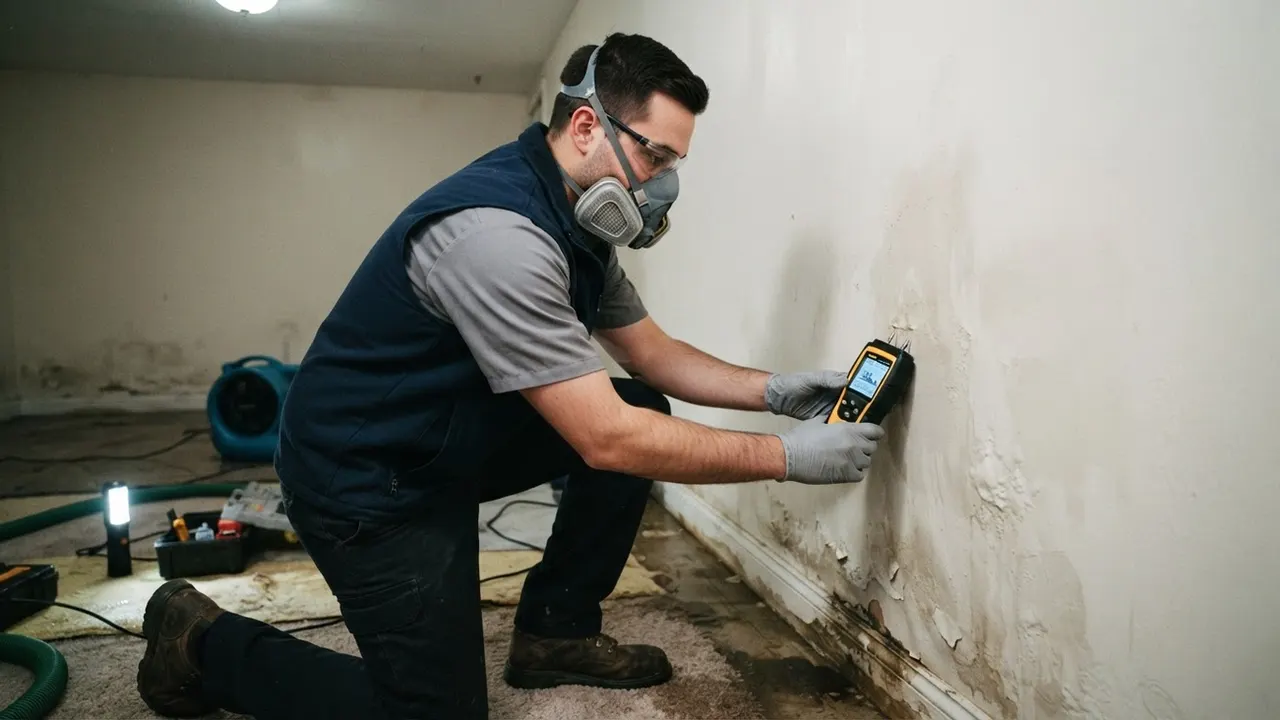
We check framing and subfloor moisture at selected points, then compare later readings to see whether drying is progressing.
This equipment removes accessible pooled water from low areas where a standard wet vacuum cannot reach effectively.
Directed airflow helps move moisture away from damp framing and supports evaporation across affected surfaces.
A dehumidifier removes moisture from the enclosed air, helping control humidity while wet materials release water.
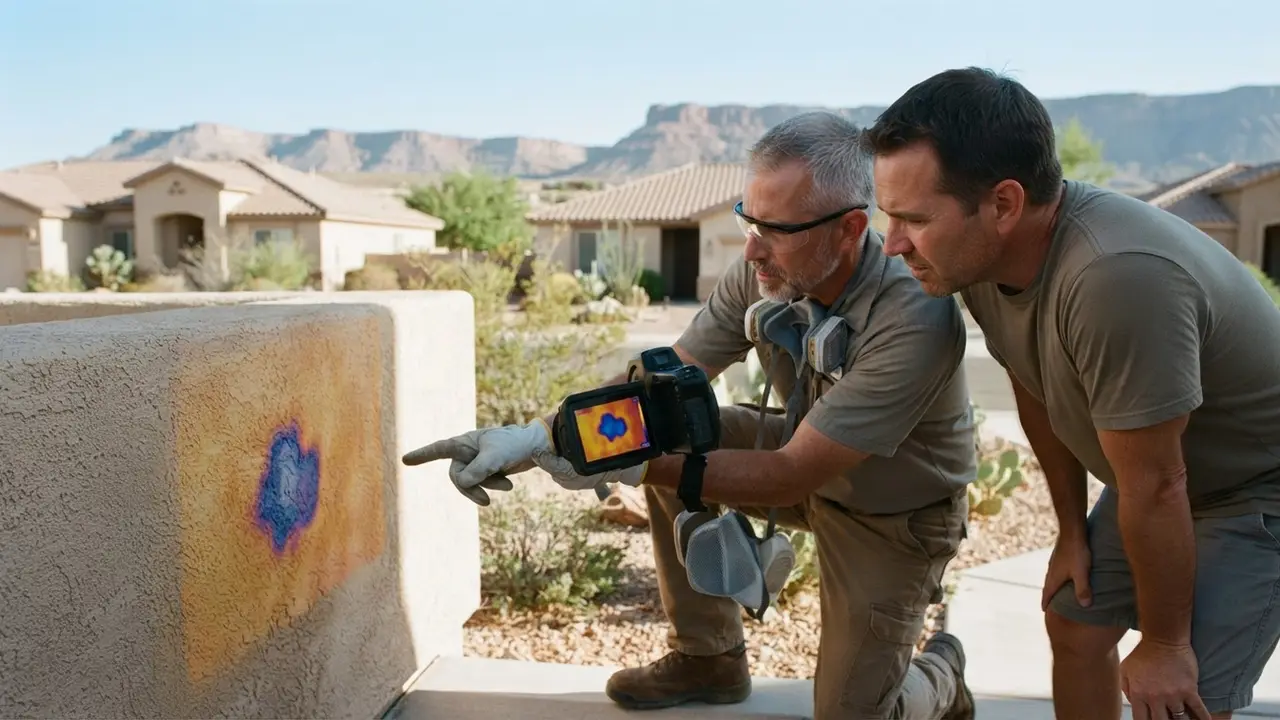
We use temperature patterns to help identify areas that warrant closer moisture checks, then verify findings with direct measurements.
Where conditions call for airborne particle control during cleanup, an air scrubber helps filter air around the work area.
We identify whether the water source is active before starting full drying. That may mean isolating a leaking pipe, recording a foundation entry point, or distinguishing clean water from sewage. Removing the source prevents new water from undermining extraction and keeps the repair plan tied to the actual cause.
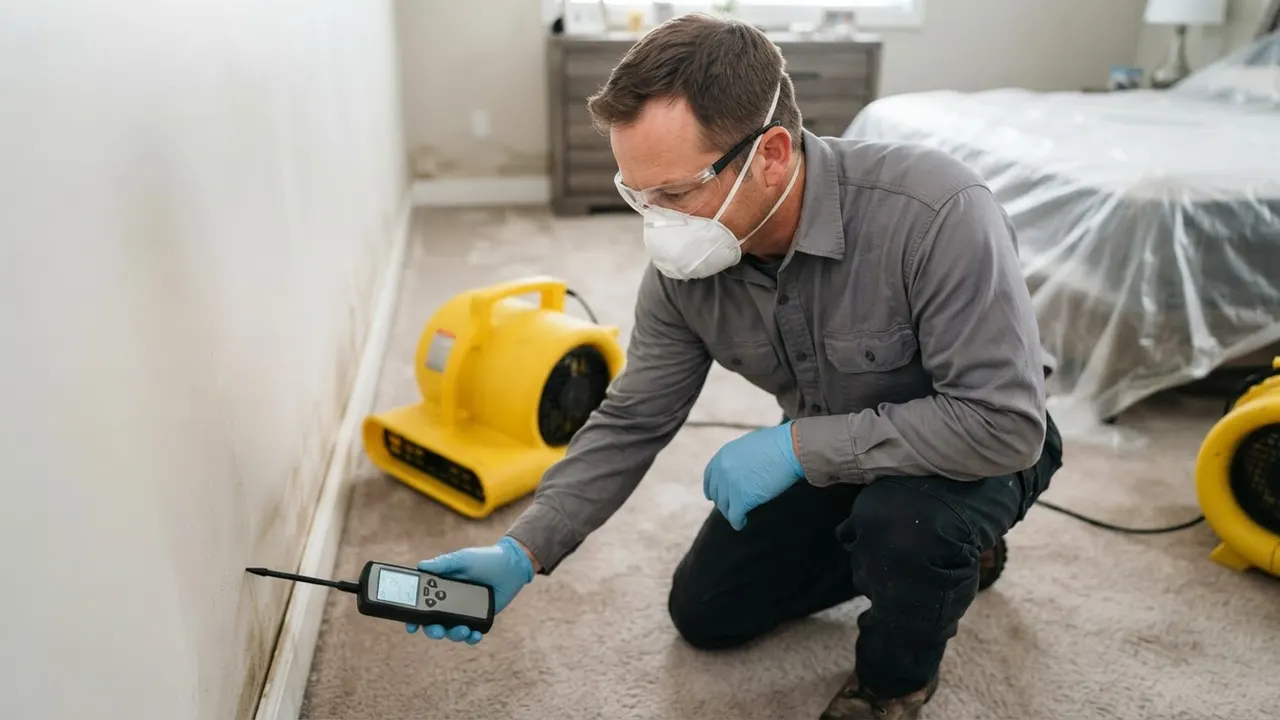
We remove standing water first, then use air movement and dehumidification to address moisture held in building materials. Equipment placement reflects the size and access of the affected area. Moisture readings guide adjustments, rather than running equipment for an arbitrary period.
We help identify the affected area, determine whether water is still entering, and remove accessible standing water after the source is controlled. Our team checks nearby insulation and framing, then places drying equipment based on the moisture readings and available access. You get the active water removed, a drying plan for the structure, and clear information about any plumbing or material repair still needed.
We inspect the vapor barrier, foundation edges, and low points where water collects. We extract pooled water, assess wet materials, and explain whether the entry path points to runoff, a leak, or another issue requiring repair. The space is no longer left with unaddressed pooled water, and you have documented findings to guide drainage or foundation work.
We treat contaminated water differently from a clean pipe leak, assess the affected area, and use appropriate handling for removal and cleanup. We identify porous materials that require removal and coordinate drying after the contamination issue is addressed. You receive a defined cleanup path that accounts for contamination, affected materials, and the steps needed before the space is returned to normal use.
We check accessible plumbing and foundation areas, map moisture in the affected materials, and look for signs of a roof or appliance leak route. Once we identify the likely source, we explain extraction, drying, and repair priorities. You can make decisions from observed conditions and readings rather than guessing whether the discoloration is active or old damage.
Crawl space drying Mesquite NV must account for the source of water, restricted access, and how quickly the enclosed space can release moisture. In Mesquite, a winter pipe failure, a storm runoff event, or a slow leak below a laundry area can create very different conditions. Our team checks the water path and the condition of framing, insulation, and the vapor barrier before choosing equipment. Dry air outside does not prove that a closed crawl space is dry; trapped moisture still needs measured airflow and humidity control. For emergency crawl space drying in Mesquite, Nevada, we start by finding active water and identifying any contamination, then extract and dry affected materials. We document readings and visible conditions so repair decisions have a factual basis. If water has reached electrical components or a sewage line, we account for that hazard before entering. The property's construction, access height, and amount of stored material affect how quickly work can proceed.
A slow pipe leak left standing water below the laundry room and dampened insulation between the joists. The floor above showed no obvious stain, but a musty odor had started near the access hatch. The source was still active, and the wet area extended beyond the visible puddle.
After the plumbing source was controlled, the crew extracted pooled water and set air movers with dehumidification. Follow-up readings over four days showed moisture falling at checked joists and the subfloor. Wet insulation was identified for replacement, and the owner had photographs and a record of the affected area.
Check visible plumbing connections twice a year and after appliance work. Keep the crawl space access clear, and look for new odor or dampness after a leak. Ask for prompt inspection if a water bill rises without explanation.
After a period of rain, water had collected along one side of the crawl space. Soil and debris covered part of the vapor barrier, and the homeowner was unsure whether the water came from runoff or a pipe. A damp odor remained even after the rain stopped.
We removed accessible standing water, checked nearby plumbing, and documented the likely foundation entry path. Drying equipment ran for three days while readings were monitored. The homeowner received a clear distinction between the completed extraction and the drainage repair needed to address future runoff.
Keep the foundation edge visible and check for soil or debris blocking drainage paths. After heavy rain, inspect the access area for new water or displaced barrier material, and address recurring entry rather than relying on repeated drying.
A drain backup sent contaminated water into a crawl space and soaked insulation near the affected line. The homeowner noticed water at the access point but could not see how far the material had been exposed. The area required controlled handling rather than ordinary clean-water drying.
The team assessed the contamination, removed accessible water, and identified insulation that could not remain in place. Cleanup and drying proceeded with the affected zone isolated. Follow-up checks confirmed the remaining framing was drying, and the owner had photographs to coordinate the next repair.
Keep drain lines and cleanouts accessible, and respond quickly to a backup. Do not disturb contaminated insulation before the area is assessed. After repairs, check for recurring odor or seepage and report changes promptly.
Crawl space water damage cleanup Mesquite NV addresses more than visible puddles. Water can soak insulation, stain framing, and leave a musty odor beneath a floor. We identify the source, remove accessible water, and track drying so you can deal with damage before it extends into adjoining materials.
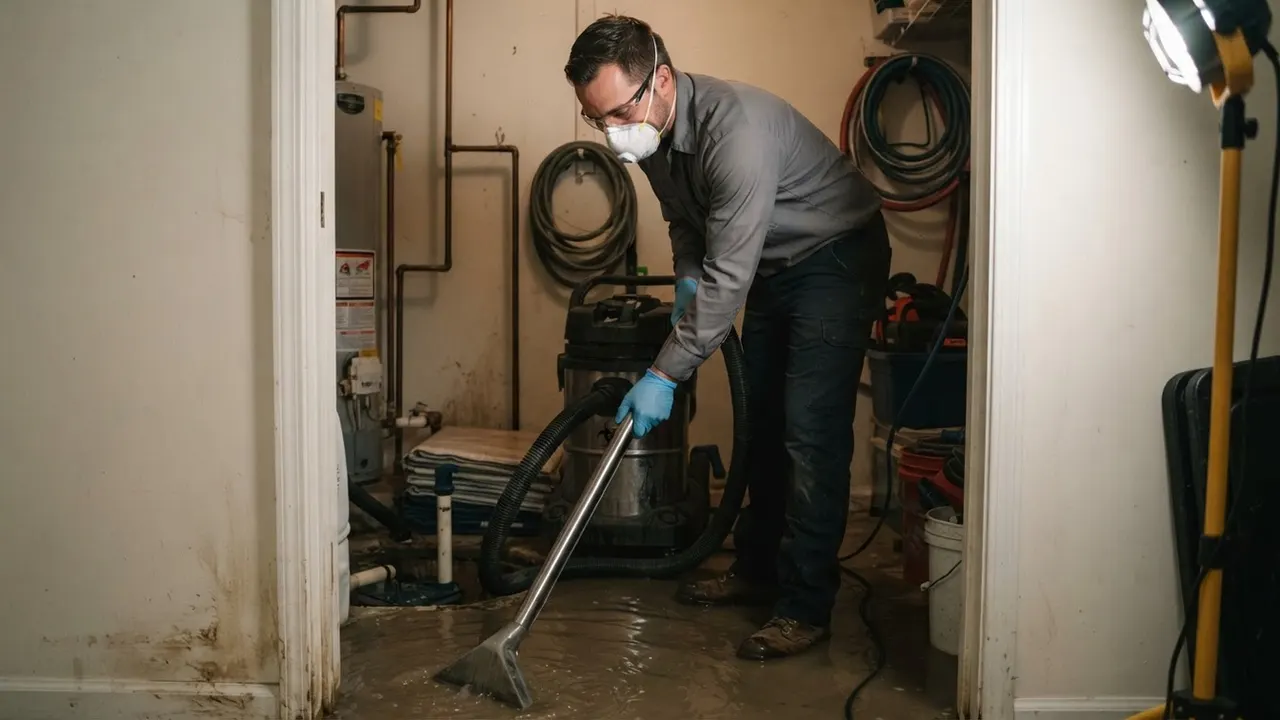
We locate the wet area, confirm whether the plumbing source is still active, and remove accessible standing water. Then we position drying equipment and take repeat readings at affected framing. You receive a clear explanation of any insulation or subfloor sections that need repair. Water can keep insulation and framing damp, and the enclosed space may retain humidity after the leak stops. Delayed drying makes it harder to judge which materials can remain.
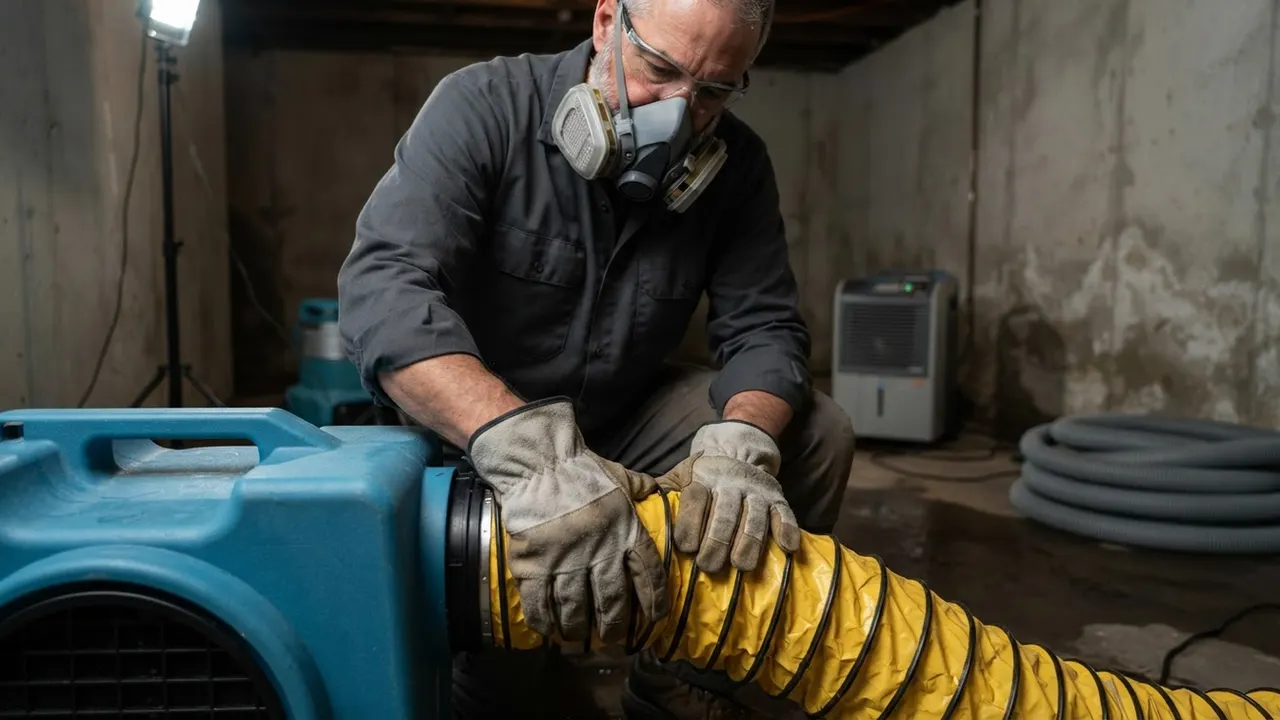
We inspect for damp insulation, standing water, and visible growth, then connect findings to the likely entry route. Our team dries the space after extraction and explains whether separate cleaning or material removal is appropriate for the affected area. Odor can point to damp materials or contaminated water below the living space. Covering the smell without correcting the moisture source leaves the underlying condition in place.
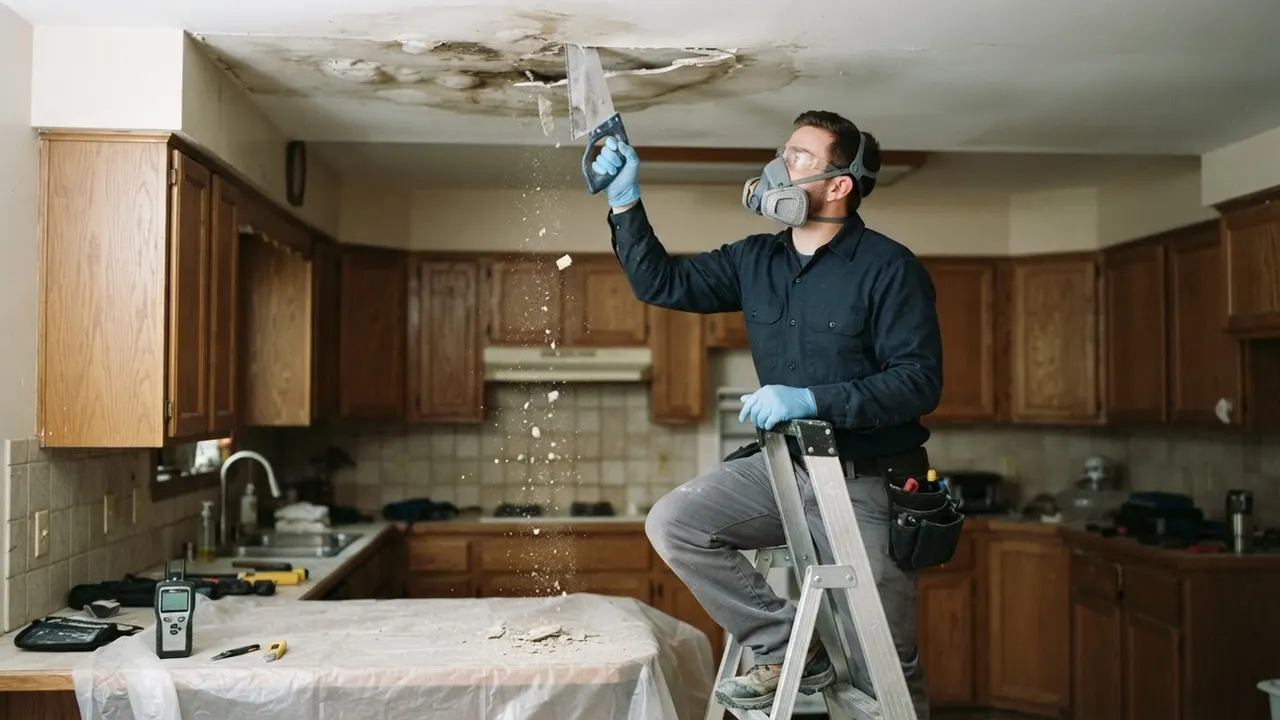
We remove water and document the suspected entry point, then assess the barrier and affected materials. Drying addresses the current moisture; drainage or foundation work addresses the route. We explain which repair is needed to reduce recurrence. Repeated water entry can displace the vapor barrier and leave sediment or wet insulation behind. Another rain event can add water before the first area has dried.
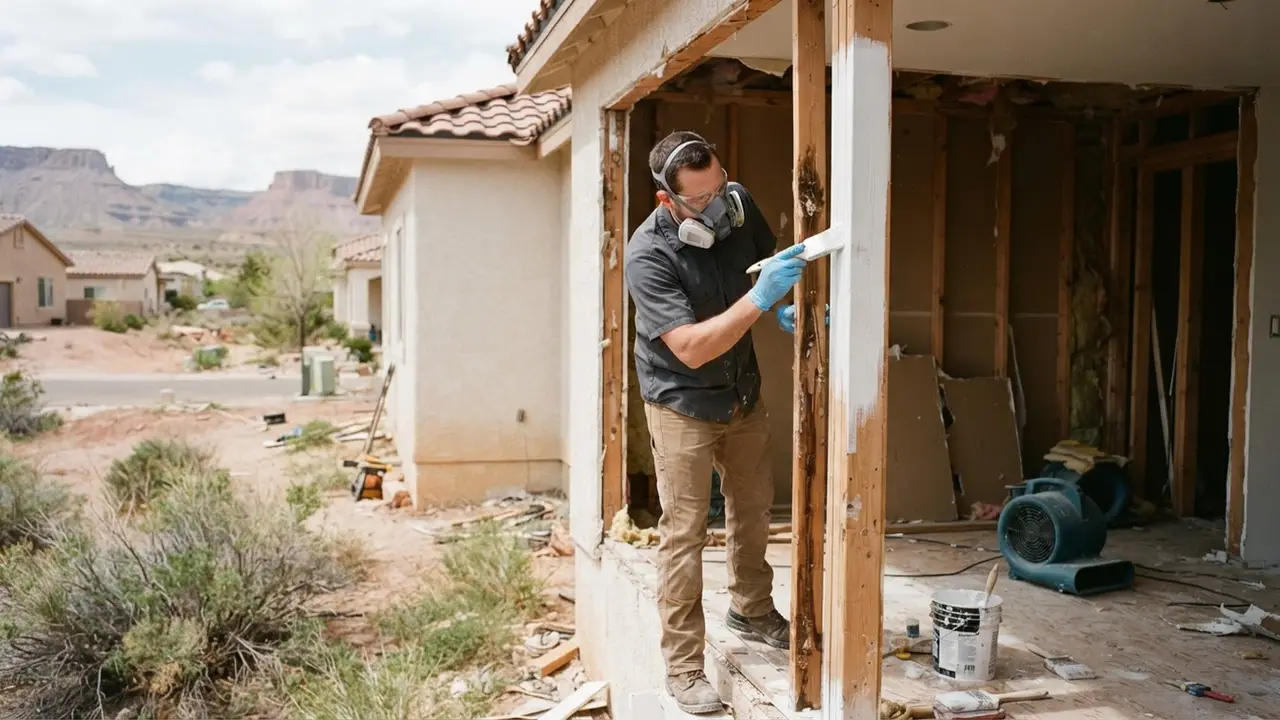
We inspect accessible sections, use moisture readings to map affected areas, and check the likely plumbing path. Where insulation blocks inspection or cannot dry effectively, we explain removal and replacement needs after the leak is controlled. Insulation can conceal a dripping pipe or hold water against the floor structure. The room above may look normal while moisture remains out of sight.
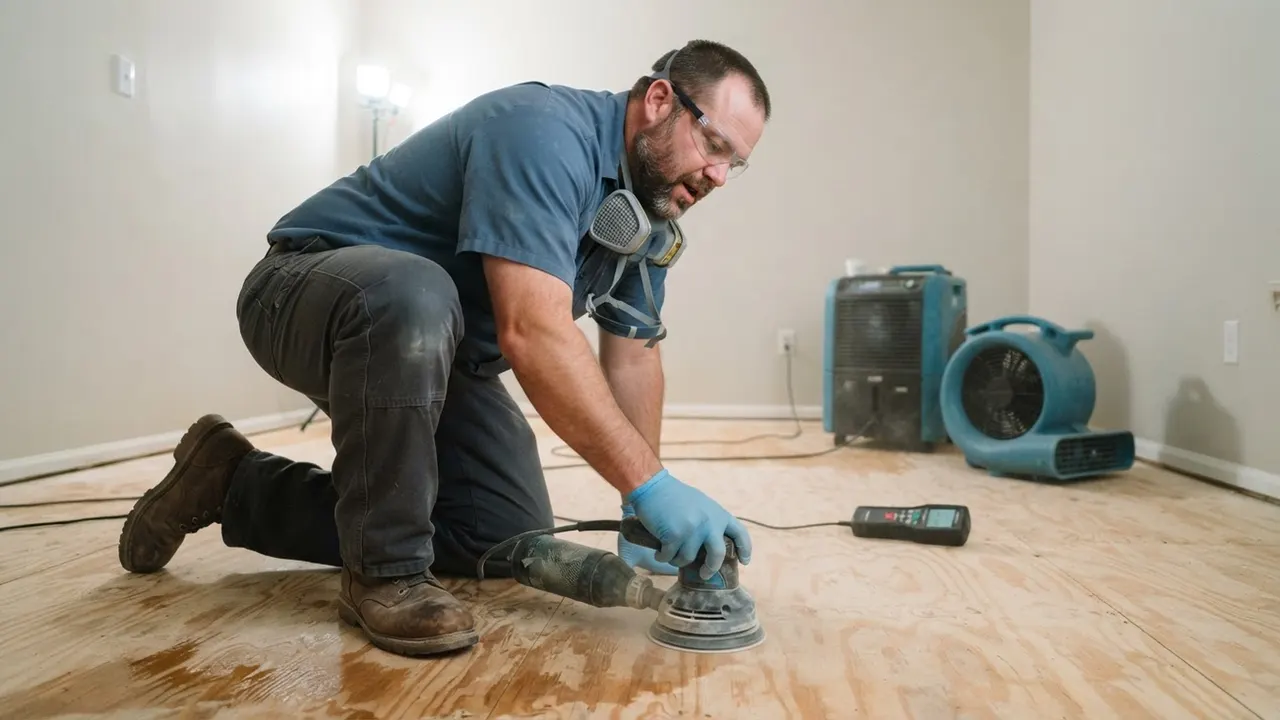
We extract pooled water and set equipment according to measured conditions, not guesswork. In a small affected area, extraction may take a few hours; controlled drying can continue for several days. A hygrometer helps us follow humidity, while repeat readings show whether framing is moving toward a dry condition.
Water in a crawl space can come from a leaking supply line, roof drainage, or a foundation opening. We trace the wet path and note active leaks before drying. That distinction matters: removing water without correcting its entry point leaves you vulnerable to another cleanup after the next storm or plumbing failure.
Wet insulation, damaged plywood, and a displaced vapor barrier do not all require the same response. We inspect each affected section and document what can dry in place and what needs removal. This keeps the repair focused instead of replacing sound material or leaving saturated material concealed.
You receive a practical account of affected areas, extraction, equipment placement, and follow-up readings. When a claim is involved, dated photographs and moisture readings help explain the work performed. We can also prepare itemized documentation using Xactimate where appropriate for the property and claim.
Clear records you can keep and share.
Locations, observed water, and visible material conditions.
Recorded checks to follow drying progress.
Extraction, drying, and repair needs explained.
Removing standing water is the first part of crawl space recovery. Damp framing and insulation still need airflow, humidity control, and follow-up measurement.
A water extraction unit removes accessible pooled water. It does not prove that moisture inside framing or insulation is gone.
Air movement and dehumidification help materials release retained moisture. Equipment is adjusted as readings and conditions change.
Repeat moisture checks show whether affected materials are drying. Visible dryness alone is not a reliable measurement.
Outside these neighborhoods? Call and ask about service in your area. (833) 546-4116
Most straightforward jobs may vary depending on water volume, access, contamination, and drying time. The price for crawl space water removal Mesquite NV also changes if insulation or the vapor barrier needs removal, or if a plumbing or drainage repair is required. We inspect the affected space and explain the cost drivers before work proceeds. These are planning ranges, not a fixed quote.
Common causes include a burst pipe, leaking appliance line, roof runoff, foundation seepage, or a damaged vapor barrier. Mesquite NV crawl space water damage can also follow storm flooding or a sewage backup, and each source requires a different response. Check for active dripping, standing water, wet insulation, or a musty odor. We trace the likely entry path and determine whether water is still entering.
We remove standing water, position air movers and a dehumidifier, then verify progress with repeat moisture readings. Emergency crawl space drying in Mesquite, Nevada starts by controlling the water source and identifying affected materials. Drying often takes 3 to 5 days, though deeper saturation and limited airflow can extend the timeline. We explain equipment placement and check framing and subfloor conditions before calling the work complete.
Coverage depends on your policy, the water source, and the circumstances of the damage; sudden pipe failures may be treated differently from gradual seepage or maintenance issues. We document the affected area with photographs, notes, and moisture readings to support your claim discussion. Your insurer makes the coverage decision. If you need crawl space water damage cleanup Mesquite NV, we can explain the work performed and provide available job documentation.
If water is pooling below your home, call Mesquite Water Damage Company at (833) 546-4116. Our team will ask what happened, assess the affected space, and explain the next step. We serve Mesquite, Nevada, including properties across Clark County.
Call (833) 546-4116 to explain what happened and where water is collecting. We take calls for water damage requests and connect you with an independent company that can discuss service details directly. If the leak is active, shut off the source when safe and tell us whether the water reached electrical equipment, flooring, or more than one room.