Damage Record
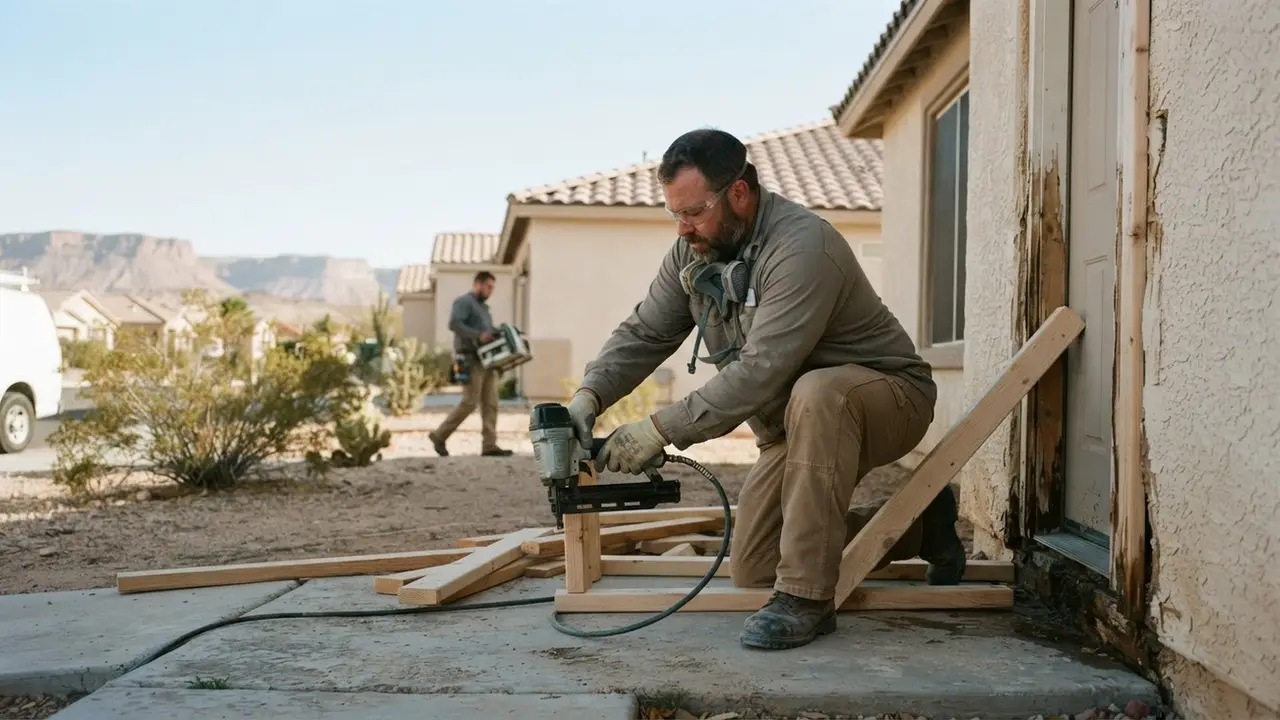
Photos and notes describing visible conditions.
Emergency Water Damage Repair in Mesquite helps homeowners, tenants, and local businesses limit damage after a burst pipe, appliance leak, storm flooding, or sewage backup. Our team locates affected areas, removes standing water, and starts controlled drying so damp drywall, flooring, and insulation do not stay wet longer than necessary. Call Mesquite Water Damage Company at (833) 546-4116 when water is actively spreading or a room cannot be safely used.
Emergency Water Damage Repair in Mesquite covers initial inspection, water extraction, protection of unaffected areas, and a drying plan for affected materials. We explain what the readings show and identify visible repair needs. Cleaning or removal for sewage contamination, reconstruction, plumbing repairs, and mold remediation may require additional work based on the source and condition. We keep the immediate mitigation focused on stopping active damage and stabilizing the property.
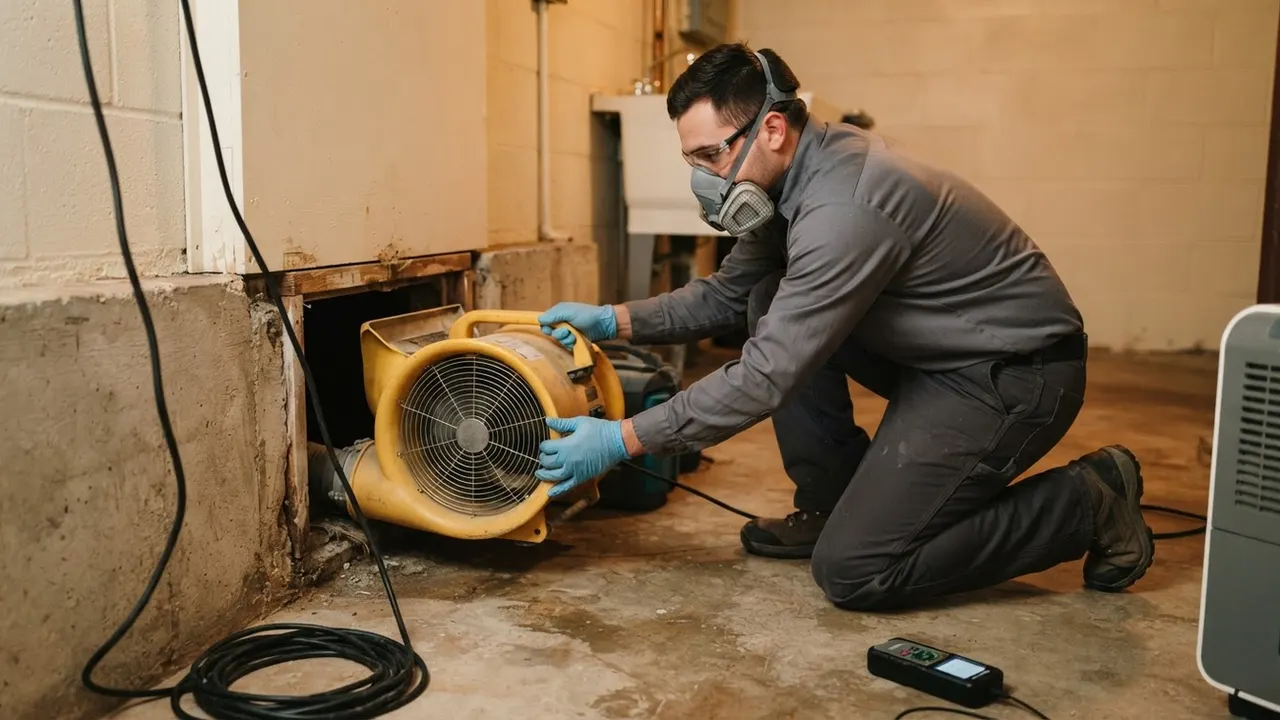
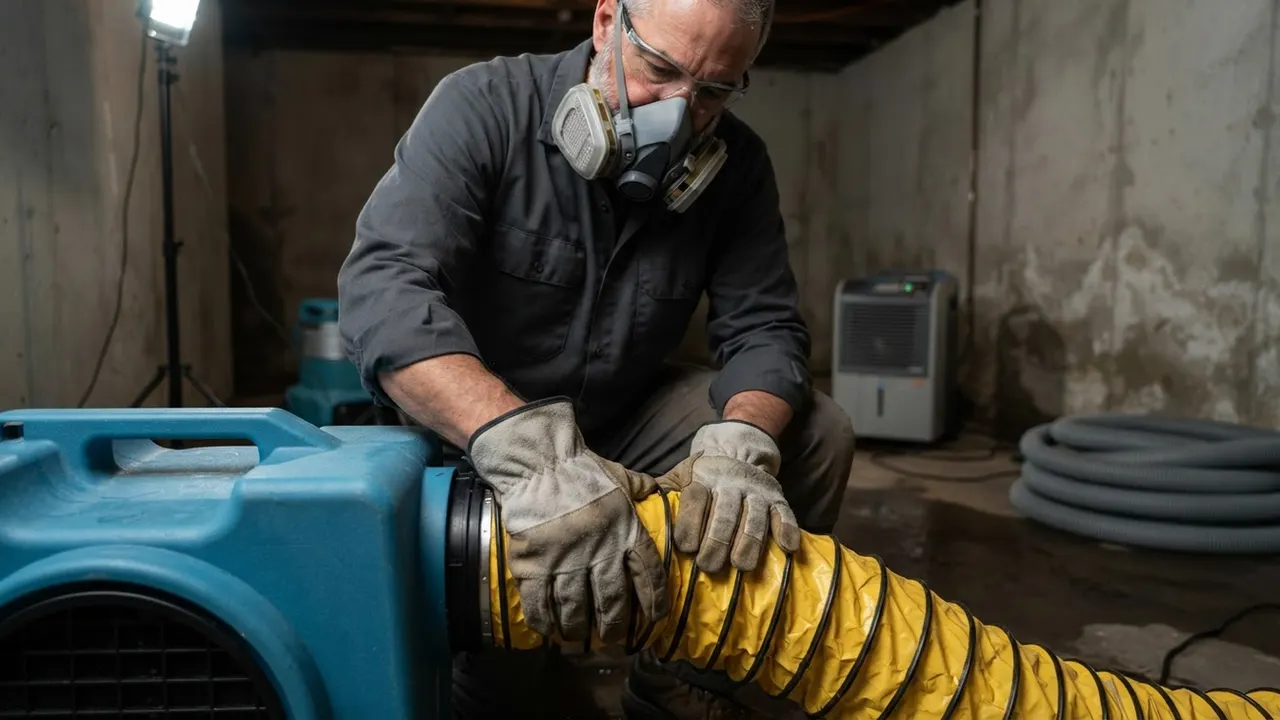
A leak can disrupt your home before you know how far water has traveled. We protect dry belongings, check affected rooms, and explain what needs extraction, drying, or repair.
Water damage can interrupt staff, customers, and building access. We map affected areas, protect contents, and plan extraction and drying around the usable parts of your property.
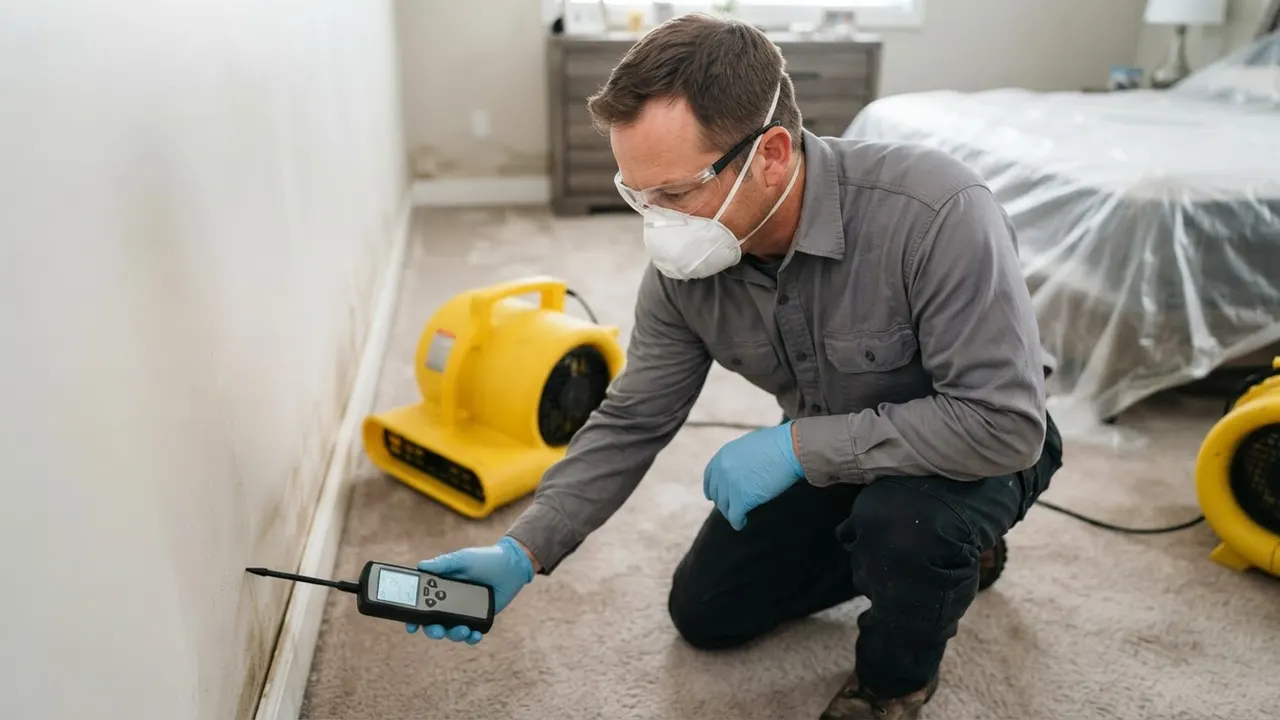
Emergency Water Damage Repair in Mesquite is a water mitigation service that removes unwanted water and stabilizes wet building materials after a leak or flood. We begin by identifying the water source and documenting visible conditions, then extract standing water and measure moisture in floors, walls, and adjoining rooms. A moisture meter helps distinguish damp material from dry material; targeted air movement and dehumidification follow when needed. The immediate goal is to reduce continuing damage, protect unaffected areas, and give you a clear picture of what must be dried, removed, or repaired.
Mesquite homes and businesses face sudden losses from failed supply lines, water heaters, roof leaks, and storm runoff. Dry indoor air does not mean water trapped beneath hardwood flooring or behind baseboards has evaporated; hidden dampness can create a musty odor or mold growth. For urgent water damage restoration Mesquite NV property owners need a quick first response, we check adjoining rooms and lower wall sections rather than drying only the visible puddle. If you searched for emergency water damage repair Mesquite NV near me, call with the source, affected rooms, and whether electricity is involved.
We remove standing water, measure what remains, and dry materials according to their condition.
Emergency Water Damage Repair in Mesquite follows a practical sequence: make the area safer, locate the source, extract water, dry materials, and check progress. Your technician explains what is happening as work moves from the first inspection to the final moisture check. Timing depends on the area and materials, but you will know which step is underway.
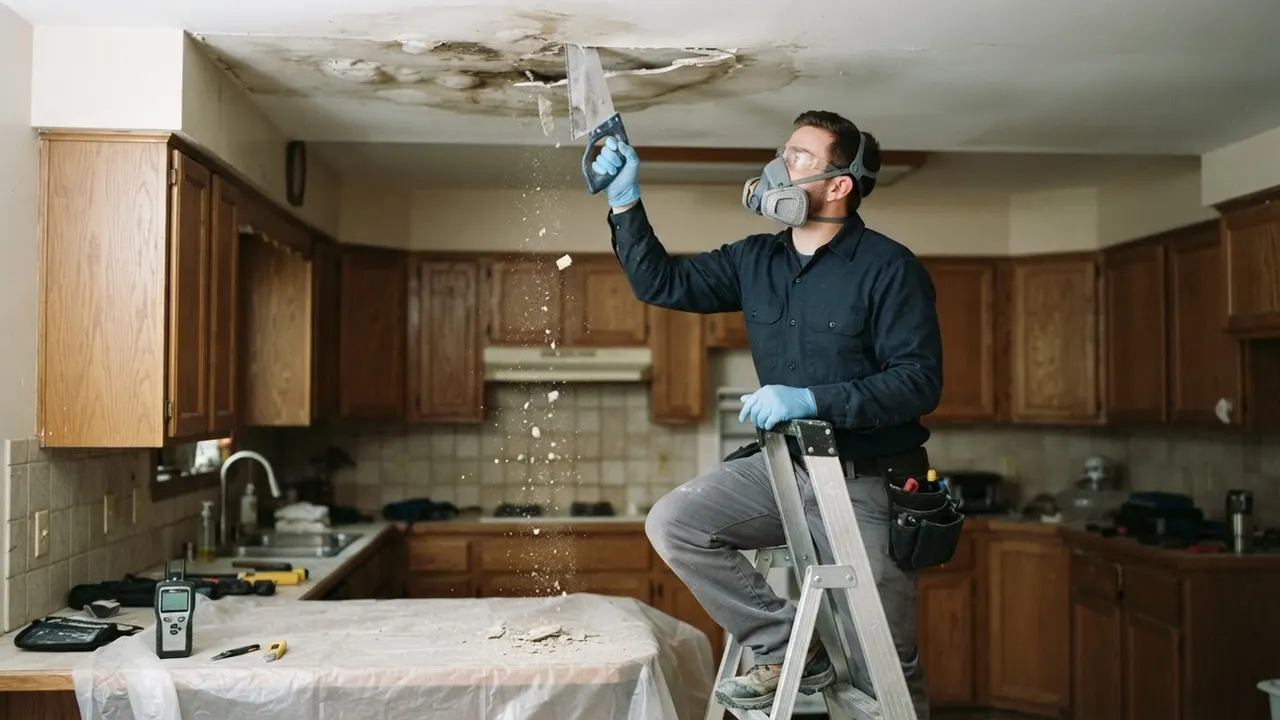
Tell us where the water is, what caused it if known, how many rooms are affected, and whether the water is clean or contaminated. If water is near outlets or a panel, stay clear and shut off power only from a safe, dry location. We use these details to prepare the right extraction and protective equipment.
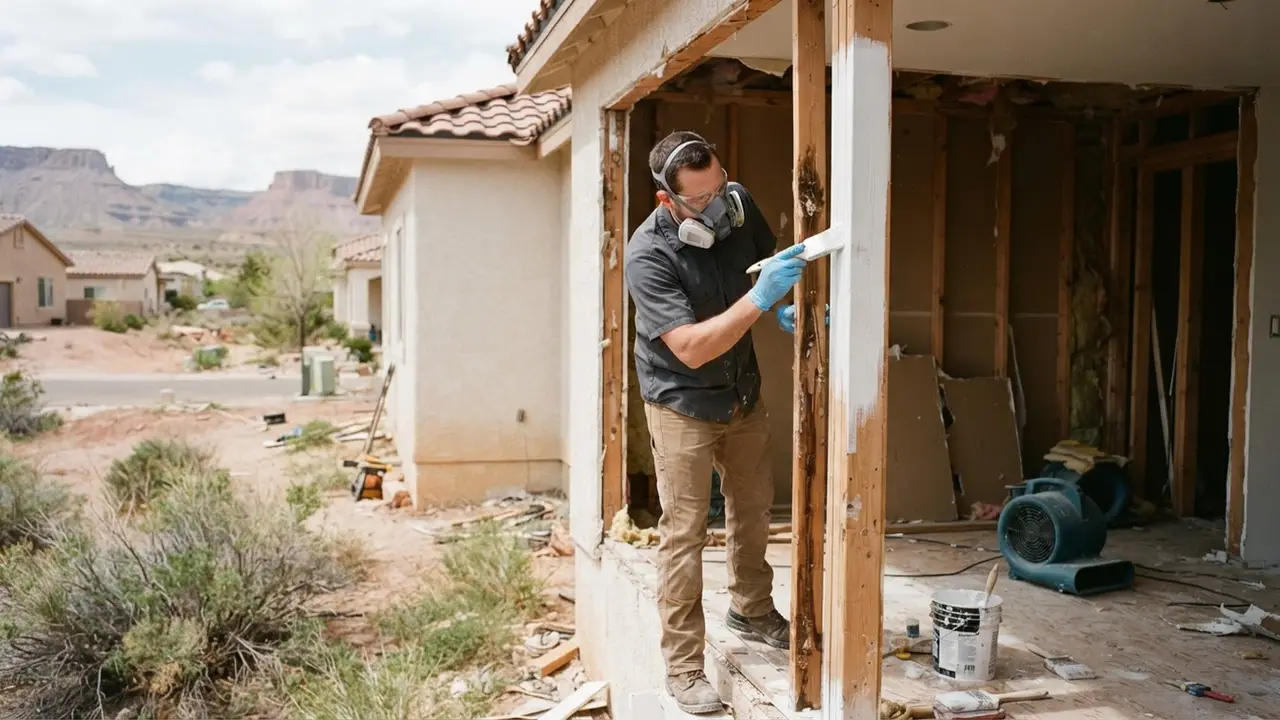
At the property, we look for the source, visible damage, and likely water travel paths. We take initial moisture readings in affected and comparison areas, then photograph conditions before moving contents or equipment. A focused inspection often takes about 30 to 90 minutes for a small loss; larger or concealed damage requires more time.
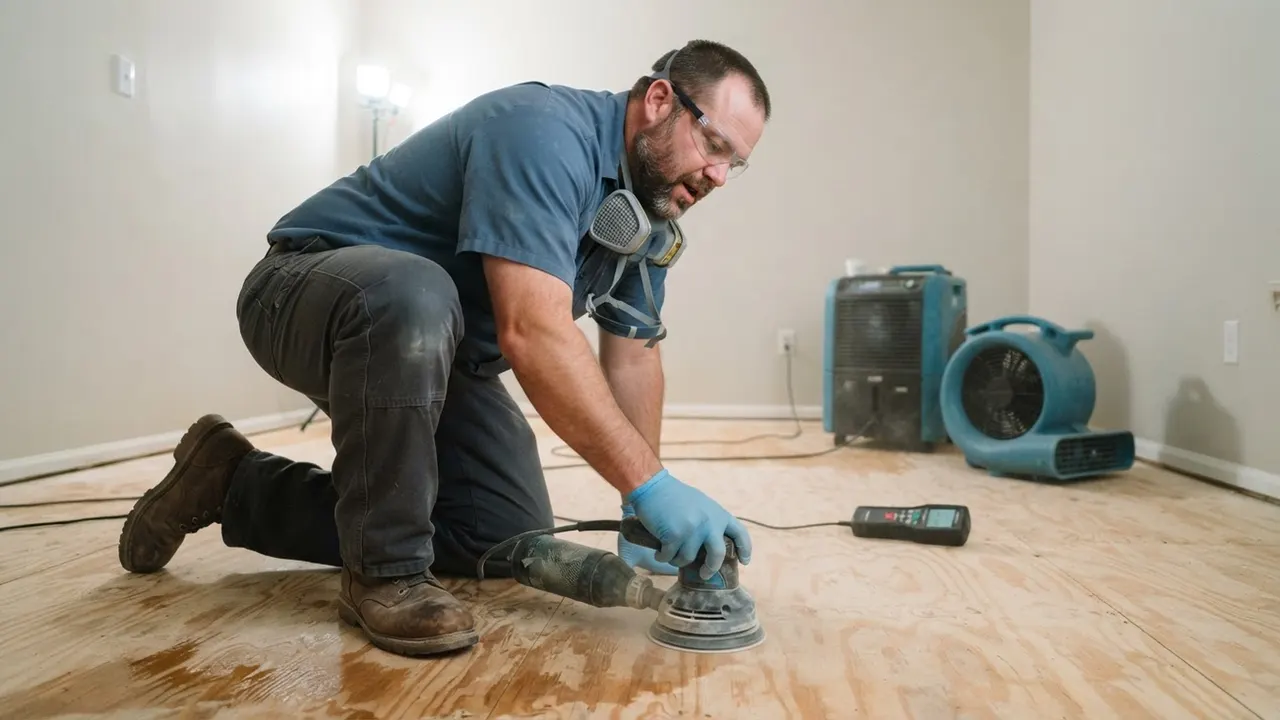
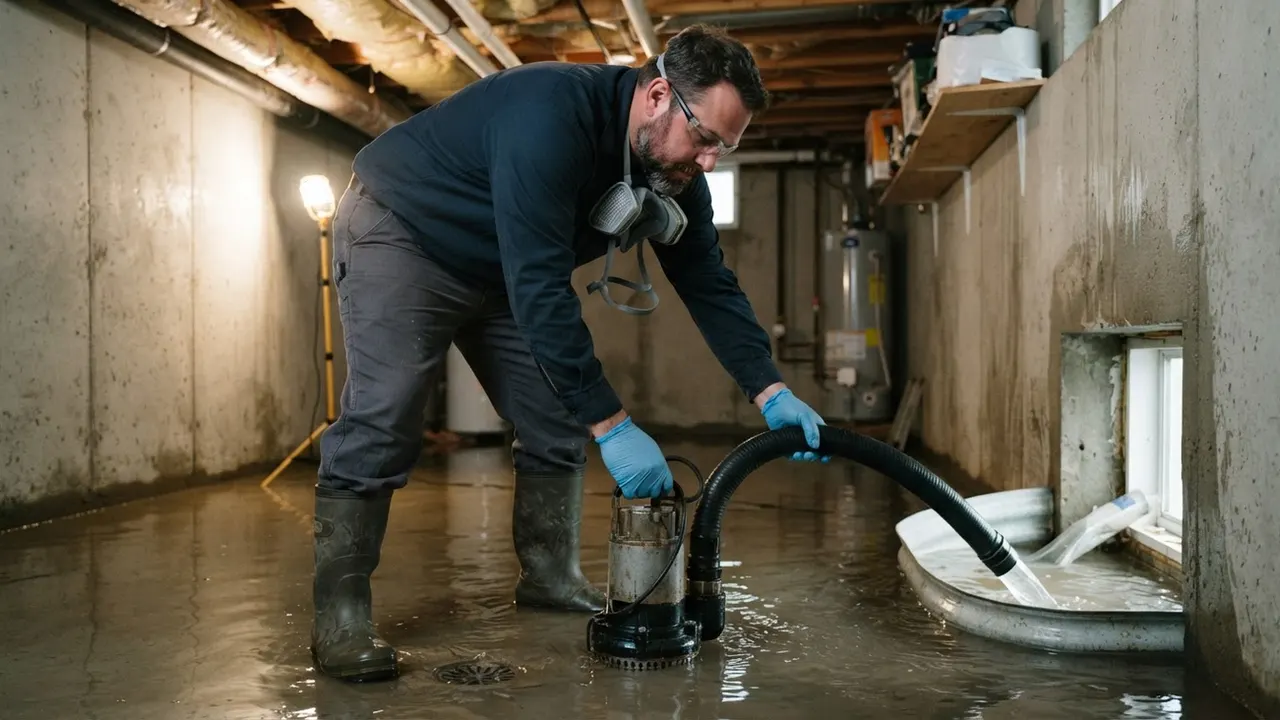
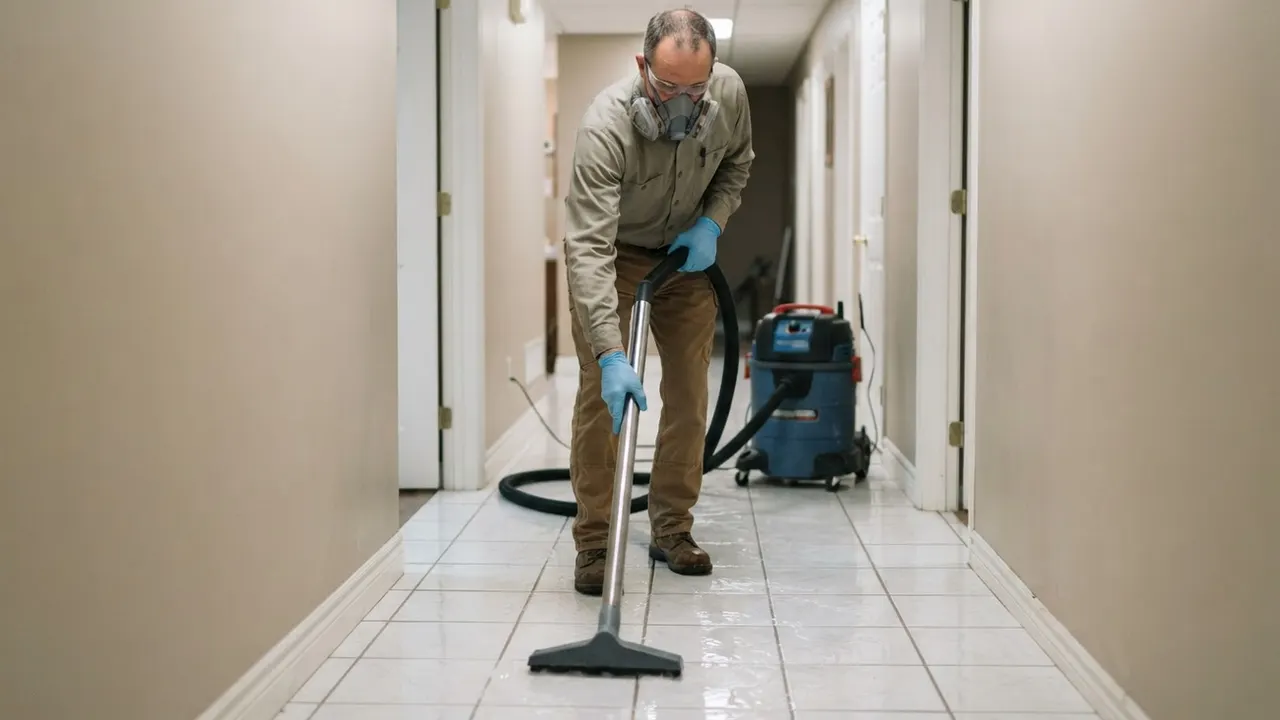
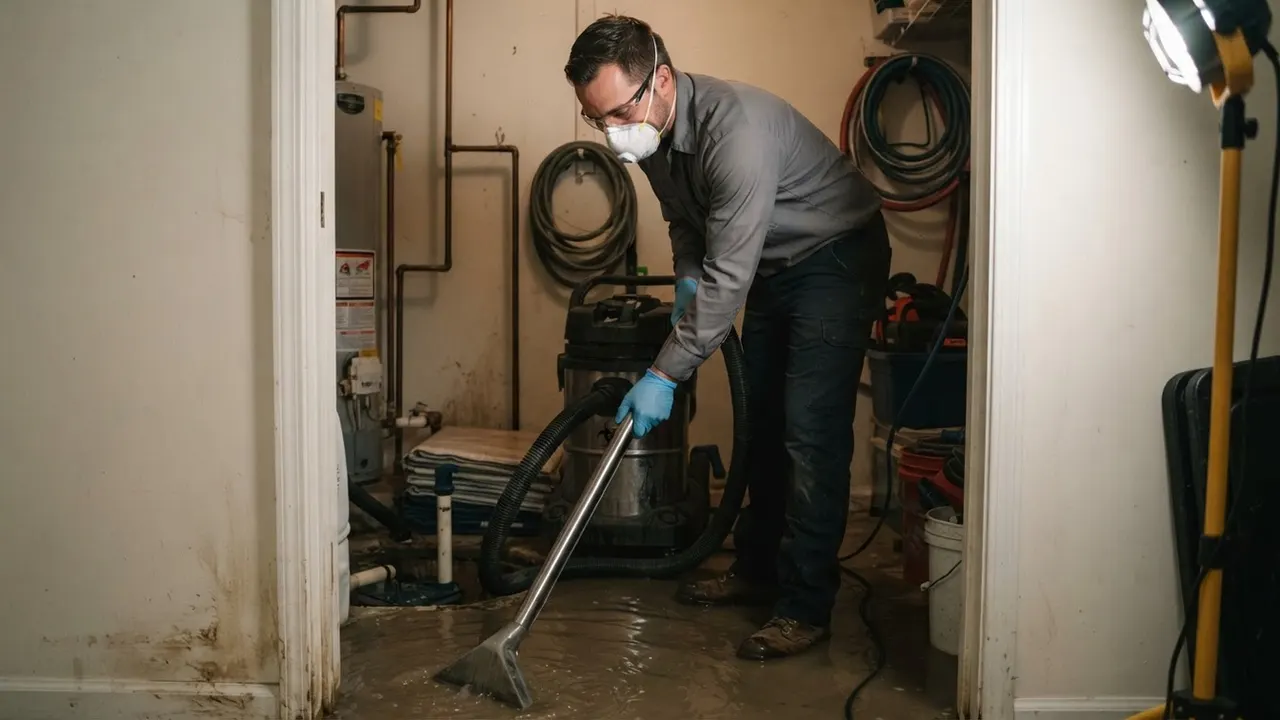
We remove pooled water with extraction equipment and collect wet debris when the source or material calls for it. Rugs, movable furniture, and contents are shifted or protected to open access to the floor. A small room may take one to three hours to extract, while multiple rooms or saturated carpet padding take longer.
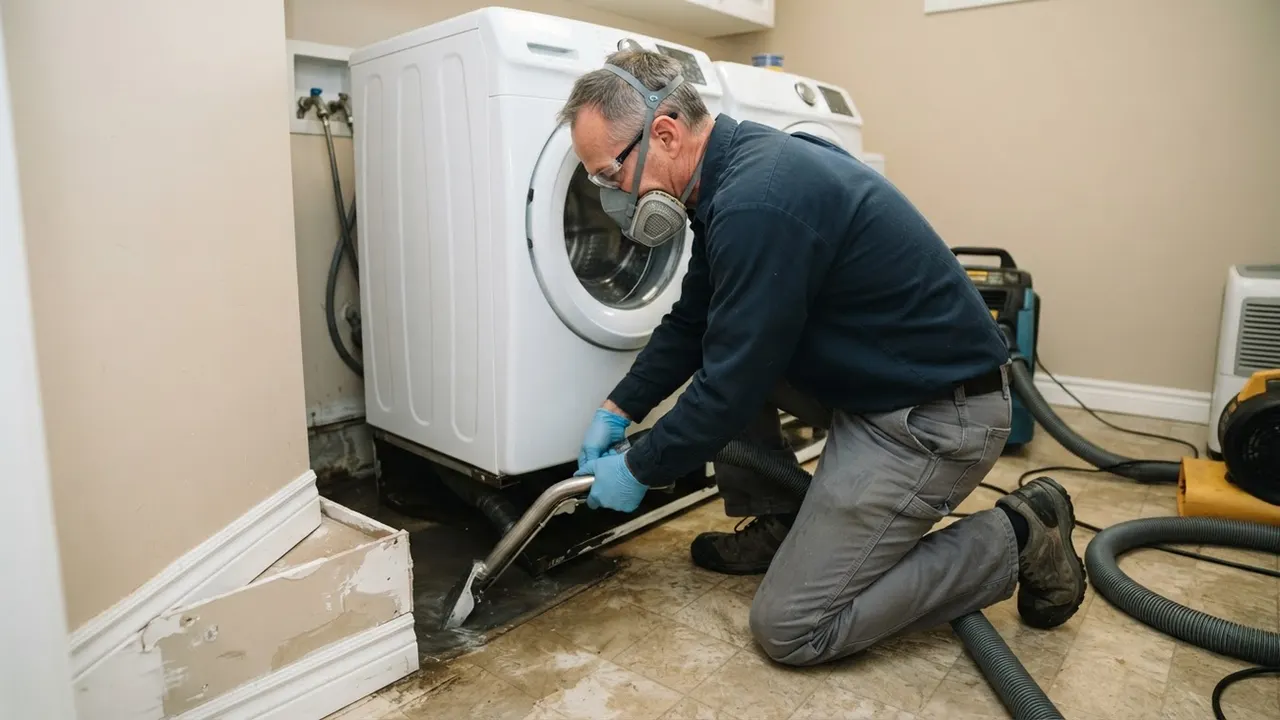
We place air movers to circulate air across wet surfaces and use a dehumidifier to collect moisture from the room. Equipment placement depends on readings, room layout, and material type; it is not a one-size-fits-all setup. We explain noise, access, and safe operating instructions before leaving equipment in your home or business.
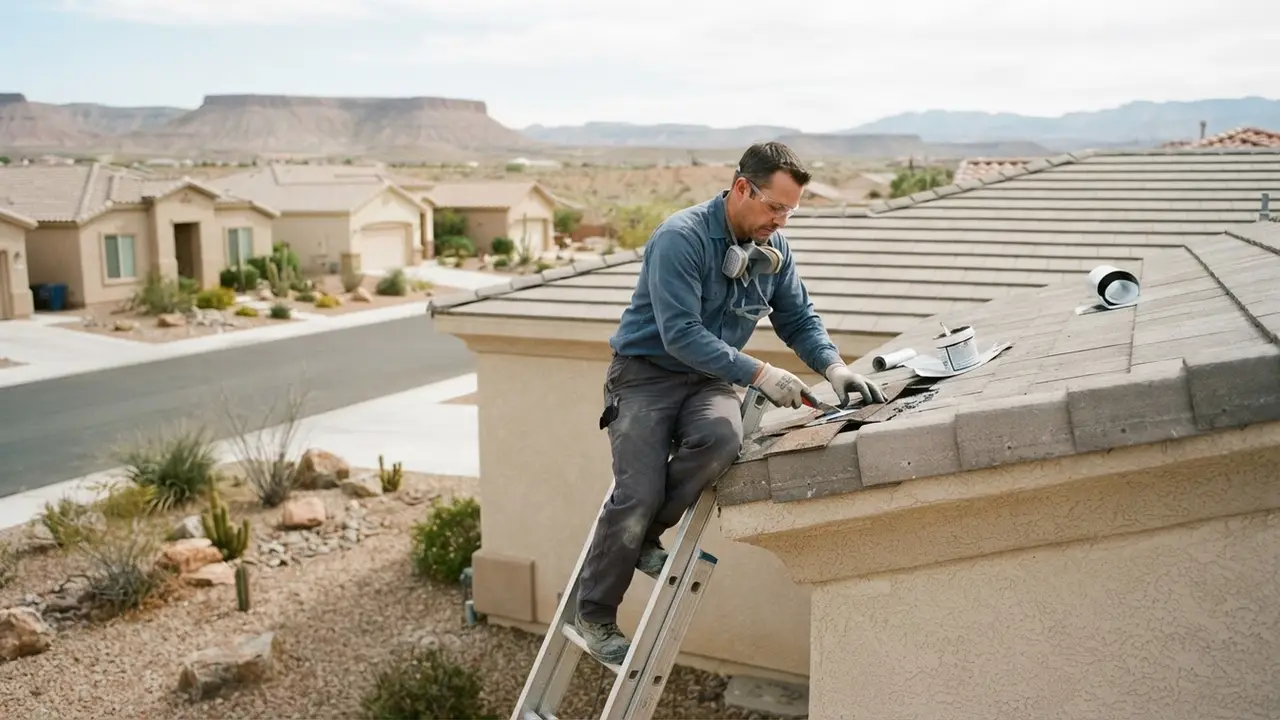
We return to measure progress, reposition equipment when needed, and identify materials that are not drying as expected. Many contained losses require several days of drying, with checks commonly scheduled every 24 to 48 hours. At completion, we review readings and remaining repair needs so you know what is dry and what comes next.
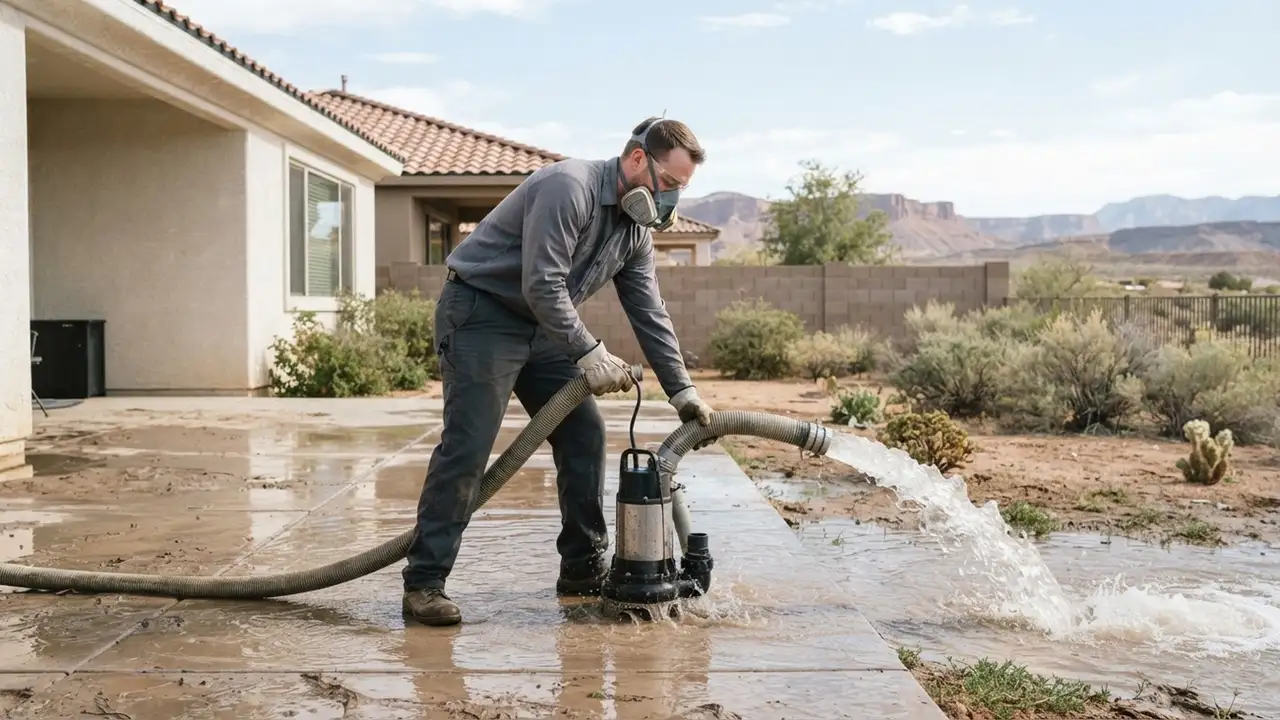
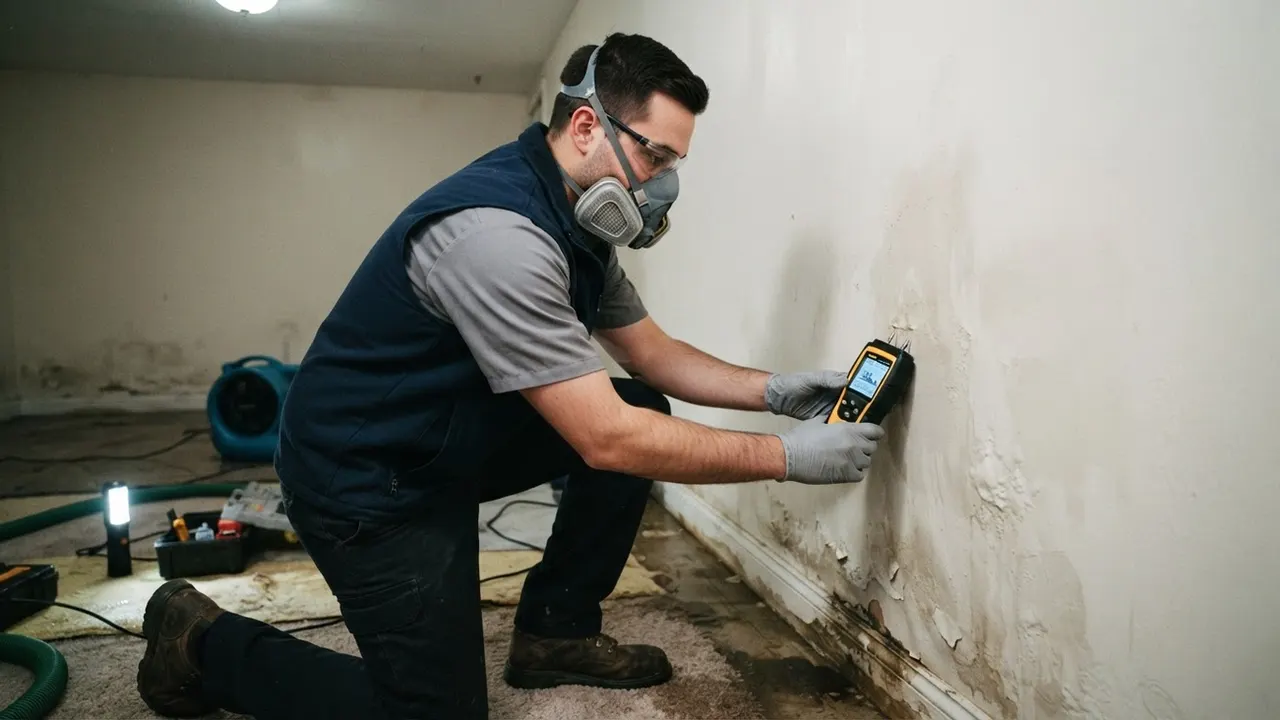
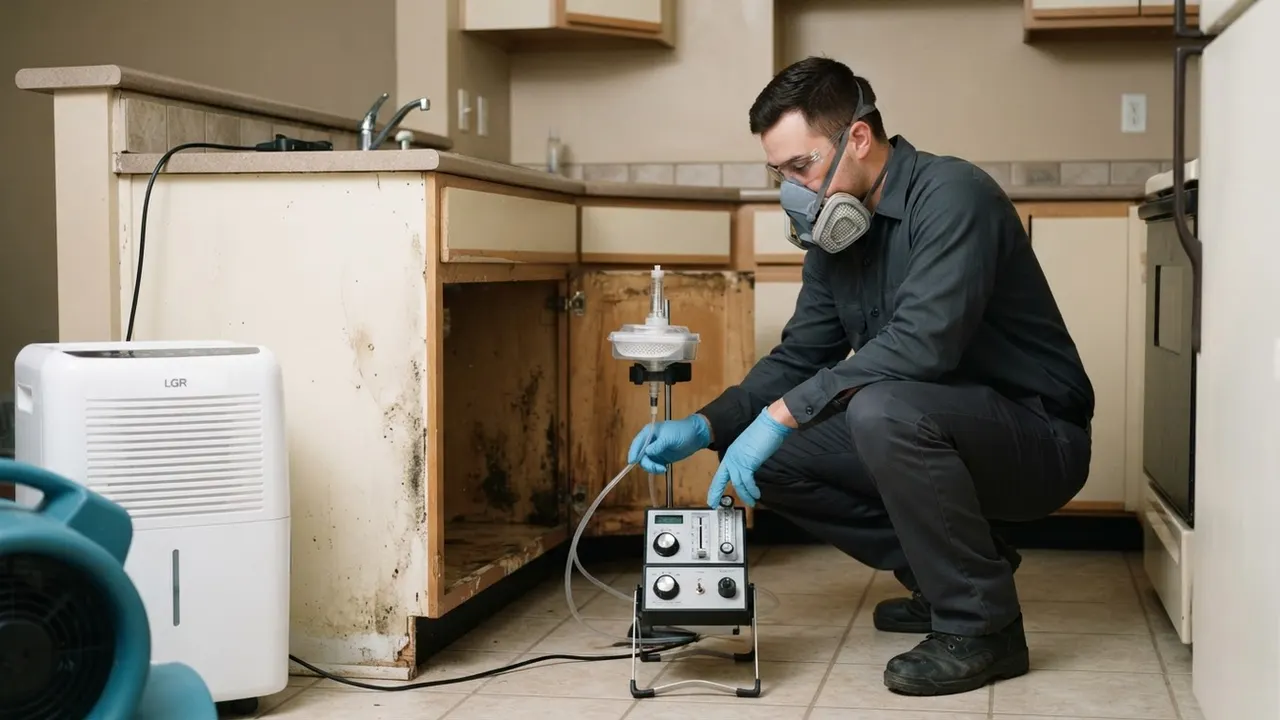
We use a moisture meter to compare wet materials with unaffected reference areas and track changes during drying. Readings help us identify where to focus follow-up checks.
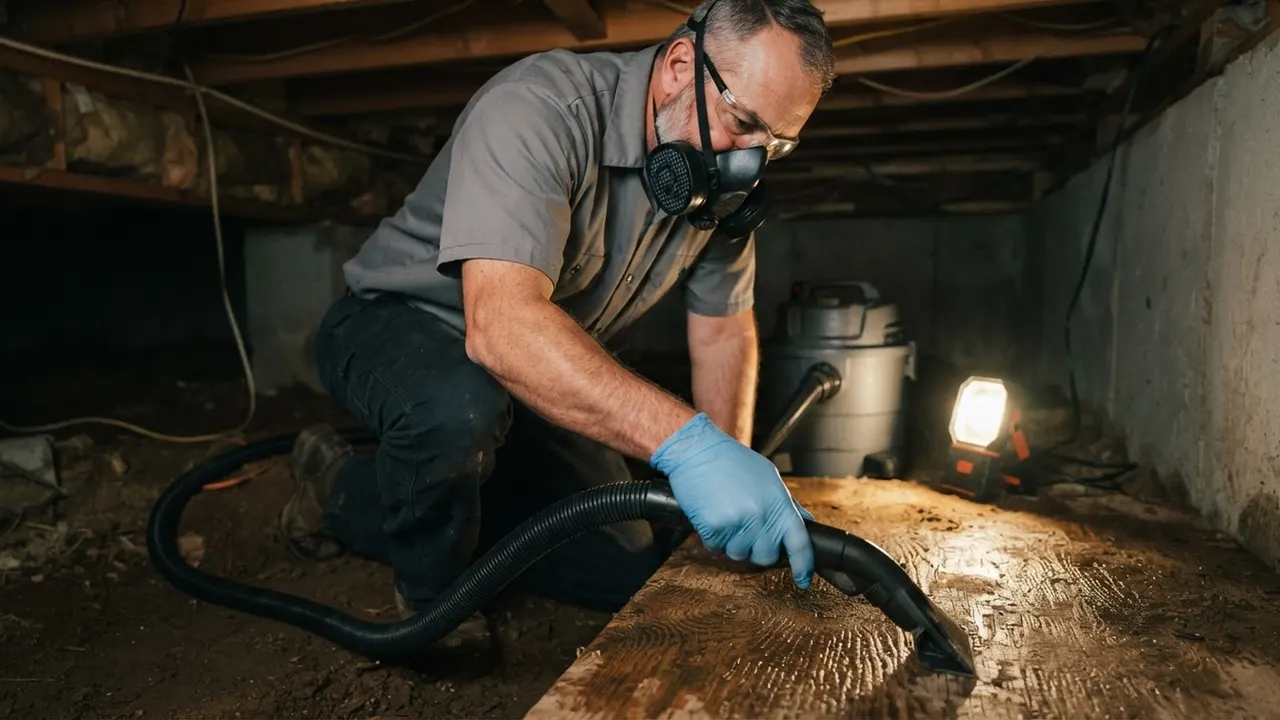
A thermal imaging camera helps locate temperature patterns that may indicate hidden moisture. We verify suspicious areas with direct inspection or moisture measurement rather than treating an image as proof by itself.
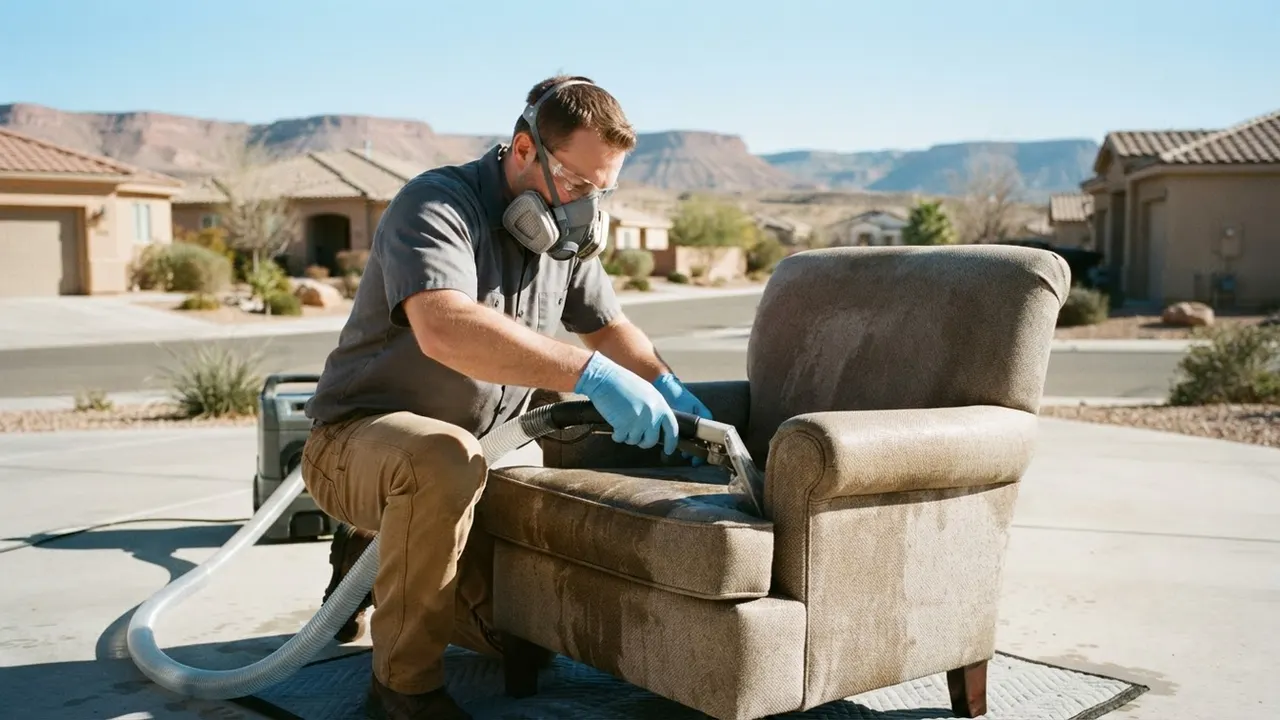
A water extraction unit removes pooled water from accessible flooring and other surfaces. Removing liquid first reduces the moisture load before air movement and dehumidification begin.
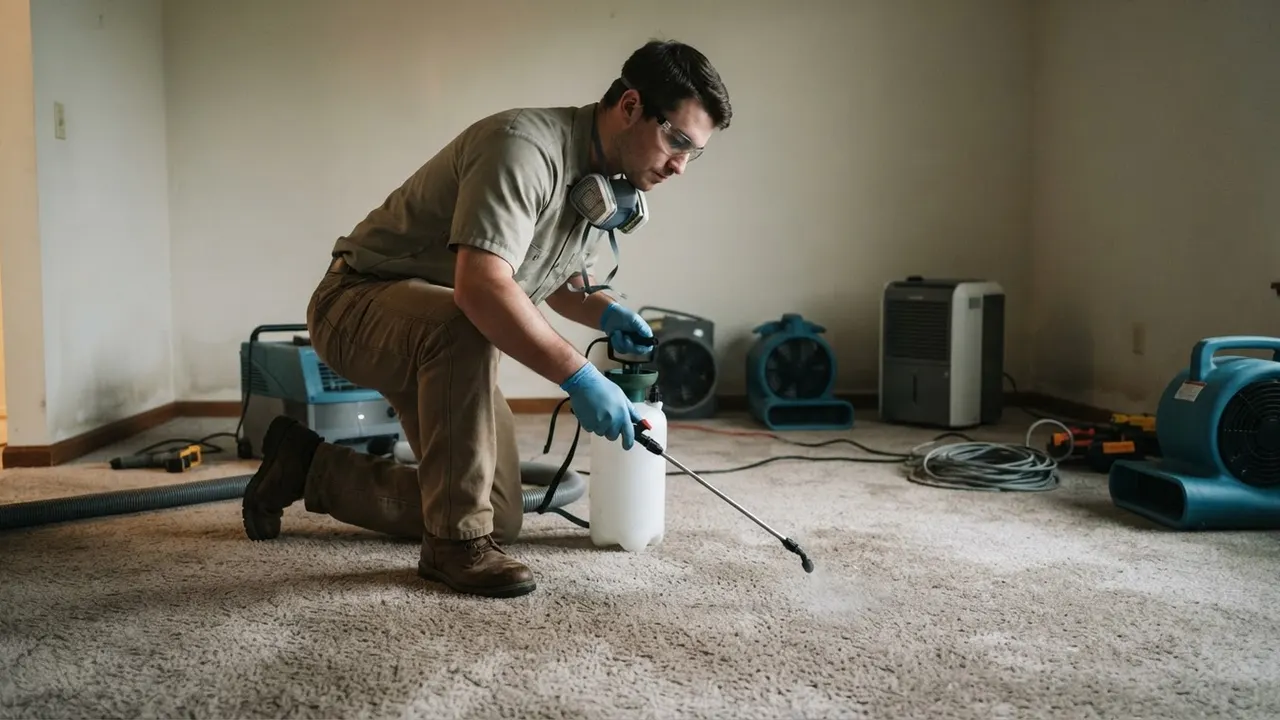
An air mover directs airflow across wet surfaces to support evaporation. We place and reposition units based on room shape, material type, and moisture readings.
A dehumidifier collects moisture from indoor air as wet building materials release it. We monitor conditions and adjust the drying setup as the room changes.
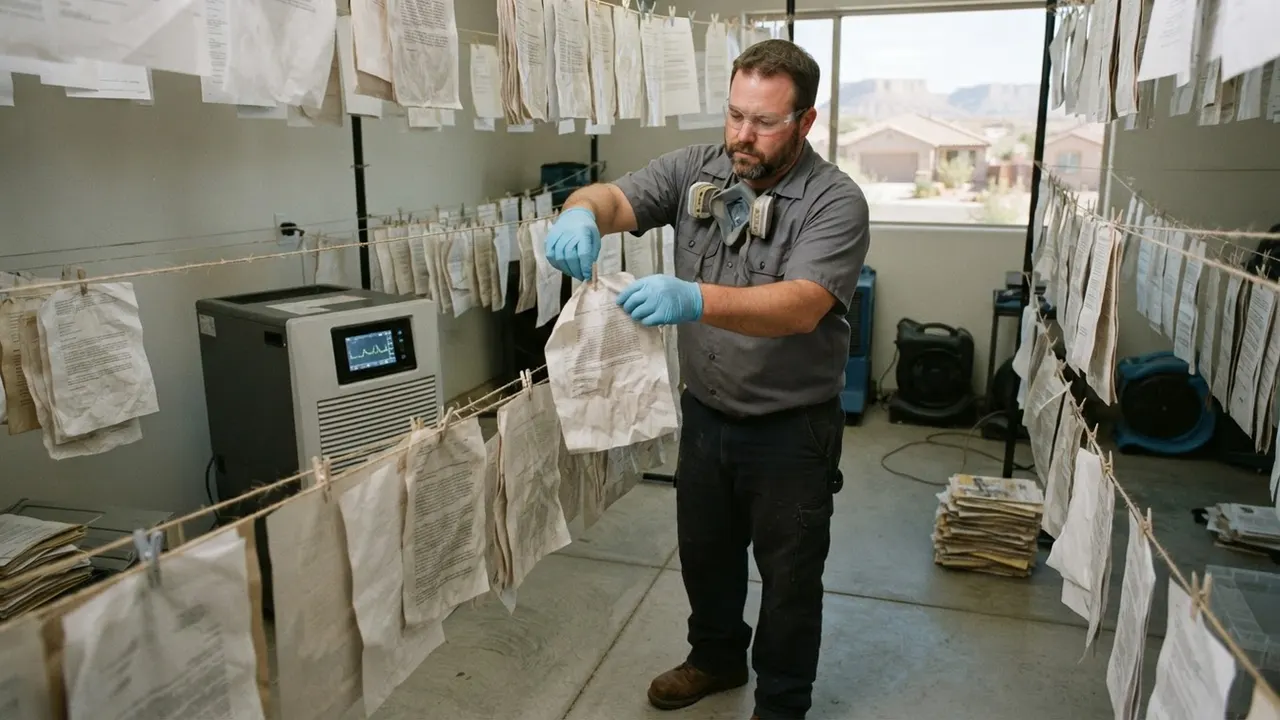
We identify whether water is still entering and determine whether it came from a clean supply line, an exterior source, or a contaminated backup. That distinction guides protective measures, what can be cleaned, and whether porous material needs removal. Active leaks must be stopped before drying can hold.
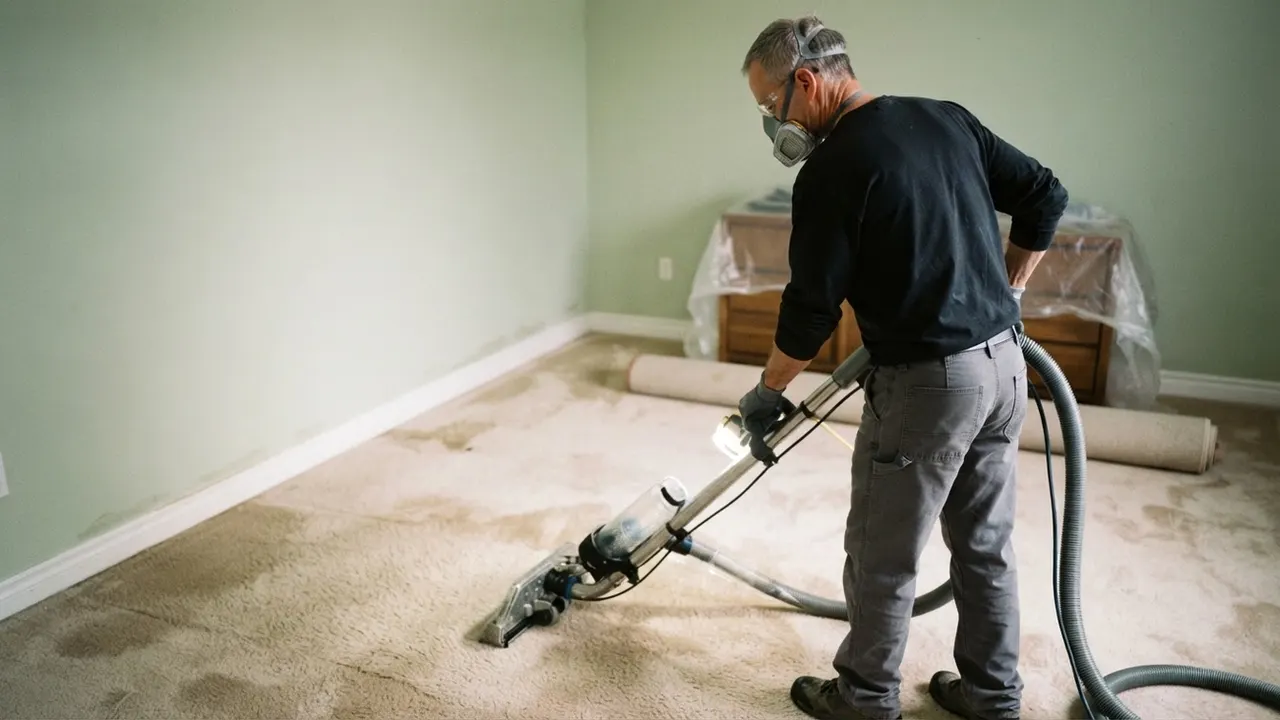
We record readings across affected materials and compare them with dry areas of similar construction. Mapping helps define the wet boundary and identify changes over time. We use it to make practical decisions about equipment placement, material removal, and when drying has reached its target.
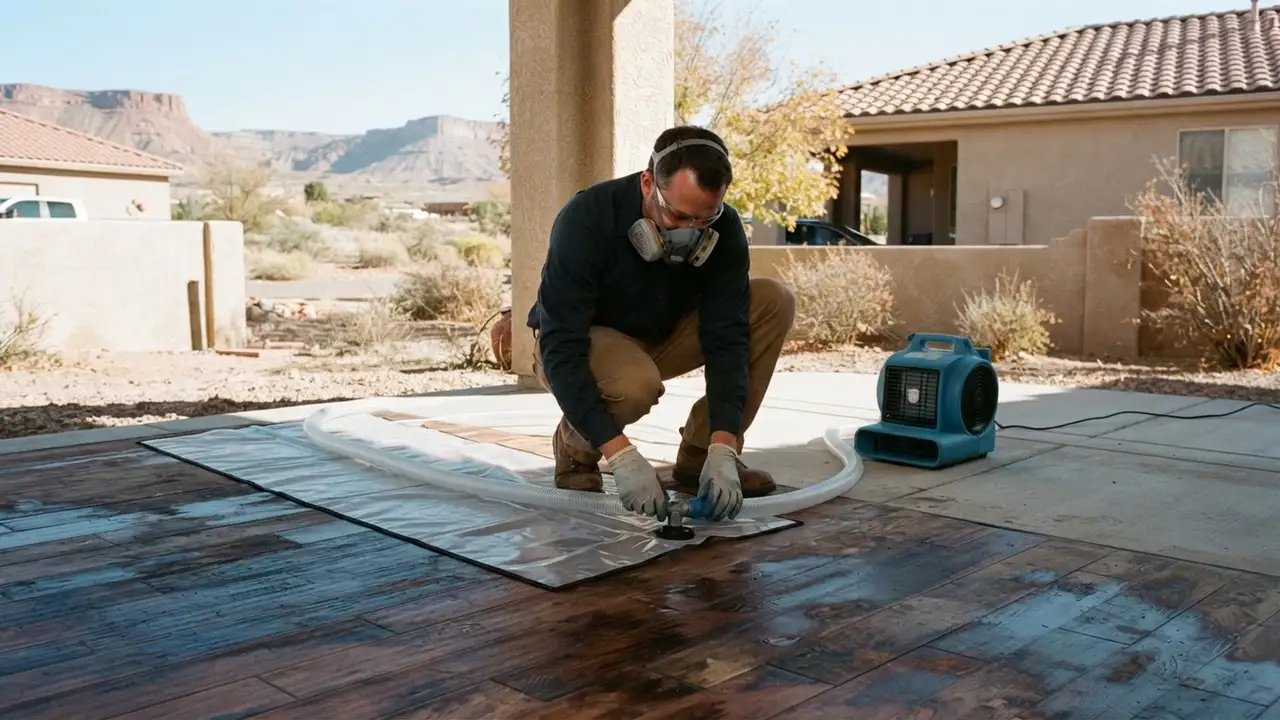
After extraction, we combine air movement and dehumidification according to the room and materials. We check progress rather than assuming equipment has solved the problem. If readings stay elevated, we reassess airflow, hidden moisture, or whether an assembly needs to be opened.
We help you focus on safe shutoff first, then inspect the kitchen and adjoining rooms for water under cabinets and along flooring seams. We extract standing water, protect dry contents, and measure the affected materials. If water is near electrical equipment, stay clear until the area is made safe. The active water is addressed, the affected footprint is clearer, and drying can begin before dampness travels farther into the home.
We remove pooled water, check floor edges and nearby walls, and separate wet contents from items that stayed dry. If an opening remains exposed, we can discuss temporary protection alongside interior mitigation. We document the water path and assess whether the water source requires additional cleaning. The room moves from standing water to a defined cleanup and drying plan, with wet materials identified for follow-up.
We inspect the closet, wall base, and floor transition, then extract water and check how far it has traveled. A plumber may be needed to repair or replace the heater. Once the source is stopped, we dry the affected materials and monitor readings so hidden moisture is not missed. You know which surfaces are wet, what needs drying, and which repair addresses the source rather than only the stain.
We assess the affected rooms and access routes, keep occupants clear of contaminated areas, and plan removal and cleaning around the space. Porous items and materials are evaluated individually. We coordinate the mitigation sequence with the property contact so unaffected areas can remain accessible where practical. Contaminated areas are isolated and handled deliberately, reducing confusion for staff and helping the business plan safe reopening.
Emergency Water Damage Repair in Mesquite begins with the building and the water source, not a standard equipment package. Mesquite's hot, dry outdoor conditions can make a damp room feel dry at the surface while moisture remains under flooring or inside a wall. We measure before deciding that a material is ready for repair. During winter cold snaps, an exposed or poorly protected line can fail; after storms, roof leaks and runoff can affect ceilings, doorways, and lower rooms. Our team checks how far water traveled and whether it is clean or contaminated. For emergency water damage repair Downtown Mesquite NV, we also plan equipment access around occupied homes, local businesses, and shared spaces. We protect unaffected contents, keep pathways usable where possible, and explain when a plumber, roofer, or reconstruction trade needs to address the source. Readings and photographs help you follow the work from extraction through drying checks. The result is a repair plan tied to actual conditions rather than assumptions based on one visible stain.
A failed supply line left water across the kitchen and into the hall. The cabinet toe kick felt damp, and the homeowner could not tell whether water had reached the carpeted room next door. A visible puddle had been removed with towels, but moisture remained around the flooring transition and lower cabinets.
We extracted remaining water, checked the cabinet base and hall transition, and set drying equipment where readings showed moisture. Follow-up checks over three days showed readings moving toward the dry comparison area. The homeowner had a documented affected footprint and knew which finish repairs remained after drying.
Check supply hoses and shutoff valves periodically, especially after moving an appliance. Replace a hose that shows cracking, corrosion, or a bulge, and locate the main water shutoff before an emergency.
Rainwater crossed an exterior threshold and spread over a living-room floor. A rug and nearby baseboards were wet, while a darkened edge suggested water had reached below the floor finish. Furniture had been moved to one side, but moisture boundaries were not clear.
We removed standing water, checked flooring edges and wall bases, and separated wet contents for assessment. Drying readings were tracked for four days, with equipment repositioned as the room changed. The customer had a clearer record of affected materials and could coordinate the exterior entry repair.
After a storm, check door thresholds and nearby baseboards for dampness or discoloration. Keep exterior openings and roof penetrations maintained, and move stored items away from areas that have taken on water before.
A leaking water heater dampened the closet floor and the wall shared with a hallway. The surface looked nearly dry by the next morning, but the baseboard had begun to swell and a musty odor was noticeable. The source had not yet been repaired.
Once the source was stopped, we extracted water and checked the wall base and hallway transition. Targeted drying and repeat moisture checks over two days showed the affected area narrowing. The customer could distinguish the water mitigation work from the remaining heater and finish repairs.
Look around the water heater for fresh moisture, rust-colored marks, or a new odor. Keep the area accessible so a leak can be spotted early, and have the appliance and connections inspected when signs of failure appear.
A small leak can become a larger repair when water remains under flooring or inside a wall. If you need emergency water damage repair Casa View Heights NV, we assess the source and affected materials, then set priorities around safety, extraction, and drying. Fast, measured action helps limit avoidable damage.
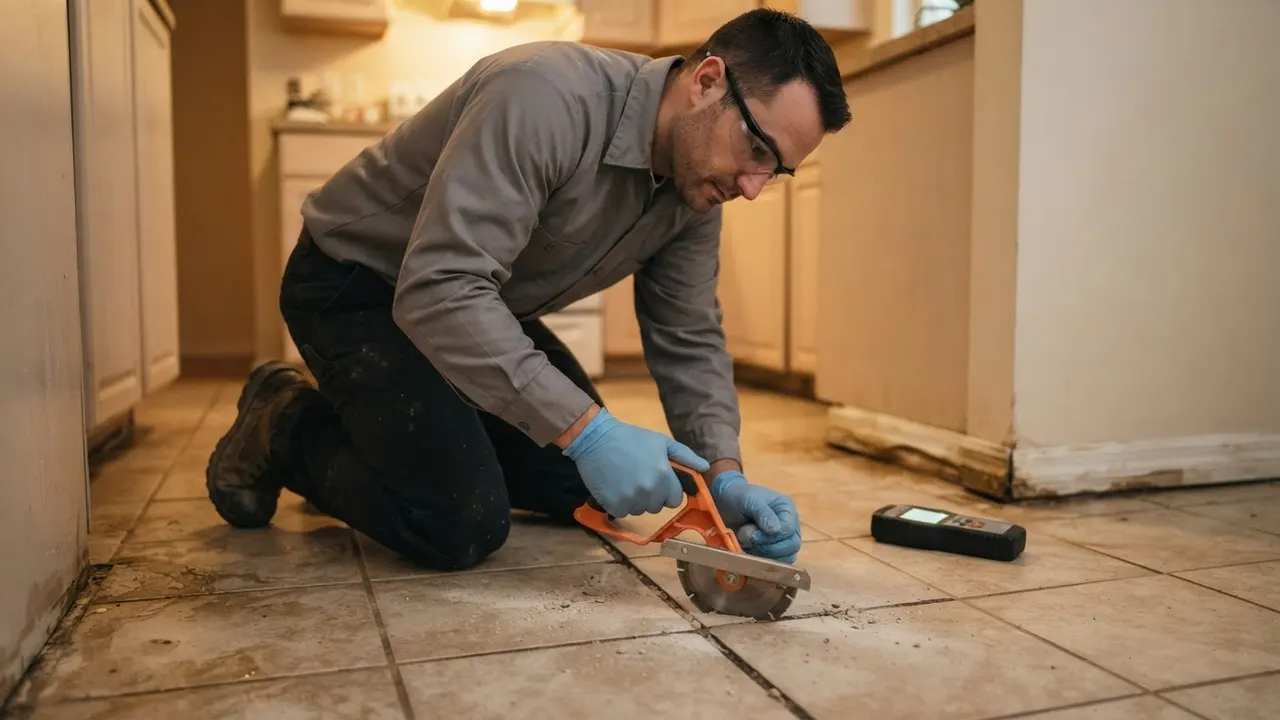
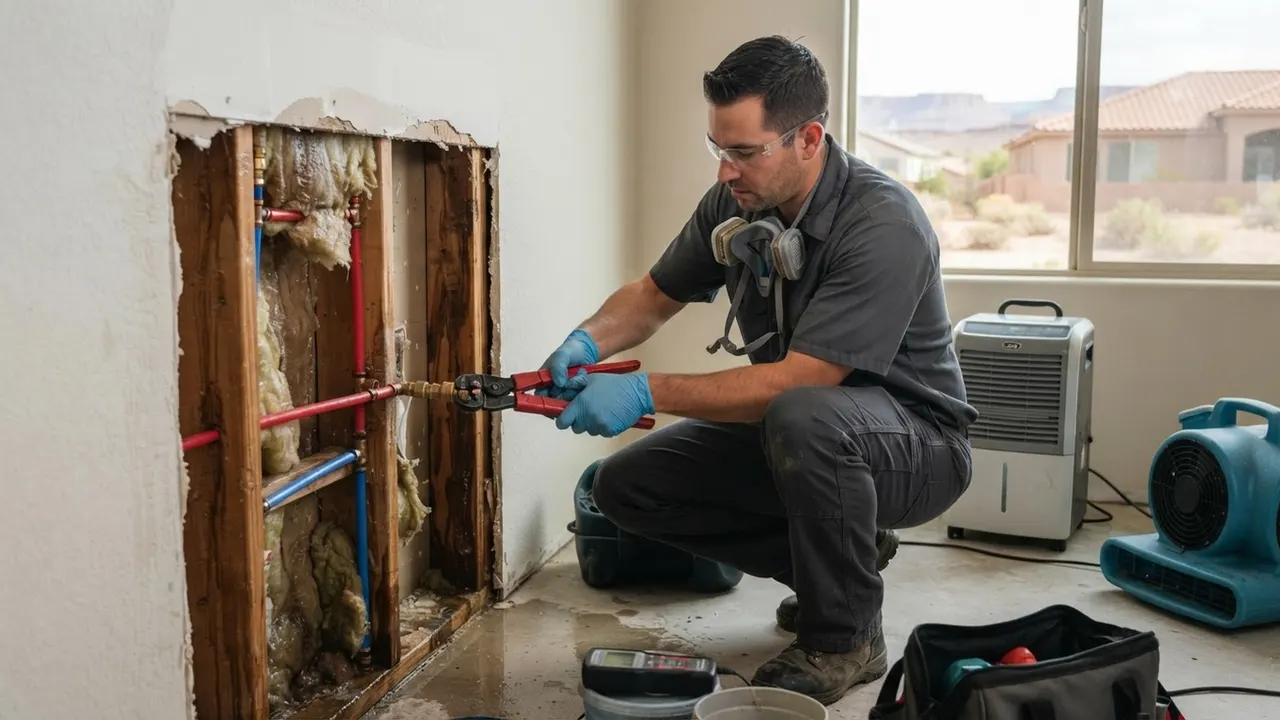
We help you isolate the water source safely, extract pooled water, and check the cabinet base, flooring edges, and nearby wall with moisture readings. We protect dry contents and set drying equipment where needed. If the pipe still needs repair, that work must stop the leak before restoration can be completed. Water can travel under cabinets and into adjoining rooms, swelling wood and keeping the wall cavity damp after the visible leak stops.
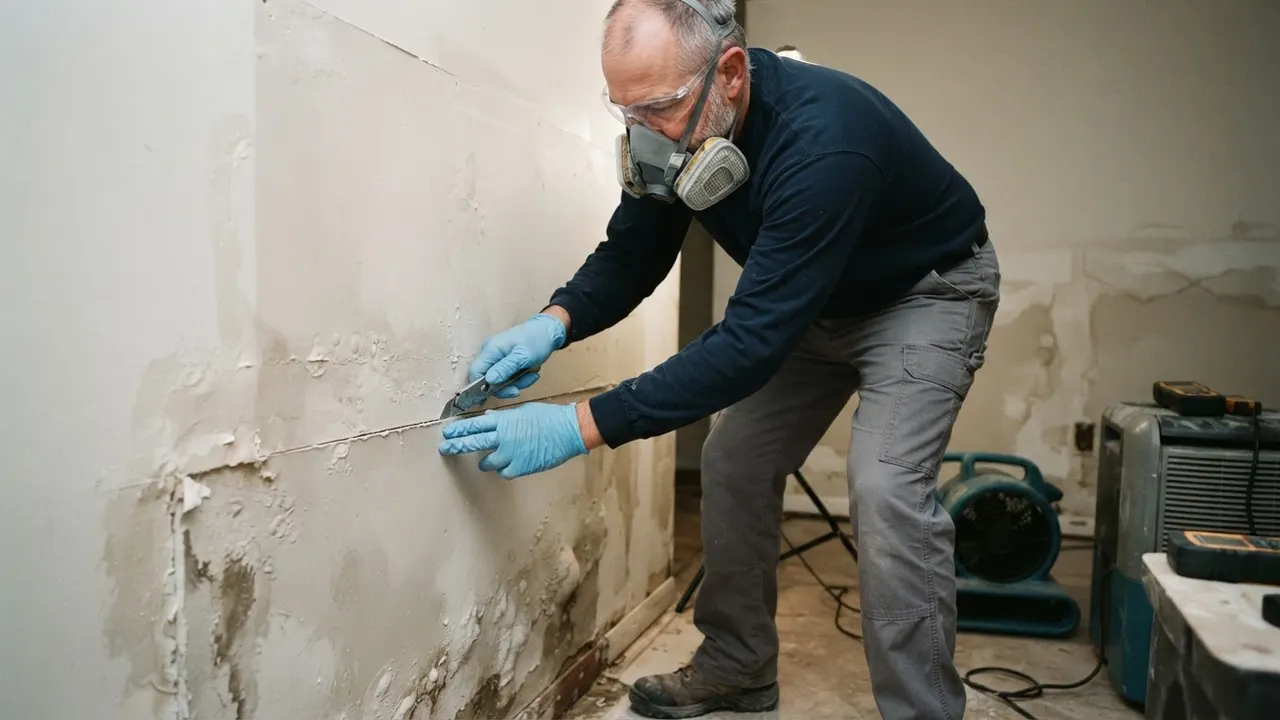
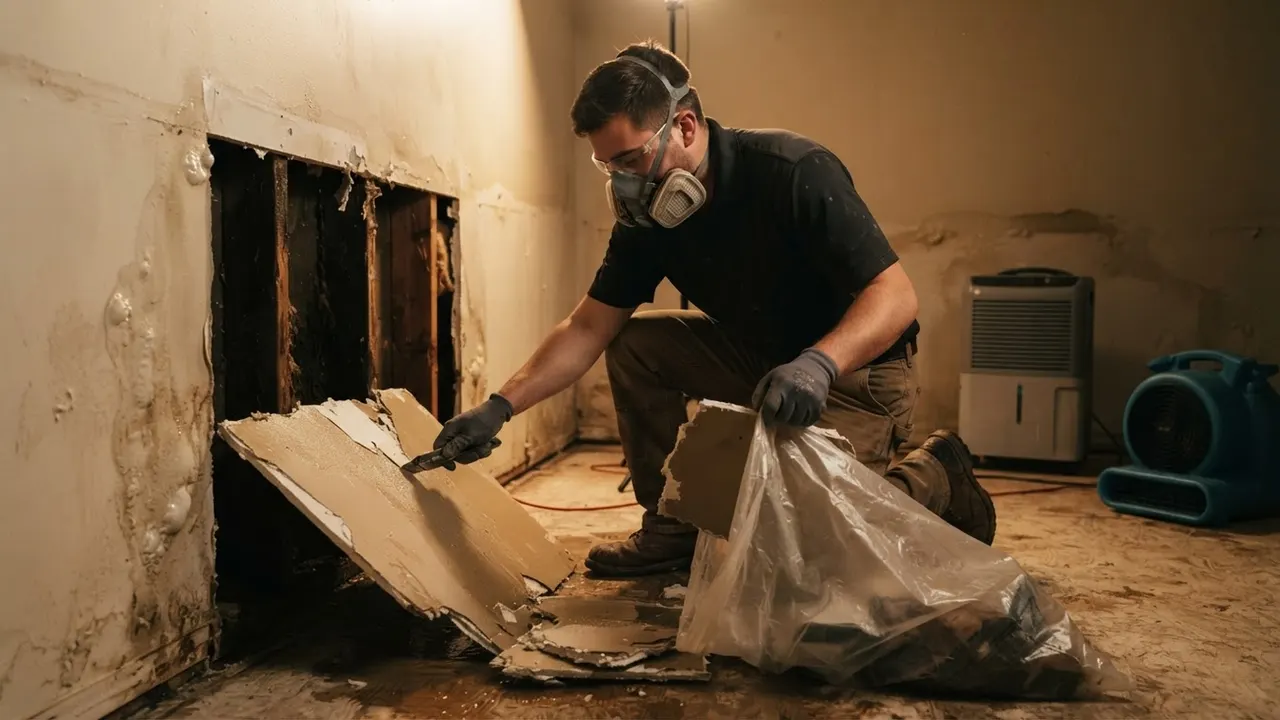
We inspect the ceiling and surrounding areas, protect the room below, and identify whether material is wet or sagging. We document the damage and remove materials when needed to expose trapped moisture. A roof repair or temporary covering addresses the opening while interior drying proceeds. Water may spread above the ceiling finish, weaken drywall, and descend into walls or light fixtures. A stain can keep growing after rain ends.
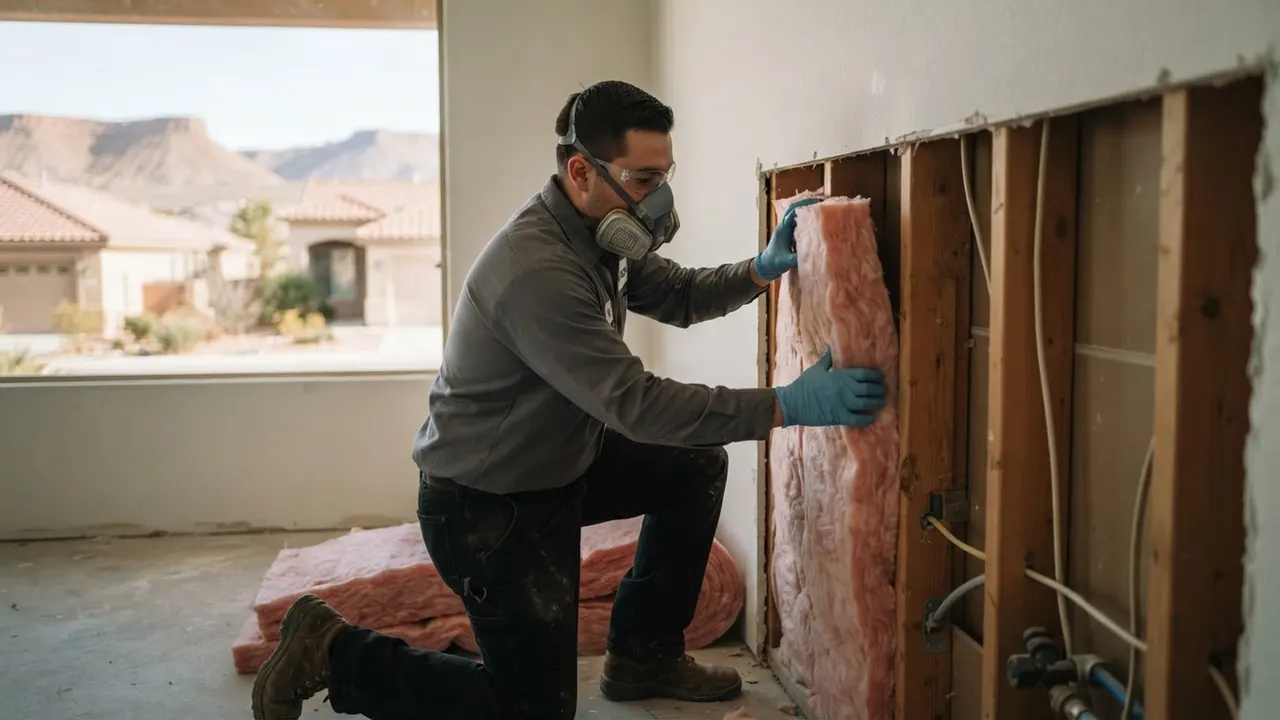
We keep people and pets away from the affected area, assess the extent of contamination, and use appropriate containment and removal practices. Porous materials that cannot be cleaned may need removal. After contaminated material is addressed, we clean affected surfaces and dry the area. Contaminated water presents a health concern and can affect porous materials, stored items, and floor edges beyond the visible backup.
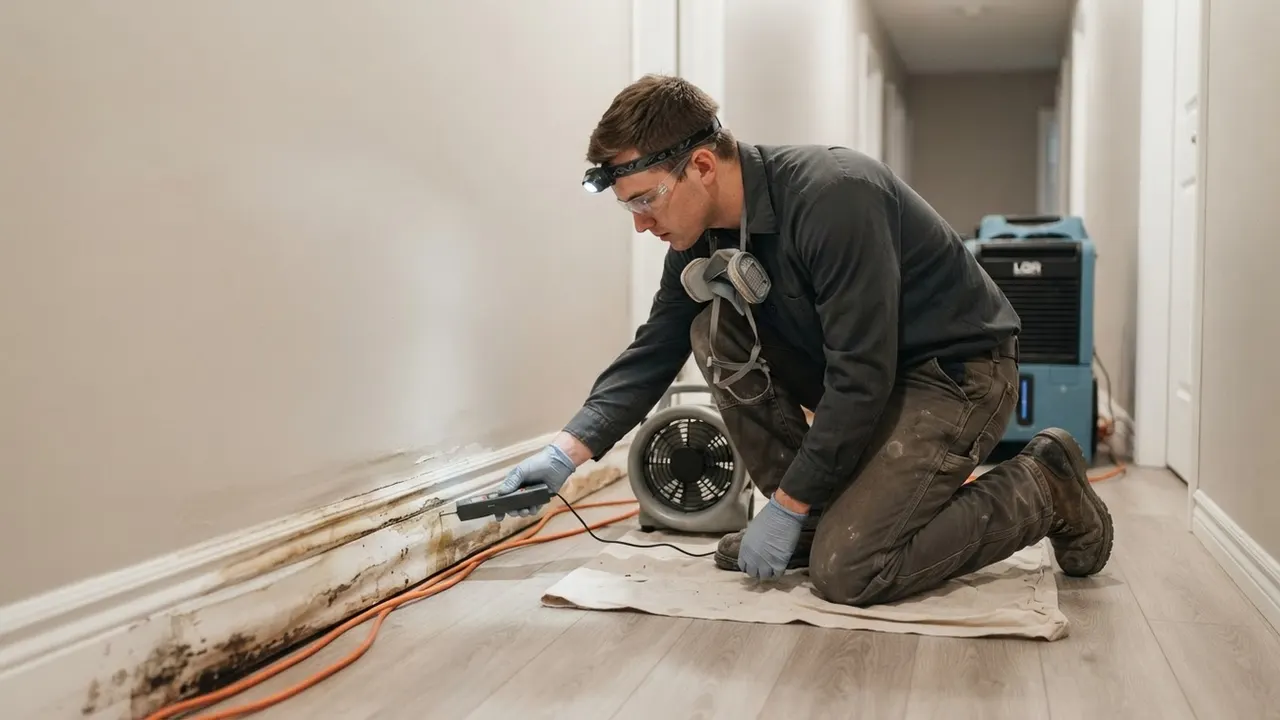
We extract water from the carpet, inspect the padding and floor below, and take readings at edges and adjoining rooms. We explain whether the assembly can be dried in place or needs removal. Stopping the appliance or supply leak prevents a repeat loss. Padding can retain water after the carpet surface feels dry, leading to lingering odor, floor damage, or moisture in nearby trim.
We isolate the affected area, protect dry contents, and remove standing water before it migrates farther under flooring or into adjacent rooms. A water extraction unit is suited to pooled water, while smaller wet areas may need focused extraction and repeated moisture checks. This first stage is especially useful after a burst pipe discovered overnight.
Water travels through seams, wall cavities, and carpet padding beyond the stain you can see. We use a moisture meter and thermal imaging camera to identify suspicious temperature patterns and compare readings with unaffected materials. That gives you a better-defined drying area and helps avoid closing up a wall that still contains moisture.
Air movers and a dehumidifier support evaporation while we track moisture and indoor humidity. We adjust equipment placement as readings change instead of leaving machines in one position without checking progress. For hardwood flooring or tile and grout, the drying plan accounts for material behavior and the water path beneath the surface.
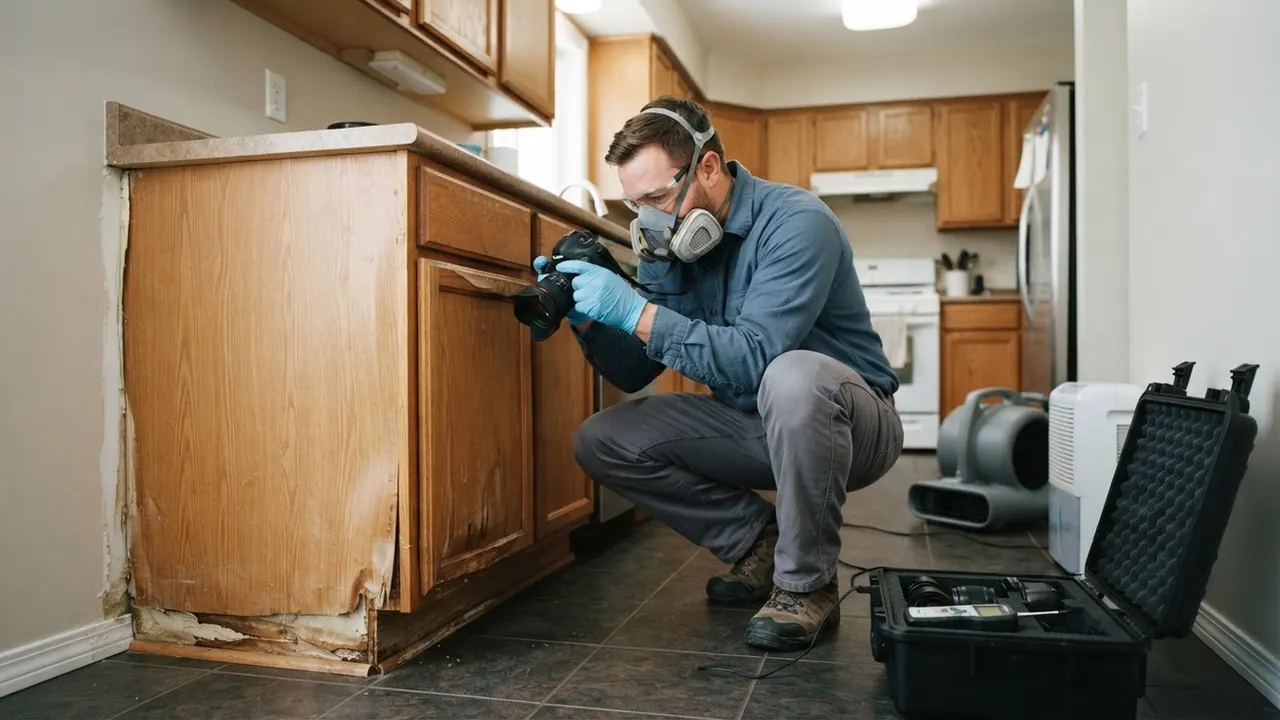
Photos, moisture readings, and a room-by-room record help you understand the damage and discuss the event with your insurer. We note the apparent source, affected materials, extraction performed, and drying progress. If you need same day water damage repair Mesquite NV, clear documentation helps the next decisions happen without guesswork.
Clear records you can keep and share.
Photos and notes describing visible conditions.
Measurements that show drying progress by area.
Clear explanation of remaining drying or repair needs.
Removing visible water is the first phase, not proof that a floor or wall is dry. We check materials and air conditions to guide the next step.
A dry-looking surface can cover moisture beneath flooring or behind drywall. Readings at more than one location help define the wet area.
Water source affects cleaning and material decisions. Sewage or stormwater needs different handling than a clean supply-line leak.
Drying stabilizes affected materials; it does not replace a failed pipe or roof. Source repair and finish restoration follow the mitigation work.
Outside these neighborhoods? Call and ask about service in your area. (833) 546-4116
Small extraction jobs often vary while multi-room drying and material removal can vary. Typical 2026 pricing depends on water category, affected square footage, access, equipment days, and whether drywall or flooring must be removed. We assess the actual loss before pricing the work, and we explain cost drivers upfront. A sewage backup or concealed slab leak generally needs more containment and investigation than a clean, accessible sink leak.
Response timing depends on the active schedule and your location; call (833) 546-4116 and share the affected address and water source. If water is still flowing, stop it only when safe and keep away from wet electrical areas. Emergency flood damage repair Mesquite starts with making the area safe, locating the source, and removing standing water. A small initial inspection may take 30 to 90 minutes, followed by extraction and drying setup when conditions allow.
Stop the water at a safe shutoff, avoid wet electrical areas, and call for help before moving heavy contents. Photograph the damage and note when you found it, but do not walk through contaminated water. If the leak is a burst pipe, use the main water shutoff only if you can reach it safely. We can then assess the water category, extract pooled water, and identify wet materials that need monitoring or removal.
Call (833) 546-4116 to request urgent service and confirm current response availability. Our emergency line is for active losses such as a burst pipe, appliance leak, or storm water entering a building. For a 24 hour urgent water damage restoration in Mesquite, Nevada search, describe whether the water is still flowing, how many rooms are affected, and any electrical or sewage exposure so we can guide the safest next step.
Active water needs a clear first step. Call Mesquite Water Damage Company at (833) 546-4116, describe the source and affected rooms, and our team will help you plan the response. We use measured moisture checks to guide extraction and drying.
Call (833) 546-4116 to explain what happened and where water is collecting. We take calls for water damage requests and connect you with an independent company that can discuss service details directly. If the leak is active, shut off the source when safe and tell us whether the water reached electrical equipment, flooring, or more than one room.