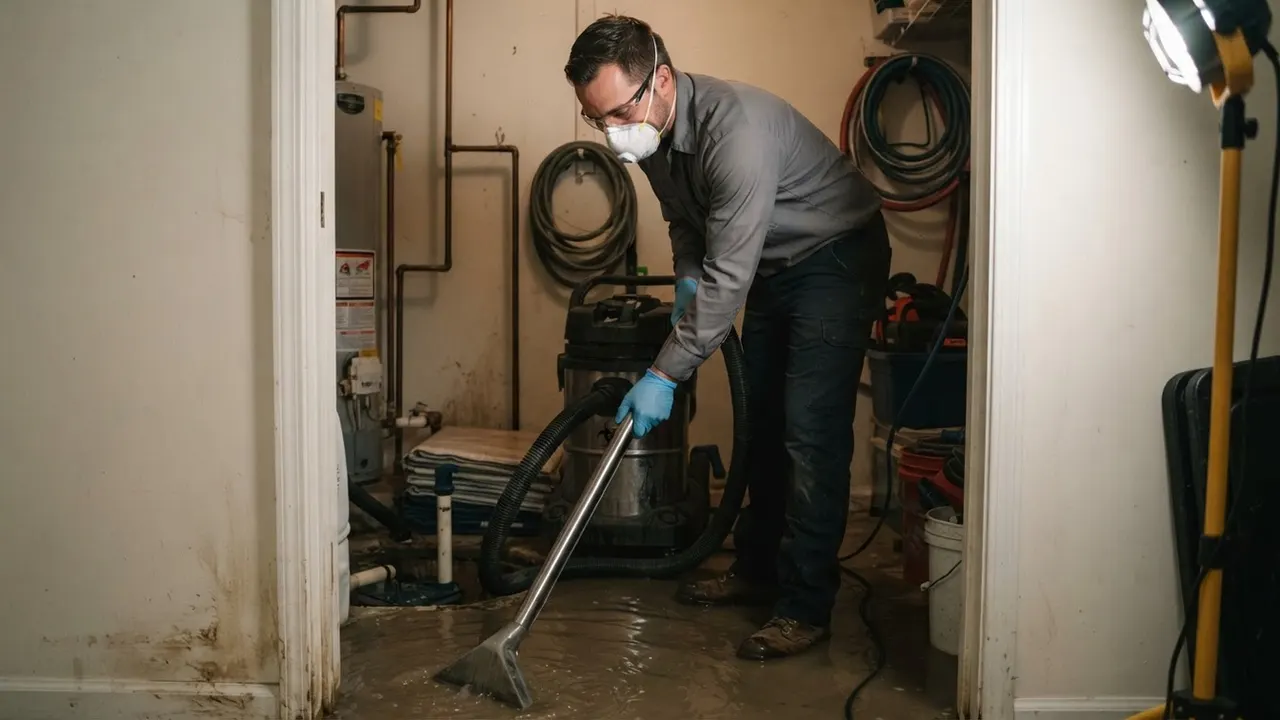
Inspection Findings
Recorded observations and moisture readings by affected area.
Mold inspection and testing Mesquite NV helps homeowners, tenants, and property managers find moisture sources and assess suspected mold before repairs begin. Our team checks visible growth, musty odors, water-damaged materials, and concealed areas using measured inspection methods. If you need mold testing Mesquite NV after a leak, storm, or unexplained indoor odor, we explain what we find and what should happen next.
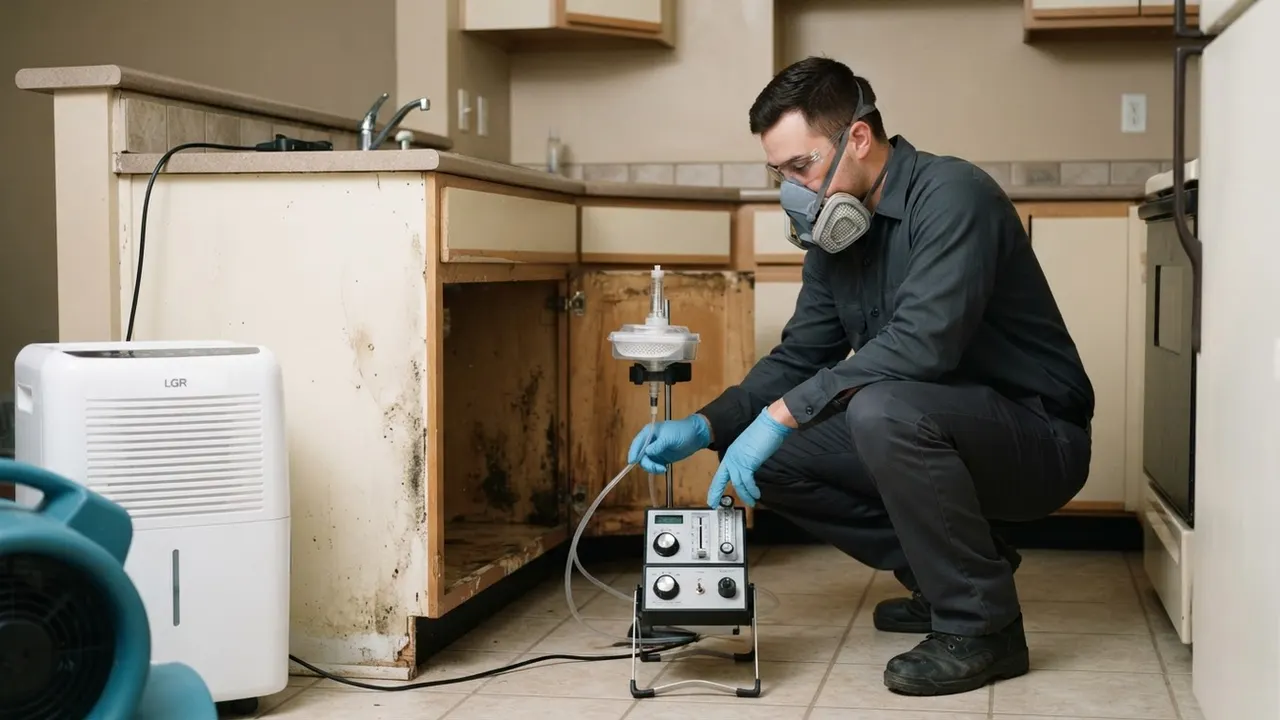
Our inspection covers the reported concern, visible conditions, likely moisture pathways, and relevant material readings. We explain whether targeted sampling adds useful information and document the areas assessed. Laboratory analysis, invasive opening of finished surfaces, and remediation are separate steps when the findings call for them; we discuss those options in relation to your property rather than assuming they are needed.
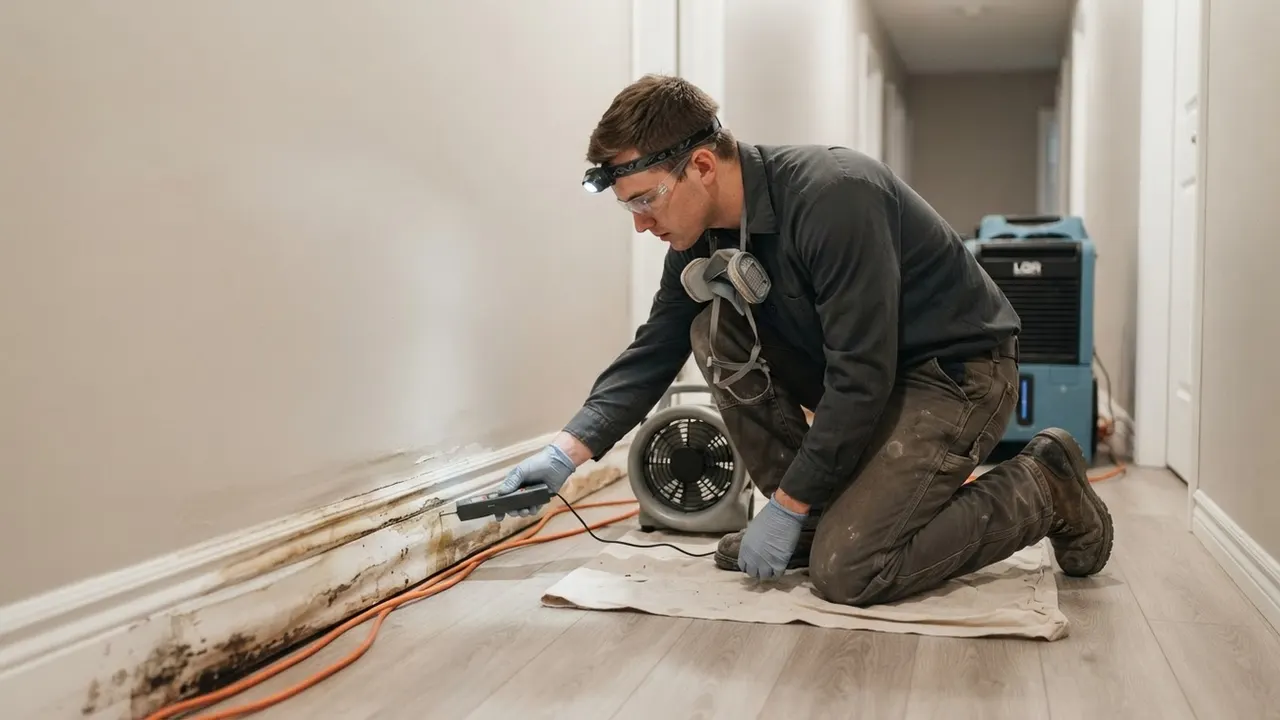
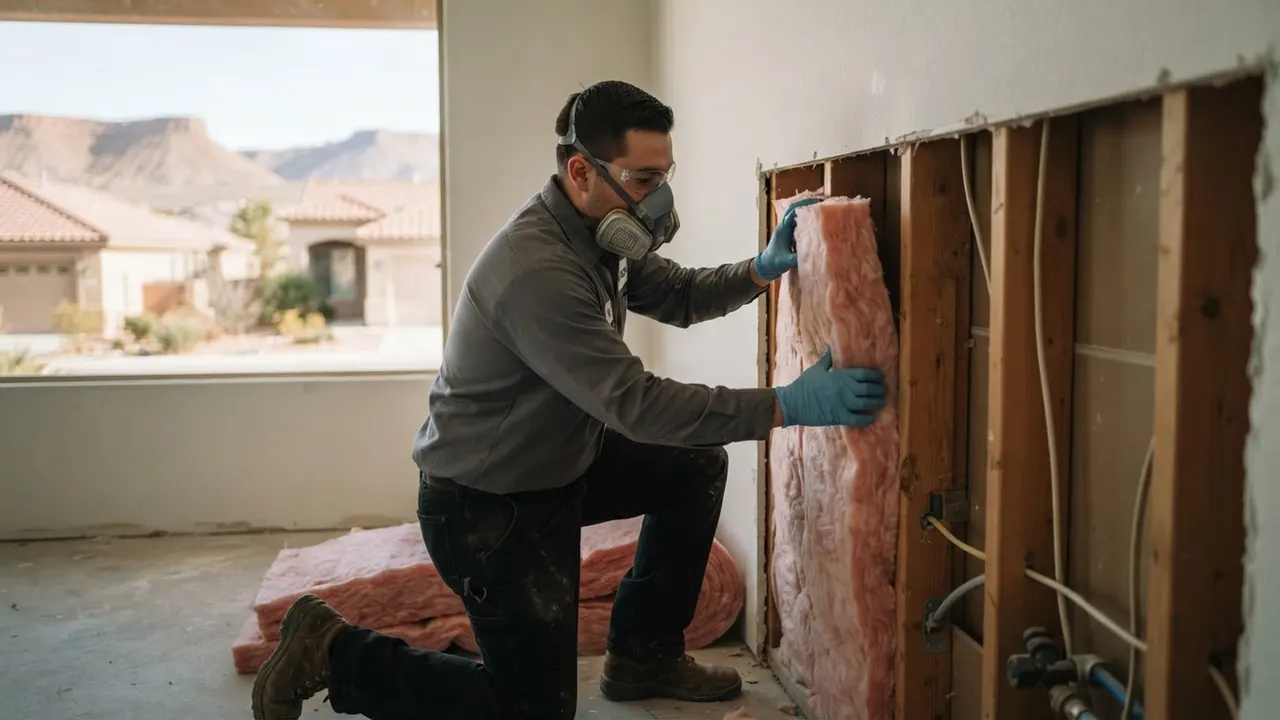
We check the rooms and materials affected by leaks, stains, or persistent odors in your home. You get clear findings about moisture, sample options, and the next repair step.
We assess reported concerns in offices, retail spaces, and managed properties with attention to access and occupants. Our findings help you plan repairs and follow-up without guessing at the affected area.
Mold inspection and testing Mesquite NV is a building assessment that locates moisture, evaluates visible or suspected mold, and determines whether sampling is useful. We start with the reported concern, inspect affected rooms and adjoining materials, and take moisture readings at relevant surfaces. A moisture meter helps distinguish a dry stain from an actively damp area, while a thermal imaging camera can flag temperature patterns that merit closer checking. Testing is selected for the question at hand; a sample alone does not identify the source or correct the moisture problem.
Mesquite properties can develop hidden dampness after a burst pipe, slab leak, roof leak, appliance leak, or storm flooding, even where the surface appears dry. We inspect drywall, baseboards, carpet padding, and nearby cavities when the damage pattern calls for it, then explain whether further assessment is warranted. For mold inspection after water damage Mesquite NV, timing matters: materials left wet for 24 to 48 hours deserve prompt attention, especially if a musty odor or visible spotting appears.
Measure the moisture, trace its source, and test only when the answer helps guide the repair.
Mold inspection services Mesquite begin with your description of the leak, odor, or visible change, followed by a focused site visit. We work through the likely moisture path, explain any sampling, and review the findings with you. A straightforward residential visit often takes about two to four hours; larger or concealed areas need more time.
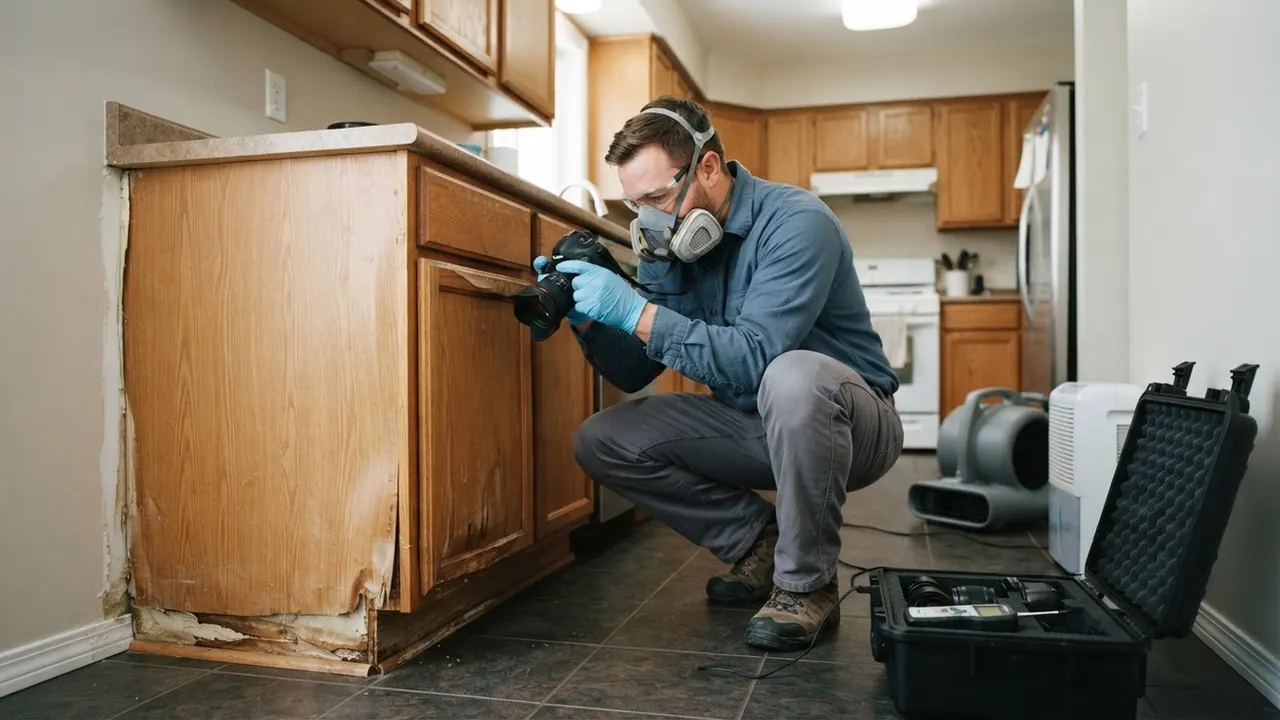
We ask when the odor or staining appeared, what water event occurred, and whether repairs or drying have already happened. You can point out rooms that feel damp or symptoms that return after cleaning. This conversation usually takes 10 to 20 minutes and helps us choose where to begin rather than testing randomly.
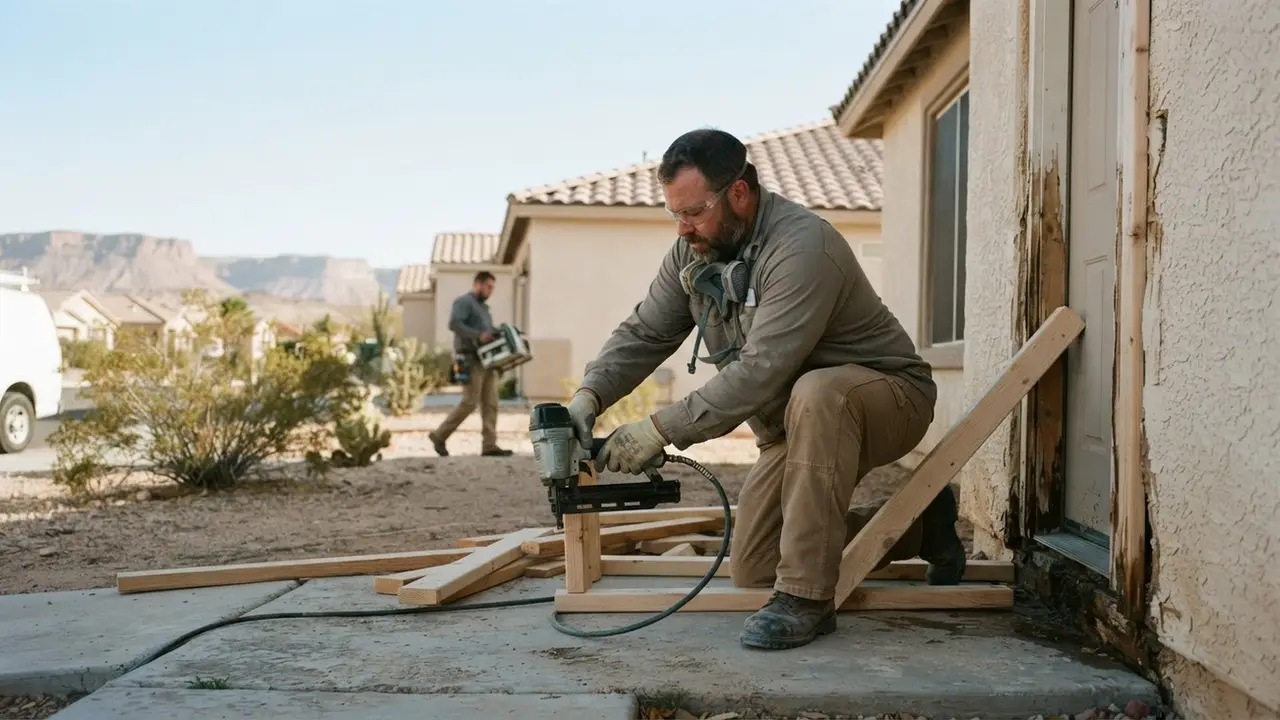
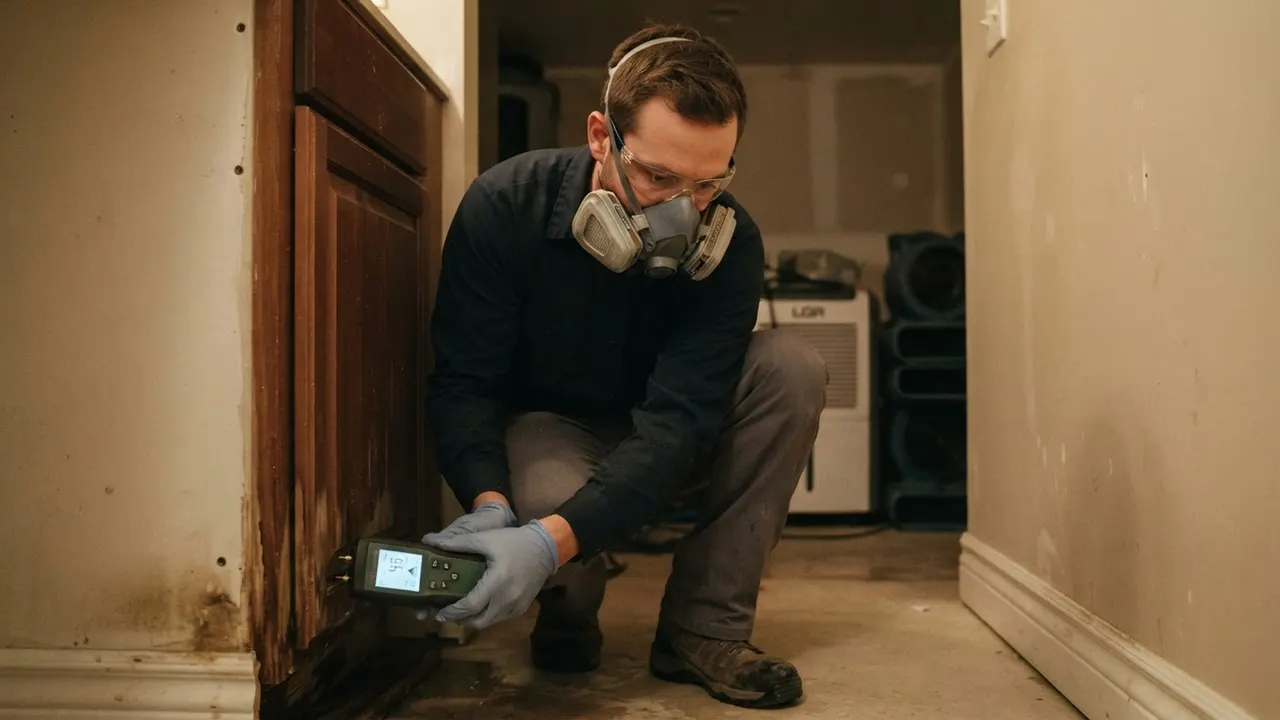
Our technician checks visible surfaces, adjacent rooms, plumbing access points, and any known leak path. A moisture meter provides comparative readings, and a hygrometer records indoor relative humidity. We may use a boroscope camera to view a cavity through a small existing opening when the suspected area cannot be seen directly.
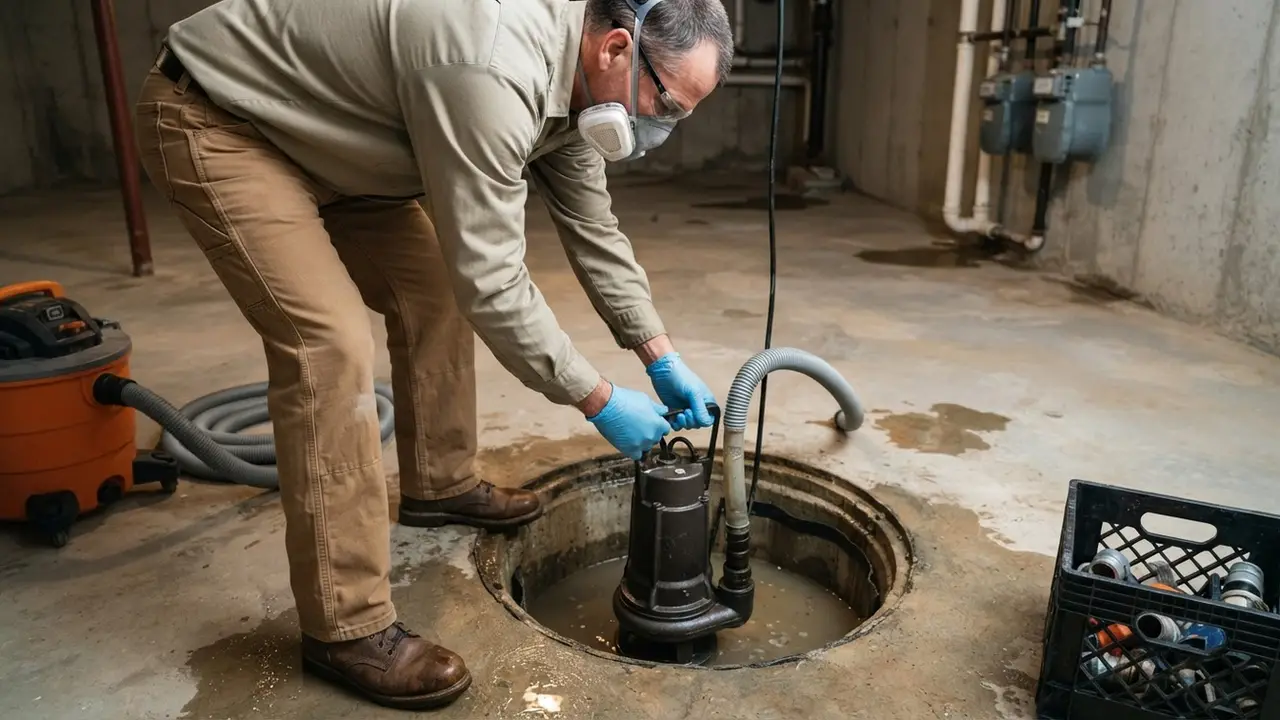
We compare affected materials with nearby dry reference points and note readings by location. A thermal imaging camera can help identify temperature differences, but it does not confirm mold by itself. We explain what needs direct access, what appears dry, and whether measurements support further investigation.
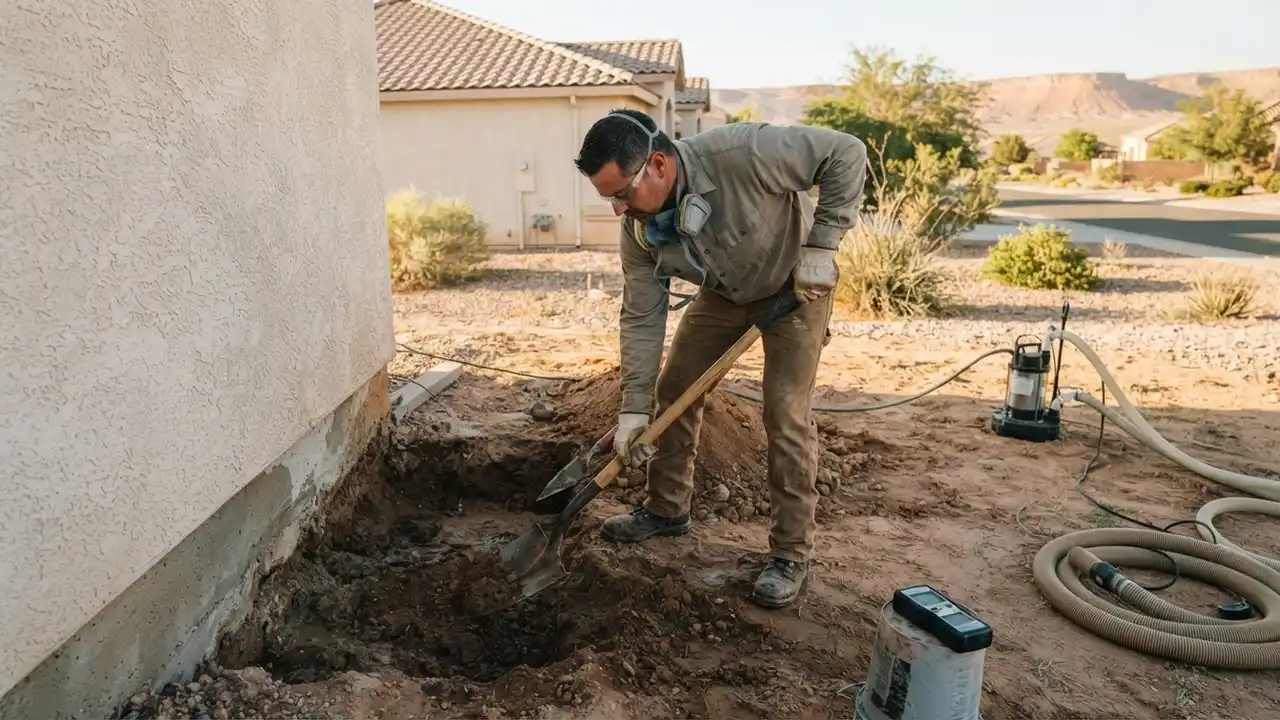
If testing fits the inspection question, we select a sample location and method based on the suspected condition. We label and document samples for laboratory analysis when applicable, and explain that results are not an instant health diagnosis. Sampling often adds time for collection and later result review.
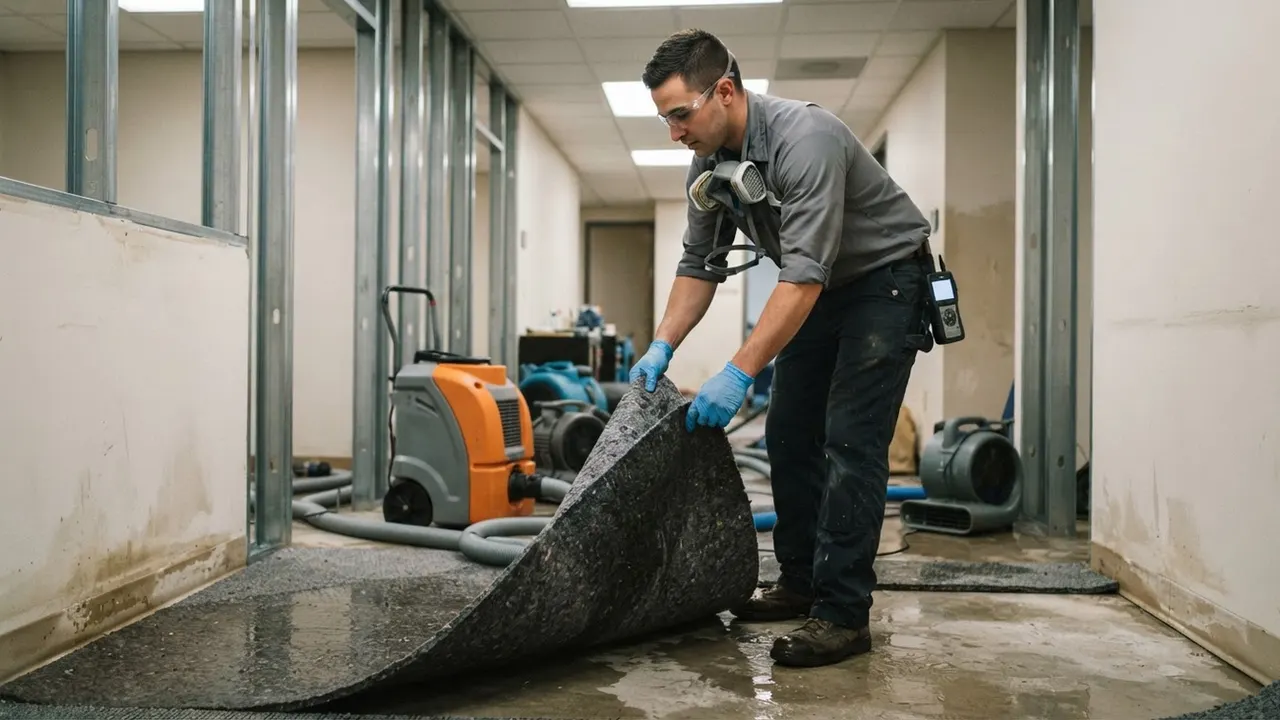
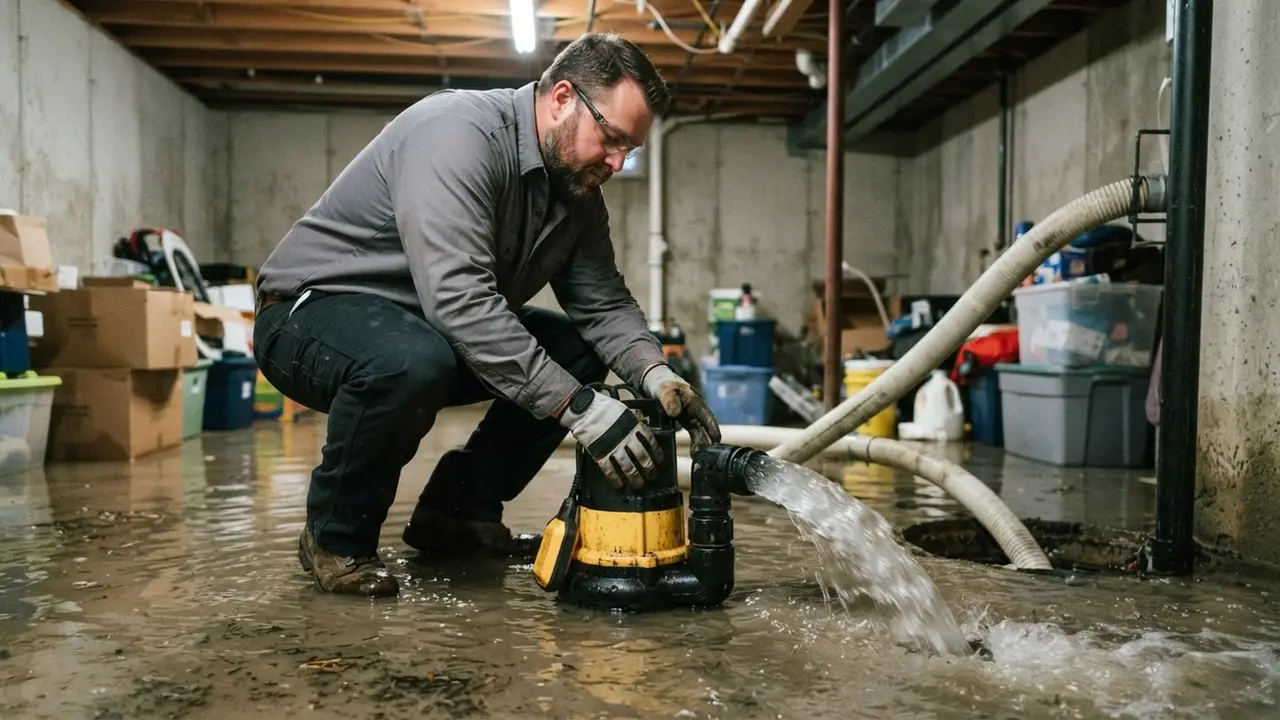
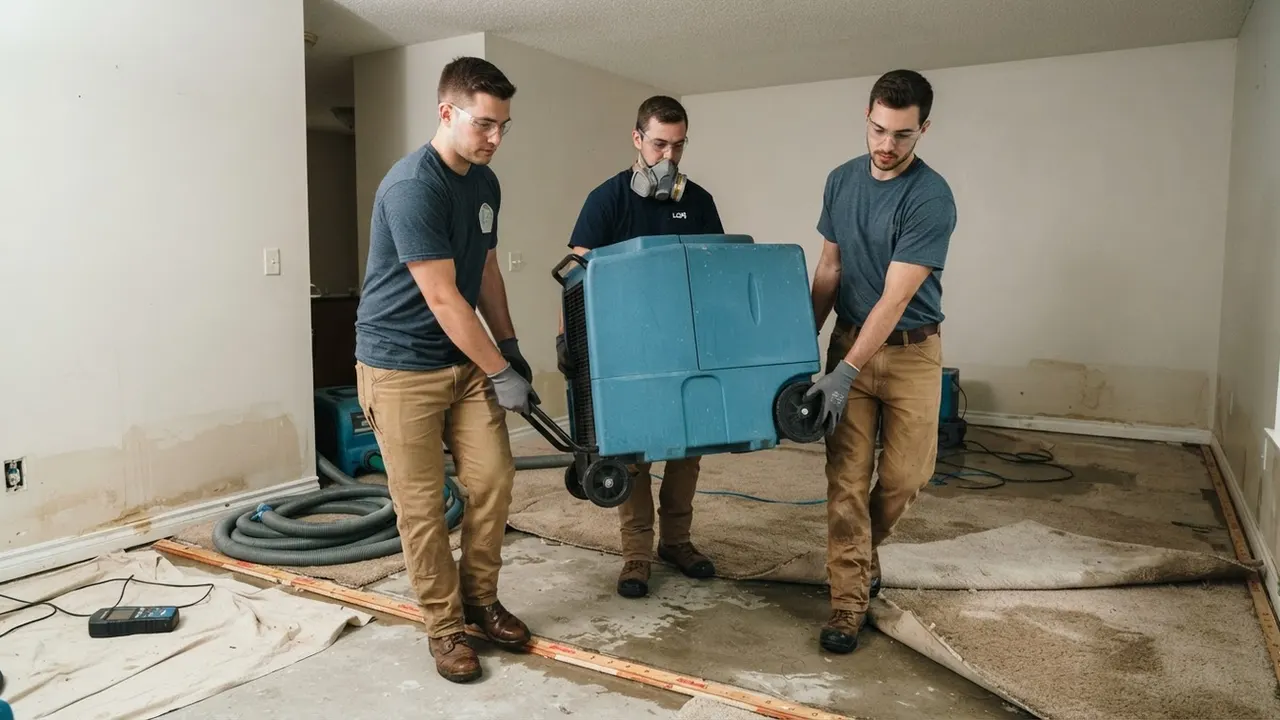
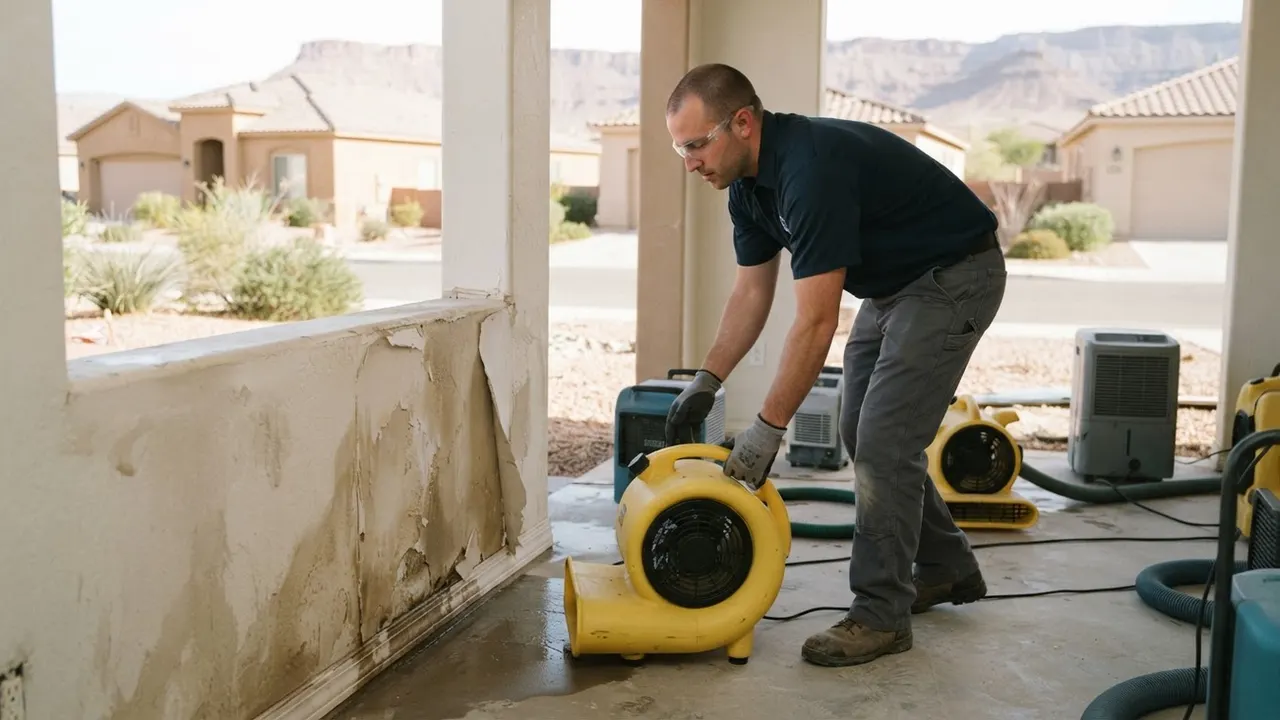
Before we leave, we summarize observed conditions, moisture readings, and any sample plan or follow-up. You will know whether the priority is stopping a leak, drying materials, opening a concealed area, or arranging mold remediation. When active water remains, an air mover and dehumidifier may be part of the drying plan.
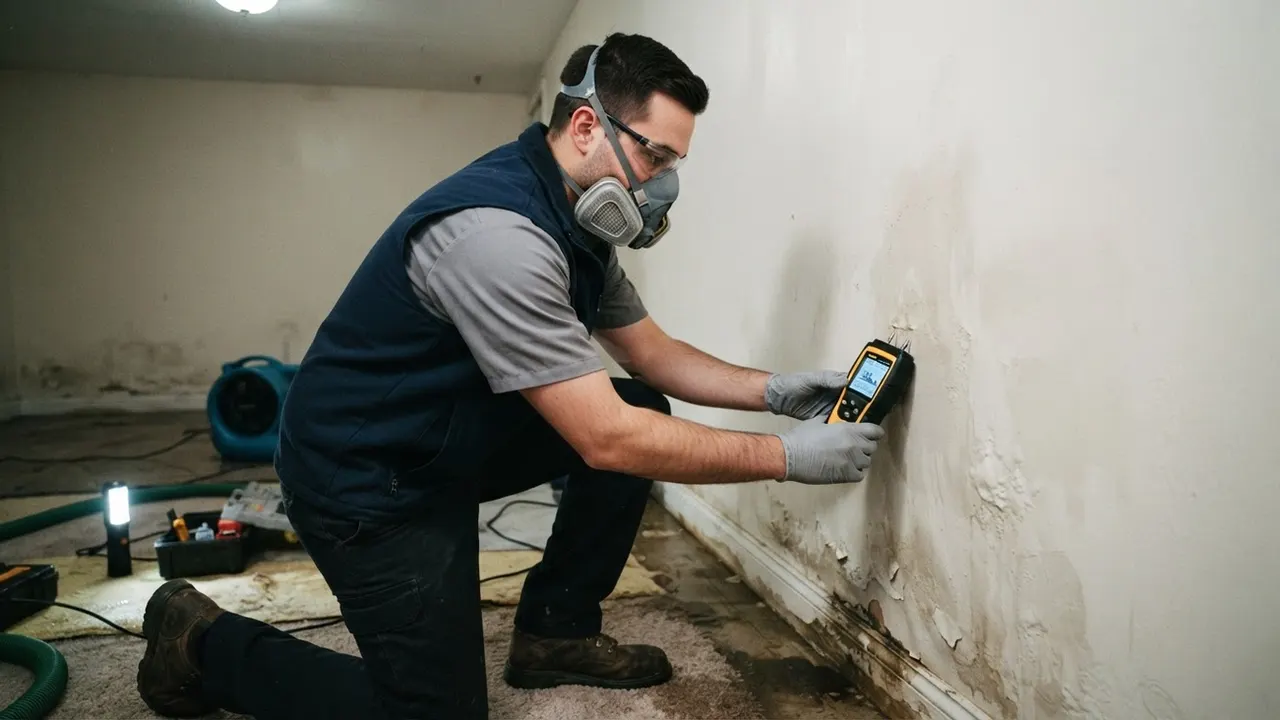
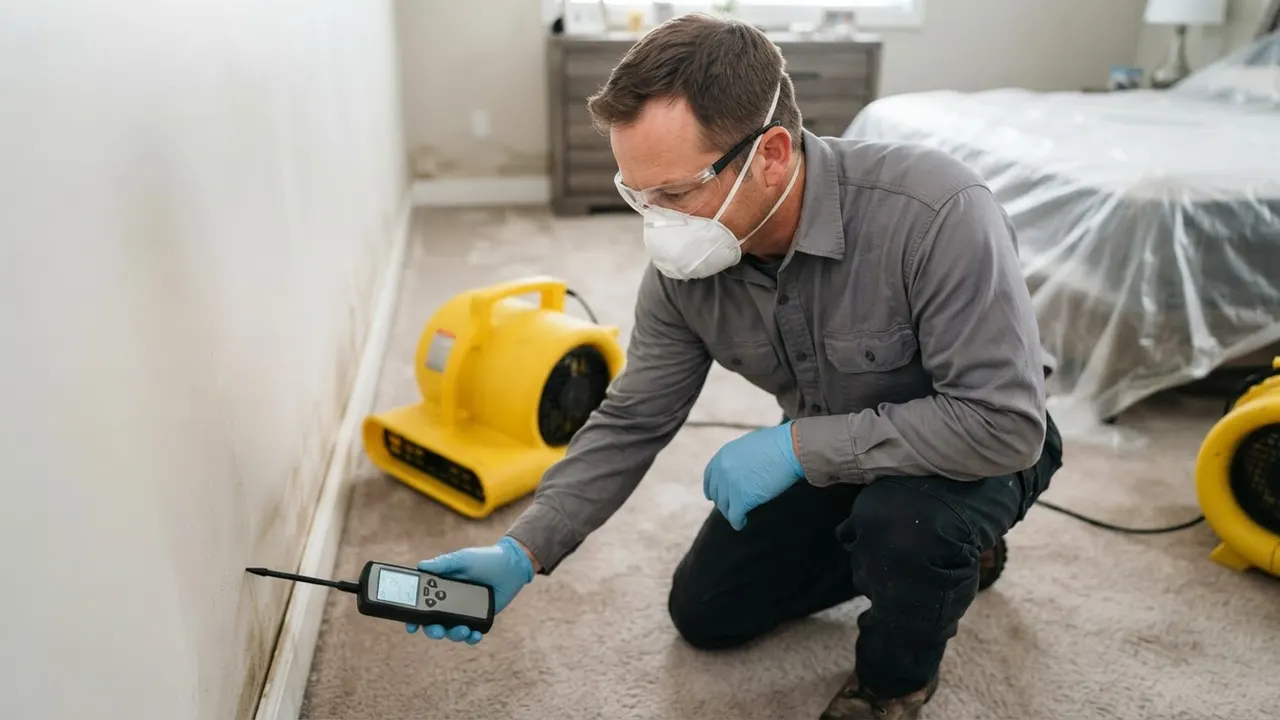
We compare moisture levels in relevant materials such as drywall and baseboards, checking affected spots against nearby reference areas.
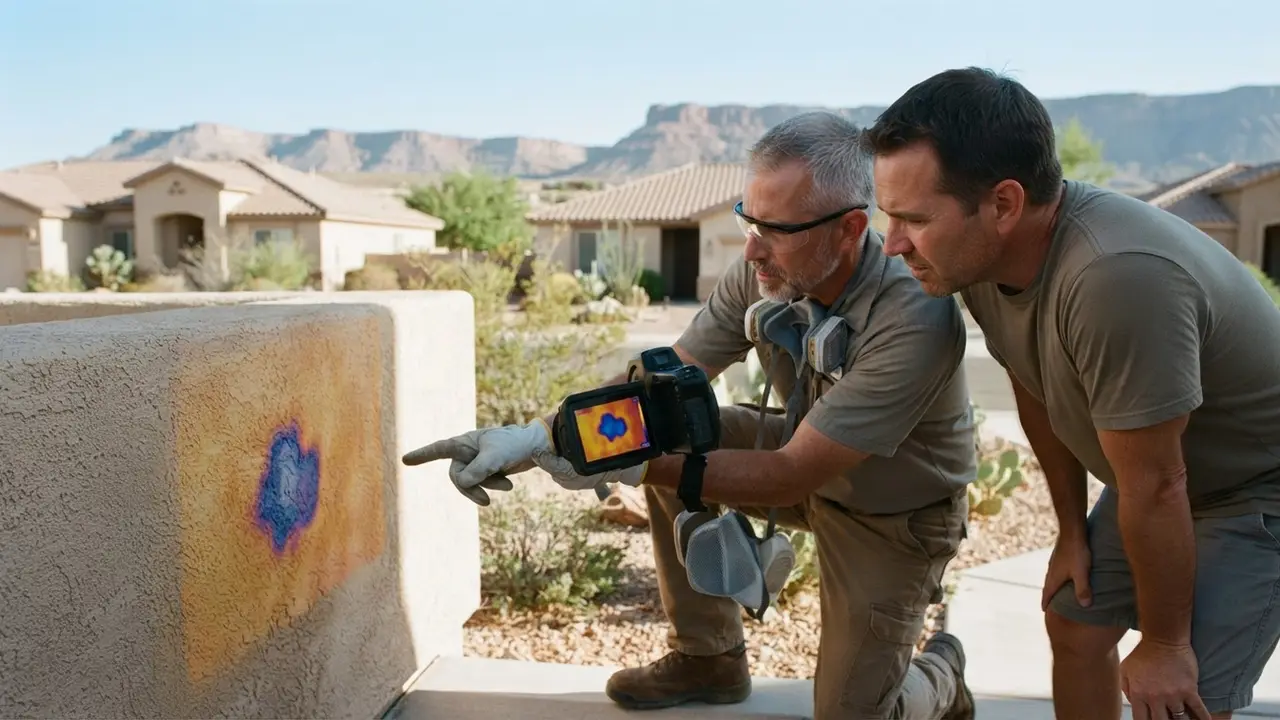
We use temperature patterns to identify areas for closer investigation; the image guides measurements but does not confirm mold.
We record indoor relative humidity to understand drying conditions alongside material readings and the history of the water event.
Where access permits, a boroscope camera helps view a concealed cavity through an existing opening without broadly removing finished materials.
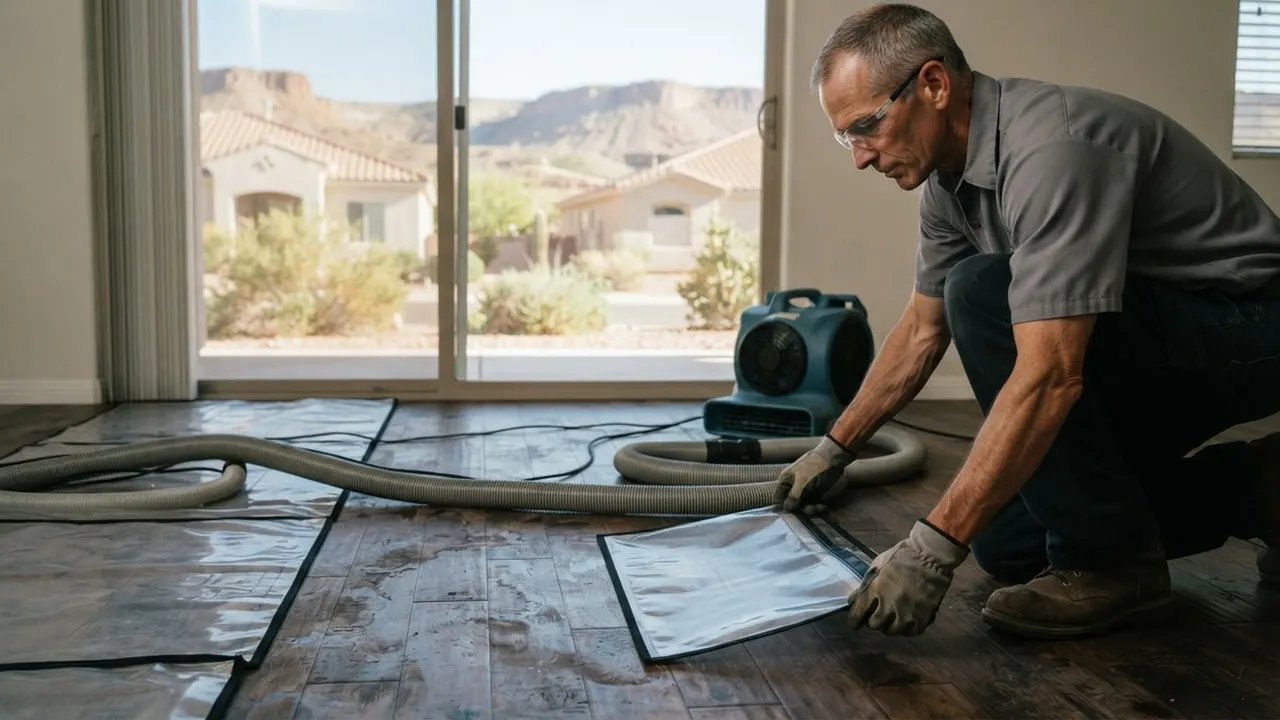
When site conditions call for controlled work, this equipment helps manage airborne particles during related restoration activity.
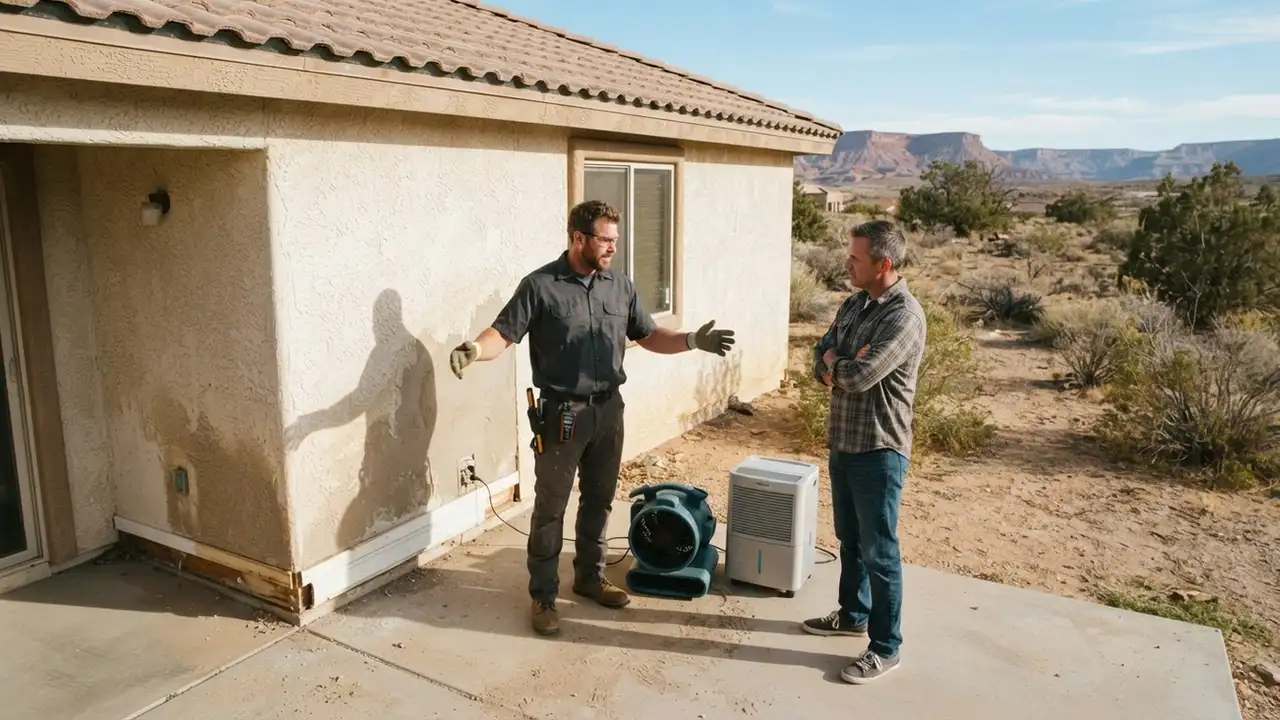
We note readings by material and location, then compare the affected area with nearby reference points. This method helps show whether moisture is localized or extends farther than the visible stain. The readings guide further access and drying decisions, but they are not a stand-alone mold test.
We follow the reported water event from its likely origin through connected surfaces and materials. Staining, swelling, odor, and dampness are considered together. If a roof leak, pipe connection, or appliance source remains active, stopping that source takes priority over cosmetic repairs.
We select a sample location only when analysis can help answer a defined question about suspected mold. The location and collection are documented, and laboratory findings are reviewed with the inspection observations. A sample result does not identify the moisture source or decide which building materials need repair.
We inspect the appliance area, baseboards, and adjoining flooring, then compare moisture readings across affected and dry reference points. If water reached carpet padding or a wall cavity, we explain the access and drying steps needed. Sampling is discussed only if it answers a specific concern about suspected growth. You learn whether damp materials remain, what likely needs drying or repair, and whether testing provides useful additional information.
We assess the ceiling and nearby wall, check accessible moisture conditions, and document the water pattern for the property manager. Our team explains whether the area appears to be drying or still receiving water, and whether roof repair or controlled opening is needed before finishes are restored. The property manager receives a focused record of the affected area and a sequence for stopping entry, drying materials, and checking again.
We inspect the repaired line area and surrounding materials, taking readings where water could have traveled behind shelving or along the floor edge. We coordinate the assessment around access needs and explain whether targeted sampling or additional cavity inspection would answer the remaining question. You get a defined assessment area and practical next steps that help plan repairs while limiting unnecessary disruption to stored items.
We map the visible change, compare moisture readings at nearby surfaces, and review when the discoloration returns. Inspection can identify patterns that support further plumbing evaluation, but it does not replace leak detection. We document the conditions so the next trade can focus on the likely area. You have evidence to guide the next investigation and avoid treating grout discoloration as proof of mold or a confirmed leak.
Mesquite's hot, dry periods can make a room feel dry while moisture remains trapped beneath flooring or inside a wall cavity. We check materials directly rather than assuming the indoor air tells the whole story. During cooler, wetter weather, roof leaks and wind-driven rain can create ceiling stains that spread along framing before they become obvious. In established homes and newer properties alike, plumbing connections, appliance lines, and slab-level leaks deserve attention when odors or stains recur. Our mold assessment Mesquite NV service follows the water history, checks accessible materials, and identifies where further access is justified. For mold inspection Eastridge NV, we bring the same moisture-focused approach used across Mesquite: document the affected area, compare readings, and explain whether sampling contributes to a decision. Clark County properties can have different construction details from one home to another, so we base recommendations on the actual materials and leak path rather than a one-size checklist. If water remains active, we address source control and drying before the space is closed or refinished.
A small appliance leak left a damp odor near the laundry room, though the visible floor looked dry. The homeowner had wiped the surface but did not know whether water reached the carpet padding or baseboard. No moisture readings had been taken, and the leak history was unclear.
We traced the affected area from the appliance connection to the floor edge and recorded readings at several points. The inspection identified where further drying attention was needed and which adjoining surfaces read dry. The homeowner had a documented next step instead of replacing the entire floor based on odor alone.
Check appliance hoses and connections periodically, especially after moving a washer. If a leak occurs, remove standing water promptly and note where it traveled so an inspection can target the correct materials.
After rain, a ceiling mark appeared below a roof transition and enlarged over several days. The room had no standing water, but the paint felt cool and a faint musty odor remained. The owner needed to know whether the affected area had stopped getting wet.
We inspected the stain and surrounding ceiling, then compared moisture readings across the visible mark and nearby reference areas. The assessment separated the area needing source repair from adjacent surfaces that showed no elevated readings. The owner could coordinate the roof work and plan a focused follow-up rather than opening the entire ceiling.
After roof repairs, monitor the stain edge and odor for change. Keep a record of any new water marks, and arrange a follow-up reading if the area remains damp or the stain expands.
A homeowner noticed repeated discoloration near a bathroom wall and suspected mold behind the finish. The surface had been cleaned more than once, but the mark returned. The source was uncertain, and there was no confirmation that the wall cavity remained damp.
We reviewed the history, checked the affected wall and nearby baseboard, and used comparative readings to identify the area needing further evaluation. Sampling was discussed in relation to the concern, not treated as an automatic step. The homeowner left with a clear distinction between observed moisture and suspected concealed growth.
Watch plumbing fixtures and grout joints for recurring dampness, and repair leaks promptly. If discoloration returns, record when it appears and avoid covering the area before the moisture source is assessed.
A persistent odor or recurring stain often signals a moisture issue that surface cleaning cannot resolve. Our team checks the affected building materials and likely water path, then separates what is visible from what still needs confirmation. That helps you move from suspicion to a specific repair or testing decision.
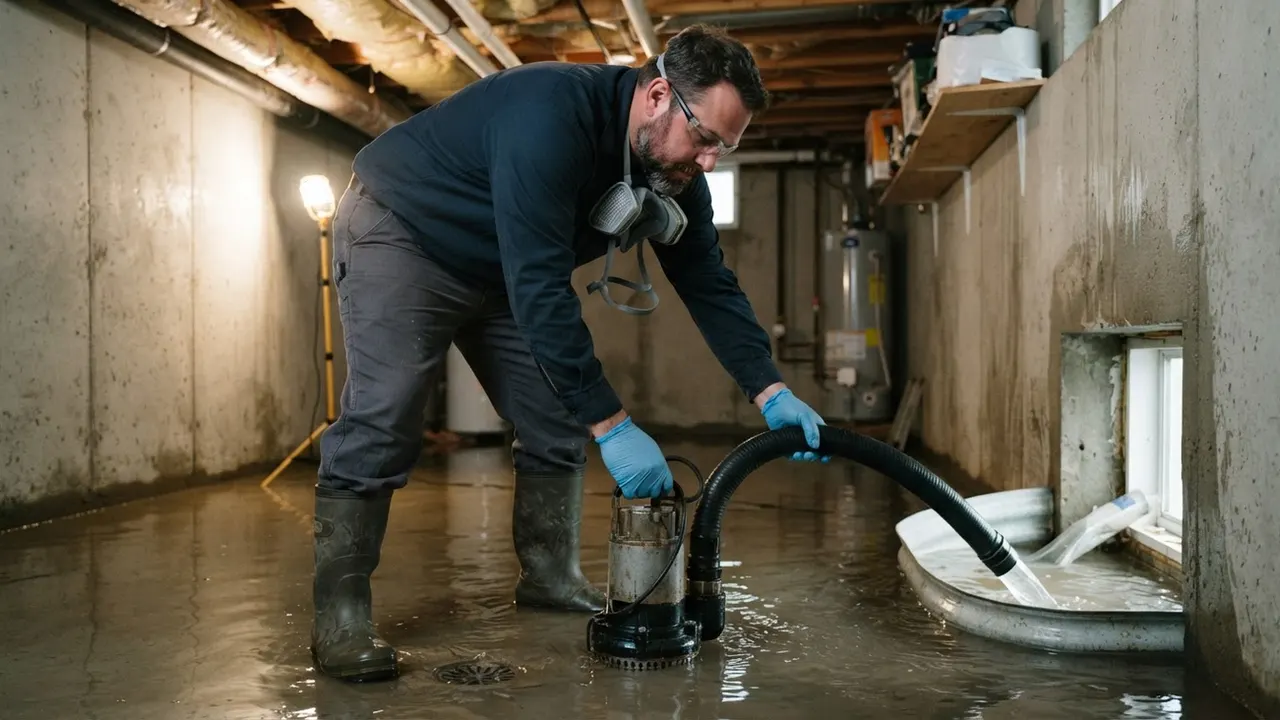
We inspect the odor area and compare moisture readings across nearby materials, checking likely leak paths such as plumbing connections or exterior penetrations. If a concealed space needs viewing, we explain access options. You receive a clear distinction between confirmed dampness and areas that need further investigation. The smell can persist if moisture remains behind a baseboard, under flooring, or inside a wall cavity, even after the visible surface has been cleaned.
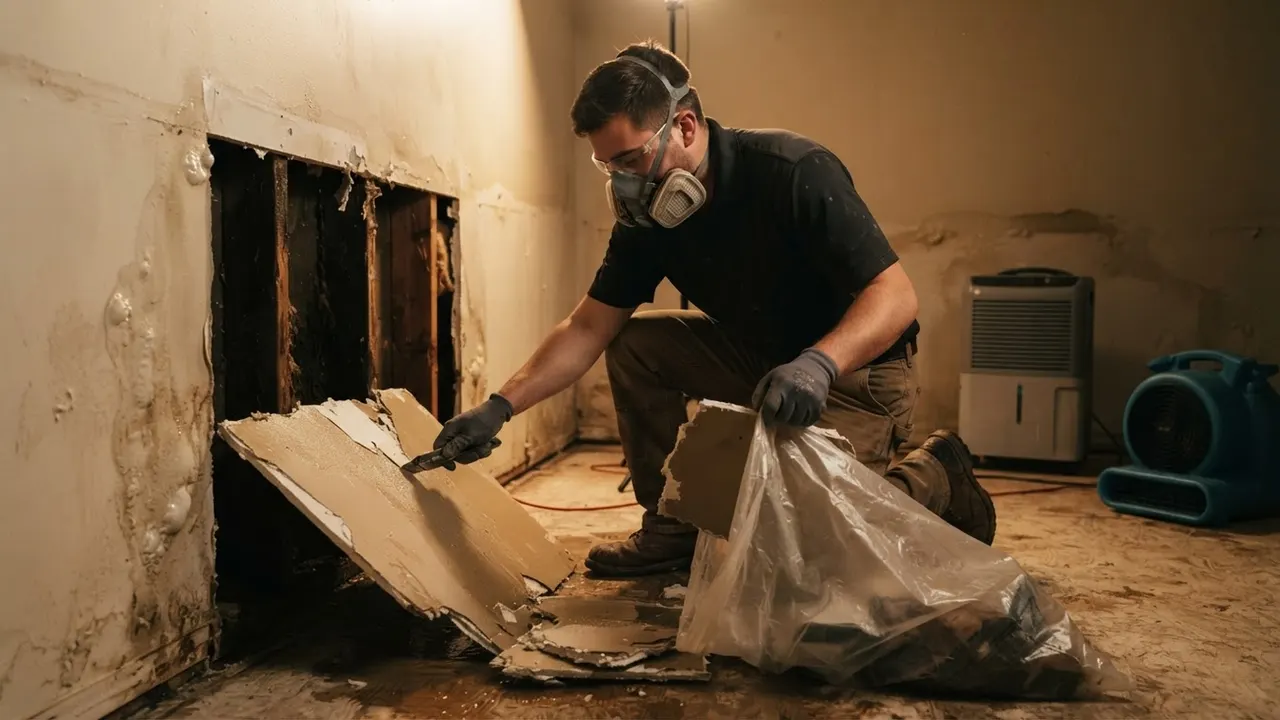
We trace the pattern from the stain toward the likely source and inspect adjacent surfaces for moisture changes. A thermal imaging camera can help identify areas for closer measurement, while direct readings guide the assessment. We explain whether source repair, drying, or opening the cavity should come next. A spreading stain can mean water is still entering or has traveled beyond the visible mark, affecting insulation and drywall that appear intact from the room.
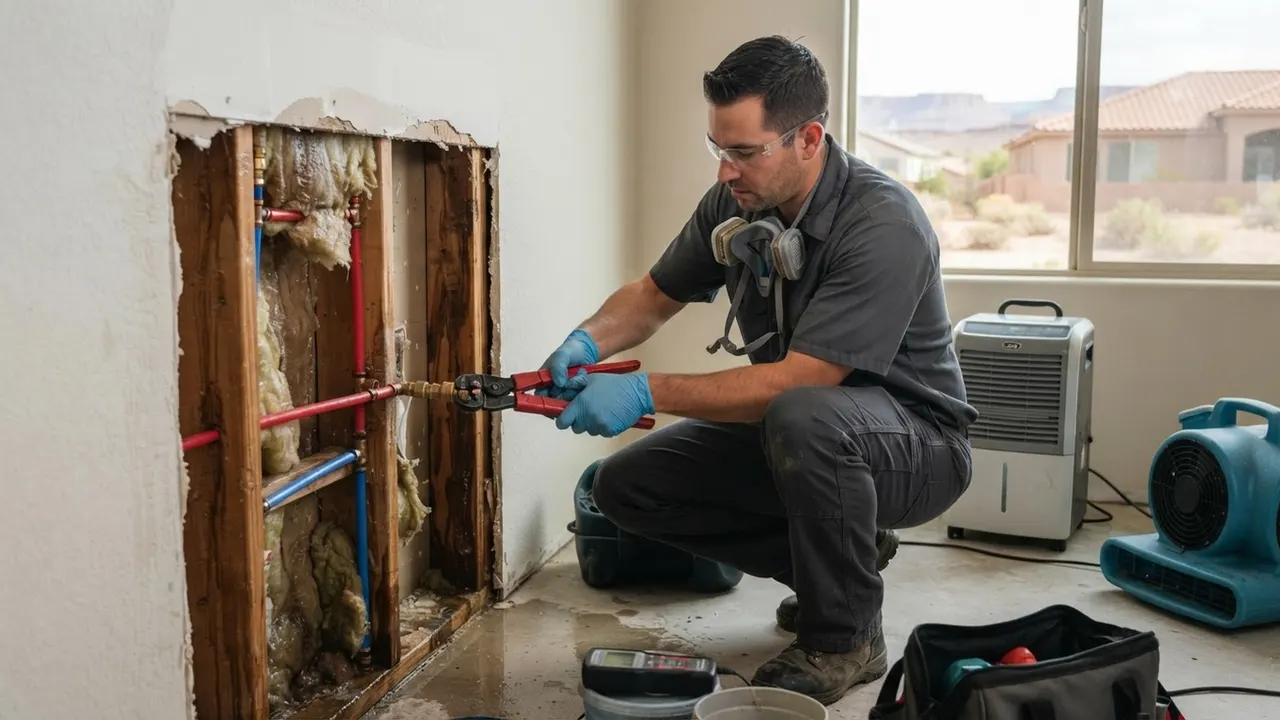
We review the leak history, inspect accessible areas, and measure relevant materials before recommending sampling. If professional mold testing Mesquite NV is appropriate, we explain what it will answer. If the issue is clearly moisture control, we direct attention to the leak and drying before finish repairs. Without checking the affected materials, a homeowner may replace a surface unnecessarily or close a damp cavity before the water problem is resolved.
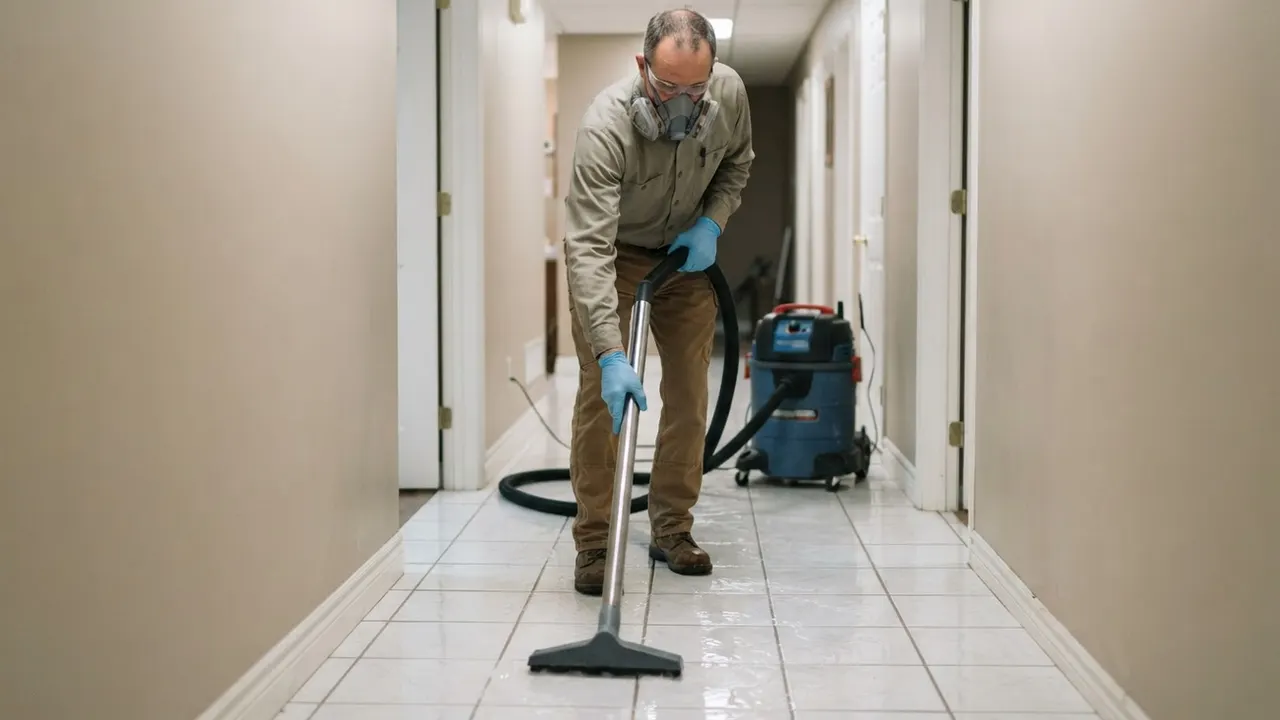
Our team documents where dampness appears and checks nearby materials for a consistent pattern. We discuss whether plumbing evaluation or foundation repair is needed, then explain how follow-up moisture checks can confirm whether conditions change after source work. Repeated moisture can affect flooring edges and lower wall materials, while the source remains hidden beneath a finish or near a foundation joint.
A small stain can extend beyond the visible mark. We compare readings across the affected surface and nearby dry areas, then check likely pathways such as plumbing penetrations and exterior walls. This helps narrow whether drywall, insulation, or flooring needs closer attention instead of treating the entire room as equally affected.
Professional mold testing Mesquite NV is most useful when a defined question guides the sample, such as whether suspected growth is present in a particular room. We explain the sampling location and what the result can and cannot establish. If visible growth and a clear moisture source already answer the practical question, sampling may add little value.
We record the areas checked, moisture findings, and any conditions that need follow-up. That gives you a usable reference when discussing repairs with a property manager, contractor, or insurer. A clear record also helps compare a later reading after drying, rather than relying only on memory or a changed surface appearance.
Mold-related work starts with controlling the water source, then addressing affected materials and drying conditions. We help connect inspection findings to services such as water extraction or mold remediation. That sequence reduces the chance of covering a damp cavity before the cause has been corrected.
Clear records you can keep and share.
Recorded observations and moisture readings by affected area.
Sampling purpose and locations, when testing is selected.
Practical direction for source repair, drying, or further review.
A moisture meter checks conditions in building materials, while laboratory sampling evaluates collected material or air. Each answers a different question, so results need to be read together.
A meter helps compare materials at affected and reference locations. It does not identify mold or determine its type.
Testing is most useful when the result will guide a decision about a defined area. A sample alone cannot find the water source.
Drying and repair depend on stopping water entry. Covering a damp surface before correcting the source can leave the problem in place.
Outside these neighborhoods? Call and ask about service in your area. (833) 546-4116
A basic residential inspection often varies while sampling or extensive concealed-area checks can raise the total. Typical 2026 pricing depends on property size, number of rooms, access, and laboratory samples. We explain the price before work proceeds. A useful inspection includes a moisture-focused review; a low-cost surface-only visit may not answer why the area became damp.
We inspect visible conditions, measure moisture, and collect targeted samples only when they help answer a specific question. The visit commonly takes two to four hours for a straightforward home assessment. We may use a moisture meter, hygrometer, or boroscope camera to evaluate the area, then send samples for analysis when appropriate. Results should be interpreted alongside the building inspection and water history.
Arrange an inspection if materials stayed wet for 24 to 48 hours, a musty odor persists, or staining returns after drying. We check the original leak path and nearby materials, including drywall and flooring edges, to determine whether moisture remains. For mold inspection after water damage Mesquite NV, the key is confirming the source is controlled before closing cavities or replacing finishes.
A mold inspection includes a review of your concerns, visual examination of relevant rooms, moisture measurements, and a discussion of whether sampling is useful. Most focused visits take about two to four hours, depending on access and affected area. We document findings and explain practical next steps, such as leak repair, drying, further access, or remediation. Laboratory sampling is an additional step when the inspection question calls for it.
Get a clear assessment of suspected mold, moisture, and the likely source. Our team documents what we find and explains practical next steps. Call Mesquite Water Damage Company at (833) 546-4116 to schedule service in Mesquite, NV.
Call (833) 546-4116 to explain what happened and where water is collecting. We take calls for water damage requests and connect you with an independent company that can discuss service details directly. If the leak is active, shut off the source when safe and tell us whether the water reached electrical equipment, flooring, or more than one room.