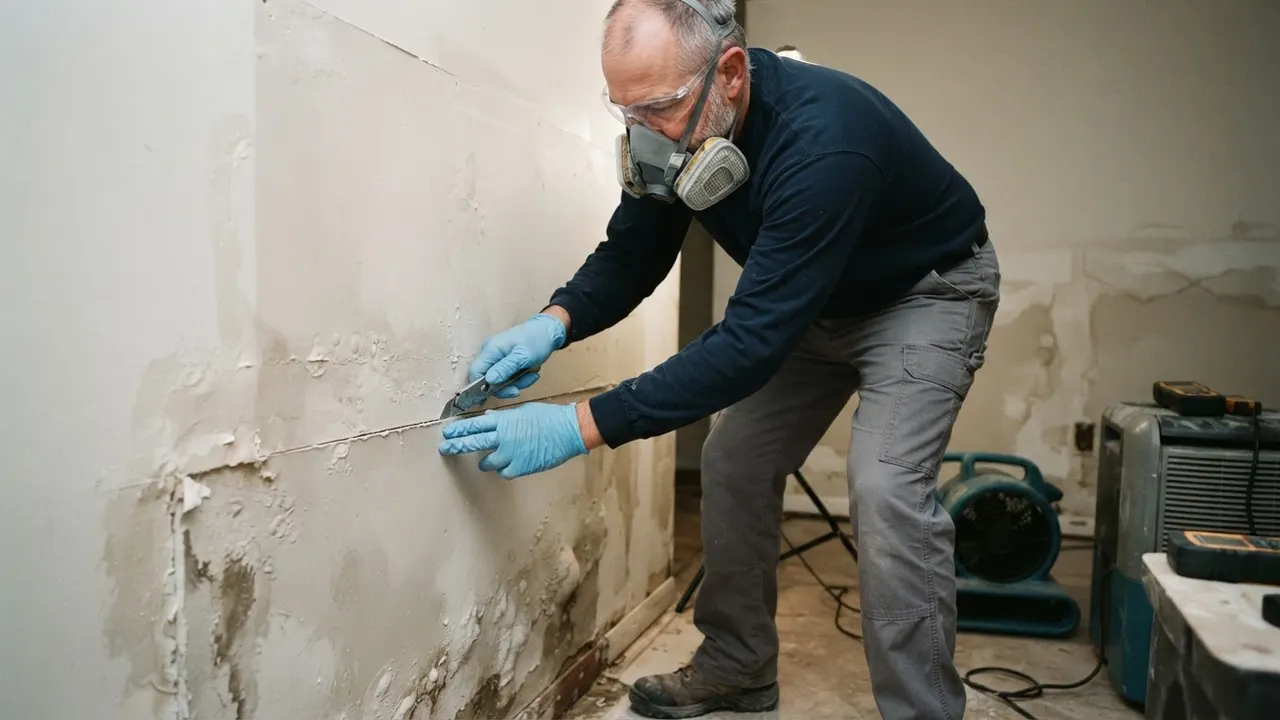
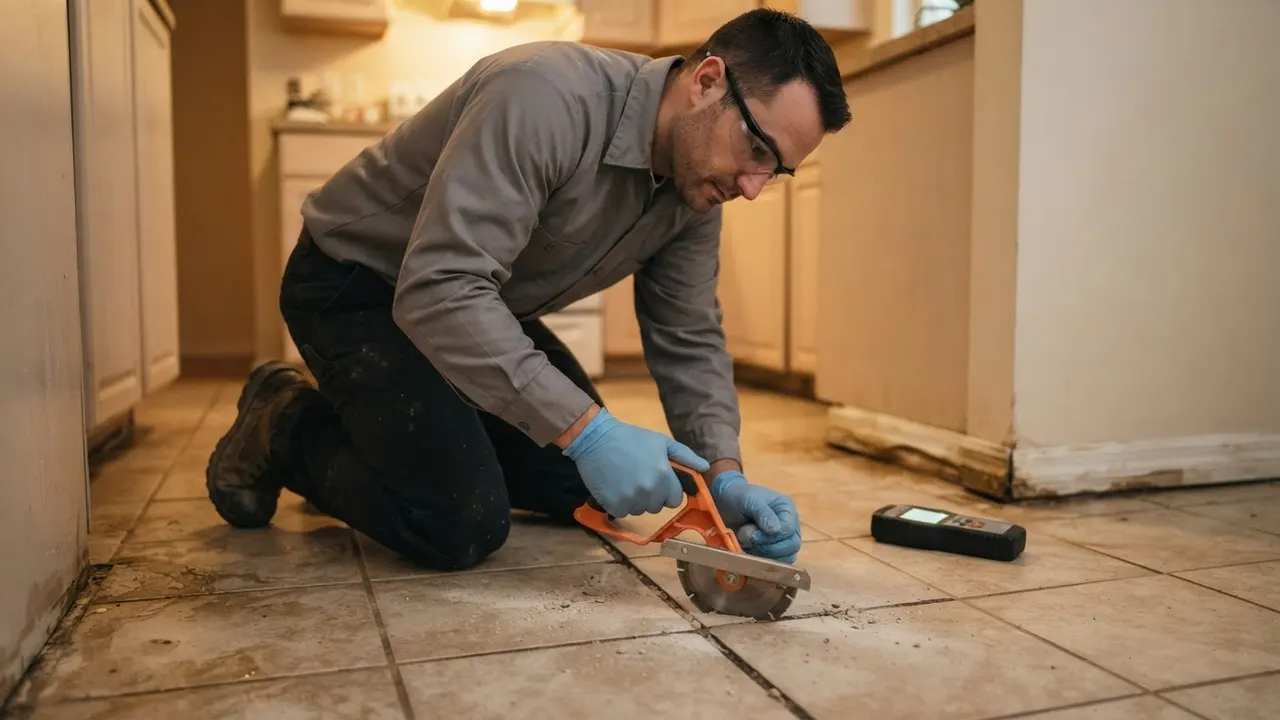
Moisture Findings
Recorded observations and affected-area readings.
Foundation water damage repair Mesquite NV helps homeowners and property managers address seepage, slab leaks, and wet materials before damage spreads. We locate the water source, remove standing water, and track drying in affected areas. If you see a new crack, damp baseboard, or musty odor, call Mesquite Water Damage Company at (833) 546-4116 to plan the next steps.
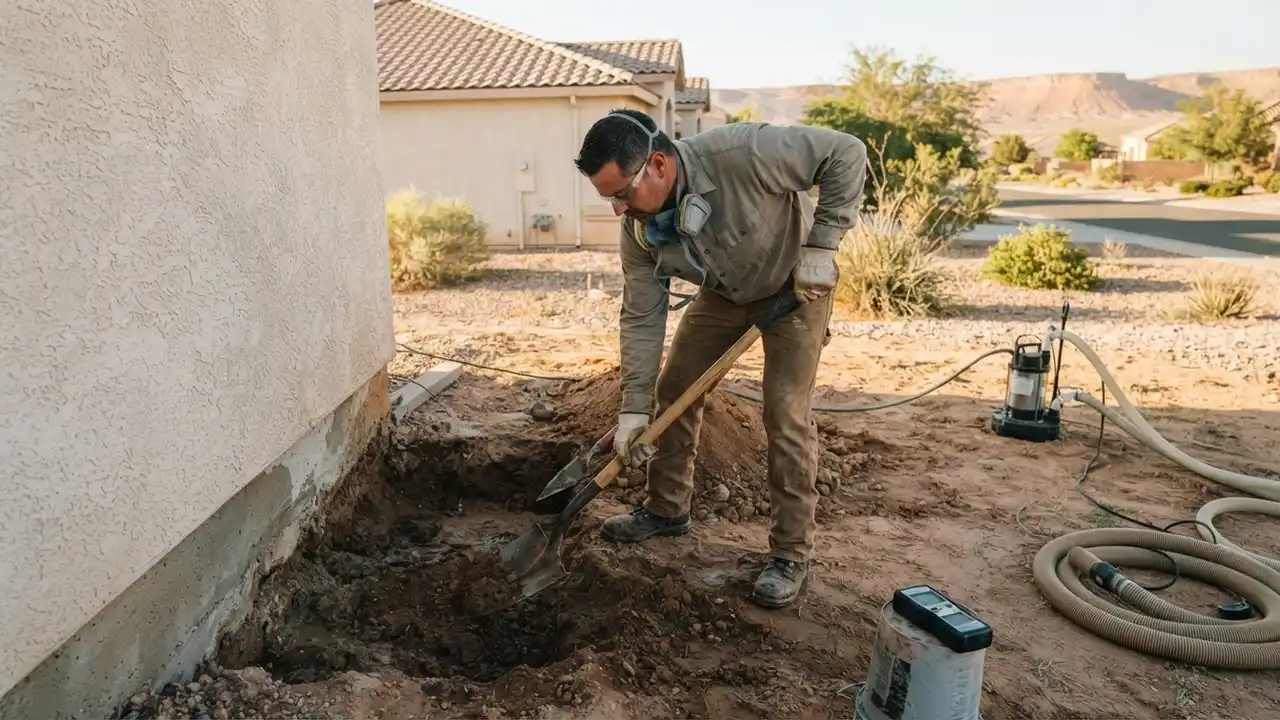
Our service covers water-source assessment, accessible water extraction, moisture checks, drying setup, and progress monitoring for affected building materials. We explain what is wet and what the readings show, then identify the appropriate next action. A plumbing repair, structural crack correction, or full finish rebuild may require a separate trade or added work; we do not treat those as water extraction. You will know which part of the job addresses moisture and which part restores the building.
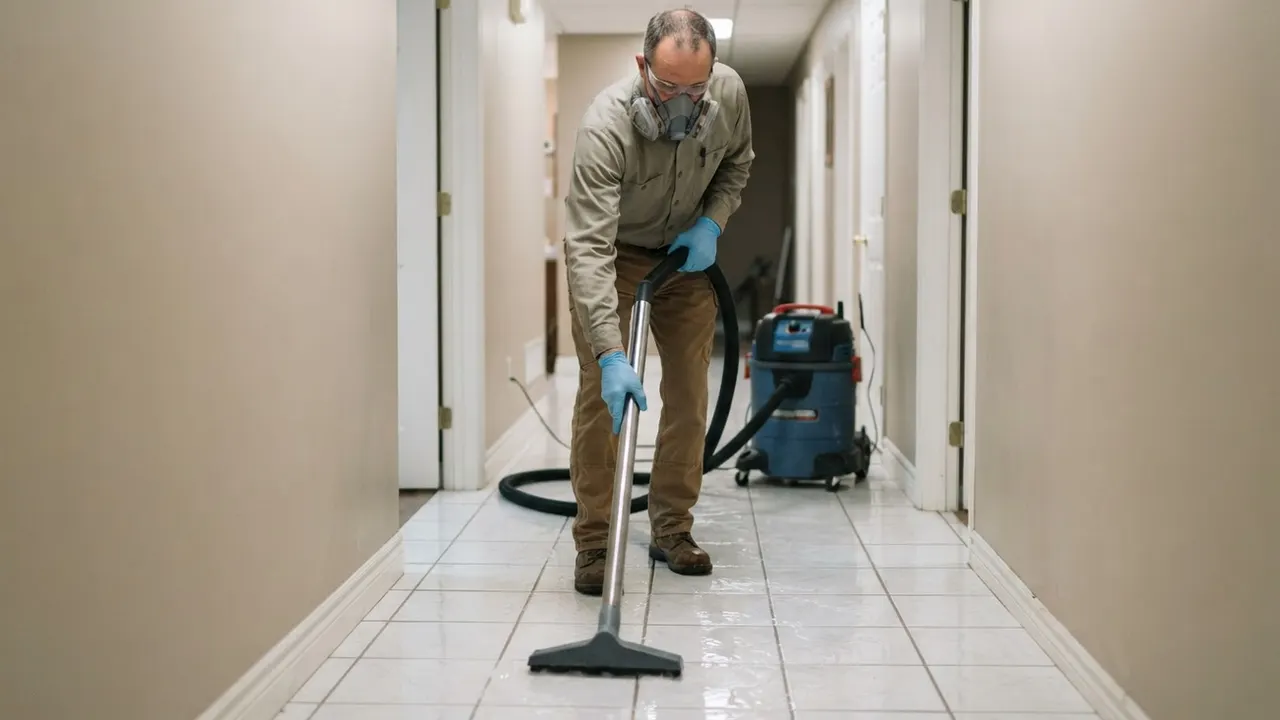
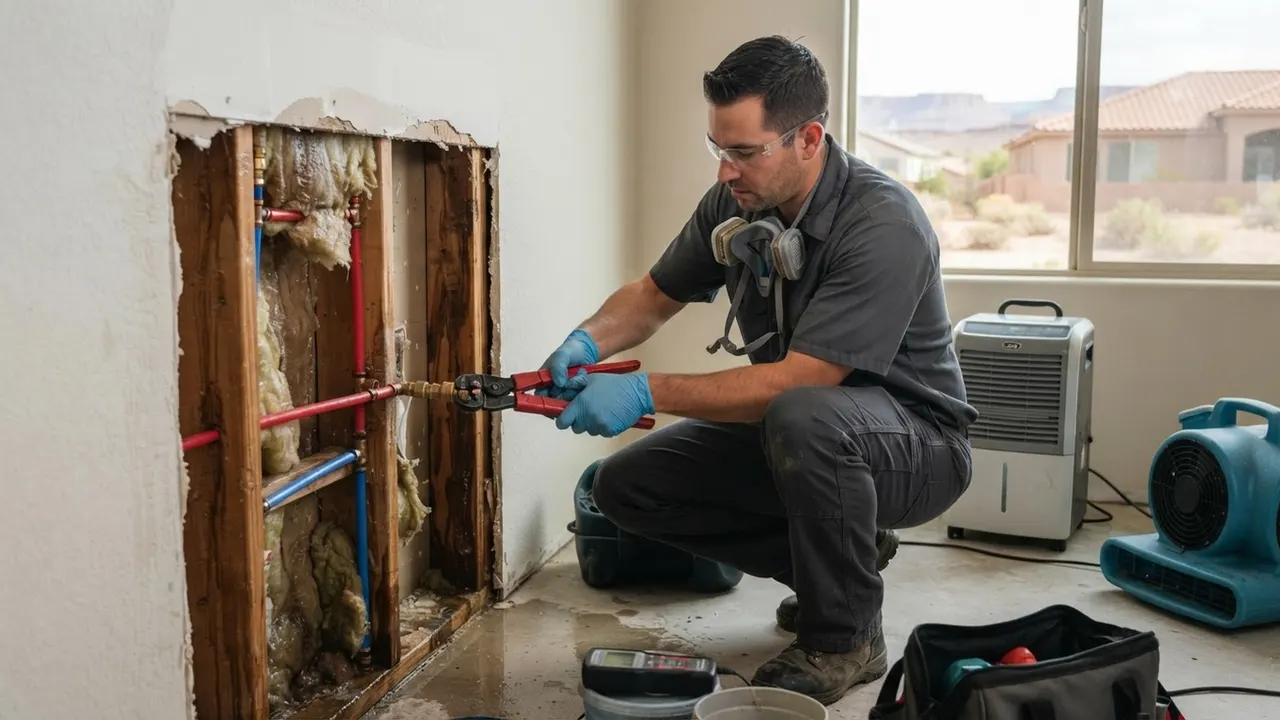
We help homeowners and tenants address water near slab edges, crawl spaces, and lower walls. You see what is wet, what we remove, and how drying progress is checked.
We coordinate foundation-level cleanup around occupants, stored goods, and operating areas. You get a clear sequence for extraction, drying access, and follow-up repairs.
Foundation water damage repair Mesquite NV is a water mitigation service that locates moisture around a foundation, removes water, and dries affected building materials after a leak or flooding event. We inspect the source and extent before selecting a method: a moisture meter checks material readings, while a thermal imaging camera helps identify temperature patterns that warrant closer inspection. We extract pooled water, remove unsalvageable wet insulation when needed, and dry sound materials with an air mover and dehumidifier. The goal is to control moisture and document conditions, not disguise a structural issue.
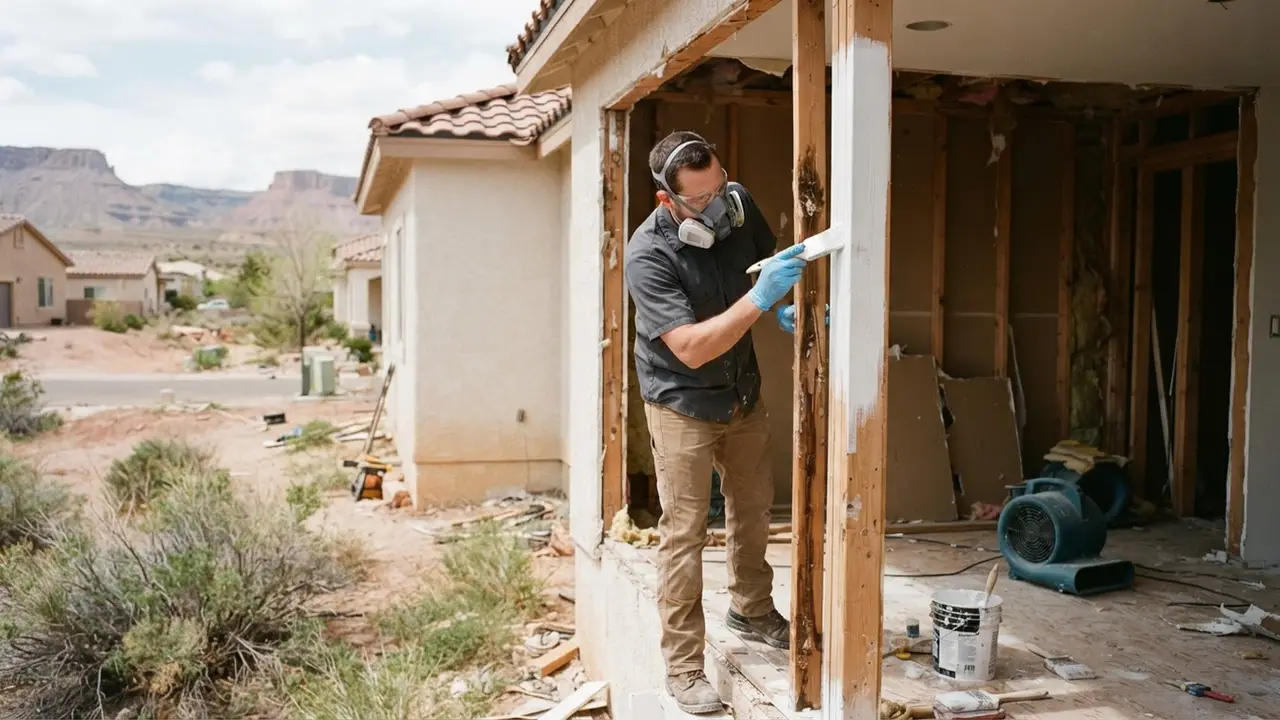
Mesquite homes can develop foundation moisture after a plumbing failure, roof leak, irrigation overspray, or storm flooding; water that enters at the slab edge can travel beneath flooring and into drywall. Our crew checks visible plumbing, exterior drainage, and the affected rooms so the repair addresses the source as well as the wet finish. Foundation leak repair Mesquite NV service is especially useful when you notice a recurring damp patch or swollen baseboards. For foundation water damage cleanup Mesquite NV, we remove water and track drying before rebuilding.
Find the water path, remove what is accessible, and verify drying before repairs cover the evidence.
Foundation water damage repair in Mesquite follows a practical sequence: stop active water, assess affected materials, extract, dry, and verify progress. We explain what we find as we work, keep you informed about access needs, and coordinate the order of tasks so wet materials are not covered prematurely.
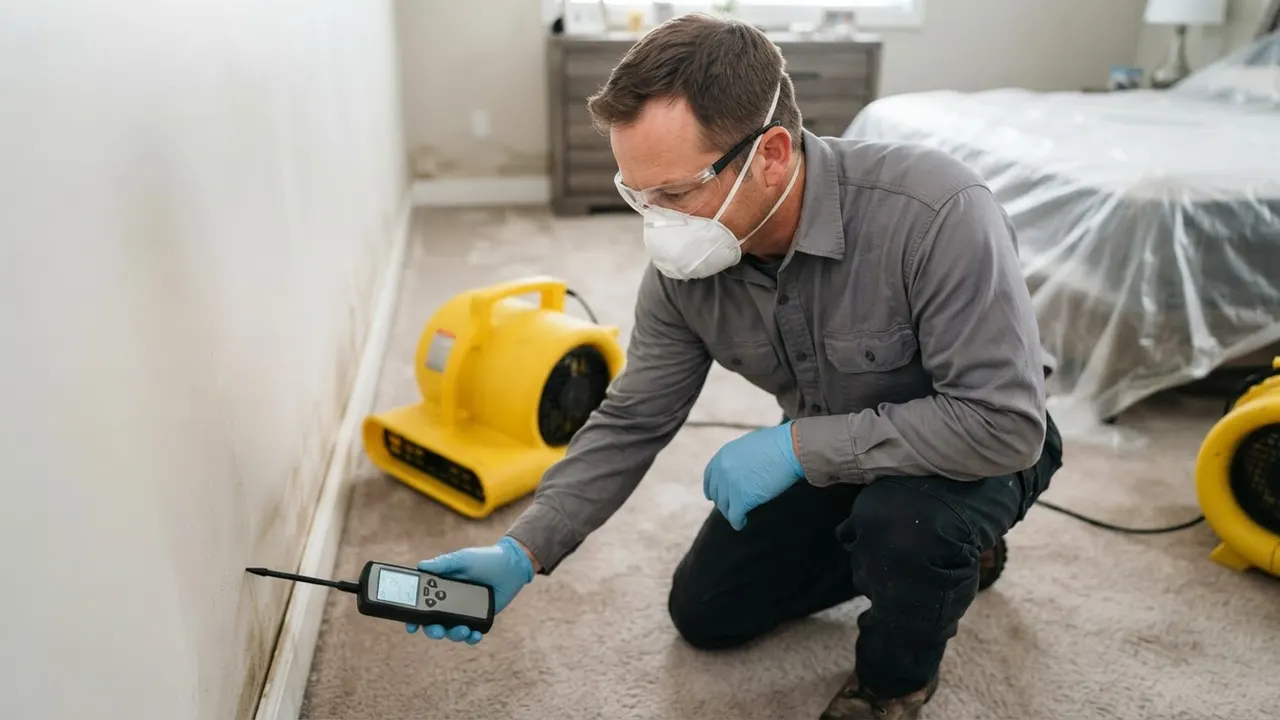
We begin by asking when the water appeared and whether it is still entering, then inspect the affected rooms and accessible foundation edges. If a burst pipe or appliance leak is active, we identify the shutoff point and help limit further water entry. The first inspection usually takes about 30 to 60 minutes, depending on access and the size of the affected area.
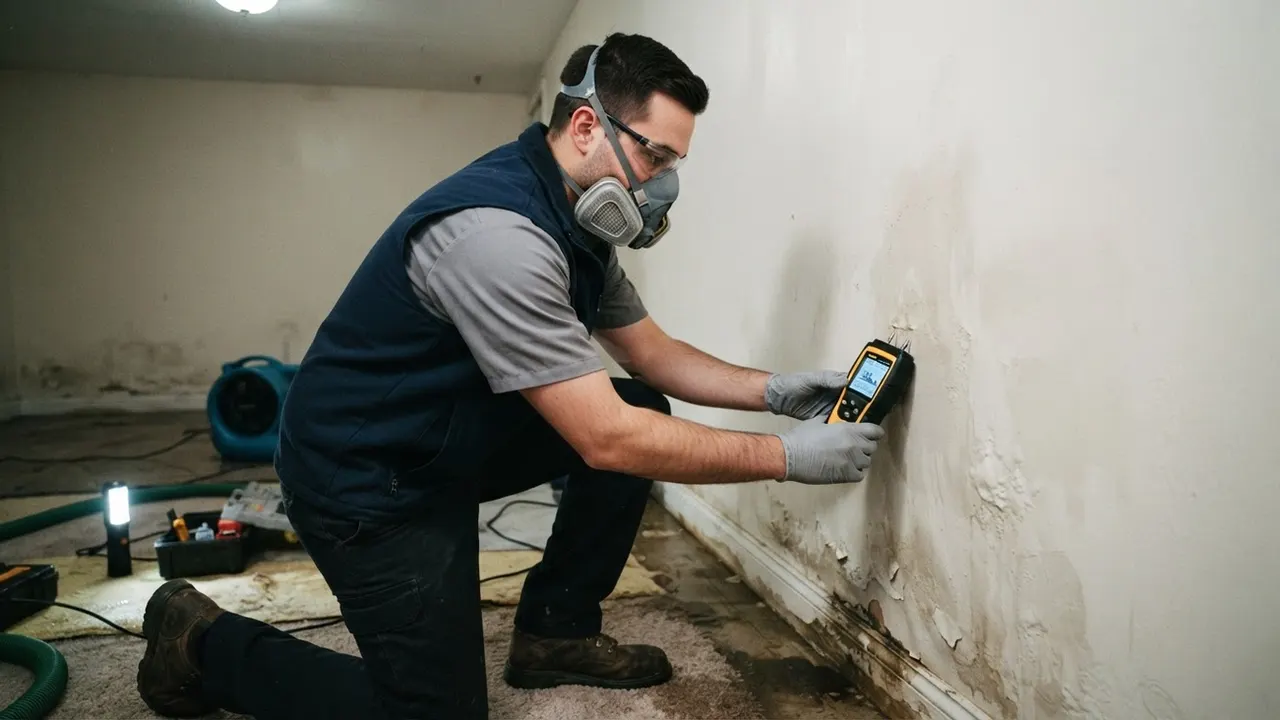
We check floors, baseboards, wall bottoms, and nearby contents, using a moisture meter to compare readings across affected and dry materials. A boroscope camera can help inspect a concealed cavity through a small access point when appropriate. We show you the findings and identify immediate protection steps before extraction begins.
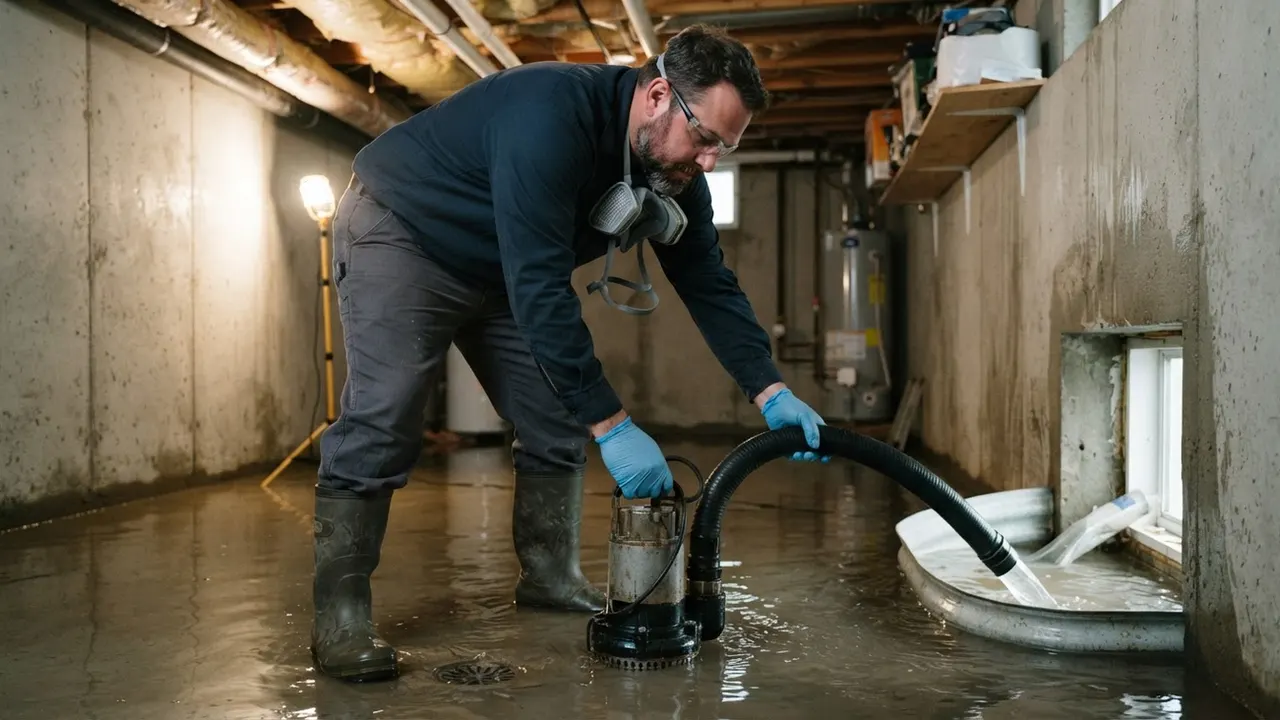
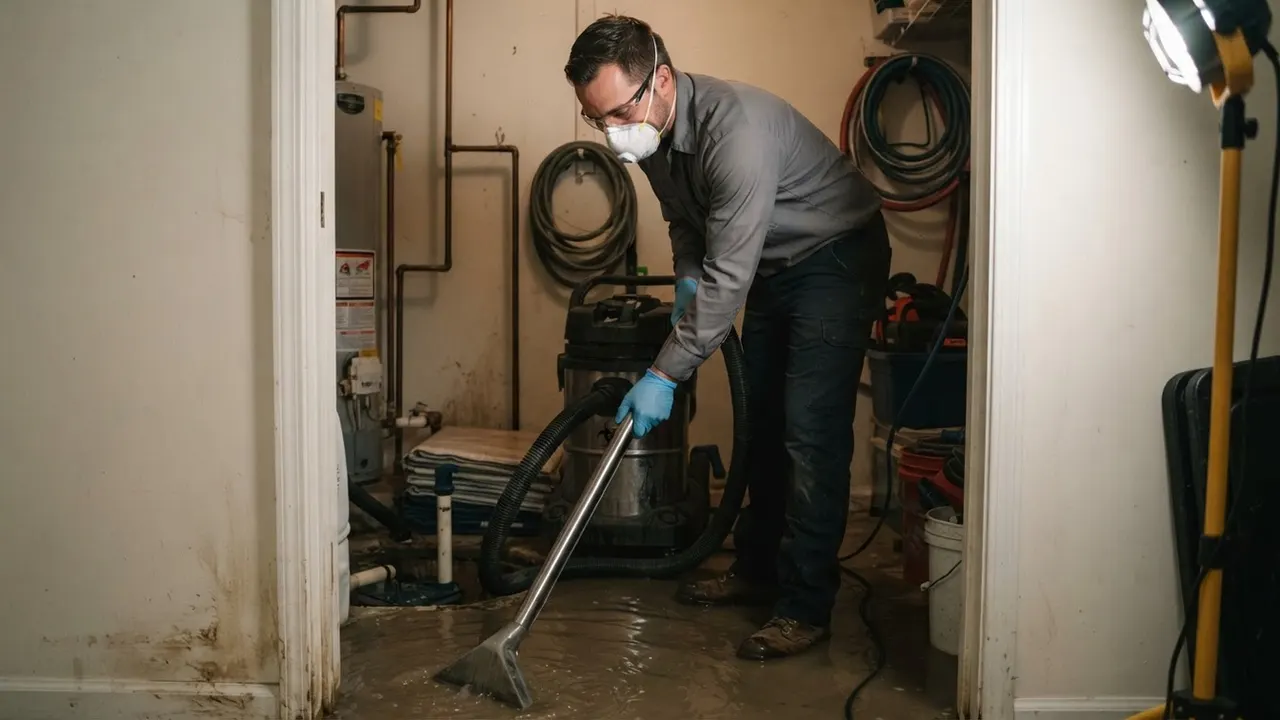
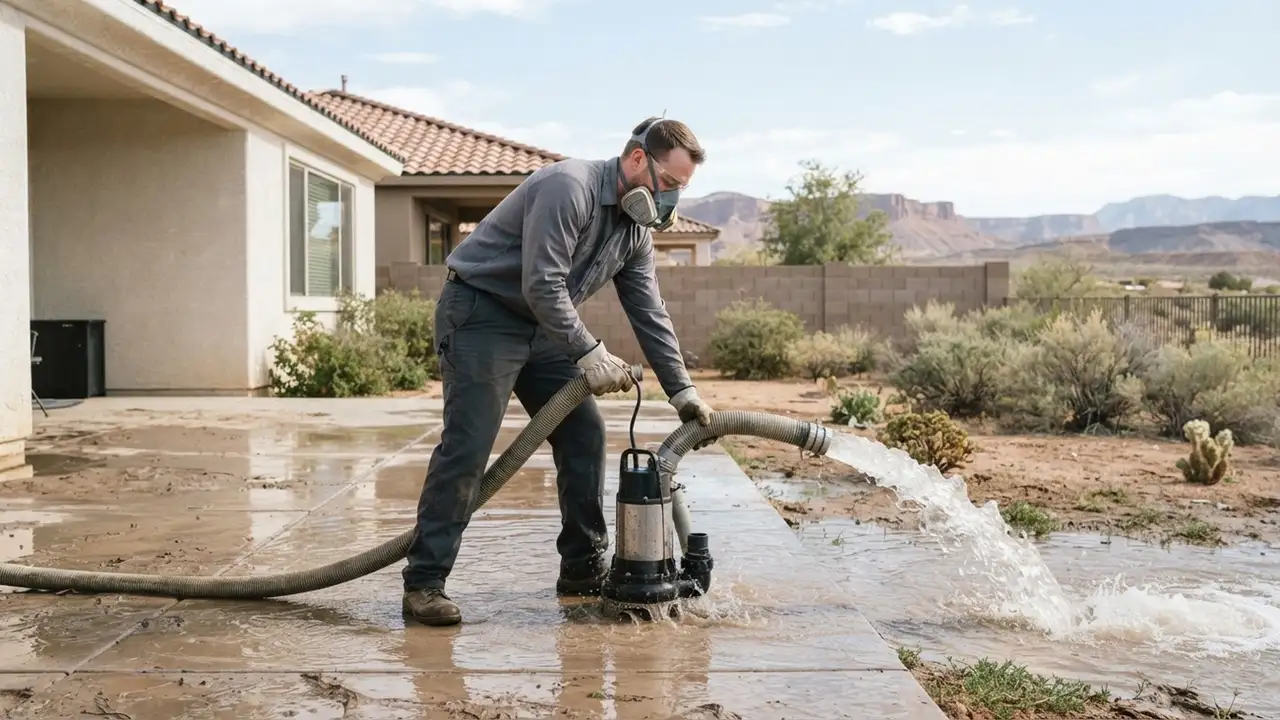
We remove accessible water with a water extraction unit and protect nearby furnishings and walkways. Carpet padding, pooled water near a slab edge, or a wet crawl space each calls for a different approach. Extraction may take one to several hours; we keep the work area organized and explain which materials need additional drying.
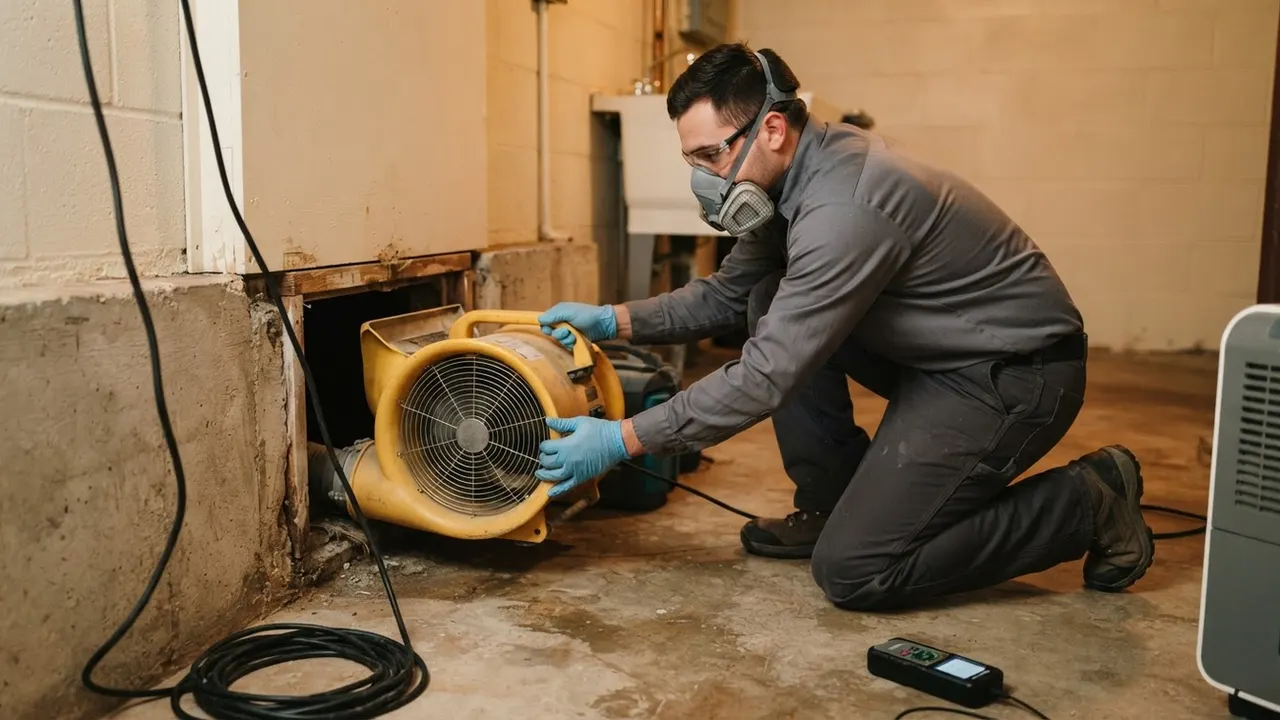
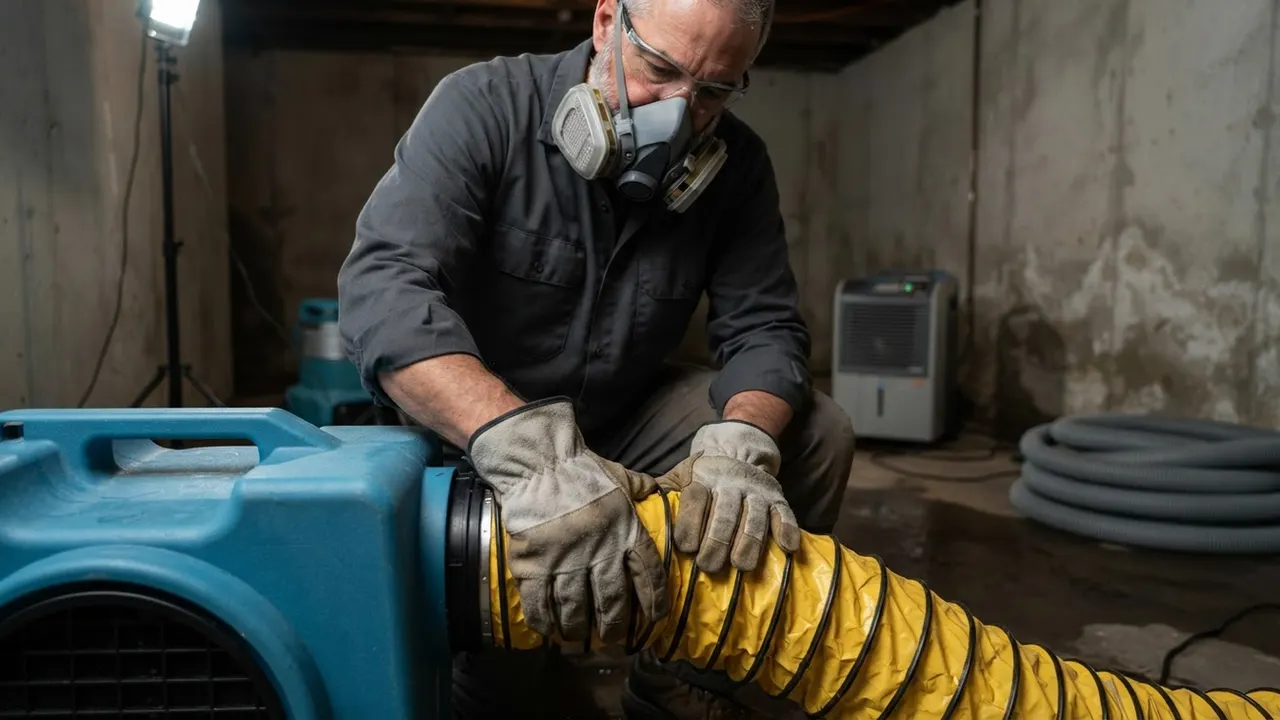
We place air movers and a dehumidifier to move moisture out of the affected zone, positioning equipment to suit the room rather than simply pointing fans at a wall. A hygrometer helps us monitor humidity, and we check materials again during drying. Many contained jobs need two to five days of active drying, depending on water volume and materials.
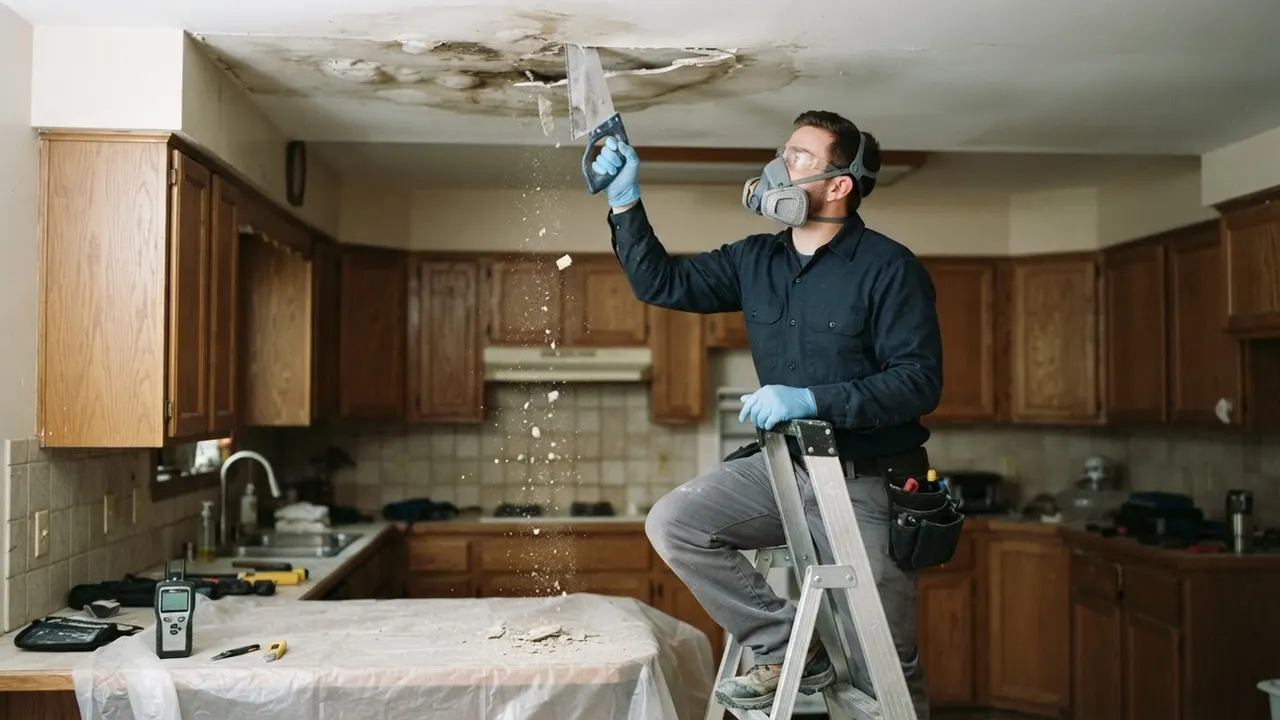
We compare follow-up readings with the initial inspection and review what is dry, what needs removal, and what needs a separate building repair. If a crack, plumbing leak, or drainage defect remains, we identify the appropriate next trade. You receive a practical summary so finish work does not cover a moisture problem.
Checks moisture in accessible building materials so we can compare affected and unaffected areas and follow changes during drying.
Shows surface temperature patterns that can guide closer inspection; readings are verified with direct moisture checks rather than treated as proof alone.
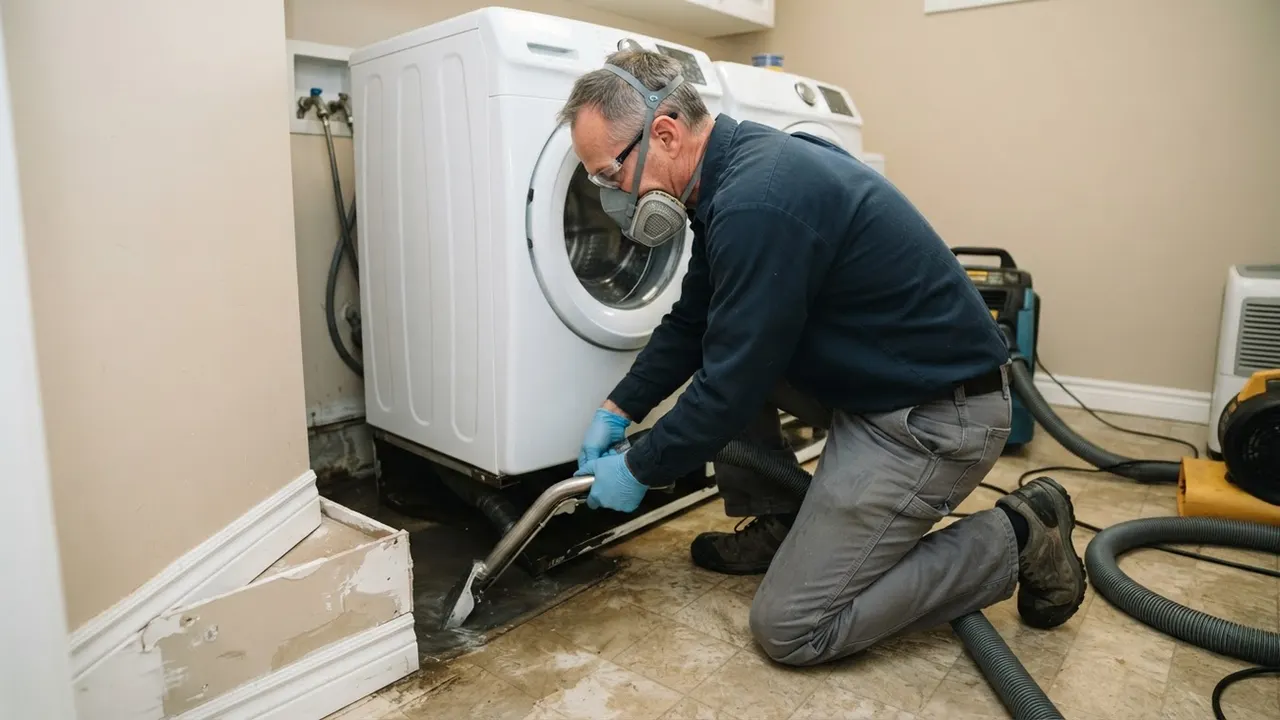
Removes accessible standing water from floors and low areas before drying equipment is placed.
Moves air across wet materials and reduces indoor humidity to support controlled structural drying.
Tracks relative humidity in the affected space and helps us understand whether drying conditions are improving.
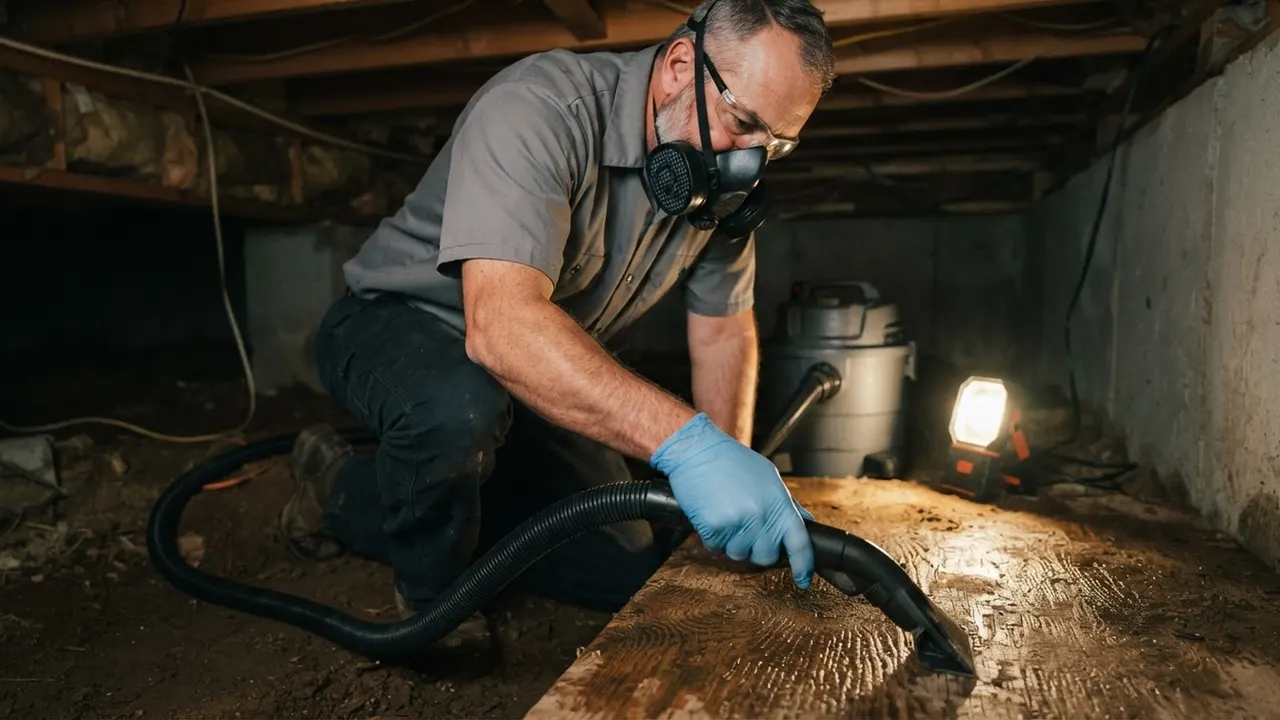
Filters airborne particles during appropriate cleanup tasks, particularly when material removal disturbs dust.
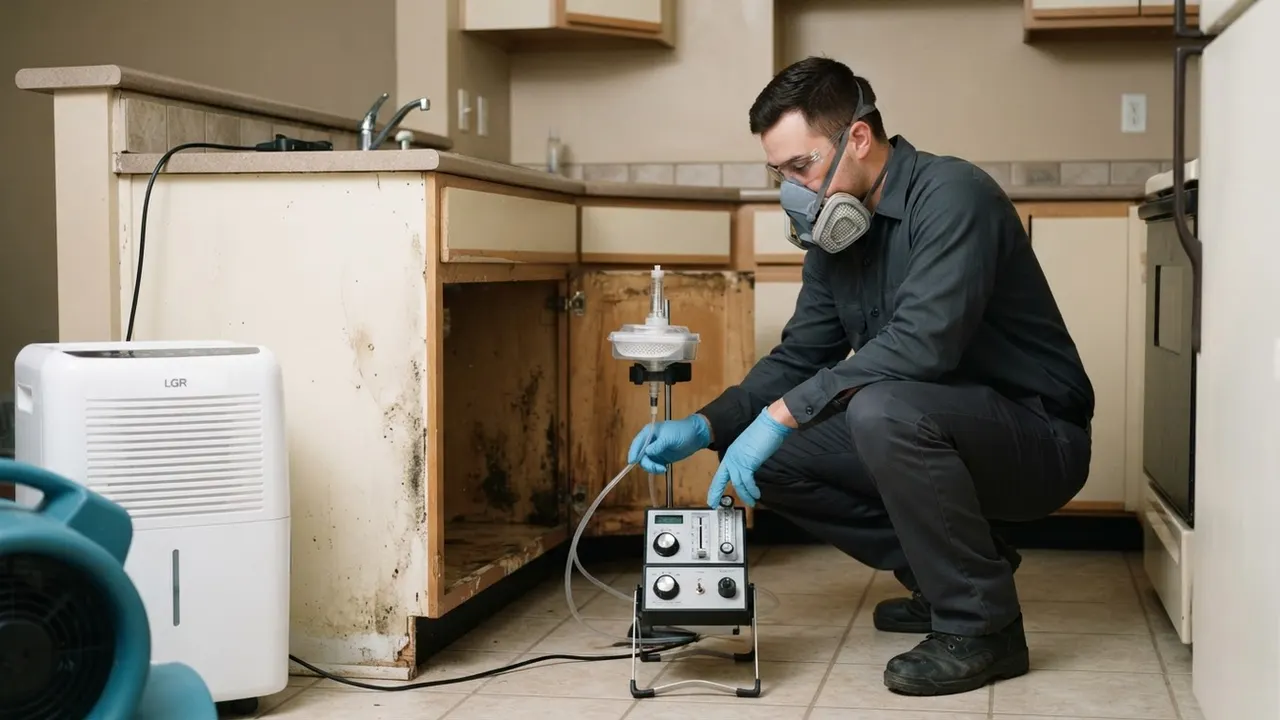
We begin by identifying whether water is still entering and where it appears to be coming from. The check includes visible plumbing, accessible foundation edges, and affected rooms. Stopping or correcting the source comes before covering materials, because drying cannot resolve a continuing leak.
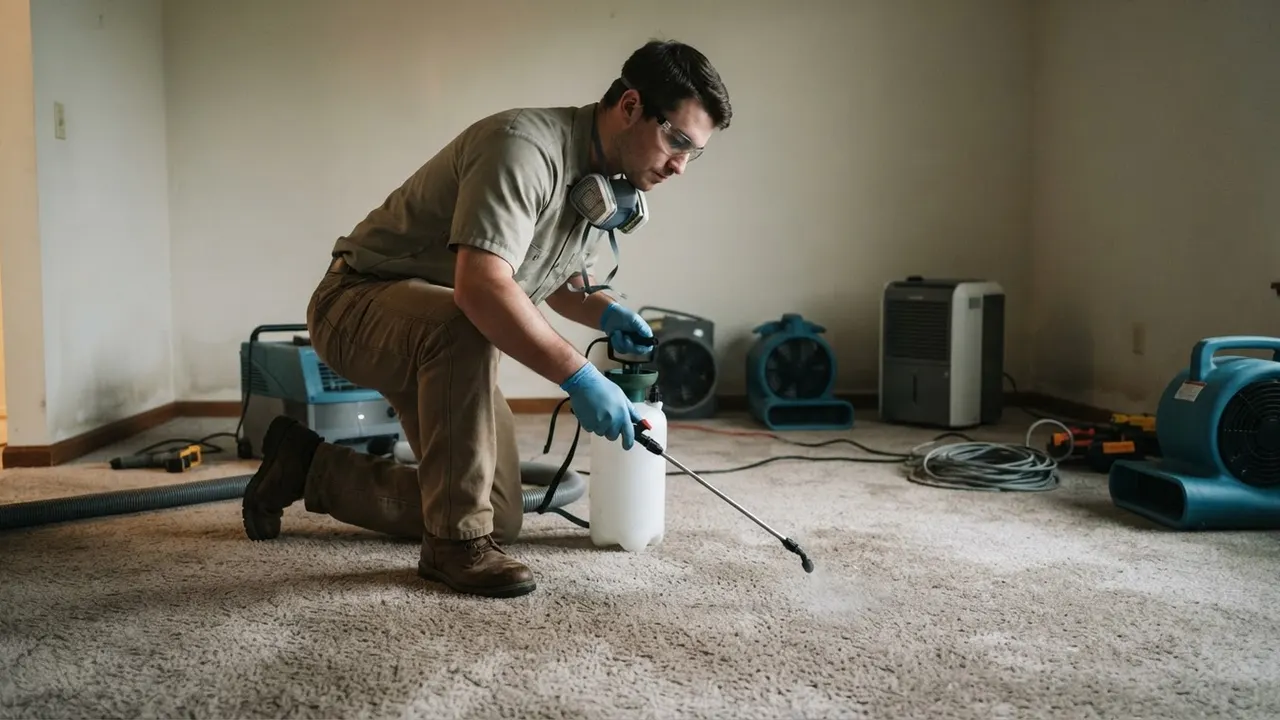
We remove standing water, then place air movers and dehumidification equipment based on the room layout and the materials affected. We monitor readings over time rather than assuming a surface feels dry. Equipment remains in place until measurements and material condition support the next repair step.
Call once the leak is stopped or while you arrange source control. We inspect nearby flooring and wall bottoms, remove accessible water, and measure materials that may be wet beyond the visible mark. We can also explain which plumbing follow-up is needed before finish repairs. You get a clearer boundary of the affected area, a drying plan, and fewer surprises when flooring or drywall work begins.
We remove standing water, check porous materials, and trace the visible entry path. Our team identifies wet carpet padding, baseboards, or insulation that needs attention and tells you which exterior drainage or opening issue should be corrected. The interior is cleaned and dried in sequence, while the water-entry concern is identified for follow-up rather than hidden by cosmetic work.
We check the odor area and adjacent rooms for moisture, inspect accessible plumbing and wall bases, and use readings to locate wet materials. If the source is not part of water cleanup, we explain the appropriate trade needed to resolve it. You can distinguish an old odor from an active moisture issue and schedule the right repair before returning the area to use.
We help contain the affected zone, extract water, and inspect flooring and baseboards for migration toward the slab edge. We then set drying equipment and recheck the materials, coordinating the sequence with appliance or plumbing repair. The tenant gets a safer, drier space and the property owner has a documented view of the damage and remaining work.
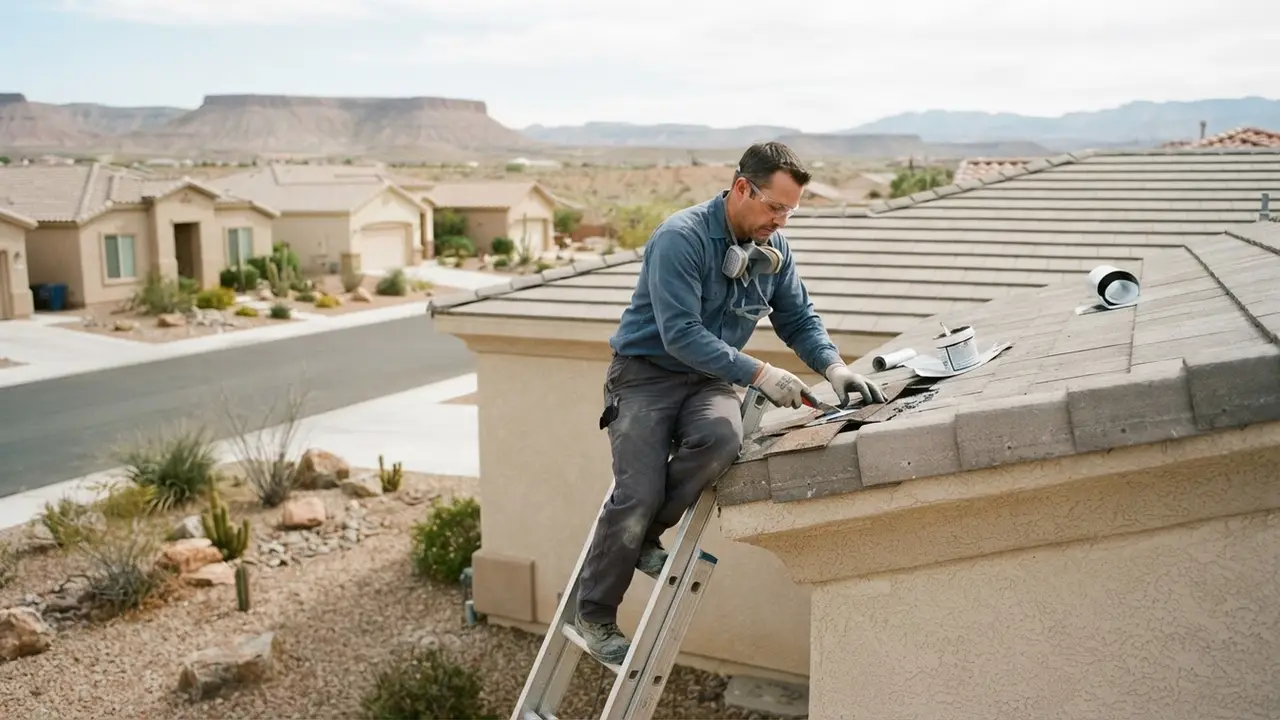
Mesquite properties face a mix of slab-level plumbing leaks, irrigation overspray, storm runoff, and water entering through low openings. In Nevada's dry climate, a damp patch can look minor while moisture remains under flooring or inside a wall; indoor drying conditions still need measurement. We check the water route and the materials it reached, not just the visible stain. Our foundation drainage repair Mesquite work starts with interior extraction and drying, then identifies exterior grading or drainage concerns for appropriate follow-up. For same day foundation water damage repair Mesquite NV, call with the location, source if known, and whether water is active so we can discuss the response. We serve Clark County and neighborhoods including Downtown Mesquite, Pecan Creek, and Hickory Tree. Local building requirements and structural repairs depend on the specific work; we do not substitute water mitigation for a required building or engineering assessment. We keep the plan grounded in observed conditions and explain when another trade should take over.
A homeowner noticed a damp baseboard and a faint musty odor but saw no standing water. The leak had wet the lower drywall and extended beneath a section of flooring. A quick wipe would have left moisture trapped behind the trim and delayed discovery of the full affected area.
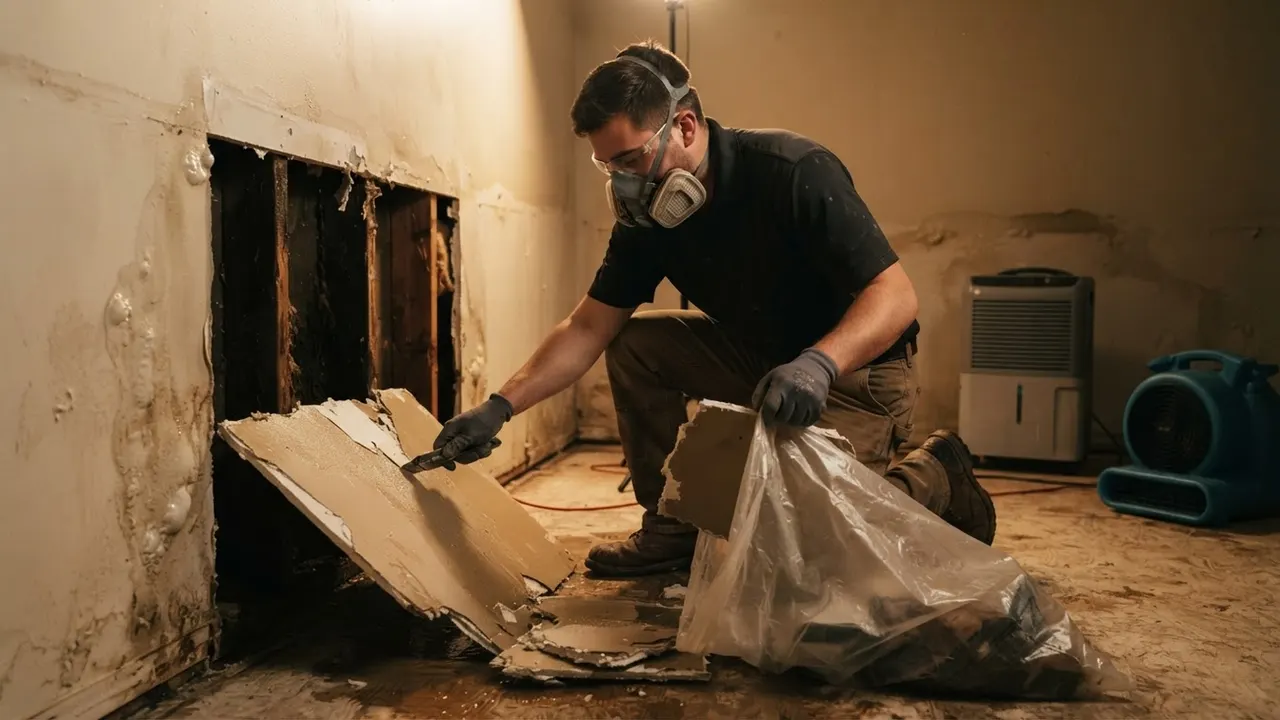
After source control, we extracted accessible water, removed the saturated trim, and set air movers with a dehumidifier. Follow-up checks over three days showed the affected wall and floor readings moving toward nearby dry-material readings. The homeowner had a documented boundary for finish repairs.
Watch the repaired wall base for renewed discoloration or odor, especially after plumbing use. Keep irrigation spray directed away from the exterior wall and report any recurring dampness before replacing finishes.
Runoff collected near a low opening and entered a ground-floor room. Water reached carpet padding and the bottom of a wall, while stored boxes sat close to the wet area. The source path was not clear, and the flooring felt only slightly damp.
We removed standing water, separated affected contents, and checked carpet, padding, and wall materials. Drying equipment ran for four days with follow-up moisture checks. The room was left ready for the owner to address the entry point and complete the appropriate finish work.
Keep the low entry clear of stored items and inspect nearby drainage after storms. If water returns, note where it first appears and call before the damp area spreads beneath flooring.
A property manager reported a persistent odor and damp insulation beneath a unit. No puddle was visible from the living space, but the odor grew stronger near one exterior wall. The cause and extent of moisture were uncertain.
We inspected accessible areas, removed standing water, and identified insulation that had absorbed moisture. Equipment supported drying over several days, and the manager received a clear record of affected areas and recommended drainage follow-up before replacement materials were installed.
Check accessible crawl-space areas seasonally and after heavy runoff, watching for wet insulation or a return of odor. Keep service access clear so future inspections can reach the affected wall and plumbing routes.
A small wet area near a slab can hide water beneath flooring or inside a wall. Our foundation water damage repair Mesquite NV near me service focuses on finding the water path, removing what we can access, and drying affected materials. These common situations call for a measured response rather than a cosmetic patch.
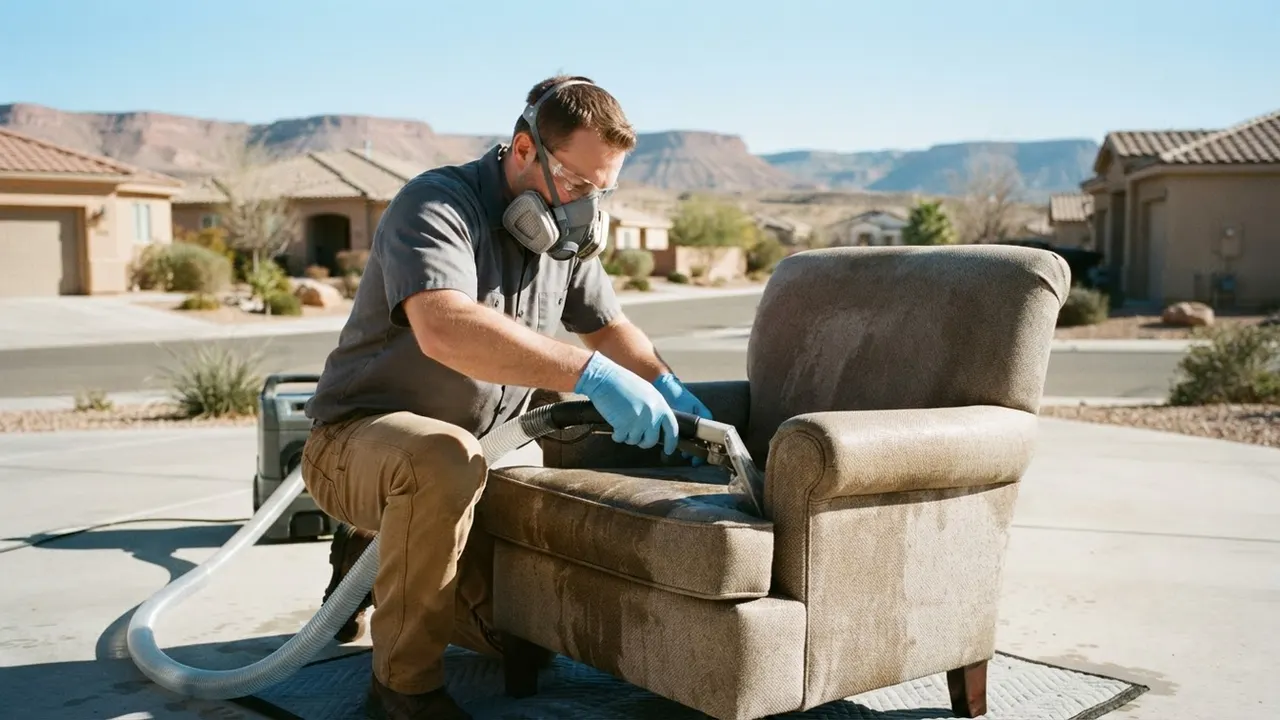
We compare moisture readings around the recurring spot, inspect nearby plumbing and accessible exterior areas, and determine whether the water is active or retained. We extract and dry affected materials, then explain whether a plumber, drainage contractor, or foundation specialist should address the source. Repeated dampness can soak baseboards and drywall, spread beneath flooring, and create a musty odor. Without finding the entry path, surface cleaning leaves the underlying condition unresolved.
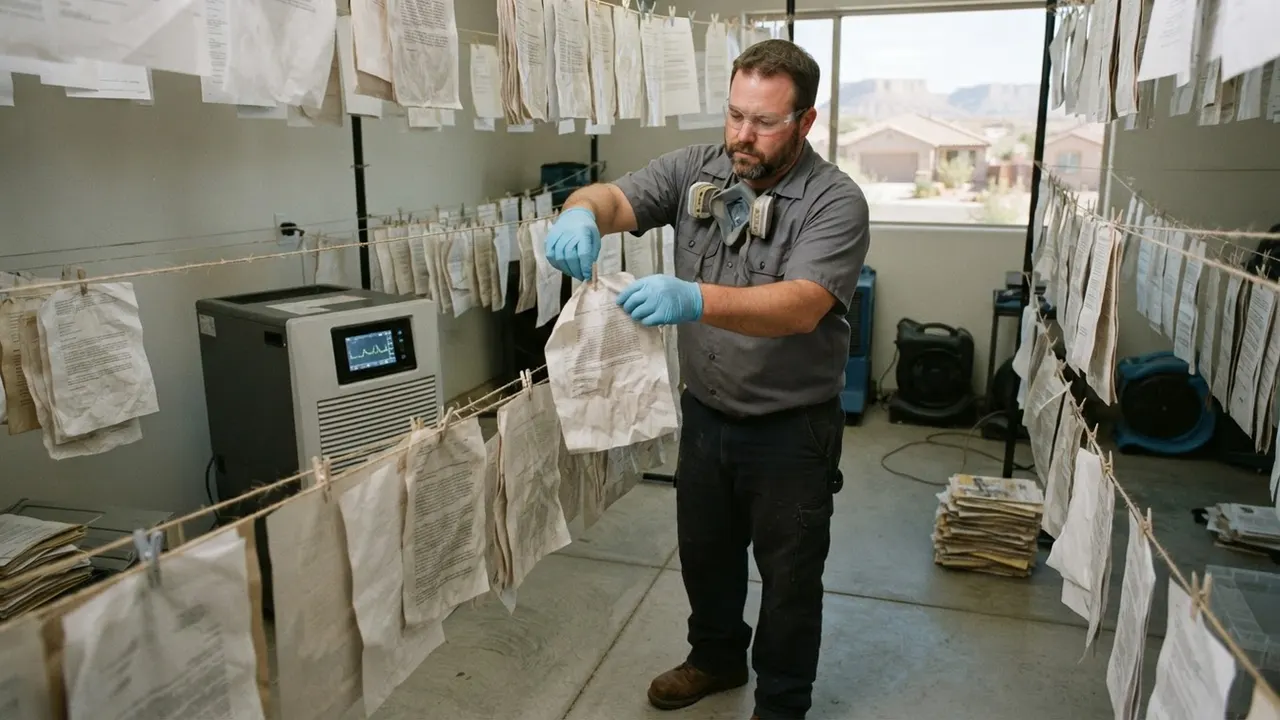
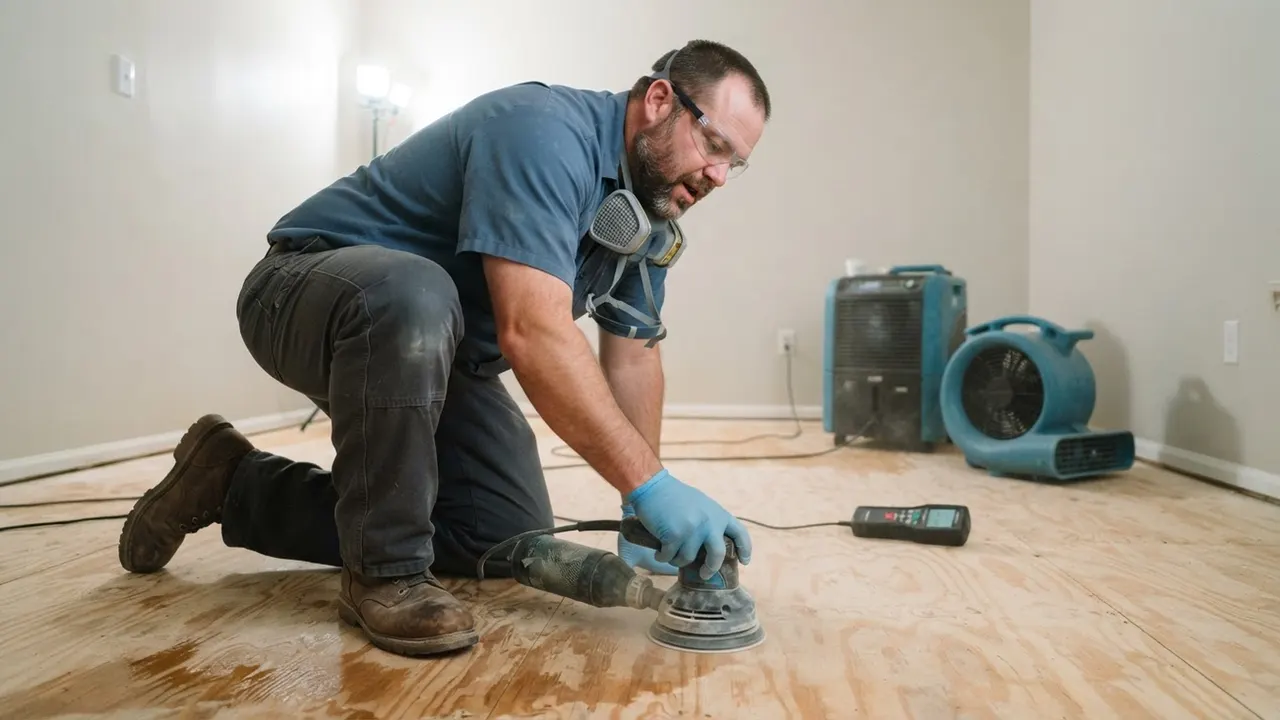
We inspect adjoining rooms and use targeted measurements to map moisture beyond the visible patch. After the plumbing source is stopped, we extract water, position drying equipment, and check the floor and wall base again before repair work begins. Water can move below carpet or hardwood and reach plywood or the slab edge. Delayed discovery increases the area that needs drying and can damage finishes beyond the original leak.
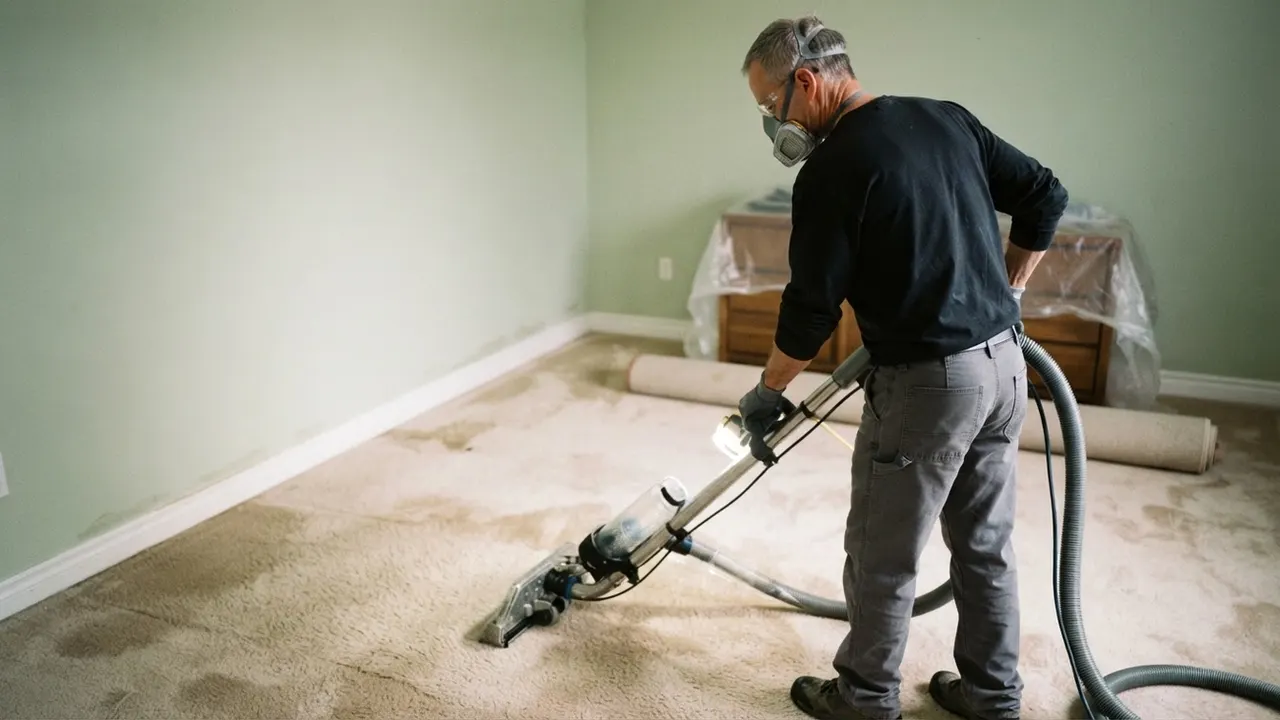
We remove interior water, assess affected materials, and document where the intrusion appears. We also point out drainage or opening concerns that need correction, so cleanup is followed by action to reduce another entry event. Water pressure against a low opening can push moisture indoors, wet stored goods, and leave porous materials damp after standing water is gone. Repeated entry risks further damage.
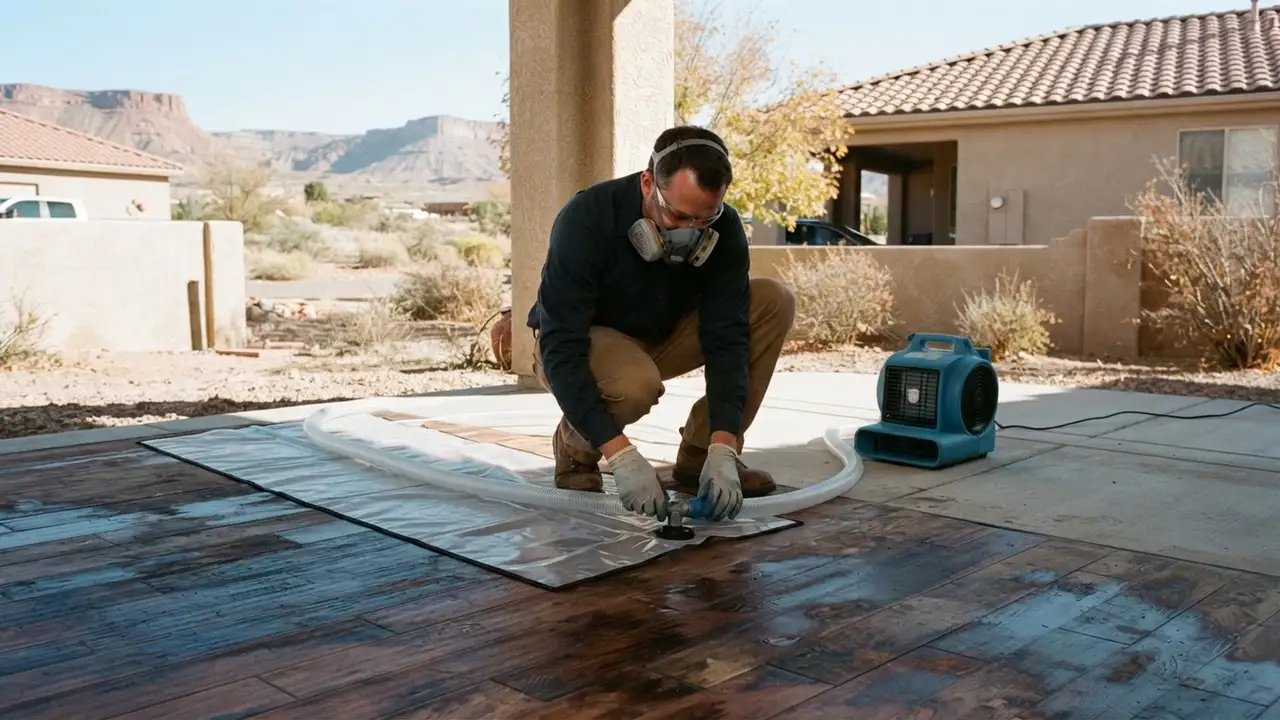
We inspect accessible crawl-space areas, remove standing water, and assess insulation and nearby materials. We set drying equipment where practical and identify material that needs removal, while directing any drainage or structural defect to the appropriate specialist. Moist insulation can retain water and contribute to persistent odor, while humidity affects nearby wood and floor assemblies. The source can remain hidden from the living area.
We trace dampness from the visible stain toward likely entry points, including plumbing, slab edges, and exterior runoff. A moisture meter helps compare affected and unaffected materials, while targeted inspection keeps demolition limited. You learn where water entered and which areas need drying or repair.
Water trapped behind baseboards or below carpet padding does not dry just because the floor looks clean. We position air movers and a dehumidifier to support evaporation, then recheck readings during the drying period. The result is a measured process instead of guessing from appearance alone.
Prompt extraction helps limit damage to drywall, plywood, flooring, and stored belongings. If water has reached insulation or porous materials, we identify what can be dried and what should be removed. That decision helps reduce the chance of persistent odor and mold growth.
Water mitigation and structural foundation work are different tasks. We document the moisture event, dry affected areas, and explain when a plumber or foundation specialist should address a pipe, crack, or movement concern. You can move from cleanup to the right repair without confusing the two.
Clear records you can keep and share.
Recorded observations and affected-area readings.
Equipment placement and follow-up check sequence.
Clear next steps for plumbing or structural concerns.
Water mitigation removes water and dries affected materials; it does not correct every foundation defect. Knowing the difference helps you schedule the right work and avoid covering an active moisture source.
Wet materials need assessment before finishes are replaced. We track moisture so repairs do not conceal a damp wall or floor.
A pipe leak, runoff, and a foundation crack require different corrective work. We identify the apparent path and explain which trade should address it.
A dry-looking surface can hide moisture below. We compare affected materials with nearby areas and use follow-up checks to guide the next step.
Outside these neighborhoods? Call and ask about service in your area. (833) 546-4116
A contained water cleanup often varies while extensive drying or material removal can be higher for larger losses. The price depends on water volume, access, affected materials, and how long equipment must run. Structural crack repair is a separate scope. We inspect the area, explain the work and provide upfront pricing before proceeding.
Damp baseboards, recurring floor moisture, a musty odor, peeling paint, or a new wet patch near the slab are common warning signs. Check whether the area gets worse after plumbing use, irrigation, or rain, and note when you first noticed it. We use moisture readings and visual inspection to trace the affected materials. If you see active water, shut off a safe, accessible source and call us.
Yes, persistent water can weaken nearby materials, erode supporting soil, and worsen existing cracks, though water damage does not automatically mean the foundation has failed. We remove water and dry affected areas, then flag signs such as widening cracks or uneven floors for assessment by a foundation specialist. A slab leak also needs plumbing diagnosis. Addressing moisture early helps clarify the cause before repairs are chosen.
Coverage depends on your policy, the water source, and whether the damage was sudden or gradual; your insurer makes the coverage decision. A sudden pipe failure may be handled differently from long-term seepage or neglected drainage. We can document visible damage, moisture readings, and cleanup work to help you discuss the event with your adjuster. Keep photos, note the date discovered, and save receipts.
Stop active water from spreading into flooring, drywall, and stored items. Call Mesquite Water Damage Company at (833) 546-4116 and tell us where the water is showing, when it started, and whether the source is still active. We will discuss the inspection and next steps with you.
Call (833) 546-4116 to explain what happened and where water is collecting. We take calls for water damage requests and connect you with an independent company that can discuss service details directly. If the leak is active, shut off the source when safe and tell us whether the water reached electrical equipment, flooring, or more than one room.