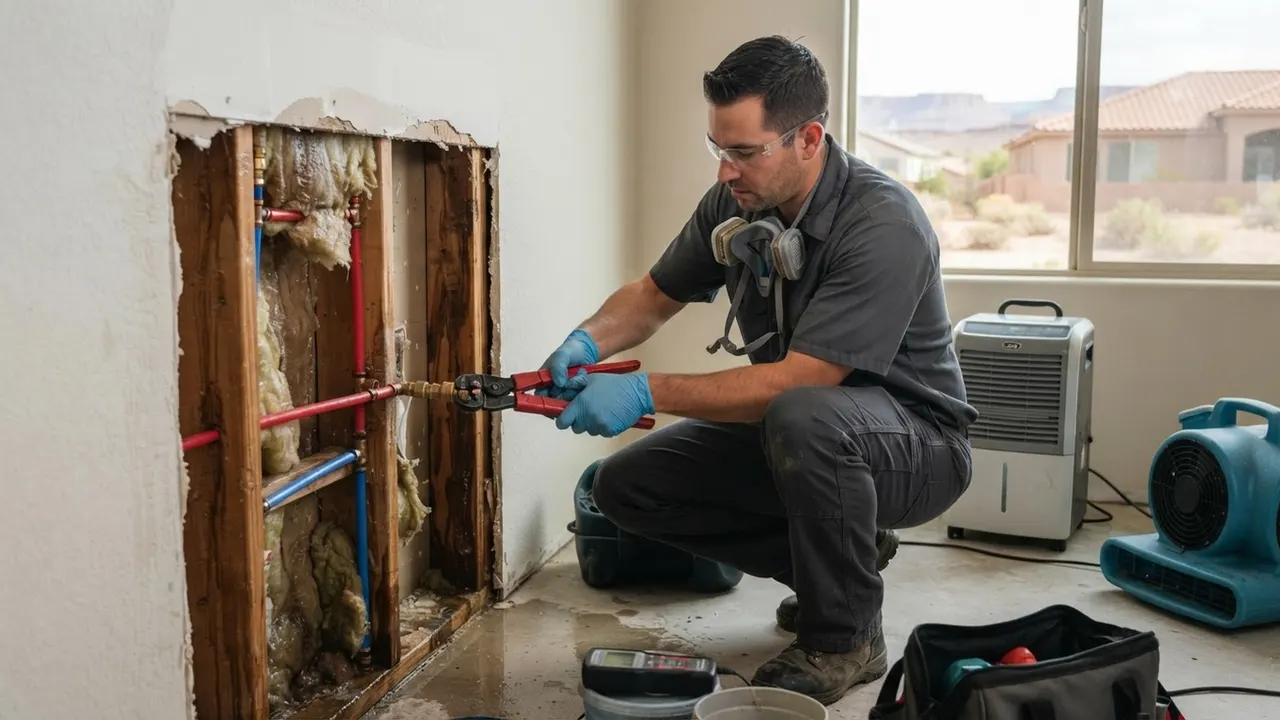
Damage Record
Photos and notes on affected ceiling materials.
ceiling water damage repair Mesquite NV helps homeowners and property managers stop active leaks, remove damaged material, and dry ceiling cavities before stains or sagging spread. Our Mesquite team traces the water to its source, protects floors and furnishings, and explains the repair steps in plain language. If a ceiling is dripping, bubbling, or soft to the touch, call (833) 546-4116 so we can address the source and limit further damage.
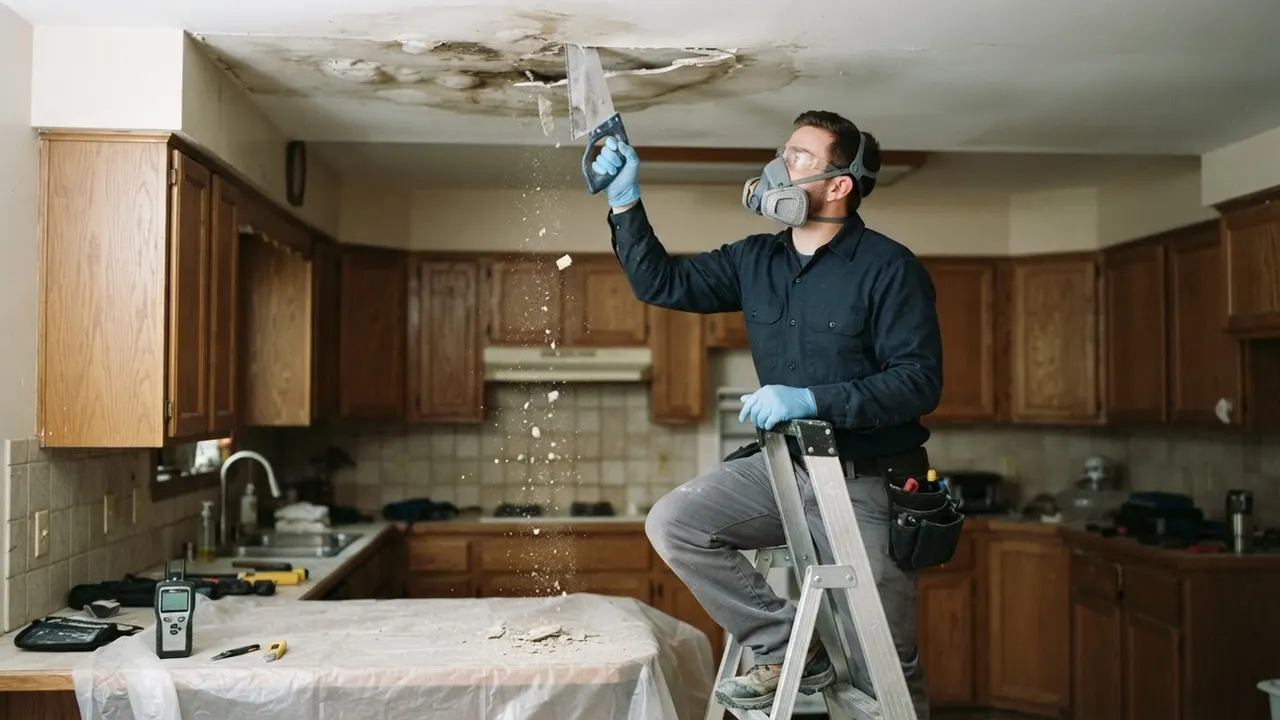
Ceiling water damage repair covers source tracing, inspection, moisture checks, protection of the work area, and removal or drying of affected materials. We rebuild damaged ceiling sections after the cavity is ready. Plumbing, roof, or appliance corrections are coordinated according to the source, while extensive mold work or unrelated room repairs may require a separate service plan.
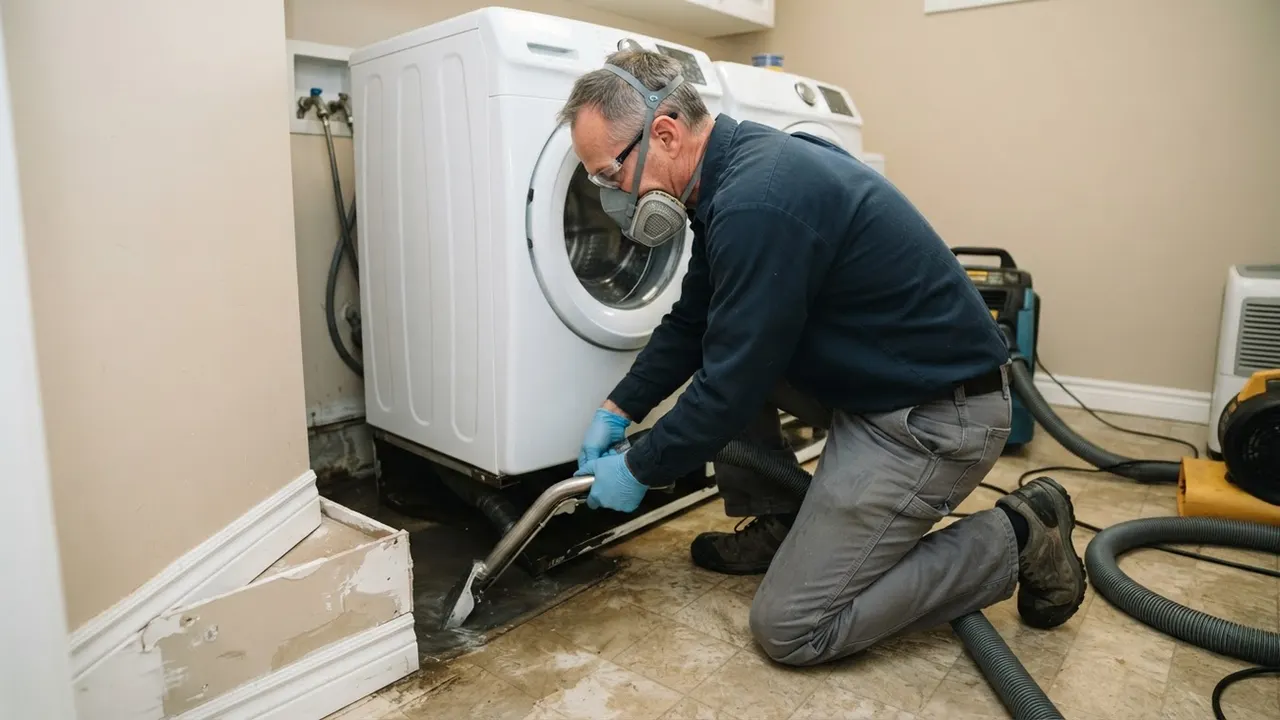
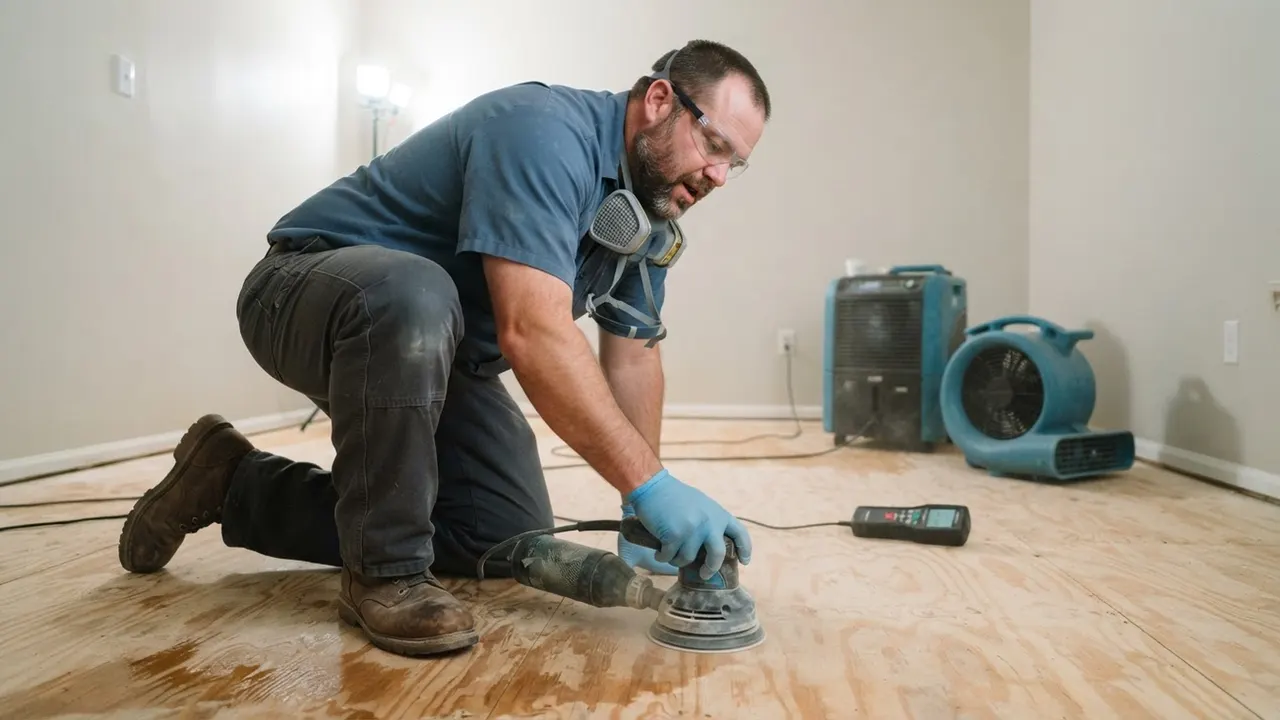
We protect your furniture and flooring while tracing the leak and checking the ceiling cavity. You get a clear repair sequence, from water control through drying and finished drywall.
We coordinate ceiling work around occupants, furnishings, and practical access to the damaged room. Our team identifies affected materials and explains the work sequence before the space is restored.
ceiling water damage repair Mesquite NV is a structural repair service that locates a ceiling leak, removes or dries affected materials, and restores safe, sound interior surfaces. We first identify whether water came from a roof leak, plumbing failure, appliance leak, or another source; then we check the ceiling, insulation, and nearby framing for retained moisture. A moisture meter and thermal imaging camera help map damp areas beyond visible staining. Once the source is controlled, we remove unsalvageable drywall, dry the cavity, and prepare the surface for a lasting repair.
Mesquite homes and commercial spaces can develop ceiling damage after a burst pipe, roof leak, or slow plumbing seep that goes unnoticed above drywall. Warm, dry outdoor conditions do not eliminate moisture trapped in insulation or a closed ceiling cavity. Our ceiling leak repair Mesquite NV service includes source tracing and controlled drying, not just covering a stain with paint. If you are searching for ceiling water damage cleanup Mesquite NV, we remove wet debris, protect unaffected rooms, and document moisture readings as the area dries.
Find the water, dry the cavity, then rebuild the ceiling.
Ceiling water damage repair in Mesquite follows a practical sequence: stop the source, assess the affected area, dry what can be saved, and rebuild what cannot. We explain each stage before moving to the next, keep belongings protected, and share what readings or conditions are guiding the work.
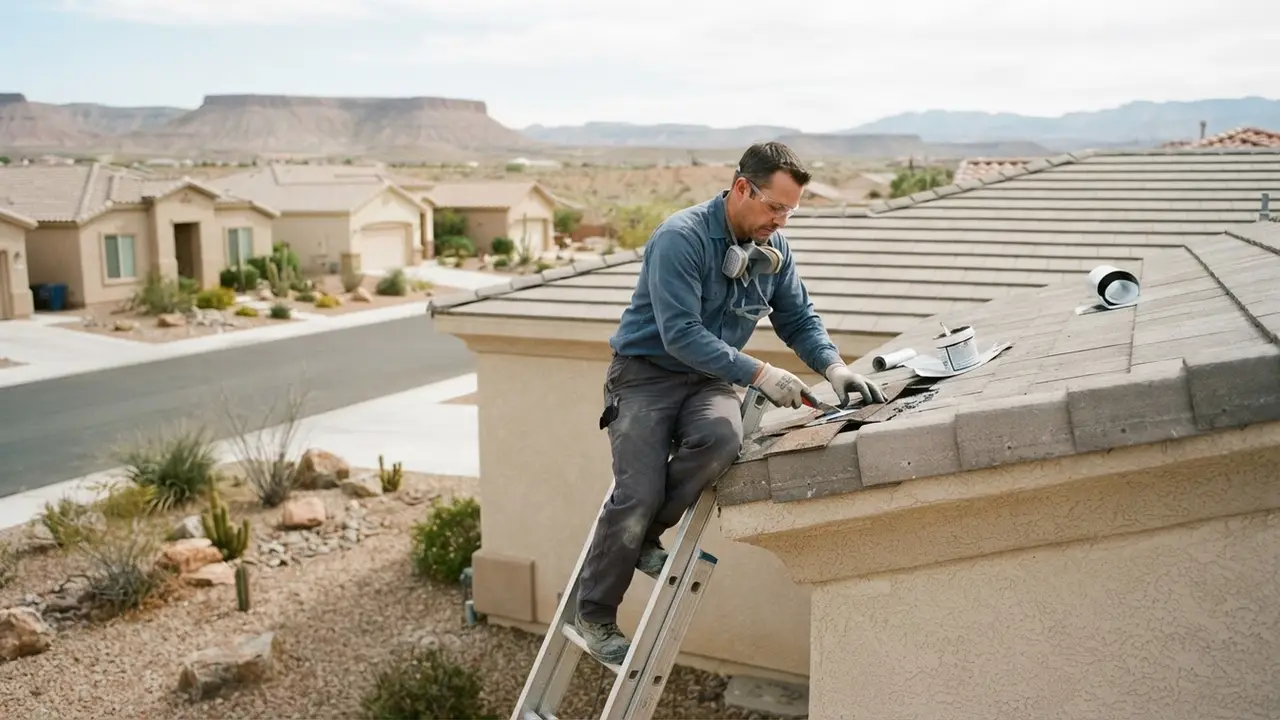
We begin by locating the active source and helping you isolate it. If water is coming from plumbing, we identify the affected line; if it is roof-related, we inspect the visible route and protect the opening where appropriate. This first visit often takes 30 to 90 minutes, depending on access and how far the water has traveled.
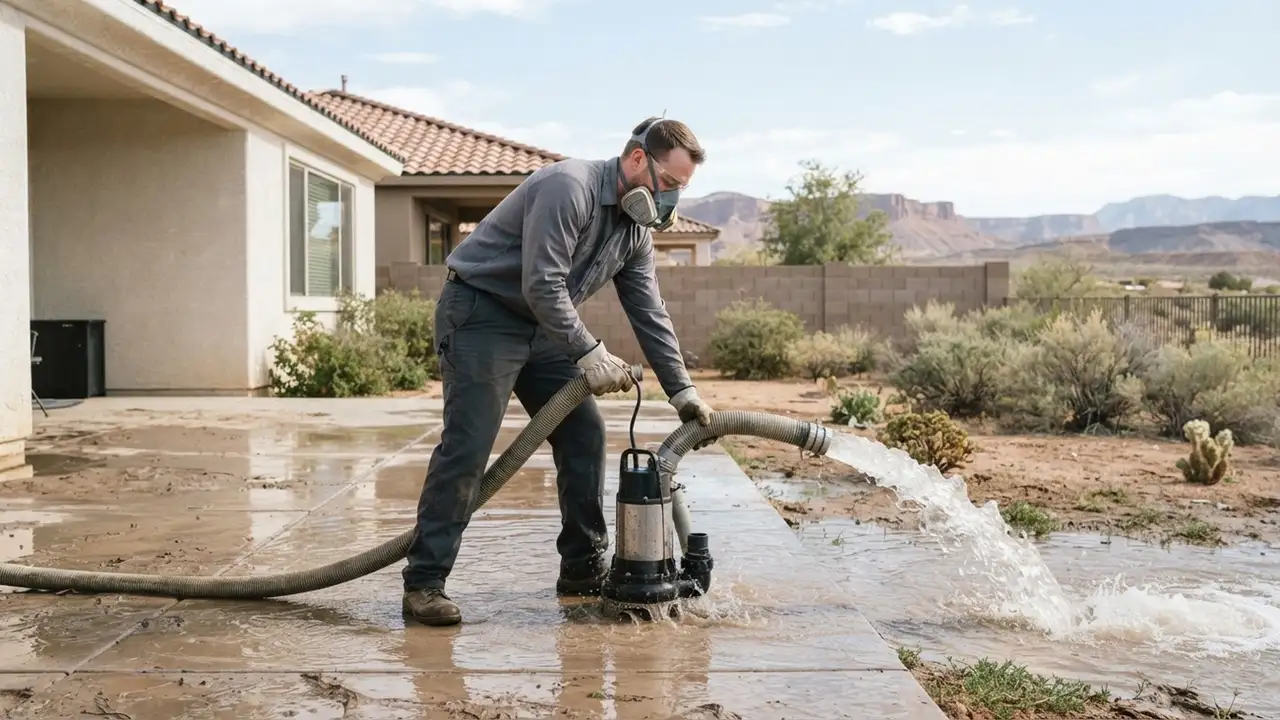
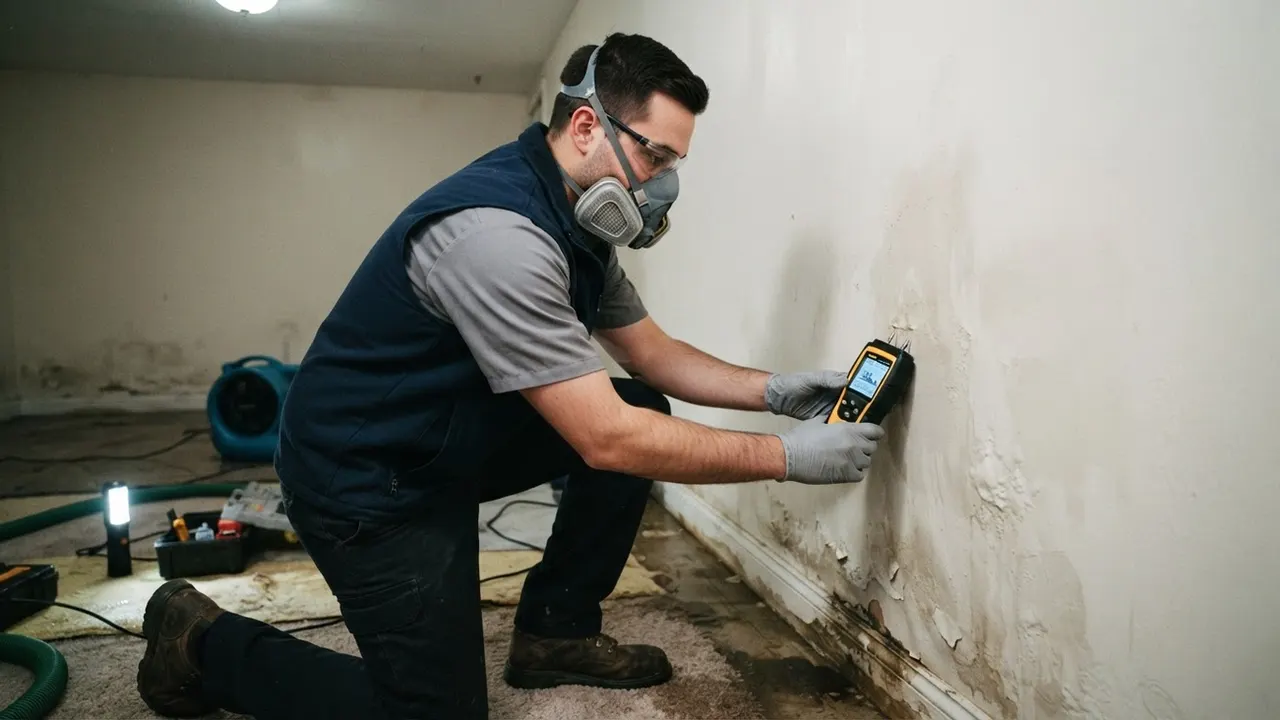
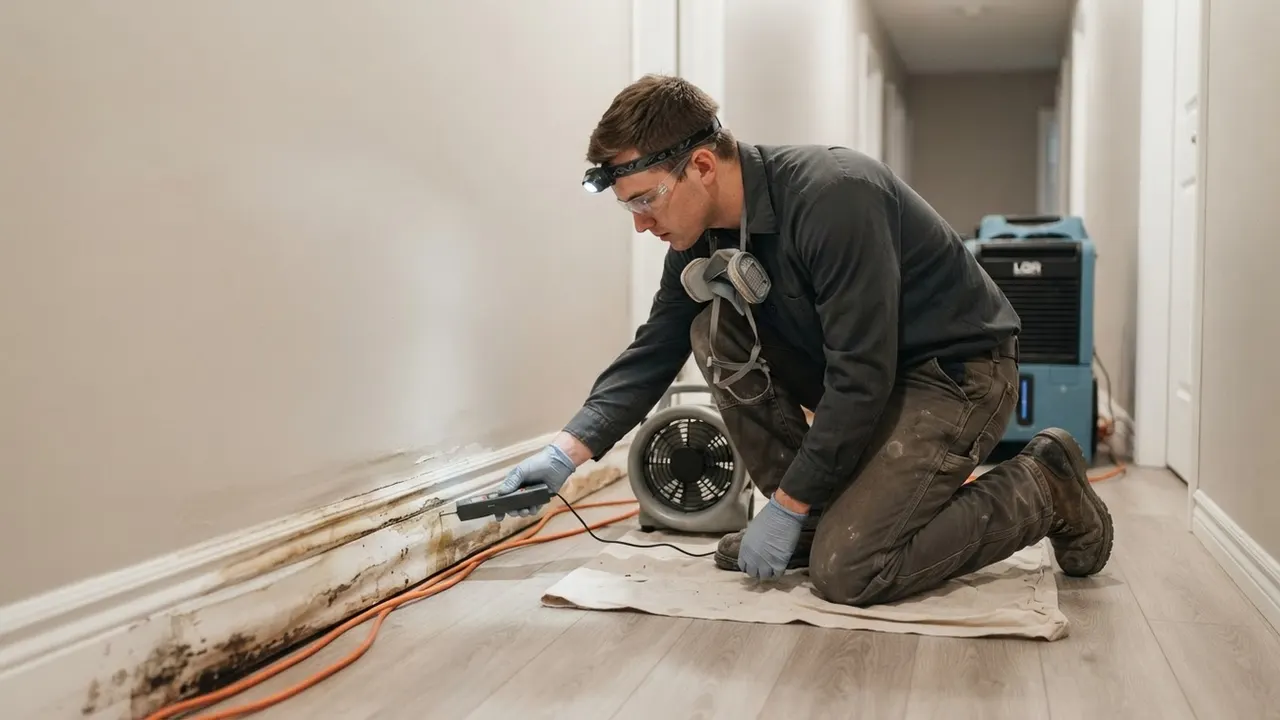
We inspect the stain, adjoining walls, fixtures, and accessible ceiling cavity. A moisture meter records readings at several points, and thermal imaging can help find cooler, damp areas that are not visible. You see which materials are affected and why a small ceiling mark can require a wider drying footprint.
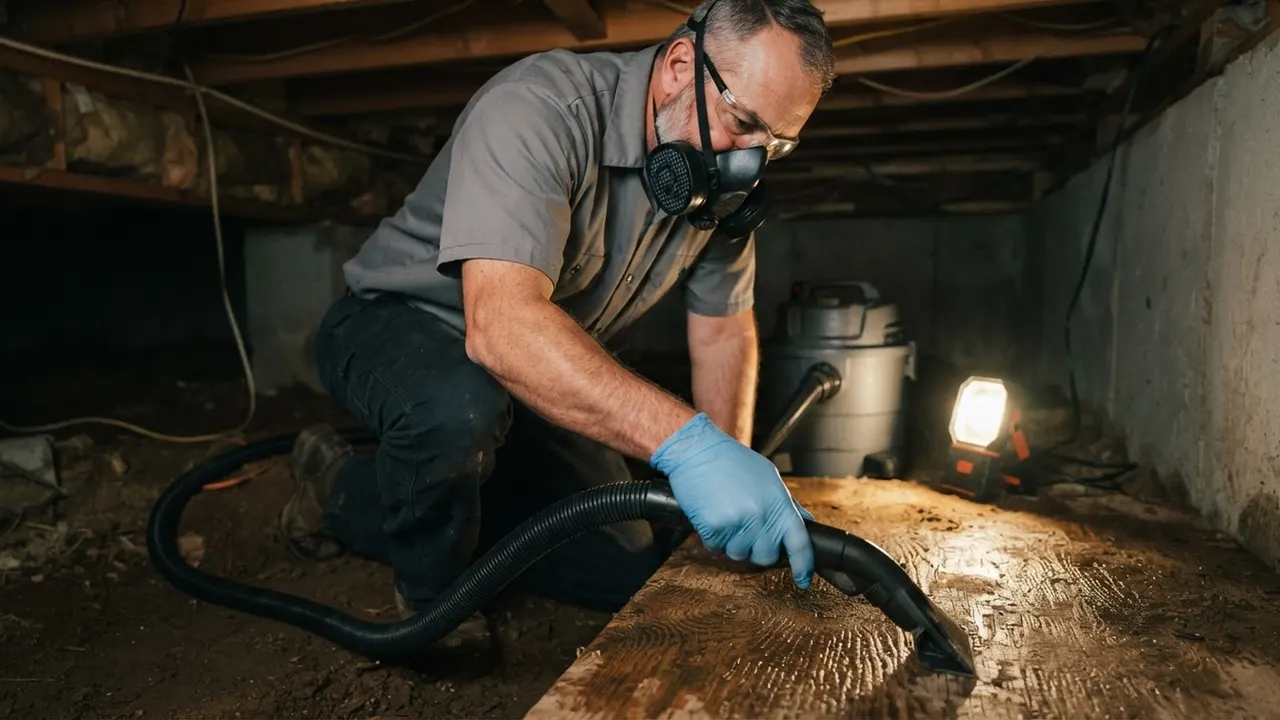
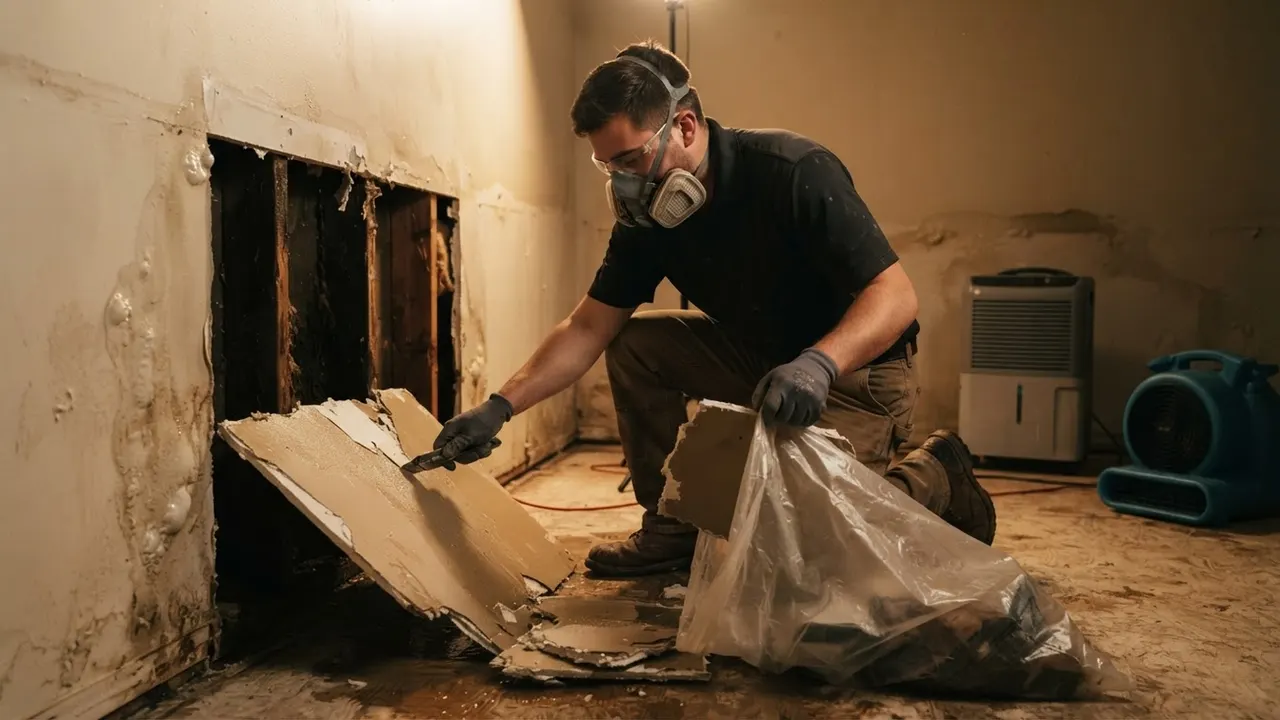
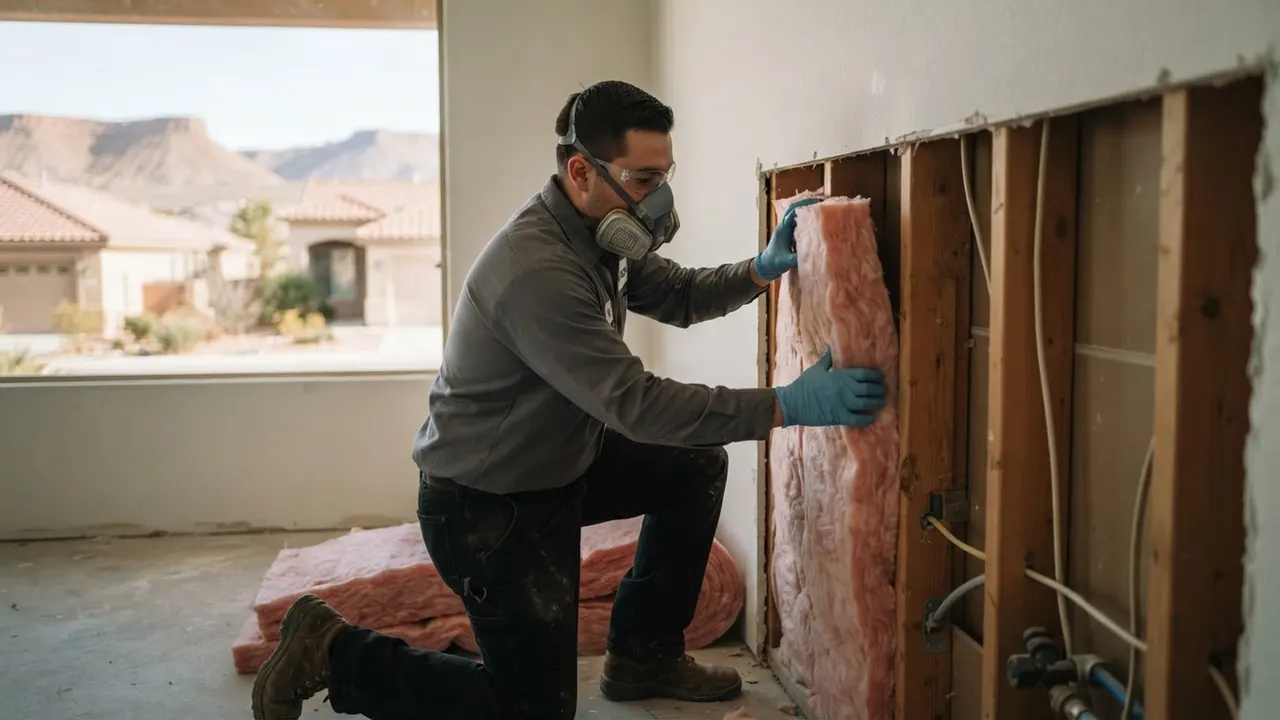
If drywall is soft, contaminated, or holding water, we cut back to sound edges and remove affected insulation. We use containment and floor protection to keep debris out of the room. The opening is sized to expose the wet area without removing sound material unnecessarily, and we identify any nearby electrical or plumbing concerns.
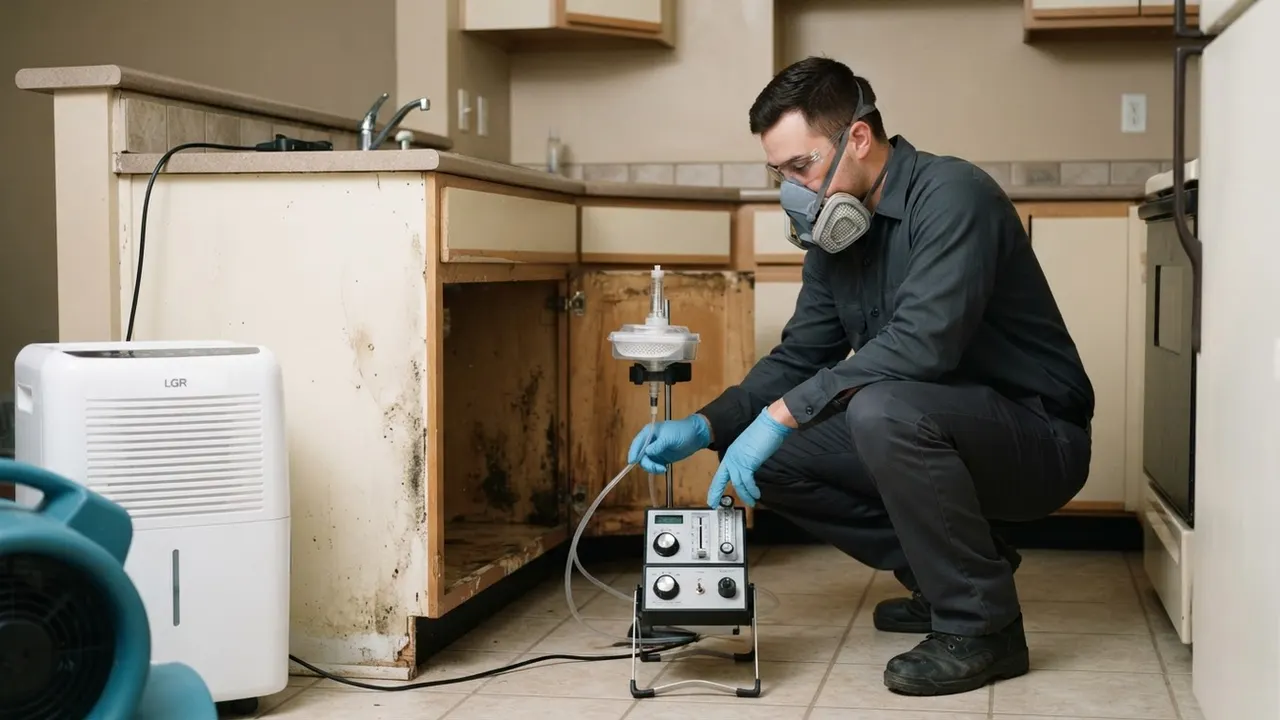
We place drying equipment based on the cavity and room conditions, then track temperature and humidity with a hygrometer. Drying often takes 2 to 5 days, although the actual time depends on material depth, airflow, and moisture readings. We return to measure progress rather than relying on a fixed timer.
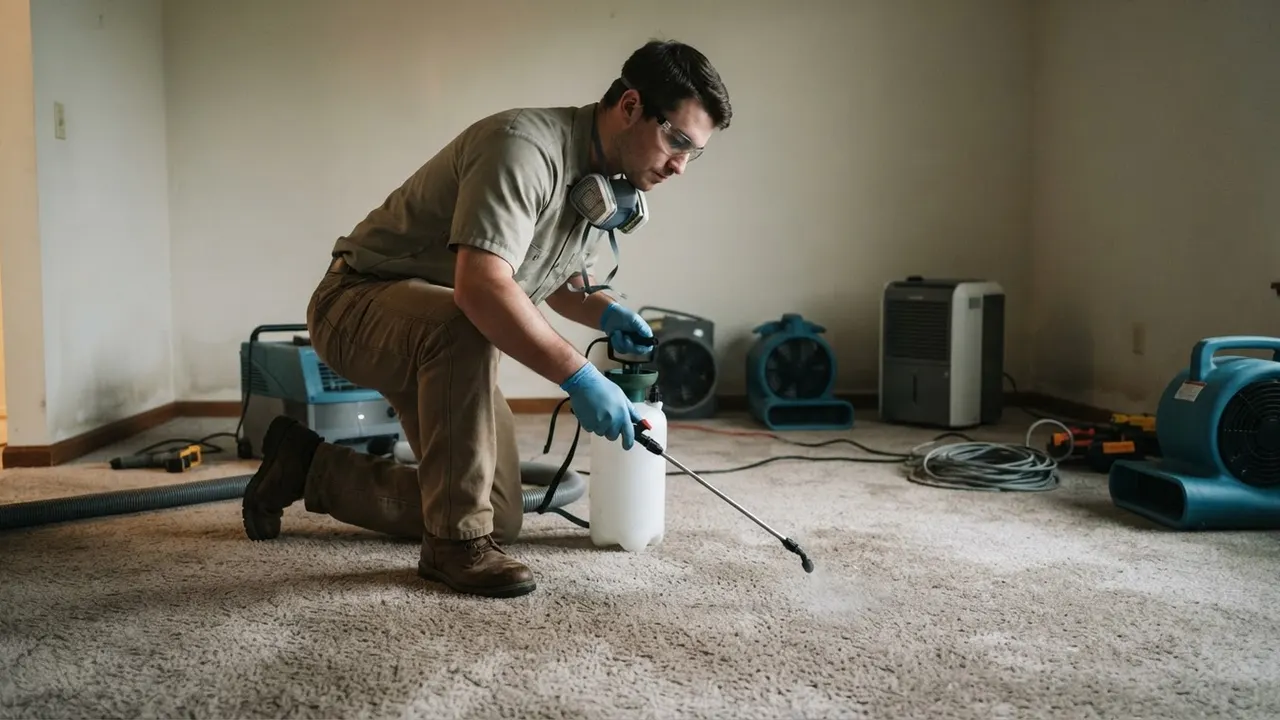
After the affected framing and surrounding materials reach suitable dry conditions, we replace drywall and insulation where required, finish joints, and prepare the surface for paint. A small repair may take one day of installation and finishing, with additional time for compound to dry. We review the completed area with you before wrapping up.
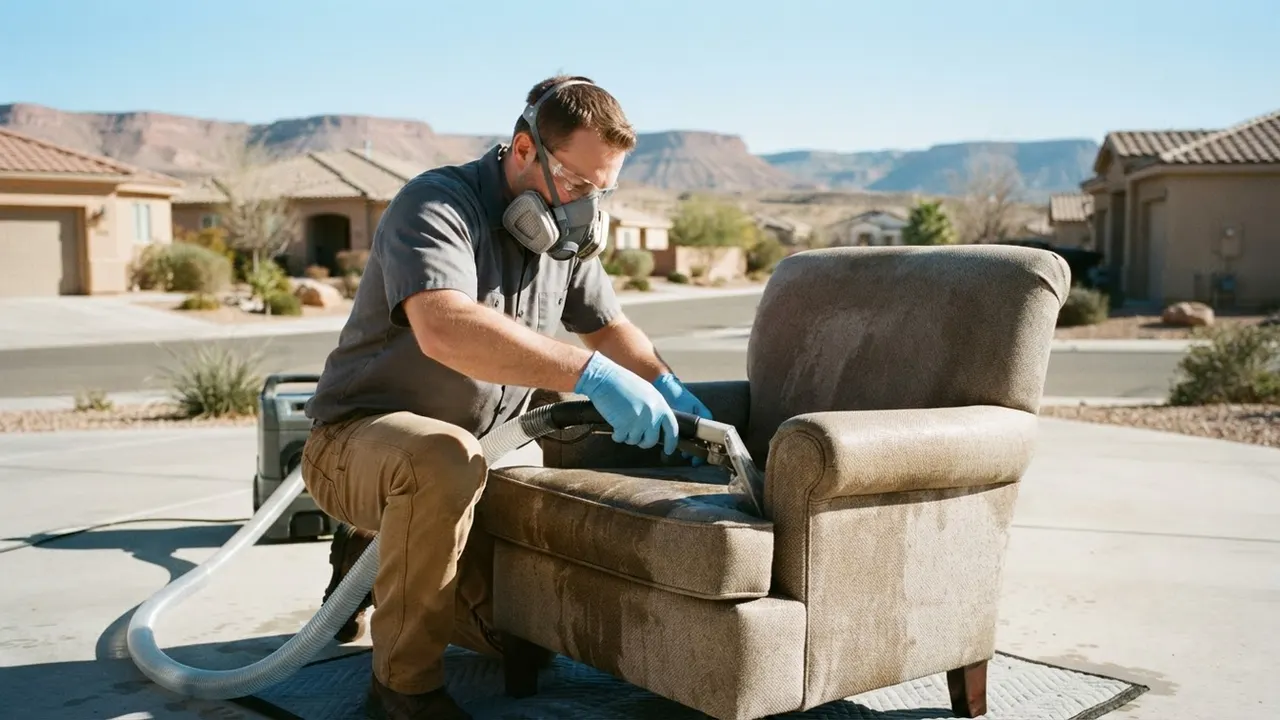
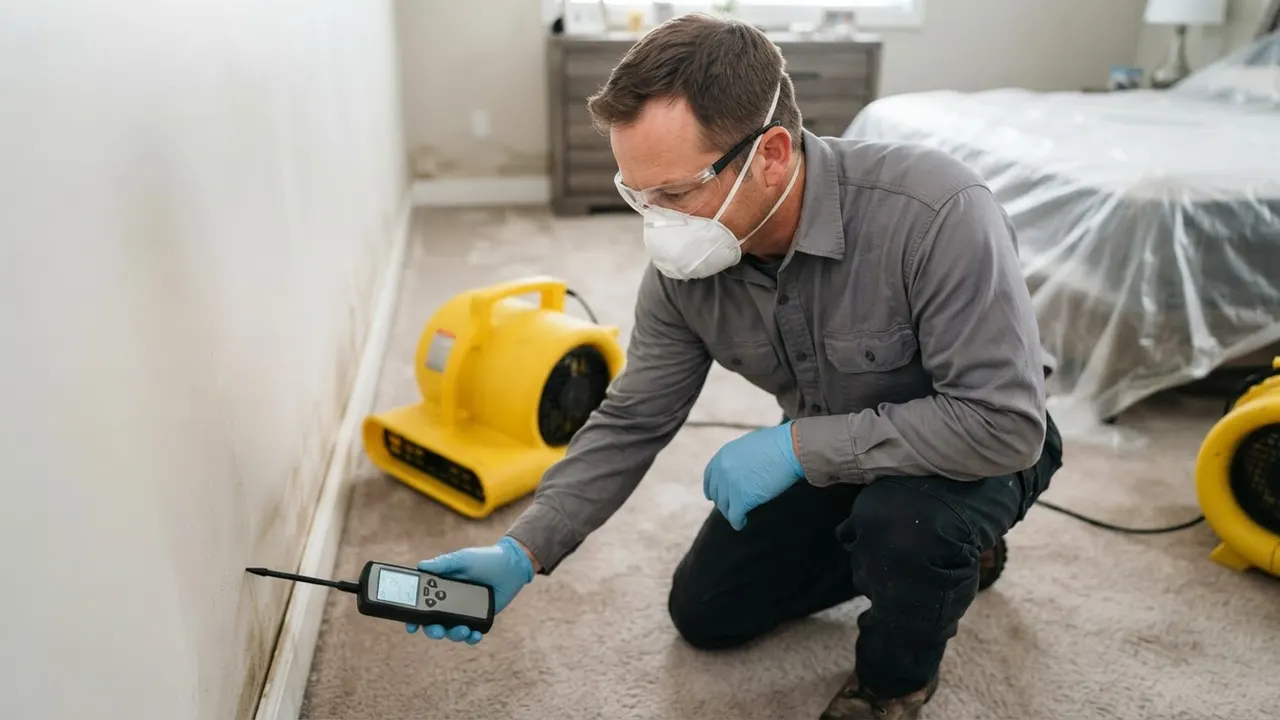
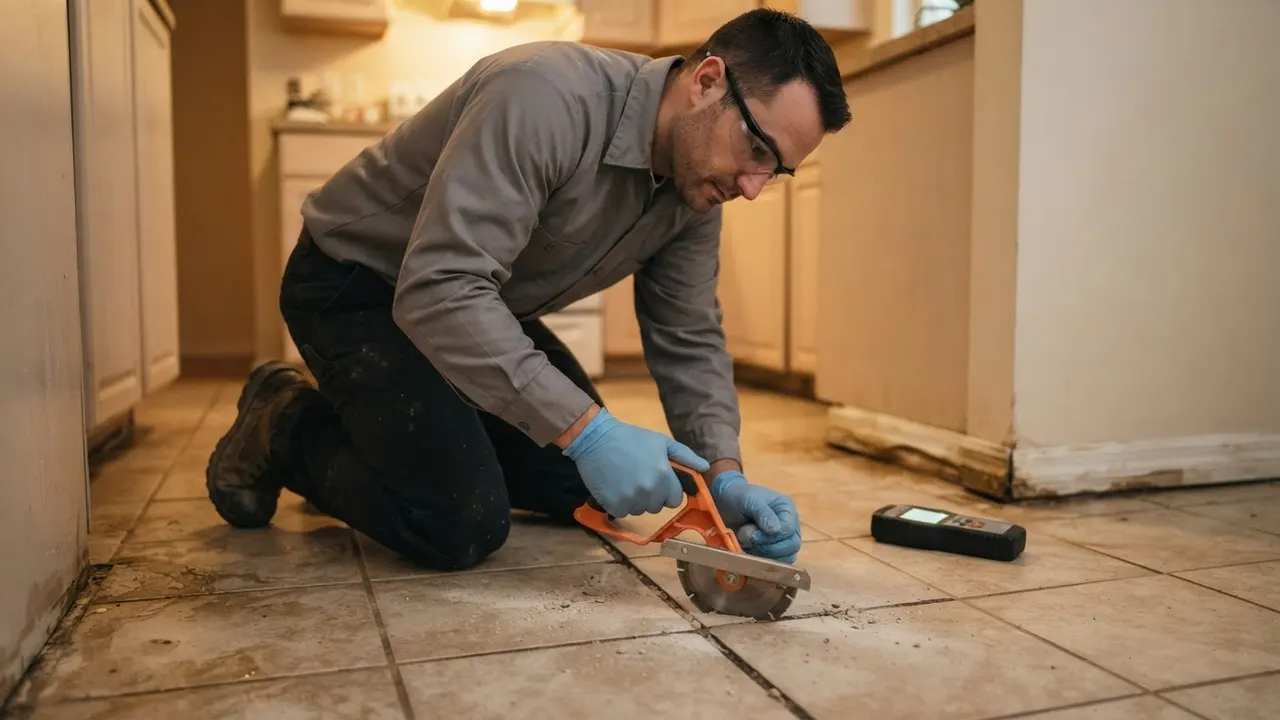
Measures moisture in drywall and framing at selected points. We compare affected readings with nearby reference areas and repeat checks to track drying progress.
Highlights temperature patterns that can help identify concealed damp areas. We use it alongside direct moisture checks, not as a substitute for confirming material conditions.
Directs airflow across exposed materials and removes moisture from room air. Equipment placement is adjusted to the cavity, room size, and observed drying response.
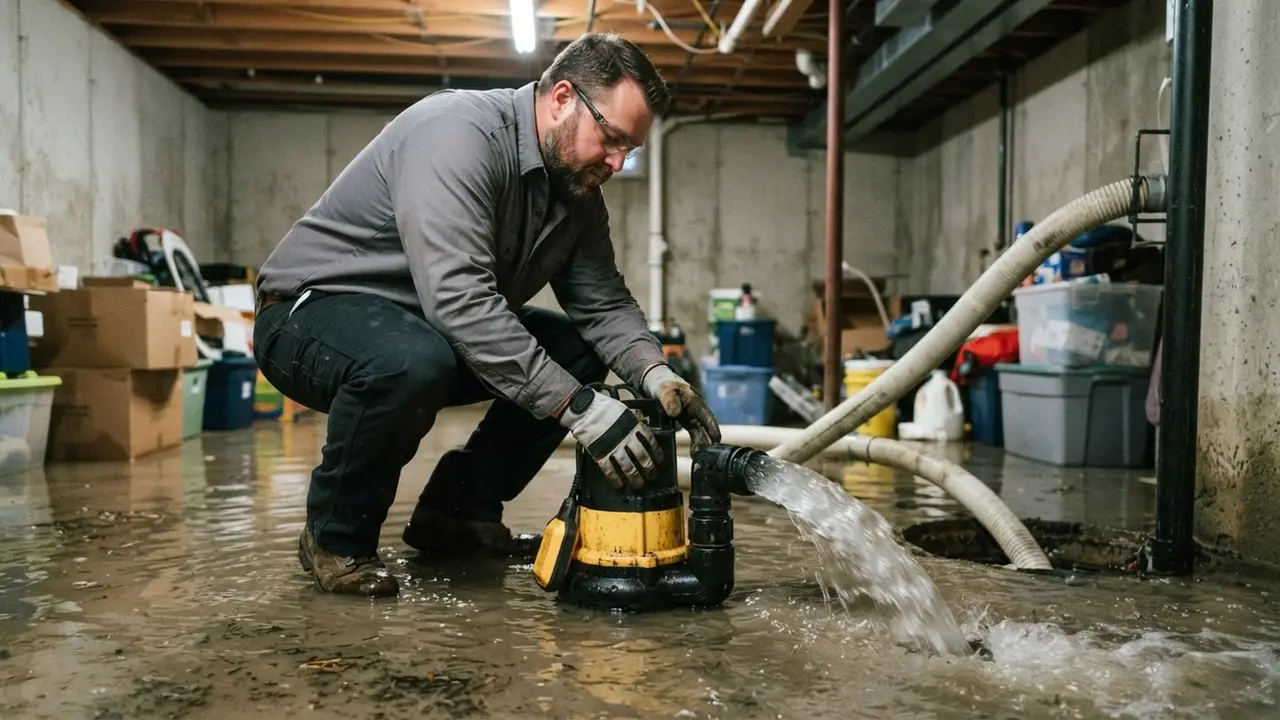
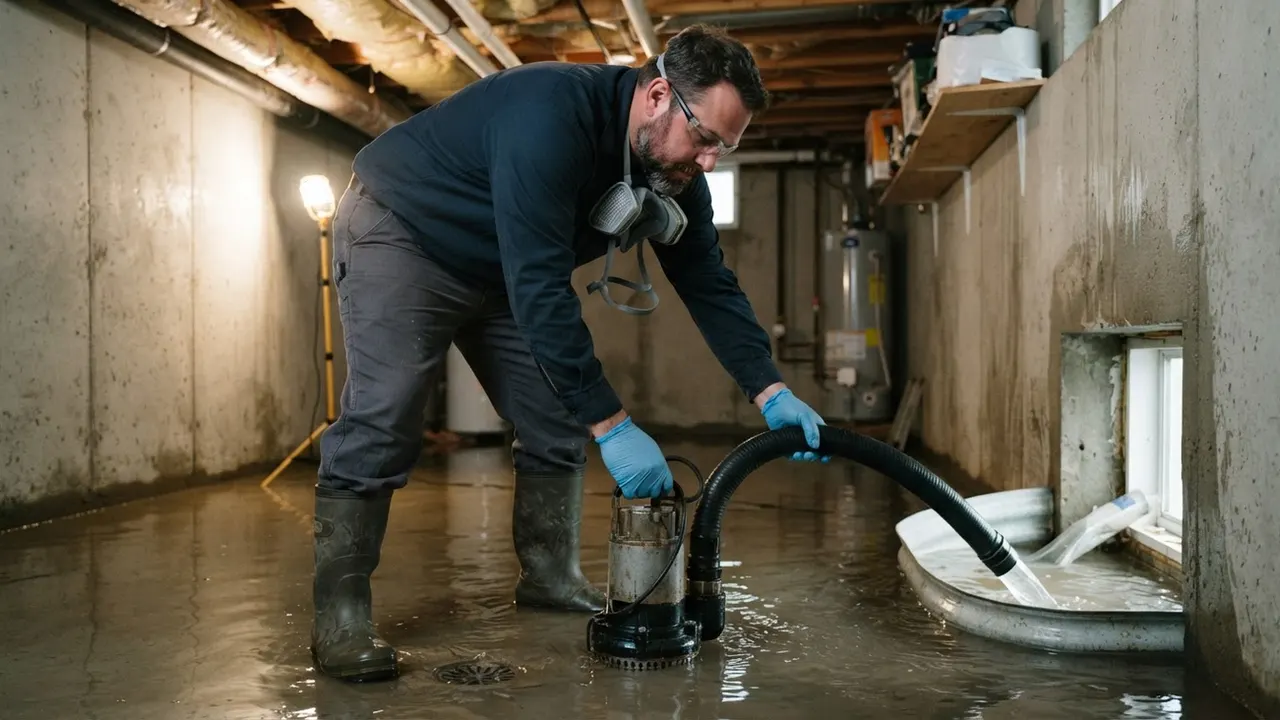
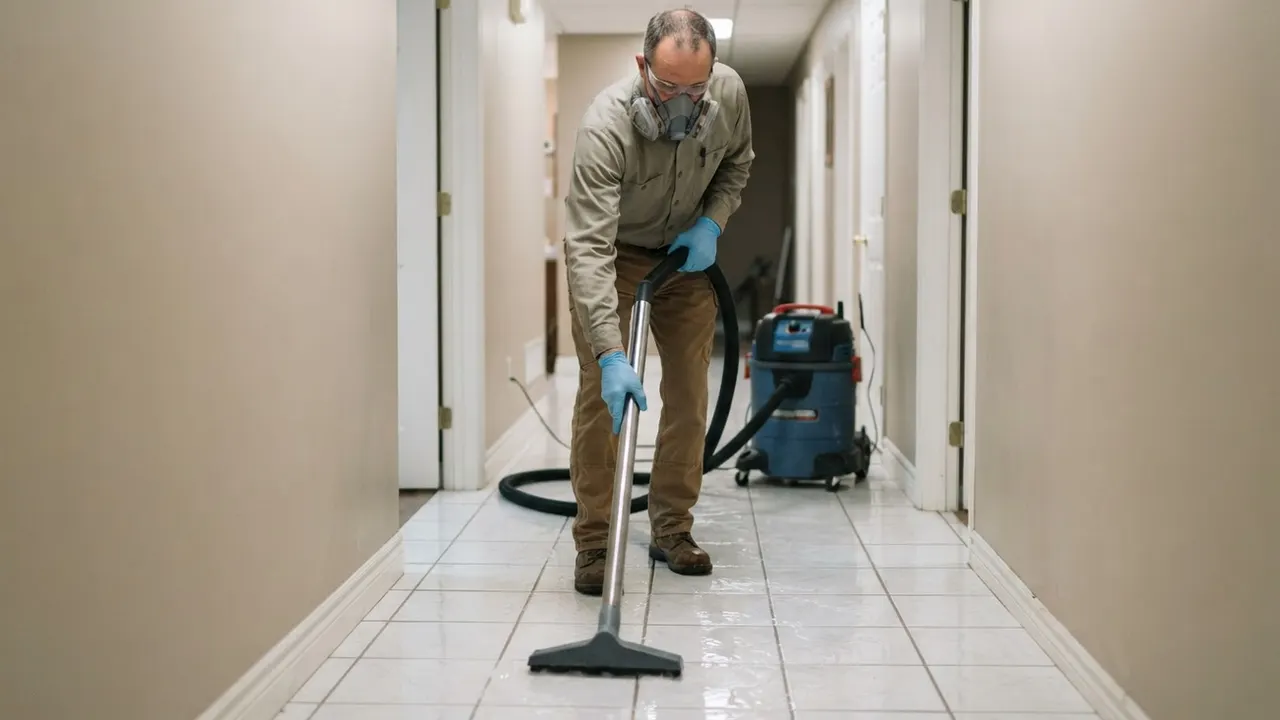
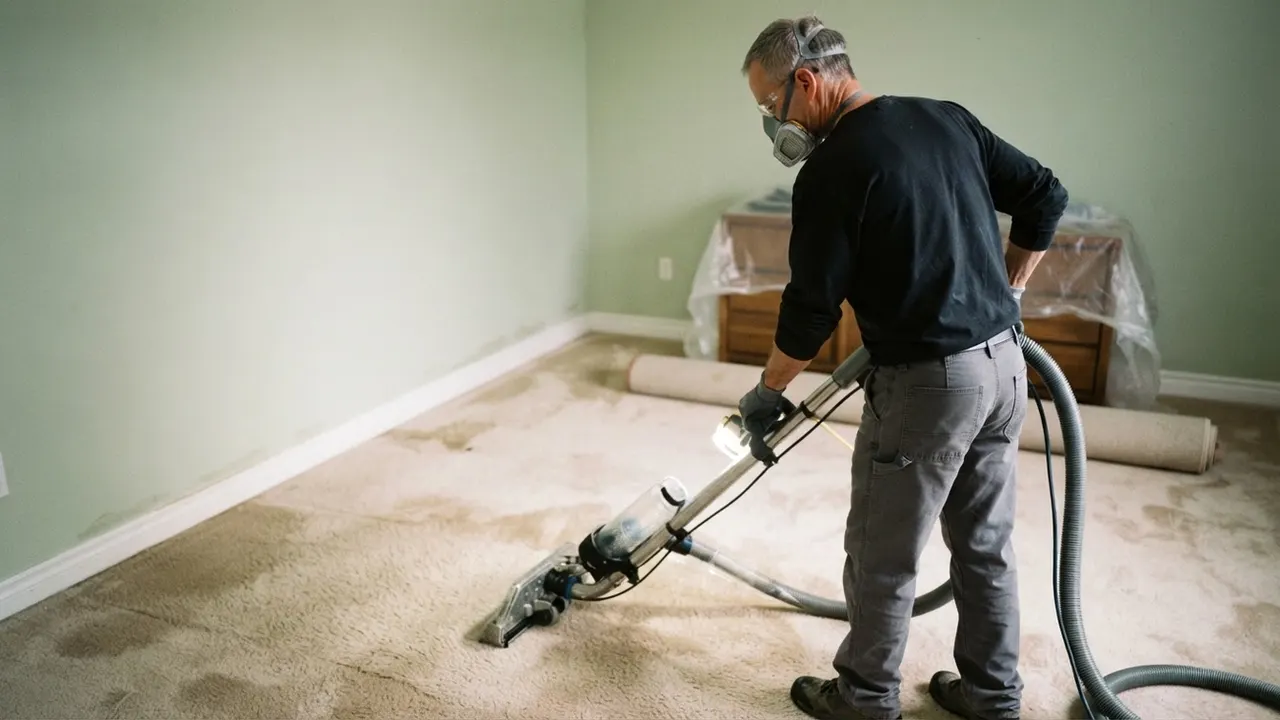
Removes accessible standing water from floors or surfaces beneath a leak. Extraction reduces the amount of water available to soak carpet, baseboards, and adjacent finishes.
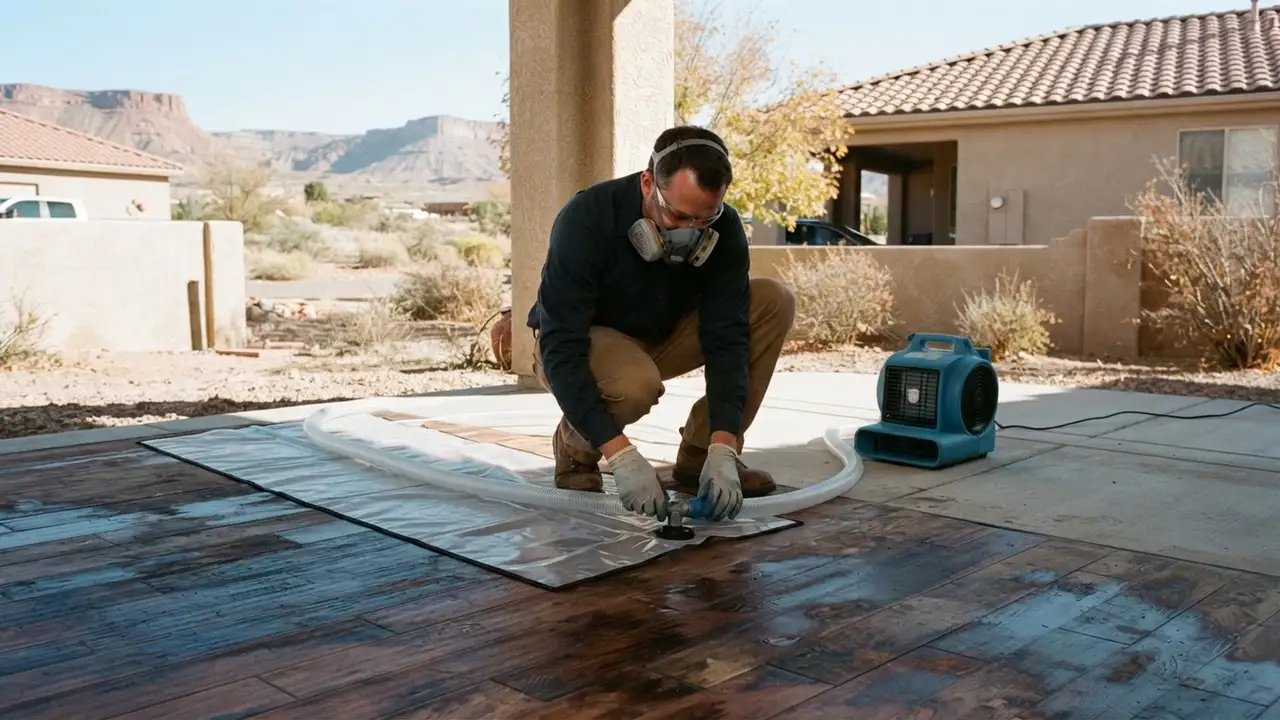
Dri-Eaz drying equipment supports controlled airflow and dehumidification during structural drying. We position equipment according to the affected area and verify progress with moisture readings.
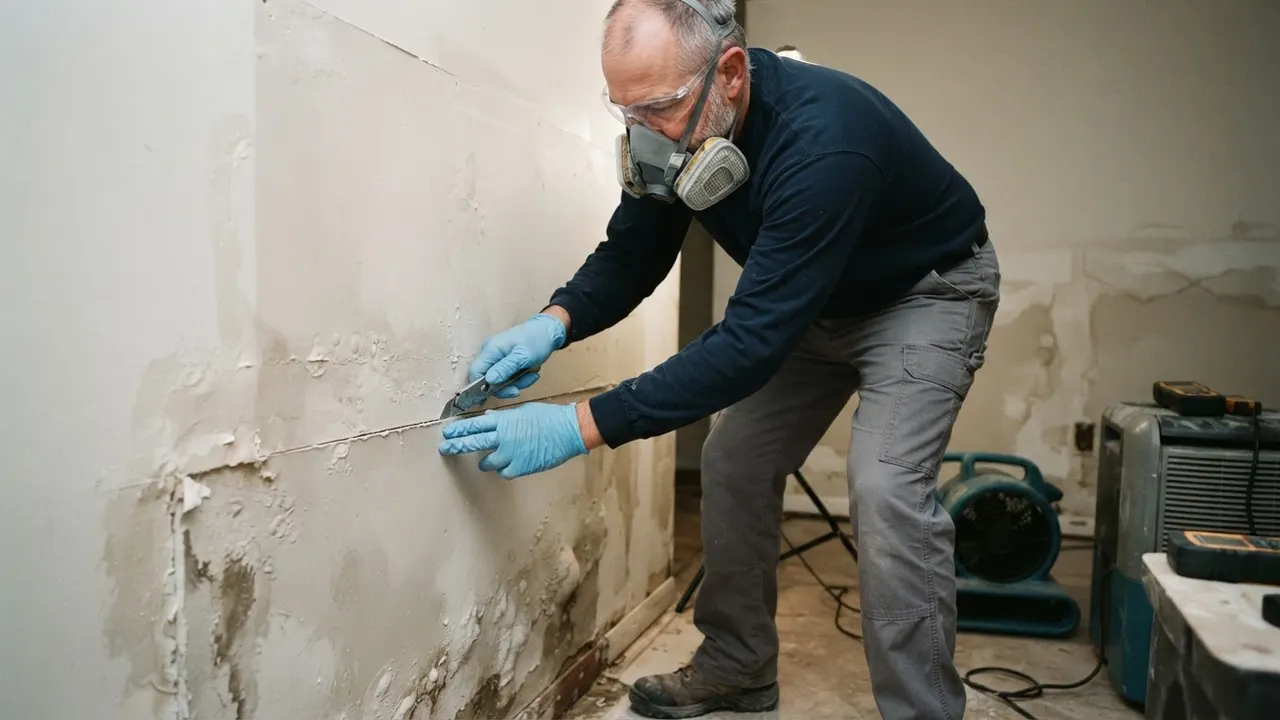
Helps control airborne dust during removal and repair work. We use appropriate containment and filtration when the work area and material removal call for added particle control.
We take readings across the stain, the surrounding ceiling, and accessible framing to establish the wet boundary. Comparing those points with an unaffected reference area helps guide removal and drying. Repeat readings show whether moisture levels are changing before the cavity is closed.
We cut back damaged drywall to sound edges and remove insulation that cannot be dried effectively in place. The opening provides access for inspection and airflow while limiting unnecessary demolition. We protect the room, collect debris, and check exposed framing before installing drying equipment.
We help stop the water, inspect the ceiling and nearby wall, and determine how far moisture traveled. If drywall or insulation is saturated, we remove the affected section and dry the cavity with measured airflow. We coordinate the ceiling rebuild after the plumbing source is controlled. The leak is addressed before fresh drywall goes in, and the hallway ceiling returns to a firm, finished surface.
We check the stain's path, protect the room, and inspect accessible ceiling materials for moisture. We coordinate temporary protection for an exposed roof opening where conditions allow, then dry or remove affected materials. Electrical concerns near a wet fixture are treated as a priority. You get a clear picture of the interior damage, a controlled work area, and a ceiling repair planned around the roof source.
We assess the source, contain water in the affected room, and document damage to the ceiling and flooring below. We remove wet drywall when needed, check insulation and framing, and arrange drying before the ceiling is closed. Property managers receive practical updates about the work sequence. The tenant's room is protected, the affected materials are addressed, and the repair record supports property maintenance follow-up.
We investigate nearby plumbing, roof paths, and the cavity instead of treating the bubble as a surface defect. Moisture readings help locate damp materials, and a small inspection opening can reveal whether insulation or framing is wet. We then address the source and choose drying or removal based on condition. You learn what is behind the bubble and avoid sealing a damp cavity beneath a cosmetic patch.
Mesquite's dry outdoor air does not guarantee a dry ceiling cavity. Once water enters insulation or sits against drywall, the enclosed space can hold moisture even as the room feels comfortable. We inspect both the visible stain and the materials above it, then use readings to decide whether drying or selective removal is needed. Many service calls begin with a roof leak after wind-driven rain, a plumbing connection above a bathroom, or an appliance line that has seeped through a floor assembly. Our ceiling water damage restoration Mesquite process accounts for those different paths rather than using one repair method for every stain. We serve Clark County neighborhoods and work in homes, rentals, and commercial properties. If you need emergency ceiling leak repair in Mesquite, Nevada, tell us whether water is still dripping, whether the ceiling is bulging, and which room is affected. That information helps us prioritize source control, safe access, and protection of nearby contents. We check for materials such as drywall, insulation, and baseboards before closing the repair, and we explain any connected damage that needs attention.
A supply-line leak above a hallway left a 3-foot brown stain and a soft patch of drywall. The visible mark was smaller than the damp area in the ceiling cavity, and insulation had absorbed water. The homeowner needed the source identified and the affected materials handled before another coat of paint went on.
We traced the leak, removed the unstable section, and dried the exposed cavity. Moisture checks were repeated over several days before new drywall was installed and finished. The repaired area measured about 4 by 5 feet, covering the full affected boundary rather than only the original stain.
Check supply connections and nearby ceilings after plumbing work or unusual water use. If a stain returns, note its size and location and call before painting. Keep the area below a fresh leak clear so the ceiling can be inspected safely.
After wind-driven rain, water marked a bedroom ceiling near an exterior wall. The drywall looked mostly intact, but the insulation above it was damp and the stain grew from roughly 8 inches to 18 inches over two days. A surface patch would not have addressed the roof entry path or hidden moisture.
We mapped the affected area, protected the bedroom, and removed wet drywall and insulation where needed. Drying equipment ran while readings were tracked, with the cavity checked before reconstruction. The replacement section was finished after the source was addressed, leaving the room with a solid, paint-ready ceiling.
After heavy rain, inspect ceilings below roof penetrations and exterior corners. Photograph any new stain and note whether it changes after rainfall. Prompt attention helps identify a roof path before water spreads through additional insulation.
A slow appliance-line leak above a utility room created a small ceiling bubble and a musty odor. The water had traveled into a nearby wall edge, and the visible ceiling area did not show the full extent. The property manager needed the source stopped and the room returned to service.
We identified the affected ceiling and wall materials, removed the compromised drywall, and checked the cavity with repeat moisture readings. After drying, we replaced the damaged section and finished the joints. The repair covered the affected area and included a final check of the adjoining wall edge.
Inspect appliance supply hoses and connections periodically, especially after moving equipment. Watch for discoloration or odor around the ceiling and wall junction. Report small changes early so the cavity can be checked before damage expands.
A ceiling leak can create more than an ugly stain: it can weaken drywall, soak insulation, and leave moisture hidden above a finished surface. We investigate the water path and repair the affected assembly. For ceiling water damage cleanup Mesquite NV, we also protect the room and remove wet debris.
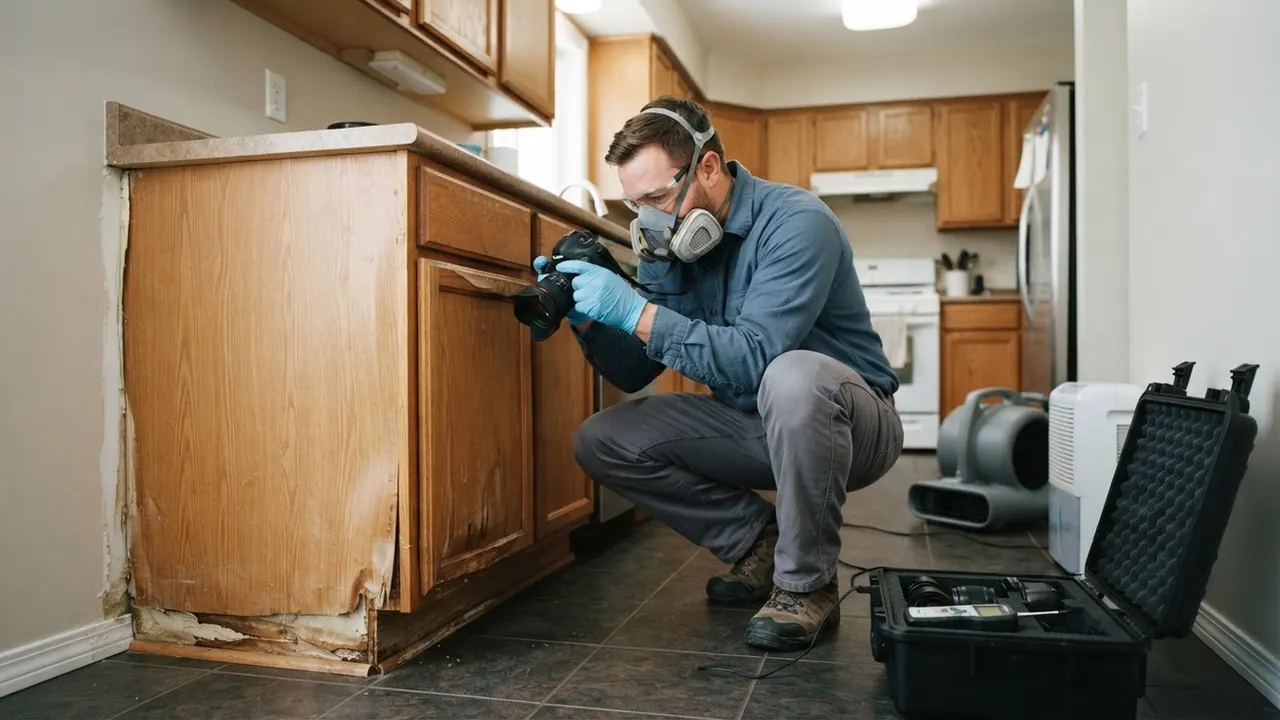
We trace the stain toward its source, inspect the ceiling cavity, and check moisture beyond the visible mark. If the source is still active, we address that path before patching. We remove material that cannot be dried, then rebuild the ceiling after measurements show the cavity is ready. The original leak may still be active, or moisture may remain above the finish. Repainting can hide evidence while wet drywall and insulation continue to deteriorate.
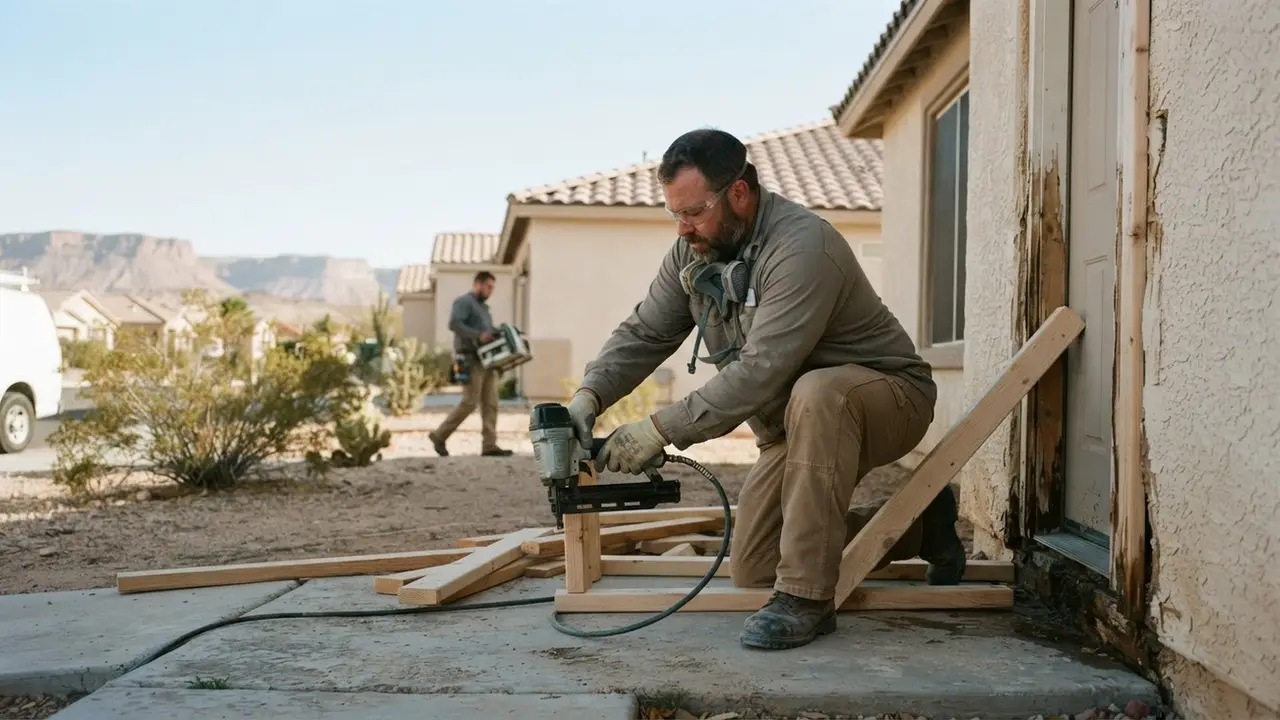
We help isolate the source, protect the room, and assess the ceiling before opening the damaged section. We remove unstable drywall and wet insulation, check the exposed materials, and dry the cavity. Once the plumbing issue is controlled and the area is ready, we replace and finish the ceiling. Waterlogged drywall can sag or fall, creating a safety concern and exposing insulation and framing to prolonged moisture. Nearby fixtures may also be affected.
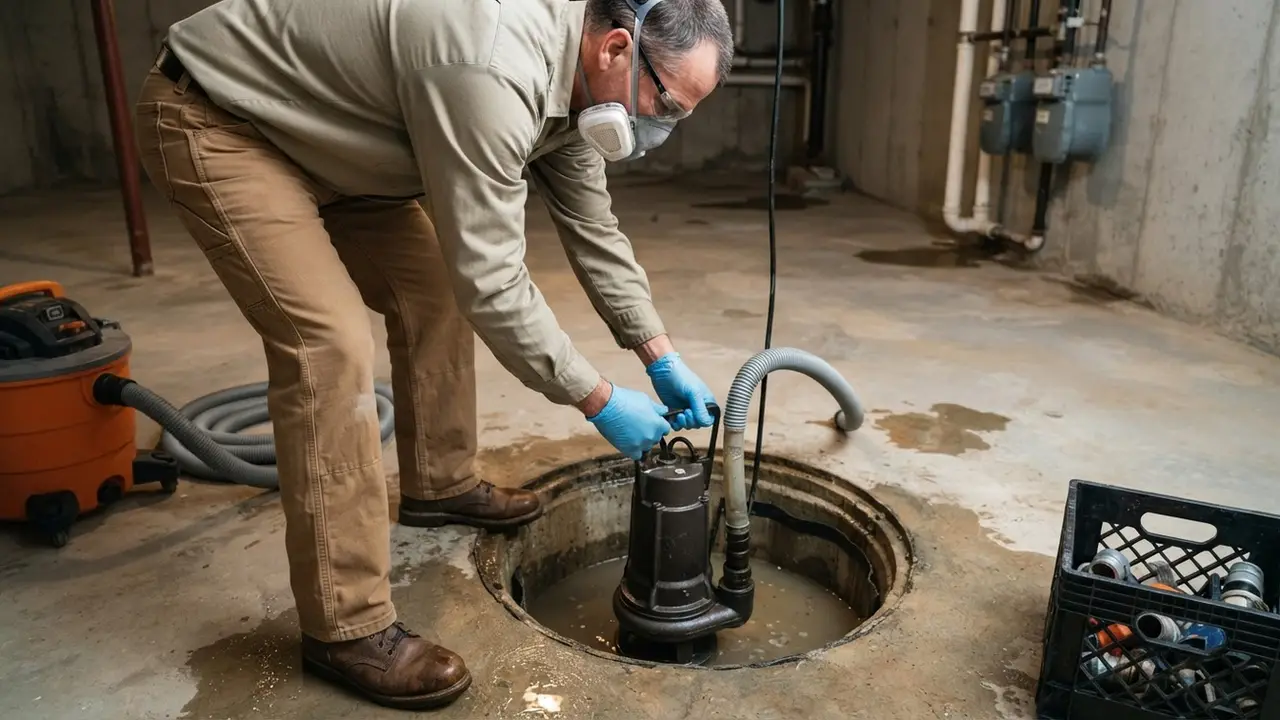
We inspect the cavity and nearby materials, use moisture readings to locate retained water, and remove material that cannot be restored. Drying equipment is positioned to move air through the affected area. We confirm progress before rebuilding, rather than masking the odor with a surface treatment. Odor can signal damp insulation, debris, or other materials that remain wet inside the ceiling. Closing the cavity too soon can trap moisture and encourage mold growth.
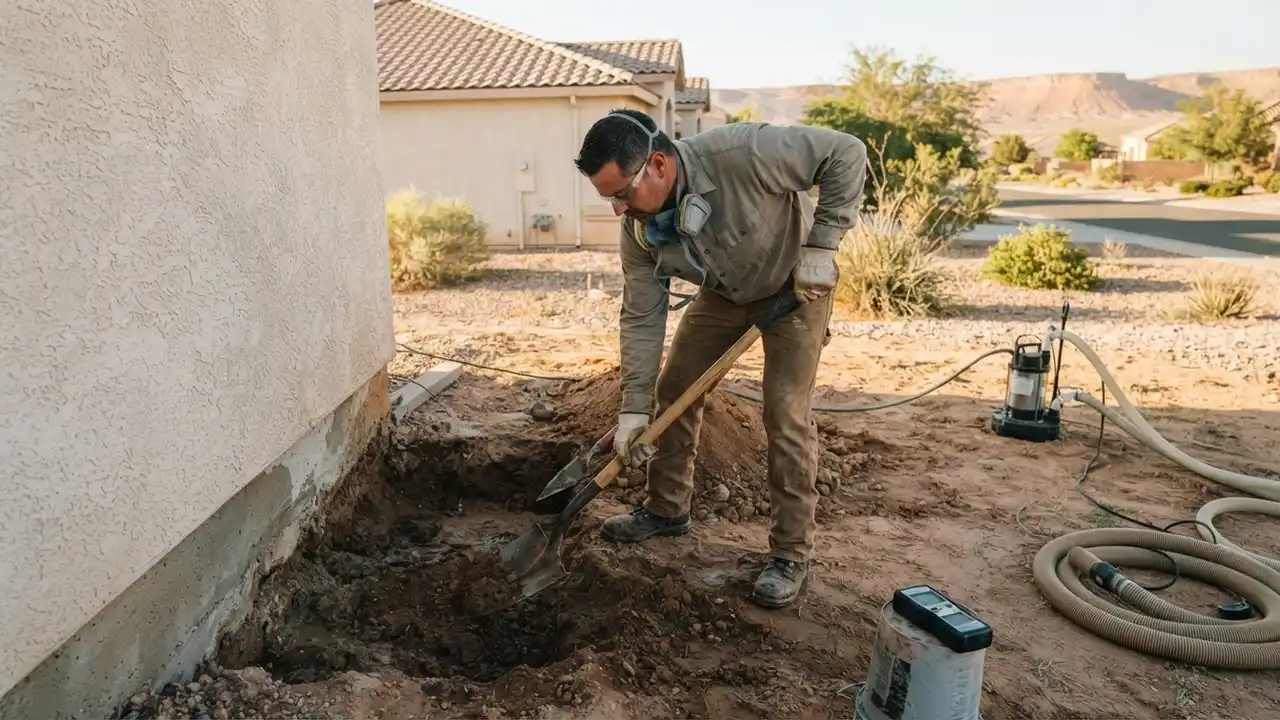
We inspect the ceiling, adjoining walls, and the floor directly below the leak. Our team identifies water-affected materials, removes accessible water, and coordinates drying across the connected area. The ceiling is rebuilt after the source is controlled and the cavity has been checked. Water can soak carpet padding or travel along floor and wall edges while the ceiling takes the visible impact. Treating only the ceiling can leave connected materials wet.
We trace water patterns to the likely entry point instead of treating the visible mark alone. A slow copper piping leak can travel along framing before appearing across the room, while a roof leak may leave a narrow trail after a storm. Identifying the source helps prevent a new stain from forming over a fresh patch.
Wet insulation and framing can hold moisture after the ceiling surface feels dry. We take baseline readings, position an air mover and dehumidifier as needed, and recheck the cavity during drying. That measured approach helps limit mold growth and avoids closing damp materials behind new drywall.
Before opening a ceiling, we cover nearby furniture and flooring, control dust, and collect damaged material. When water has reached carpet padding or hardwood flooring, we identify those areas for separate drying attention. The work area stays organized so you can keep unaffected parts of your Mesquite home in use.
A complete repair considers the ceiling assembly, not only paint color. We remove loose drywall, replace compromised insulation when needed, and prepare seams for a smooth finish. Your room gets a stable surface, while documented moisture checks show that drying was part of the repair rather than an afterthought.
Clear records you can keep and share.
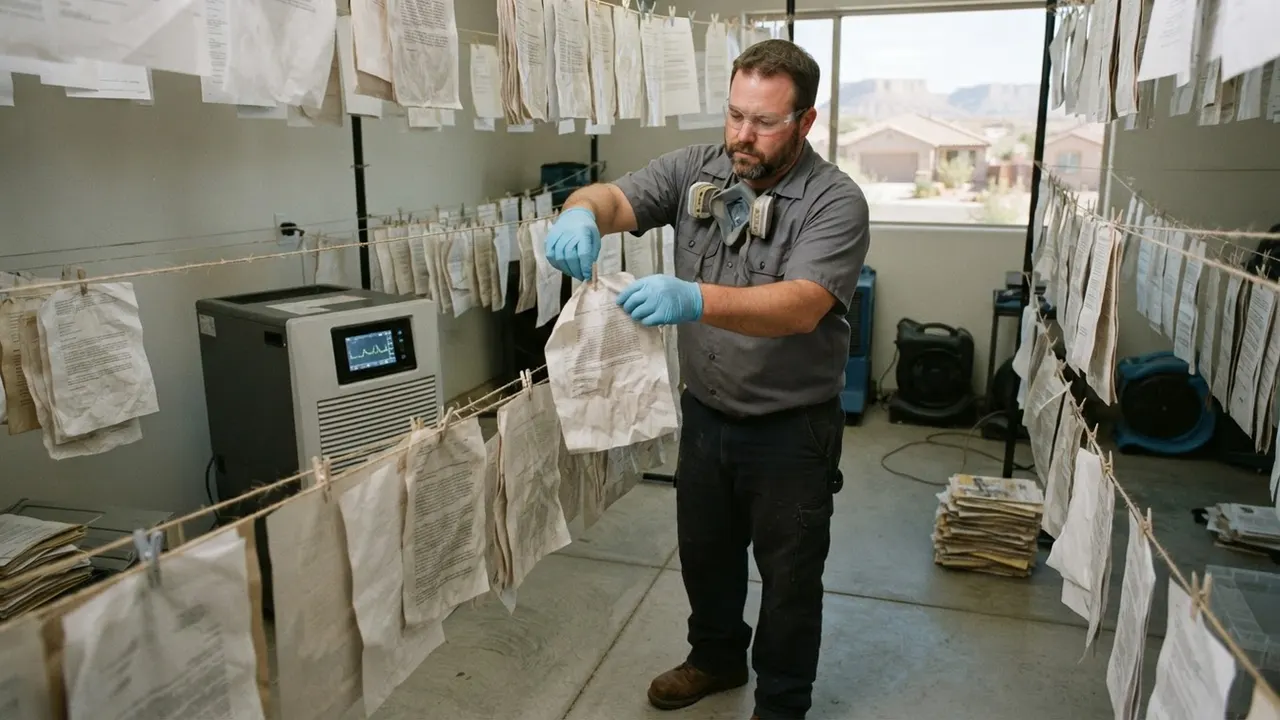
Photos and notes on affected ceiling materials.
Readings tracked through the drying stage.
Replacement drywall prepared for paint.
A ceiling that looks dry may still contain moisture above the surface. We check the cavity and materials before deciding whether to close the opening.
A stain shows where water appeared, not necessarily where it entered. We inspect beyond its edge to locate the wet boundary.
Fresh drywall can hide damp insulation if installed too soon. We use repeat readings to guide when reconstruction begins.
A ceiling patch does not stop a roof or pipe leak. We identify the water path and address the cause before finishing.
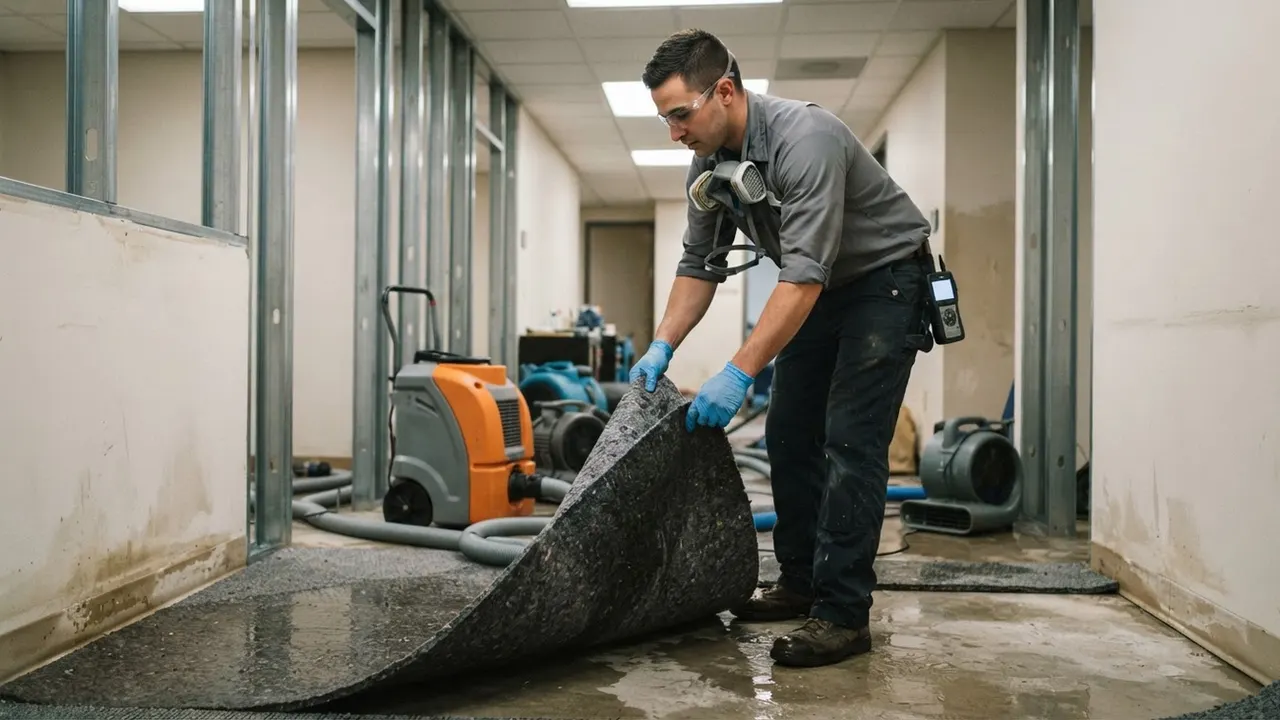
Outside these neighborhoods? Call and ask about service in your area. (833) 546-4116
A localized ceiling repair can vary while extensive drying and reconstruction can be higher for larger losses. Typical 2026 pricing in Mesquite depends on leak access, drywall and insulation removal, room protection, drying duration, and finish work. We inspect the affected area and explain the cost drivers before work proceeds. The water source may require separate plumbing or roof work, which changes the total scope.
Common causes include a roof leak, burst pipe, plumbing joint failure, or an appliance leak above the ceiling. Water can travel along framing, so the visible drip may be several feet from the source. We check nearby bathrooms, supply lines, roof penetrations, and ceiling cavities to trace the route. If water is actively dripping, keep clear of a bulging section and shut off the relevant water supply when safe.
We stop the water source, measure the affected area, remove unsalvageable drywall or insulation, dry the cavity, and rebuild the ceiling after readings show suitable conditions. A small localized repair may take 2 to 5 days including drying and finishing; larger cavities take longer. We protect the room, check adjoining materials, and explain whether the repair needs a plumbing or roof correction before closing the ceiling.
Coverage depends on your policy, the cause of the loss, and whether the damage was sudden or developed over time. Sudden pipe failures are treated differently from long-term seepage, and policy terms vary. We can document visible damage, photographs, and moisture readings to help you discuss the loss with your insurer. Contact your carrier promptly and keep damaged materials available for inspection when practical.
A spreading stain, soft drywall, or active drip needs a source check before the ceiling is patched. Our team serves Mesquite, NV, and explains the next steps clearly. Call (833) 546-4116 to arrange an assessment and stop the damage from spreading.
Call (833) 546-4116 to explain what happened and where water is collecting. We take calls for water damage requests and connect you with an independent company that can discuss service details directly. If the leak is active, shut off the source when safe and tell us whether the water reached electrical equipment, flooring, or more than one room.