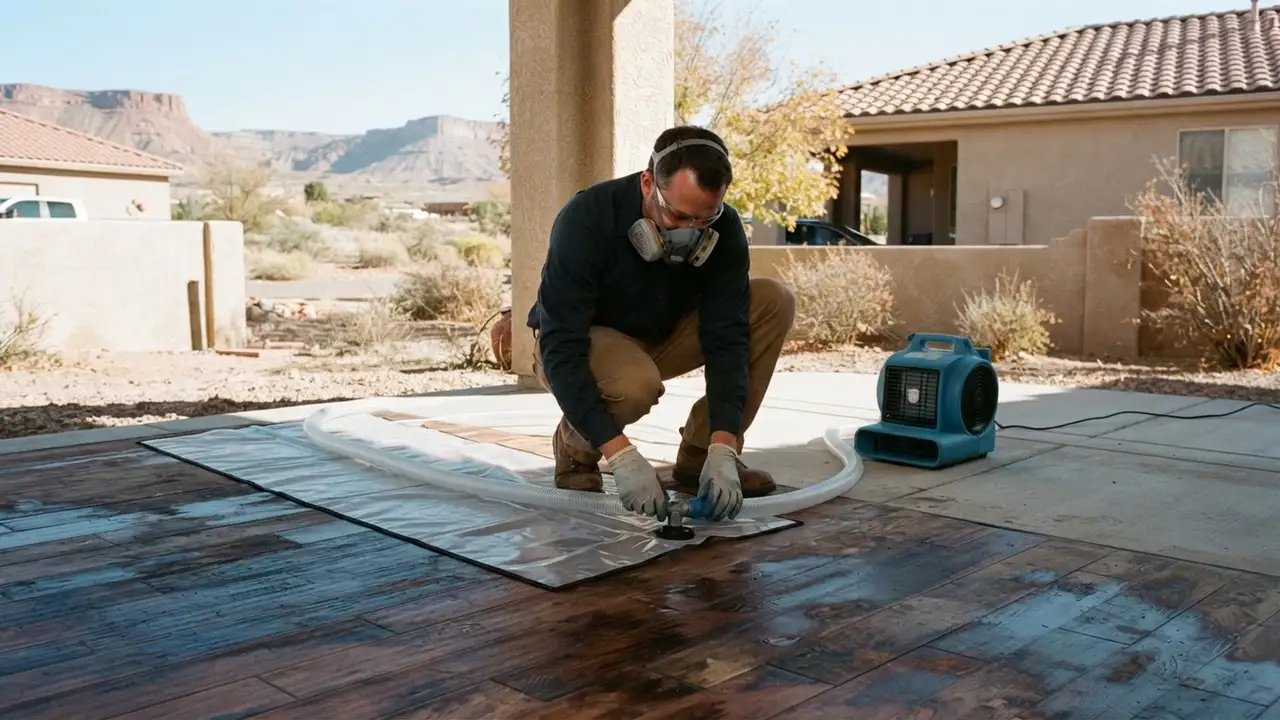
Moisture Map
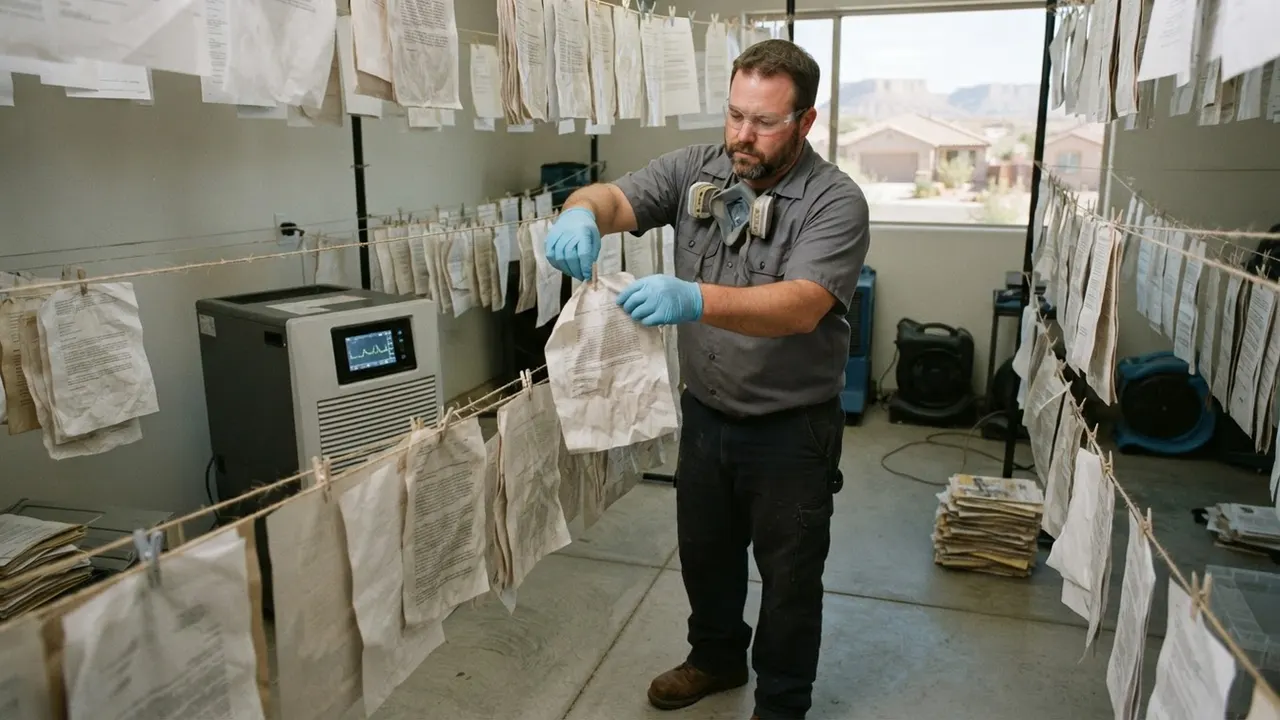
Affected materials and checked locations.
Structural drying and dehumidification Mesquite NV helps homeowners, tenants, and property managers dry wet building materials after a leak, overflow, or storm. We locate moisture behind surfaces, remove standing water, and control indoor humidity with measured equipment rather than guesswork. Our team serves Mesquite, Nevada, and acts promptly to limit swelling, lingering musty odor, and conditions that support mold growth.
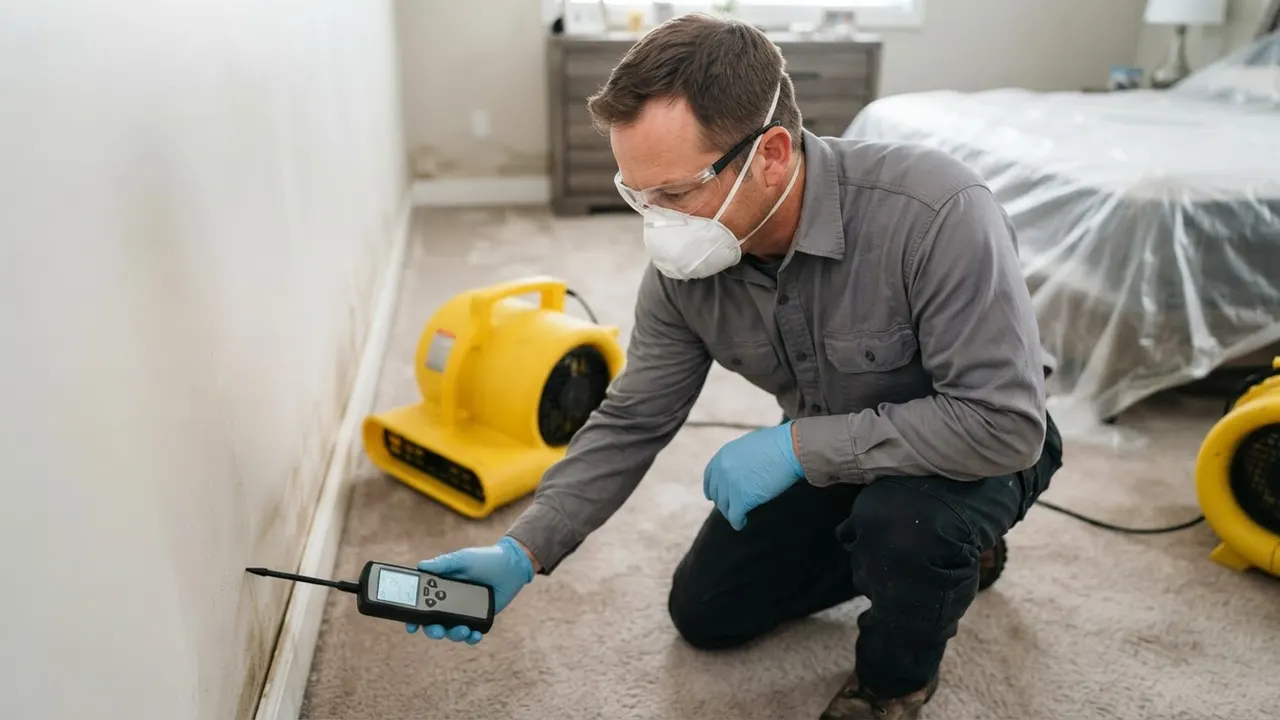
Structural drying covers moisture assessment, water extraction where needed, targeted equipment placement, and repeat checks on affected materials. We explain the drying results and identify repairs that follow. Material replacement, plumbing or roof repairs, mold remediation, and specialty contents restoration are separate services when the damage calls for them; we coordinate the next step with you.
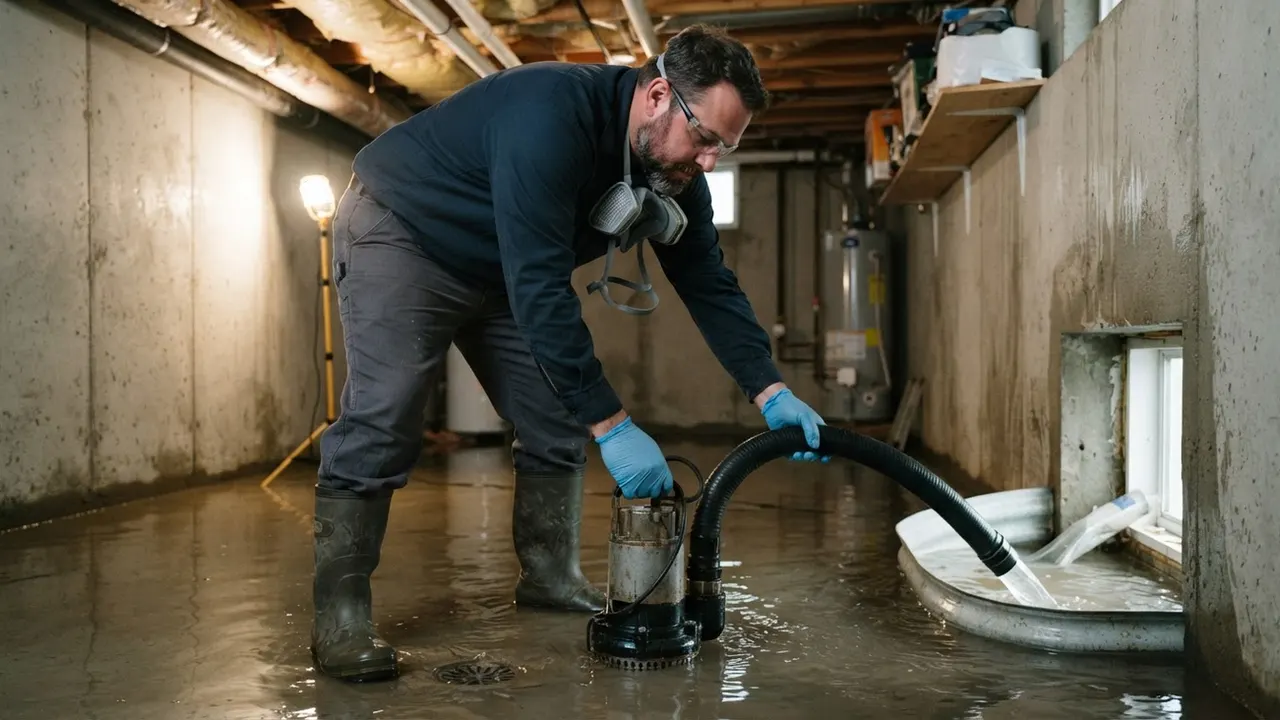
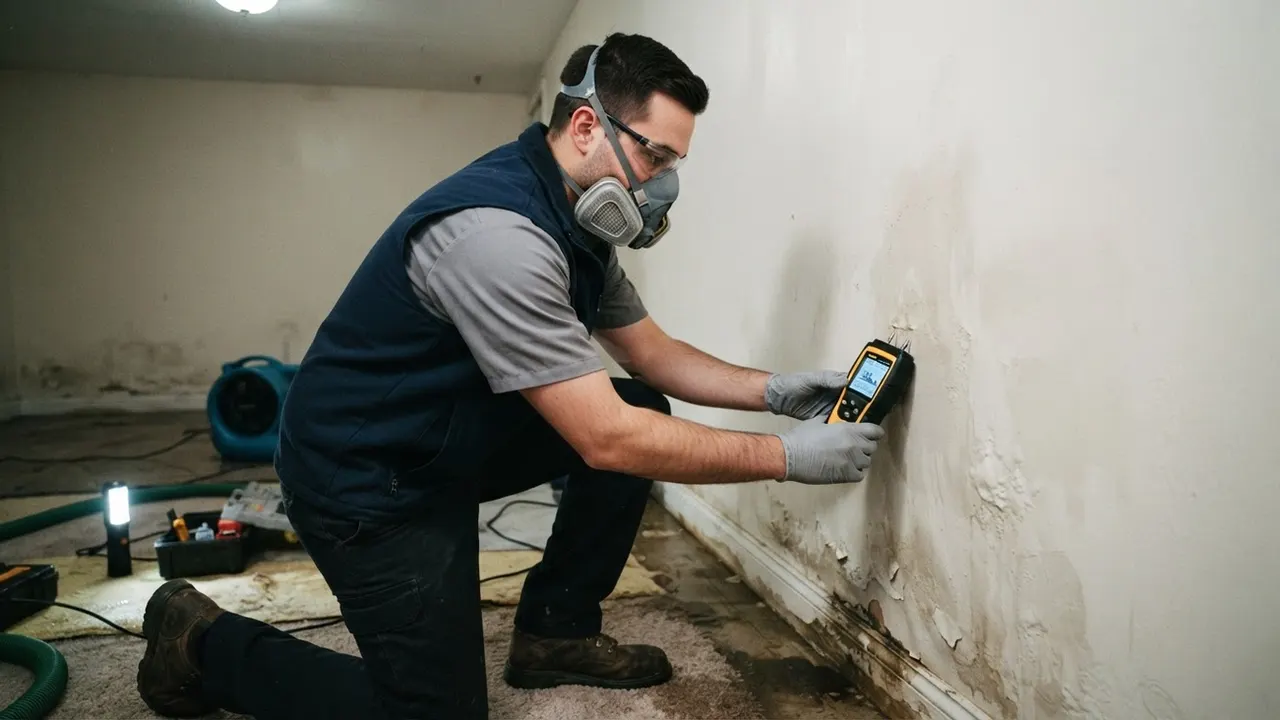
We dry affected rooms while protecting access to the parts of your home you still need to use. You see which materials are wet, how equipment is placed, and what readings show as the work progresses.
We plan equipment placement around your tenants, staff, and operating areas. Property managers receive clear progress information so they can coordinate access, repairs, and the return of affected rooms to use.
Structural drying and dehumidification Mesquite NV is a water damage restoration service that removes trapped moisture from building materials after a leak or flood. We first extract accessible water, then map wet areas with a moisture meter and thermal imaging camera. Air movers direct airflow across affected surfaces while a dehumidifier collects moisture from the room air. Readings guide equipment placement and removal; a dry-looking wall is not proof that its insulation or framing is dry. We track the materials and readings throughout the job so you can see progress.
In Mesquite, a burst pipe, slab leak, appliance leak, or roof leak can wet drywall, baseboards, flooring, and concealed cavities before a stain appears. Dry indoor air does not guarantee that a wall cavity or carpet padding has released its moisture. Our structural drying Mesquite NV approach measures both the affected materials and room conditions, then adjusts equipment as readings change. For dehumidification after water damage Mesquite NV, we isolate the wet zone where practical and check adjoining rooms so moisture does not remain hidden behind a finished surface.
Measured readings show where moisture remains and when materials are ready for repair.
Structural drying in Mesquite starts with water removal and a material-by-material assessment. We explain the affected areas, protect access paths, and set equipment based on measured conditions. Daily checks help you understand what is happening and whether the drying plan needs adjustment.
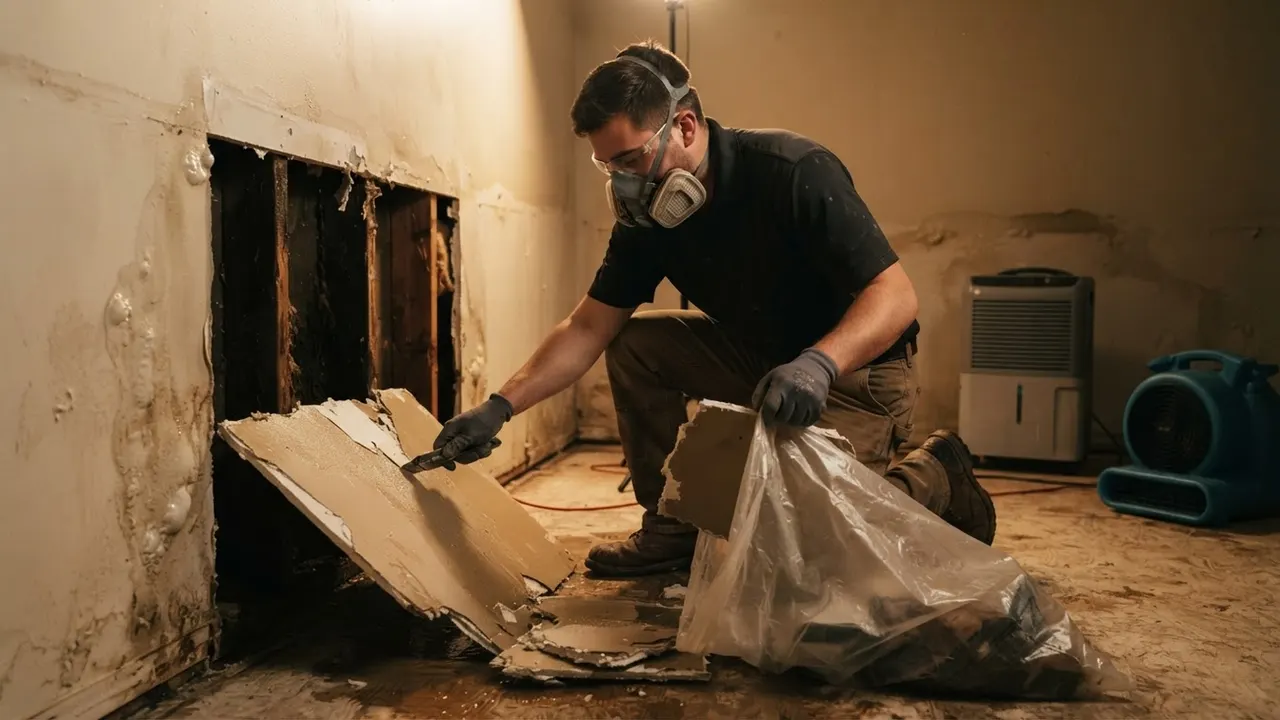
We identify the water source, note visible damage, and check affected rooms with a moisture meter and infrared thermometer. A thermal imaging camera can help locate temperature patterns that warrant a closer moisture check, but readings confirm the actual condition. This first visit establishes a baseline and shows you where drying equipment will be most useful.
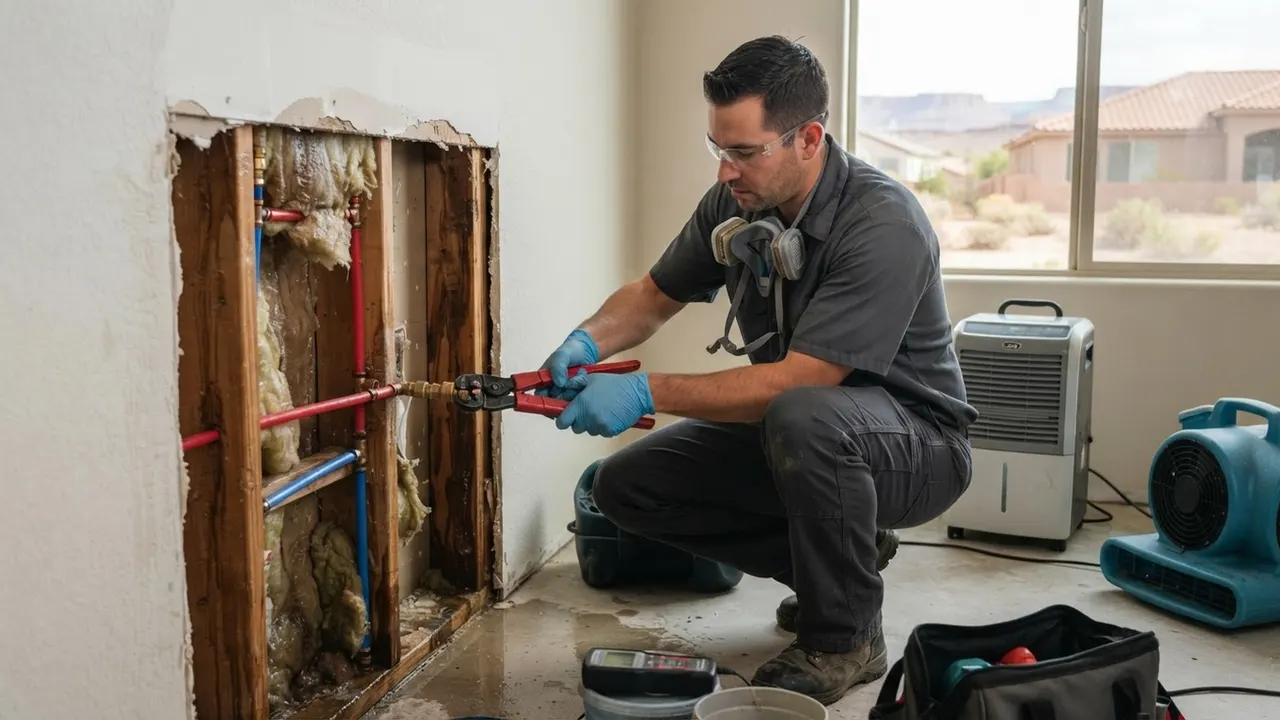
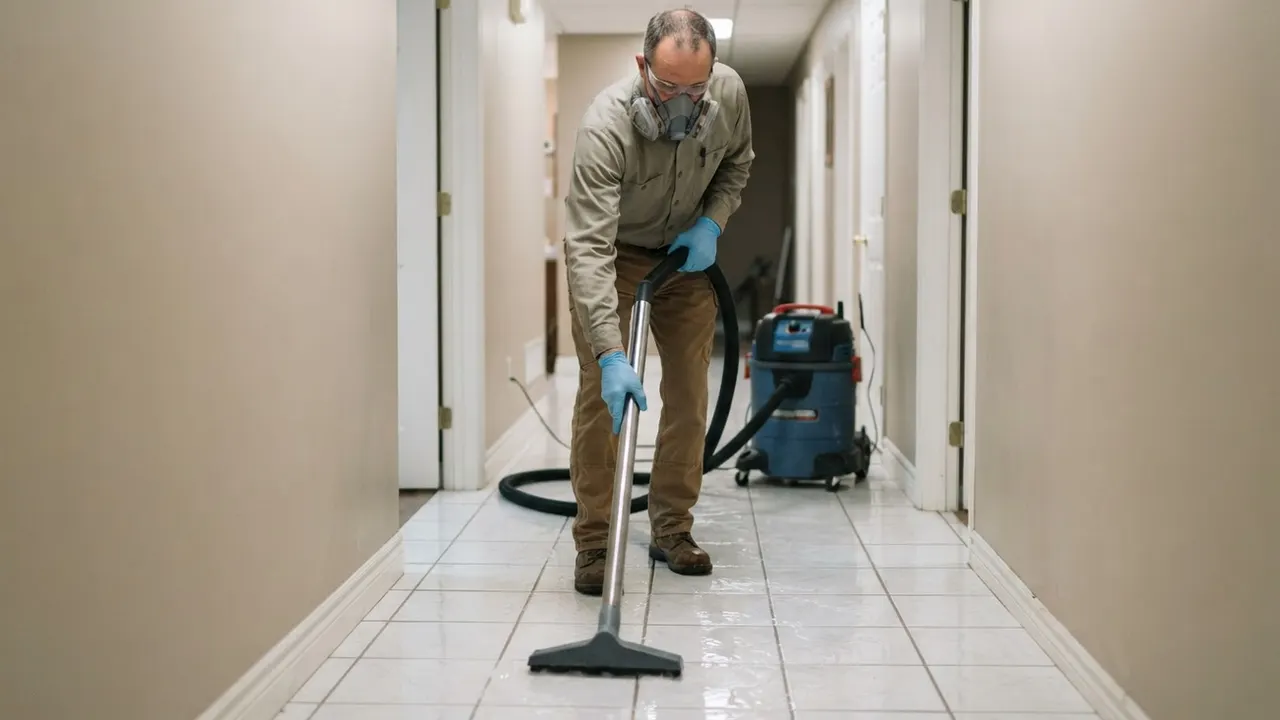
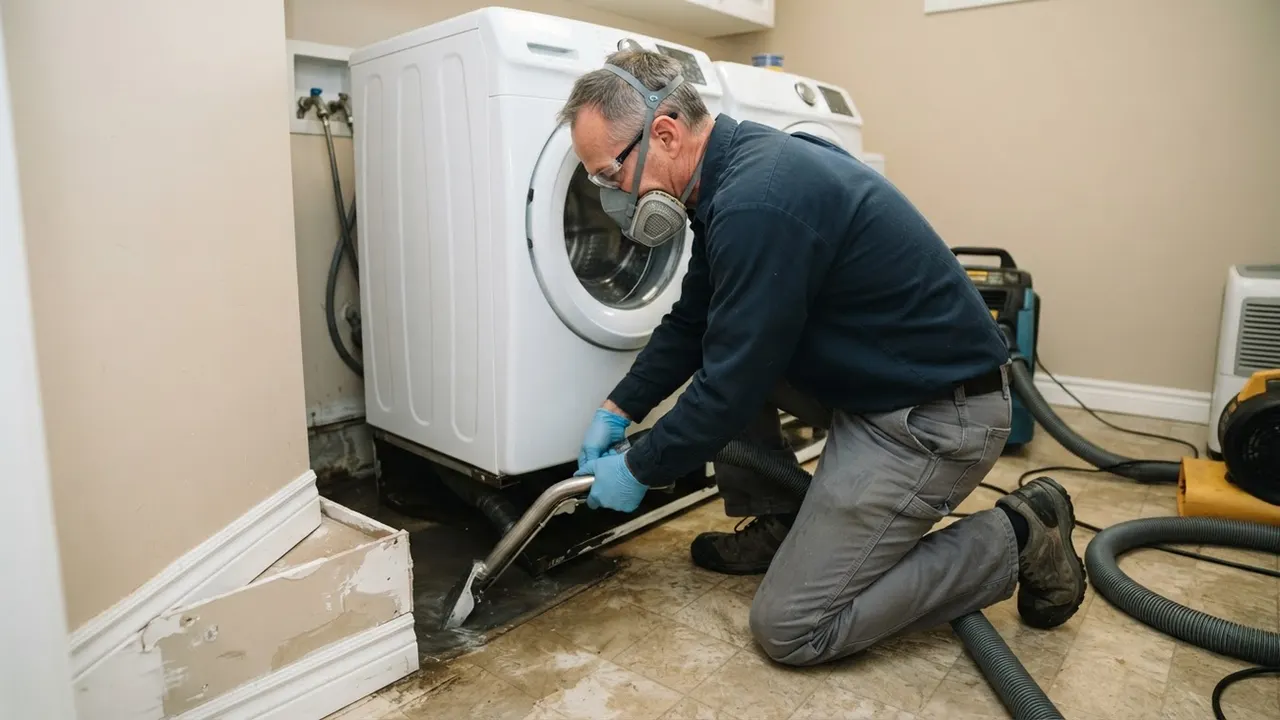
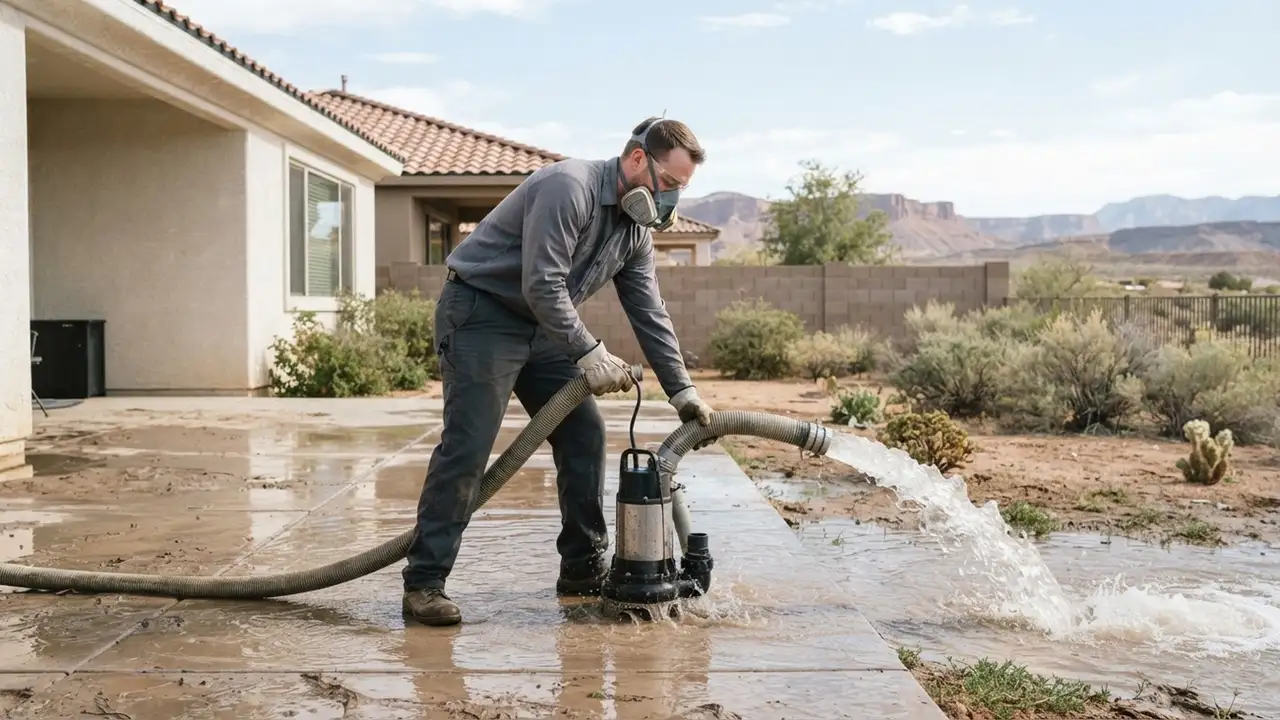
If water remains on floors or in accessible areas, we use a water extraction unit before setting drying equipment. Removing pooled water reduces the load on the dehumidifier and limits additional absorption into flooring and lower walls. We protect walkways, move equipment carefully, and tell you which areas need to stay clear during the next stage.
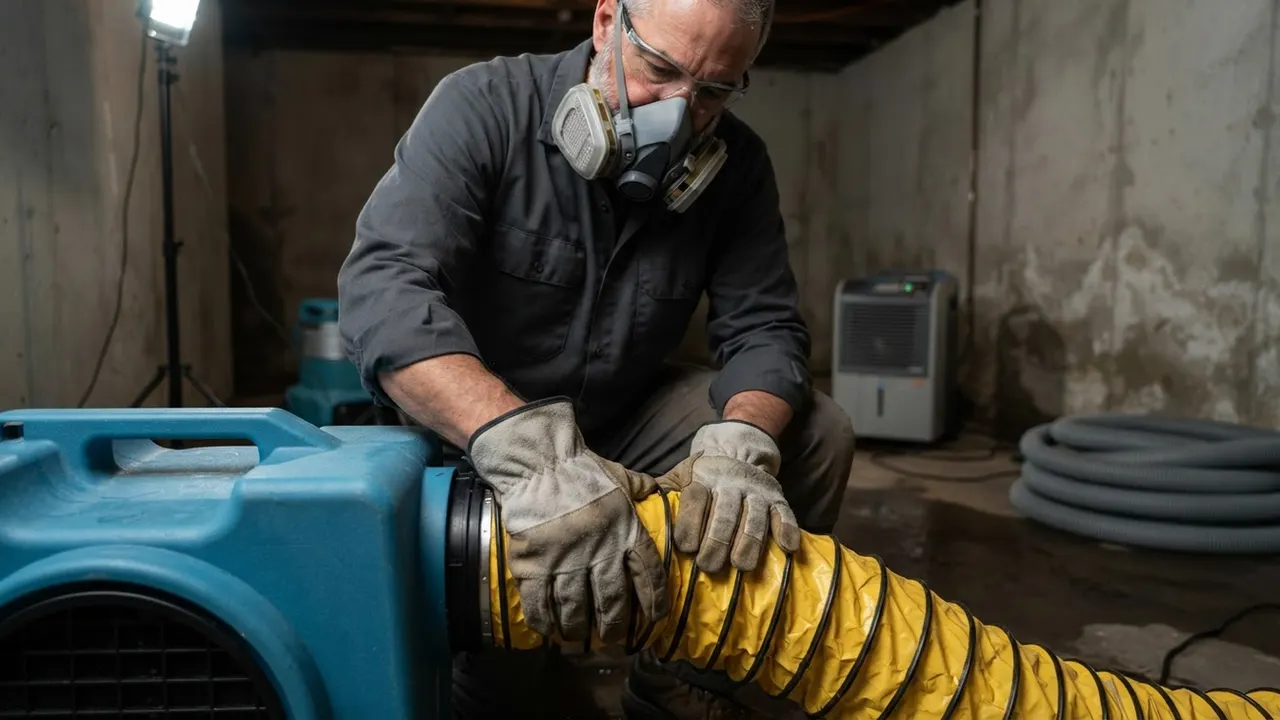
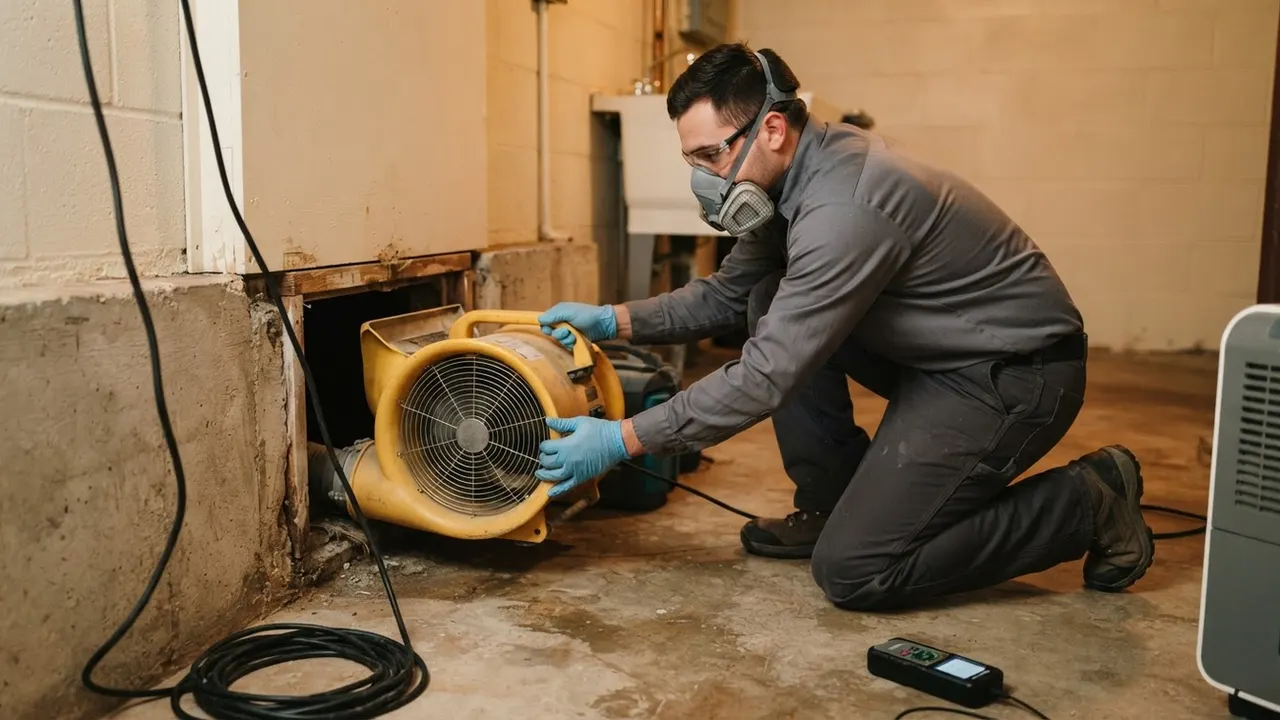
We position air movers to circulate air across wet surfaces and place a dehumidifier where it can collect moisture effectively. The layout depends on room size, material type, and the location of wet cavities. We show you the equipment placement, explain normal operating noise, and discuss safe access around cords and machines.
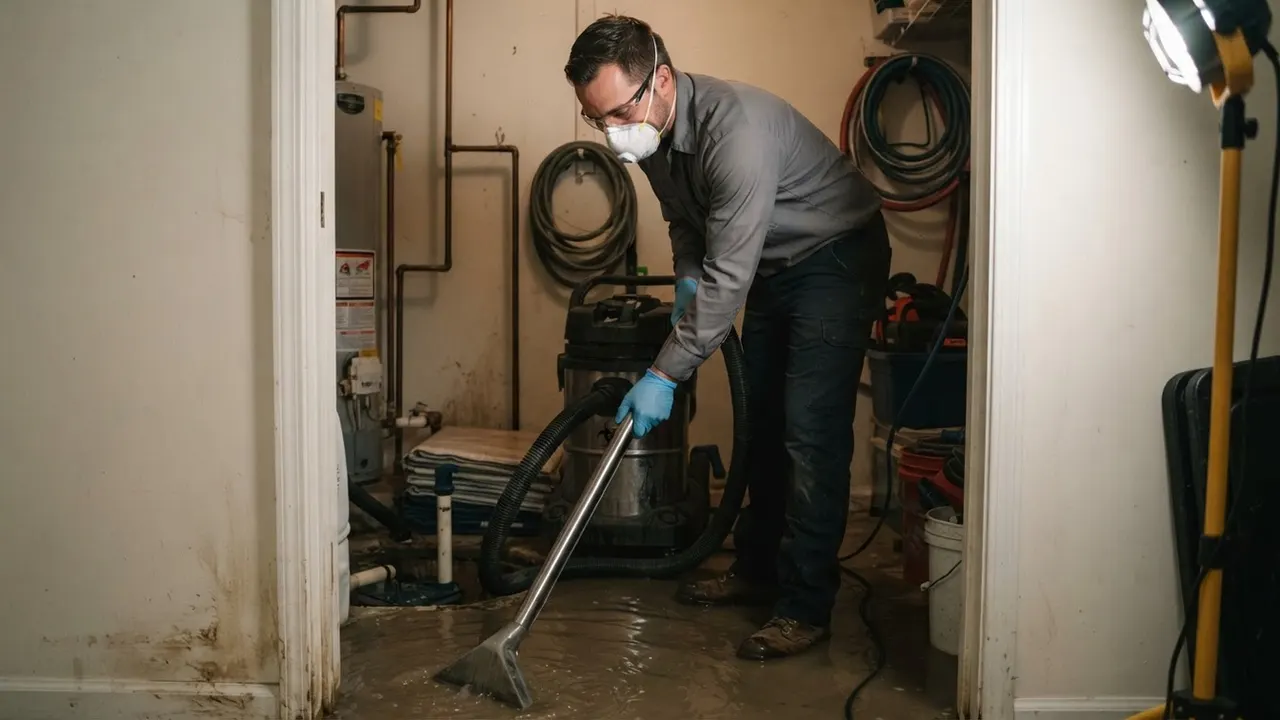
We return to measure the same materials and compare readings with the initial baseline. A job lasting several days needs regular checks; a small, accessible area can dry faster than a wet wall assembly or flooring system. If readings stall, we adjust airflow or investigate concealed moisture rather than leaving equipment to run without a purpose.
Before removing equipment, we check the affected materials again and explain the readings and remaining repair needs. Drying does not replace repairs to damaged drywall, insulation, or flooring, so we identify those next steps clearly. You receive a summary of the work and can ask questions about any area that still feels damp or smells musty.
Measures moisture in building materials and helps compare affected drywall, baseboards, and flooring with nearby dry reference areas.
Shows temperature patterns that can guide further inspection; we confirm suspected moisture with direct meter readings.
Directs airflow across wet surfaces to support evaporation from exposed building materials during a controlled drying setup.
Collects water vapor from room air, helping maintain conditions that allow wet materials to release retained moisture.
Tracks room humidity during drying so equipment adjustments reflect changing environmental conditions as well as material readings.
Removes accessible standing water before structural drying equipment is used to manage retained moisture.
We record starting readings in affected materials and compare them with unaffected reference points. Follow-up checks use the same locations where practical, making progress easier to judge. If readings remain elevated or shift unexpectedly, we investigate the moisture path and adjust the drying plan.
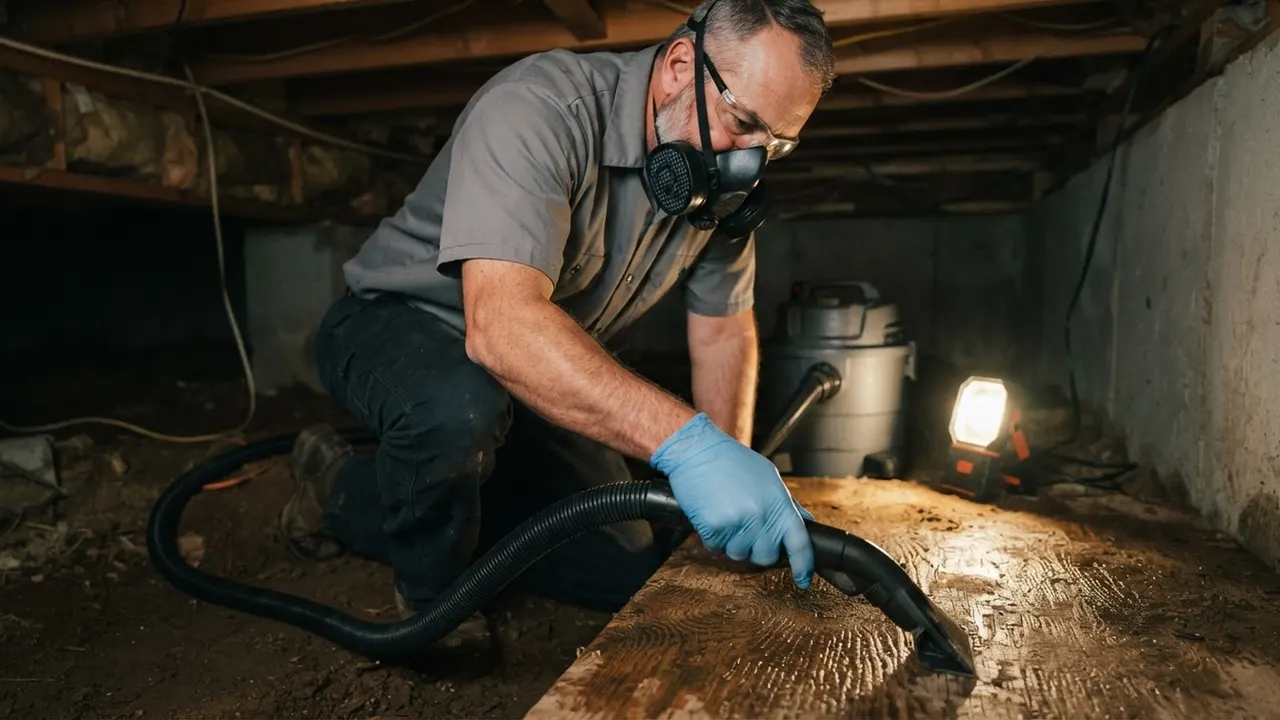
Air movers direct air over wet surfaces while a dehumidifier collects moisture from the room. We position equipment for the affected layout and make adjustments as readings change. This method supports drying without assuming every room, wall, or floor requires the same setup.
We stop or coordinate control of the water source, extract standing water, and inspect the cabinet base, adjoining wall, and floor. Moisture readings guide air mover placement and show whether concealed materials need access. We recheck the affected areas as they dry and explain any repair needs. You get a clear drying plan that addresses hidden moisture, not just the wet floor. Follow-up readings show whether the cabinet area and adjacent materials are improving.
We remove accessible water, check the carpet assembly and wall, and determine how far the leak traveled. The drying setup targets both the floor and wall materials, with equipment arranged to keep a safe path through the room. We track readings before deciding whether the pad can remain. The wet footprint is identified, and you know which materials are being dried or need replacement. Moisture checks guide when the equipment can be removed.
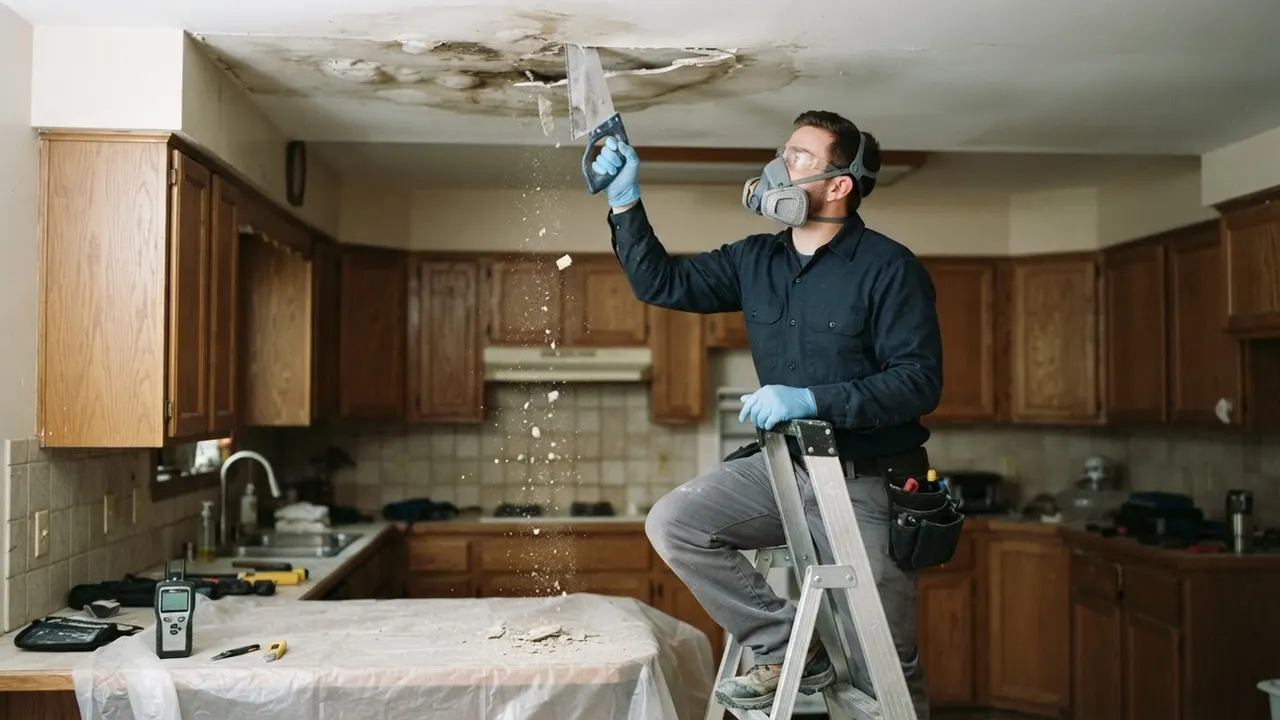
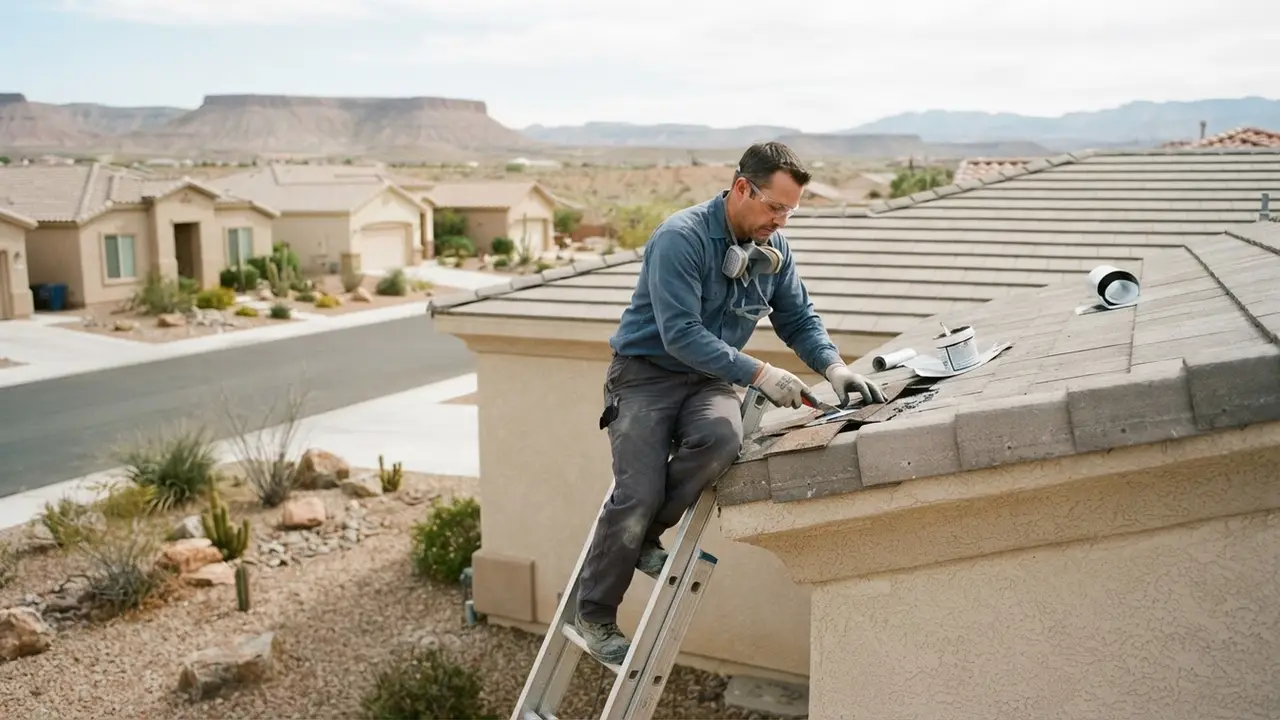
After water entry is controlled, we inspect the ceiling, nearby walls, and accessible cavity. We use moisture readings to set targeted airflow and dehumidification, then revisit the area to check progress. If insulation or drywall cannot be dried in place, we explain the repair sequence. You receive a measured drying approach and a clear account of whether the ceiling assembly is ready for repair. The source and the retained moisture are both considered.
We map each affected area and coordinate equipment placement around room access and business operations. Extraction comes first where water is pooled, followed by drying equipment sized to the wet footprint. We recheck the rooms and communicate which spaces need to remain clear during the process. The property manager can plan access and repairs using clear progress updates. Drying focuses on affected rooms without treating unaffected areas as wet.
Mesquite properties face water damage from plumbing failures, appliance leaks, roof leaks, and storm flooding. A hot, dry outdoor climate does not tell us whether a wall cavity, carpet pad, or subfloor is dry; indoor readings and material checks still matter. Our dehumidification services Mesquite plan starts with the source and the building assembly, then follows readings room by room. In older or remodeled spaces, layers of flooring and enclosed wall cavities can hide the path water took. We check adjoining areas instead of stopping at the stain. If you need structural drying Rollingwood NV, tell us whether the leak is active and which rooms are affected so we can prioritize extraction and inspection. We serve Mesquite in Clark County, including Downtown Mesquite and neighborhoods around Pecan Creek. For properties in ZIP codes 89027, 89034, and 89024, we coordinate equipment placement with household routines or business access. Repairs must follow applicable requirements for the work being performed; drying measurements help establish when materials are ready for that next step.
A supply-line leak left the laundry-room baseboard swollen and a patch of drywall discolored. The floor felt dry after towels were used, but moisture readings showed the lower wall and nearby flooring still held water. The leak was stopped, yet the affected area had not been mapped or dried.
We extracted remaining water and set targeted airflow with a dehumidifier. Over 4 days, readings were checked at the wall and floor until they moved toward the dry reference area. The customer received a clear account of which surfaces were ready for repair and which drywall section required replacement.
Check supply hoses and visible connections periodically, and address drips as soon as they appear. After any leak, inspect the adjoining baseboard and floor rather than relying on a dry-looking surface.
A dishwasher leak soaked the carpet edge in an adjoining room and reached the kitchen cabinet toe-kick. Surface extraction removed the puddle, but the carpet padding and wall base remained damp. The homeowner noticed a musty odor and could not tell whether the floor assembly was drying.
We inspected the carpet, pad, cabinet base, and nearby wall, then removed accessible water and placed drying equipment. Follow-up checks over 3 days showed improving readings in the retained materials. The wet padding was identified for removal, while the surrounding flooring was monitored before repair.
Inspect appliance connections and the area beneath sinks for new moisture. If an overflow occurs, move belongings away from the wet edge and arrange assessment before odor or swelling appears.
After a roof leak, a ceiling stain spread toward an exterior wall. The roof opening was protected, but damp insulation and ceiling material remained above the visible mark. The room had no pooled water, so the homeowner was unsure whether drying equipment would help.
We checked the ceiling and adjoining wall, then used readings to identify the area requiring drying. A dehumidifier and directed airflow ran while we monitored progress over 5 days. The results clarified which materials could remain and which needed removal before the ceiling repair.
After roof work or heavy weather, look for new ceiling stains and changes in odor. Report recurring marks promptly so the source and concealed materials can be checked before repainting.
Dehumidification after water damage Mesquite NV helps address moisture that remains after a leak has stopped and visible water is gone. We look beyond the stain to check connected materials, track drying, and explain when a repair must follow. Catching retained moisture early helps prevent avoidable damage from being sealed behind new finishes.
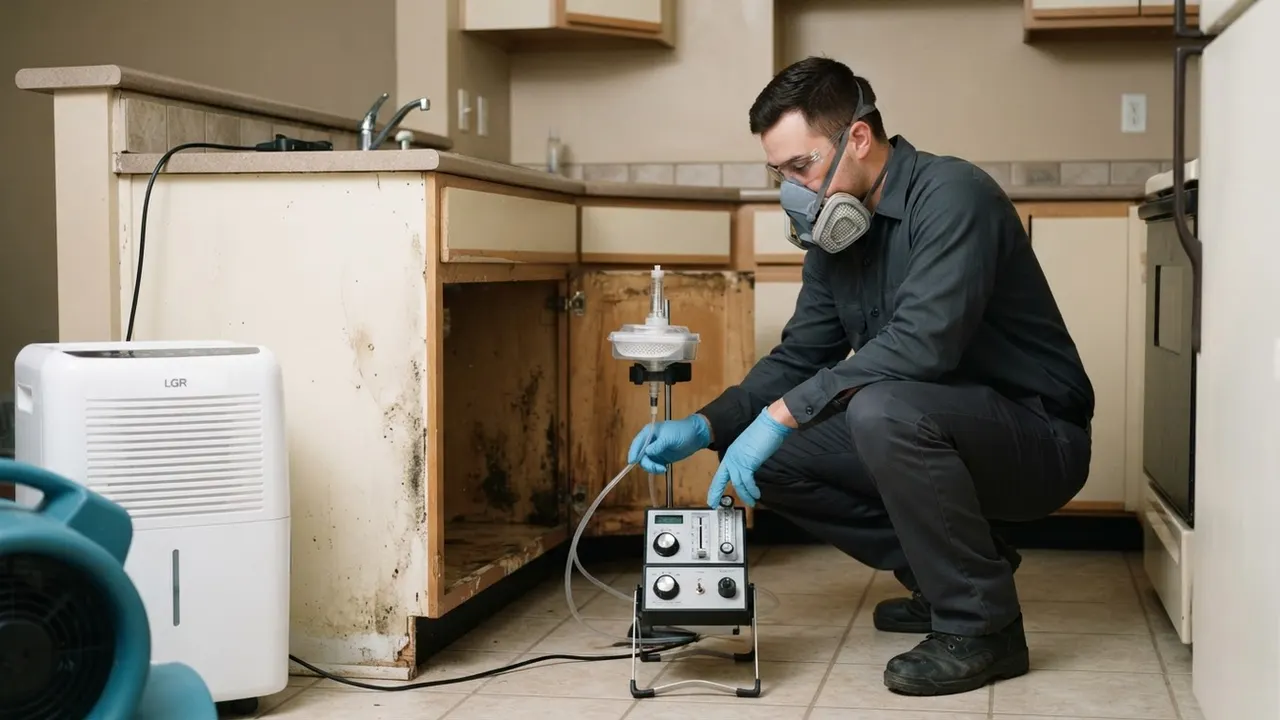
We compare wall readings with nearby dry areas and inspect the moisture pattern to determine whether the cavity needs access. If the assembly can be dried in place, we direct airflow and dehumidification toward the affected zone and recheck it. If insulation or drywall is saturated, we explain the removal and replacement steps. Moisture trapped inside a wall can keep framing damp, weaken finishes, and contribute to a persistent musty odor even after the surface stain disappears.
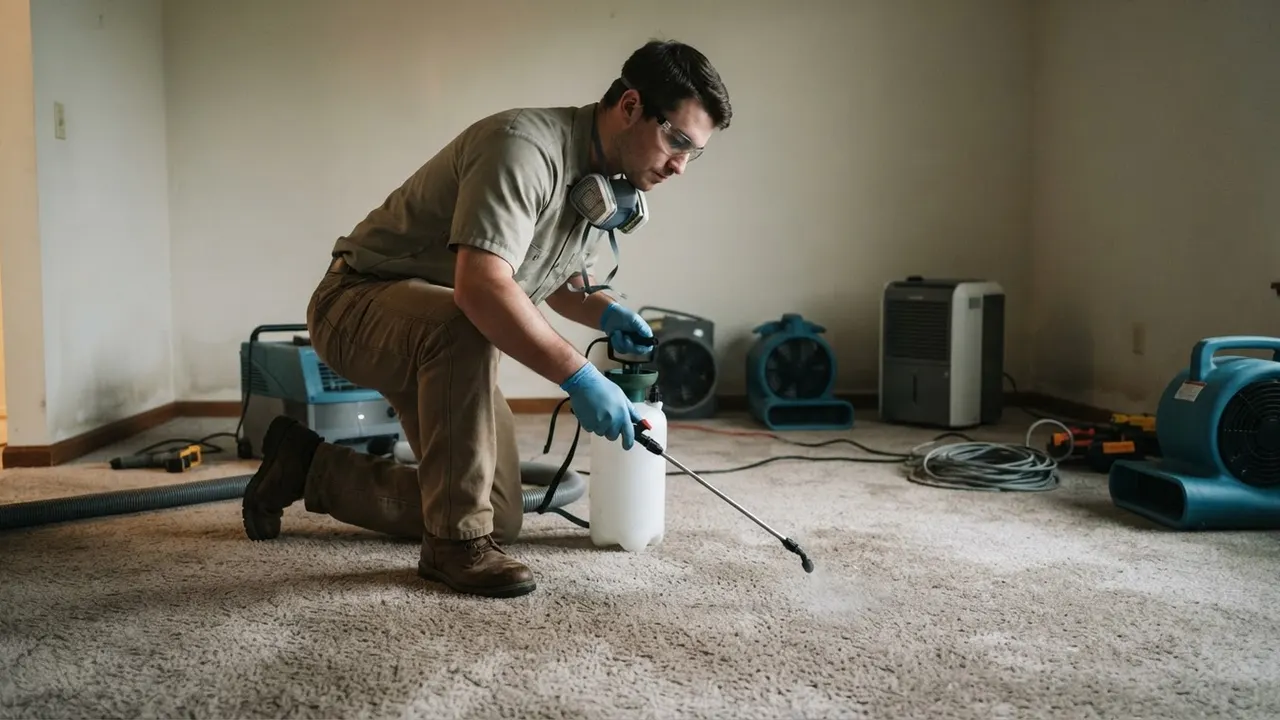
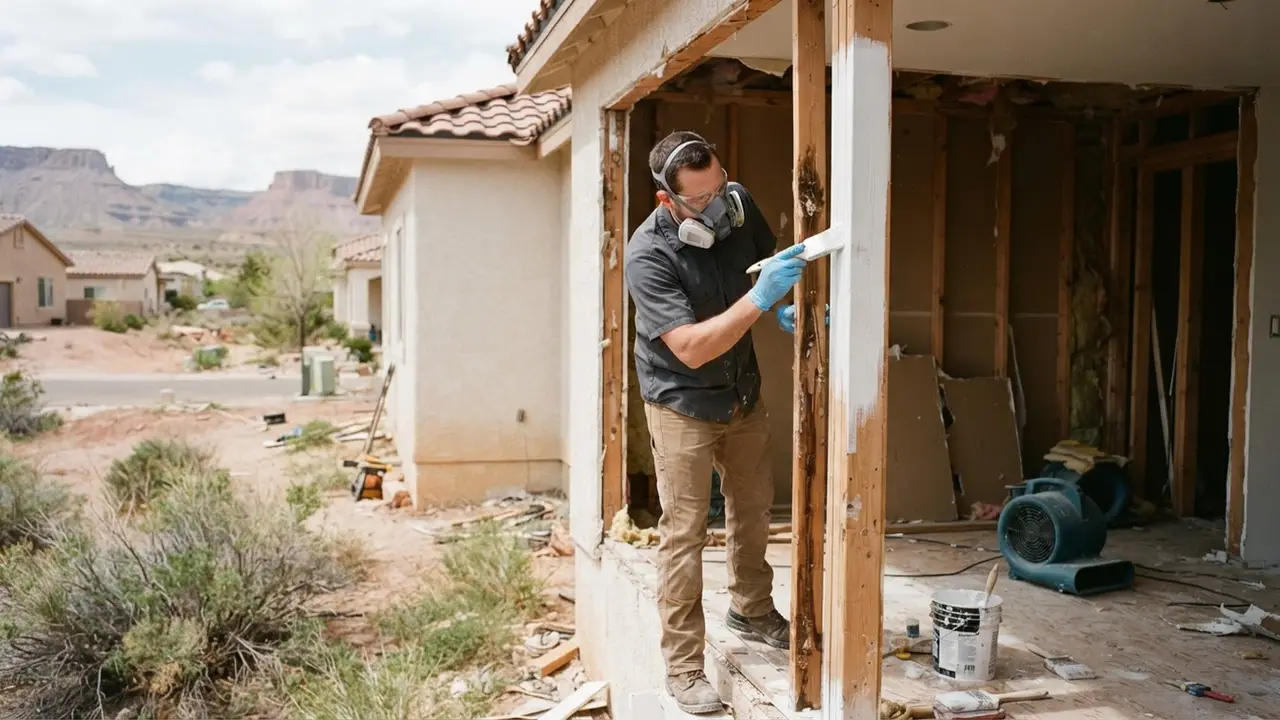
We map the affected floor and nearby walls with repeated moisture checks, then extract accessible water. Equipment placement focuses on the wet materials and the room conditions. We coordinate drying with source repair and explain whether flooring can be retained or needs to be lifted for access. Moisture under floor coverings can cause swelling, loosen finishes, and travel farther than the visible wet area, leaving damage out of sight.
We verify that water entry is controlled, assess the ceiling and adjoining walls, and identify the materials that can be dried in place. We use targeted airflow and dehumidification, then check readings again. If the ceiling cavity requires opening or material removal, we explain the reason before repair work proceeds. Wet insulation and ceiling materials can retain water after the roof stops leaking, increasing the chance of damaged finishes and odor if the cavity stays closed.
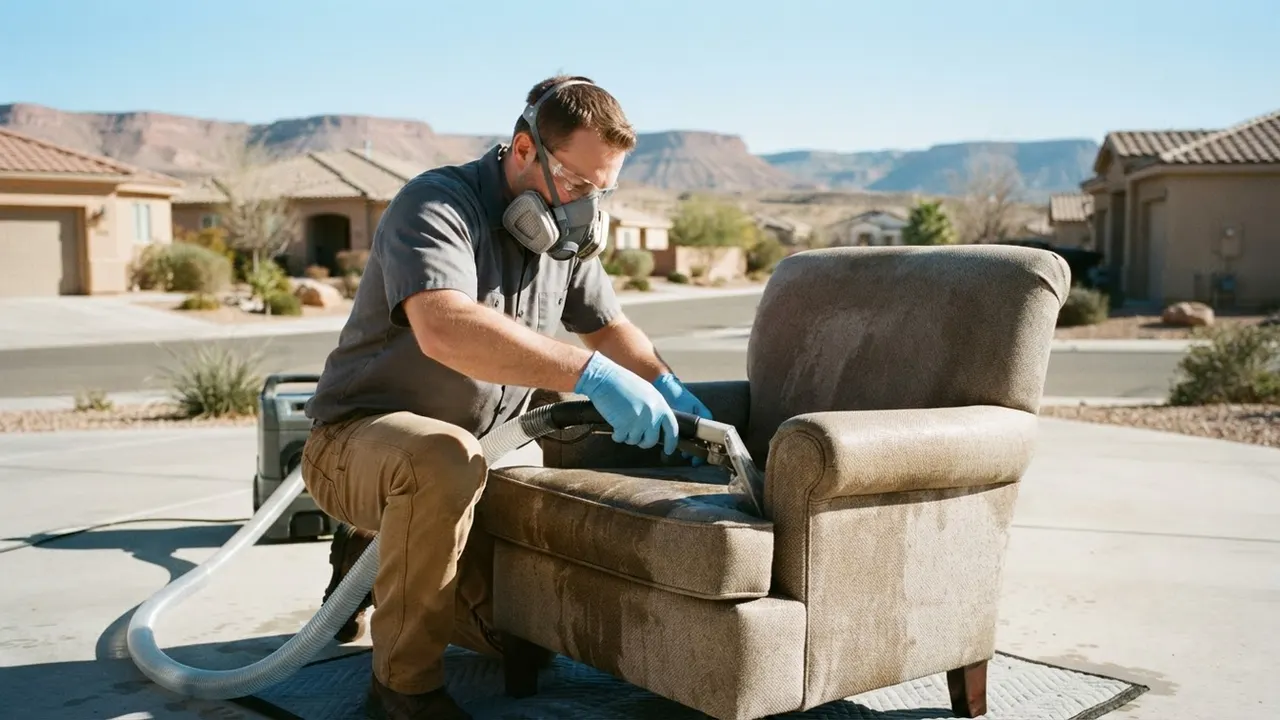
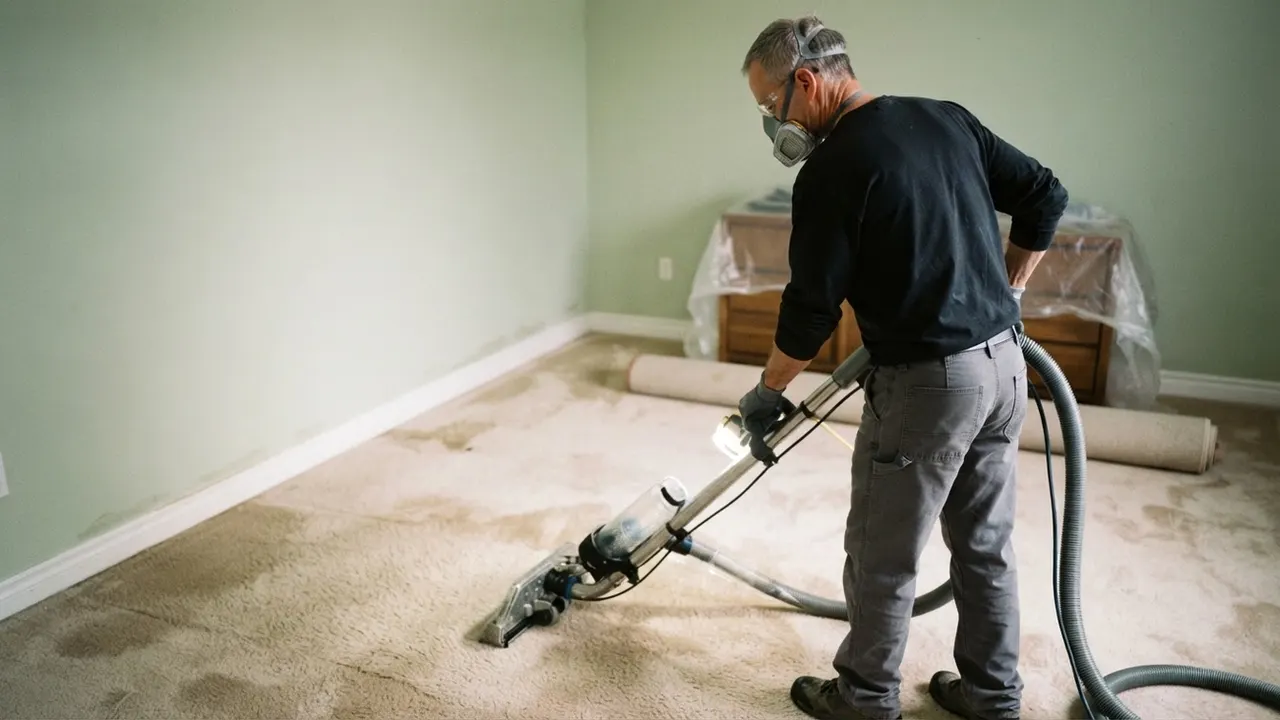
We extract water from the carpet, assess the pad and subfloor, and measure moisture below the visible surface. We determine whether the carpet assembly can be dried effectively or whether the padding needs removal. The surrounding room is then managed with air movement and dehumidification. Surface drying can hide moisture below the carpet, allowing odor and floor damage to continue while the room appears ready for use.
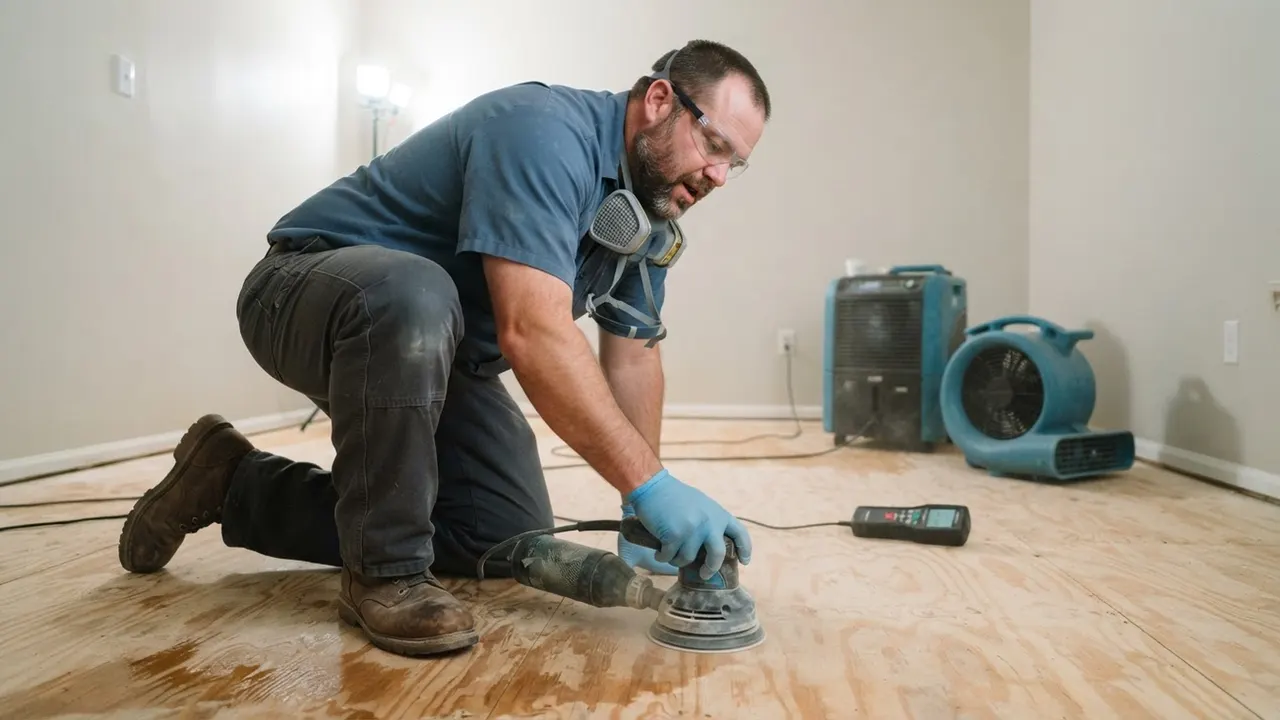
A moisture meter helps us compare affected drywall, plywood, and baseboards with unaffected material nearby. That comparison identifies areas that need attention even when the surface feels dry. We record the readings and recheck them during the job, so you can follow the change instead of relying on appearance alone.
A dehumidifier pulls water vapor from the air while air movers help moisture leave wet surfaces. A hygrometer tracks the room conditions as equipment runs. This coordinated setup supports home structural drying Mesquite customers need after a plumbing leak, without treating every room or material as if it were equally wet.
Early extraction and targeted drying give hardwood flooring, tile and grout, and sound drywall a better chance of recovery. We assess the material and water exposure before choosing the method. Where removal is necessary, we identify the affected area and explain why drying alone will not resolve the damage.
We keep a record of moisture checks, equipment placement, and changes in room conditions. If your insurer needs job details, organized documentation makes the drying work easier to understand. At each check, we explain what has improved and what still needs drying before equipment is removed.
Clear records you can keep and share.
Affected materials and checked locations.
Recorded changes during drying checks.
Results and identified repair needs.
A wall or floor can feel dry while its inner materials still hold water. We check below the visible surface and use repeat readings to decide what needs more drying.
Touch does not reveal moisture inside a wall cavity or beneath flooring. Material readings provide a more useful basis for the drying plan.
Room humidity describes the air, not every building material. We consider both conditions so equipment placement reflects the actual drying progress.
New finishes should not conceal materials that remain wet. We review readings and identify repair needs before the affected assembly is closed.
Outside these neighborhoods? Call and ask about service in your area. (833) 546-4116
A limited drying setup may vary while multi-room or concealed-water jobs can vary. Typical 2026 pricing depends on affected square footage, water volume, material removal, equipment days, and the number of moisture checks. We inspect the damage and explain the price before work proceeds. Extraction, repairs, and mold treatment can change the total when they are needed.
Many contained drying jobs take 3-5 days; wet cavities, dense materials, or larger losses can take 7 days or longer. We check moisture readings during the job and adjust equipment instead of promising a fixed finish date. The water source, room conditions, and material thickness all matter. We explain the readings at each check and remove equipment when the affected materials meet the drying goal.
Dehumidification removes water vapor from indoor air so wet building materials can release moisture into a controlled environment. We pair a dehumidifier with air movers, then track humidity and material readings as the room dries. The process follows extraction; it does not replace it. If drywall or insulation is saturated, we assess whether it can be dried in place or needs removal and replacement.
Yes, call (833) 546-4116 to request emergency structural drying in Mesquite and describe the leak, affected rooms, and any standing water. We prioritize stopping active water spread, extracting accessible water, and assessing materials for drying. Same day structural drying Mesquite NV depends on the situation and service availability, so call promptly rather than waiting for a stain or odor to worsen.
Wet walls, floors, or hidden cavities need measured attention before repairs cover them. Call (833) 546-4116 and tell us what happened, where water traveled, and whether the leak is active. Our team will help you take the next step and arrange an assessment.
Call (833) 546-4116 to explain what happened and where water is collecting. We take calls for water damage requests and connect you with an independent company that can discuss service details directly. If the leak is active, shut off the source when safe and tell us whether the water reached electrical equipment, flooring, or more than one room.