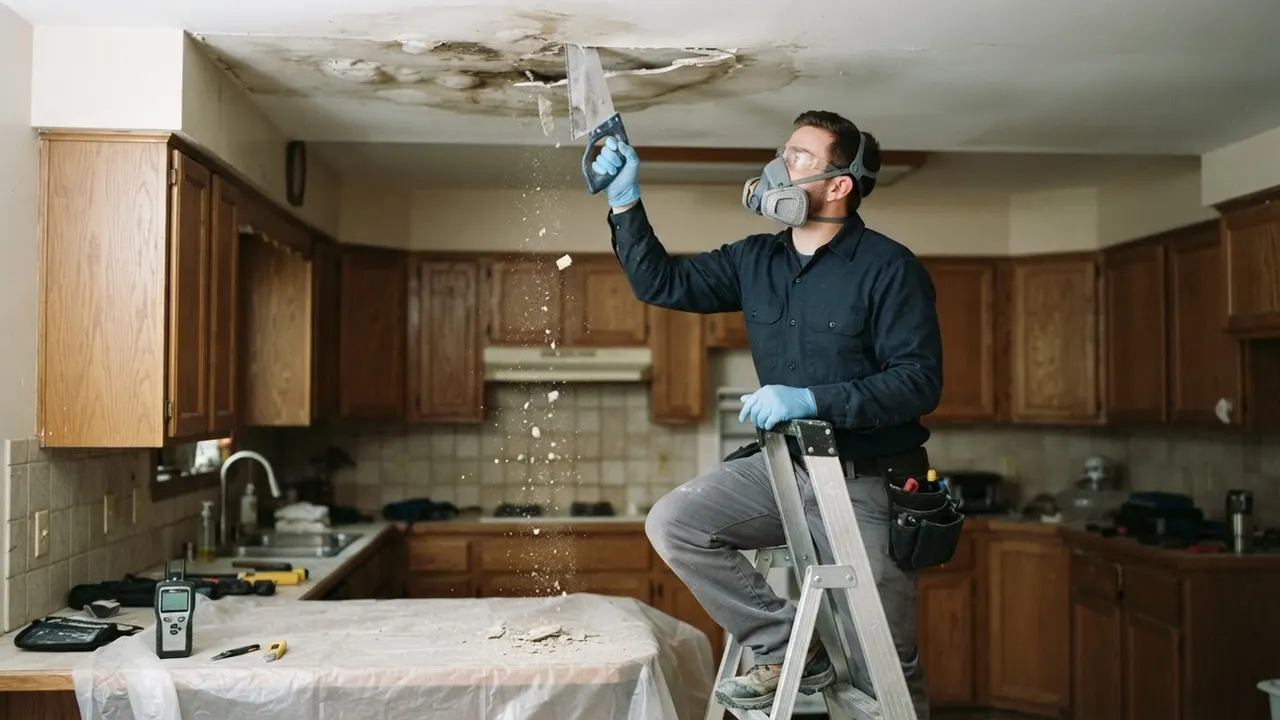
Inspection Findings
Affected areas and likely odor sources identified.
Our odor removal and deodorization Mesquite NV service helps homeowners, tenants, and property managers deal with persistent smoke, sewage, pet, and water-related odors. We inspect the source before choosing a treatment, because masking a smell leaves the cause behind. Our deodorization services Mesquite customers request can include moisture checks, targeted cleaning, material removal, and controlled air treatment. Call (833) 546-4116 when an odor returns after cleaning or follows a leak.
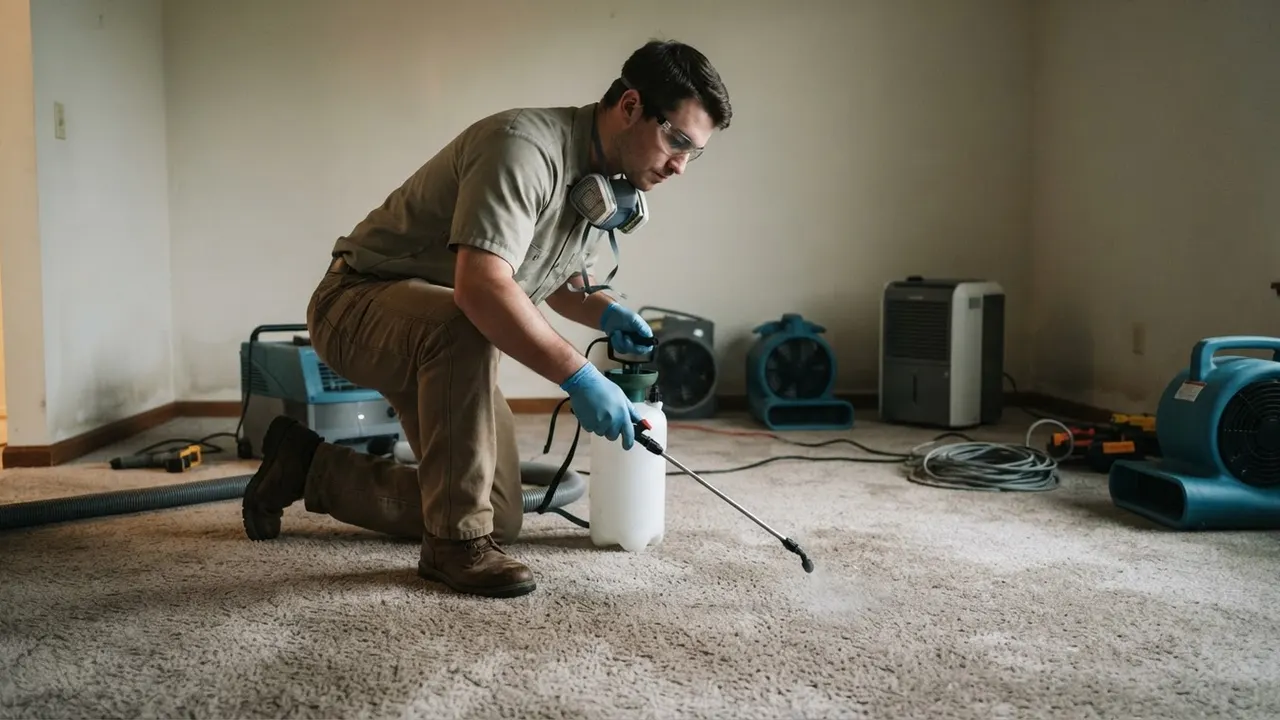
Odor removal includes inspection, source tracing, protection of nearby contents, and treatment matched to the odor and material. When water damage is involved, we also check moisture and coordinate extraction or drying before final deodorization. The exact work depends on what the inspection finds: some surfaces clean well, while saturated padding or contaminated porous material may need removal. We explain the recommended steps and price before work begins.
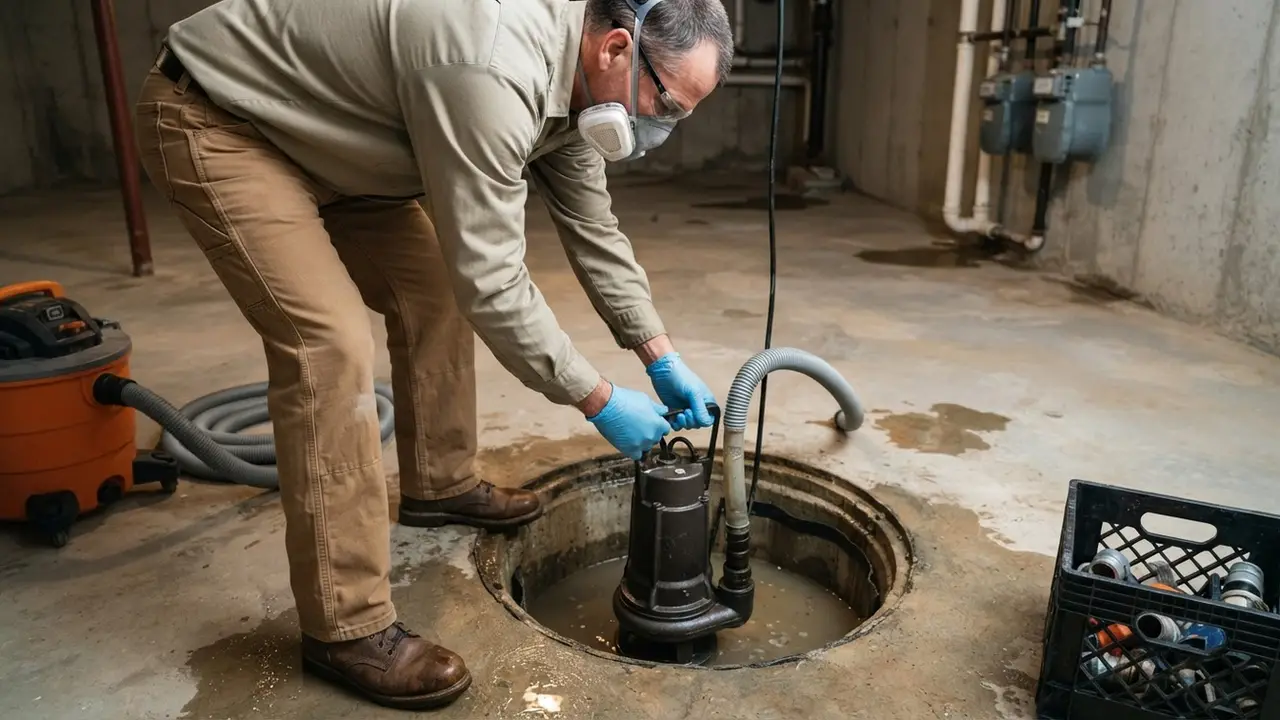
We help homeowners and tenants track odors to leaks, smoke residue, or damp materials. You get a treatment plan matched to the room, contents, and source.
We work with owners and property managers to isolate affected areas and plan cleaning around access needs. Our crew documents the treatment steps and checks the space afterward.
odor removal and deodorization Mesquite NV is a property-restoration service that identifies and treats odor sources in building materials, contents, and indoor air after contamination or water damage. We check the affected area, trace moisture with a moisture meter, and decide whether cleaning, drying, removal, or deodorizing is appropriate. A musty odor in carpet padding, for example, calls for a different response than smoke residue on drywall. We explain what we find, protect unaffected areas, and treat the cause rather than covering it with fragrance.
Mesquite homes can develop stubborn odors after a burst pipe, appliance leak, roof leak, sewage backup, or storm flooding. Dry desert air does not make wet materials safe to leave untreated; water trapped behind baseboards or under flooring can remain after the surface feels dry. If you are searching for odor removal after water damage Mesquite NV, we first look for damp materials and hidden moisture, then plan a treatment suited to the source. We serve properties throughout Clark County.
Lasting odor control starts by finding and treating the material holding the smell.
Odor removal in Mesquite follows a defined sequence: locate the source, protect the space, treat affected materials, and verify the result. The work may take a few hours for a localized issue or several days when drying or removal is required. We keep you informed at each stage and explain what the readings and inspection show.
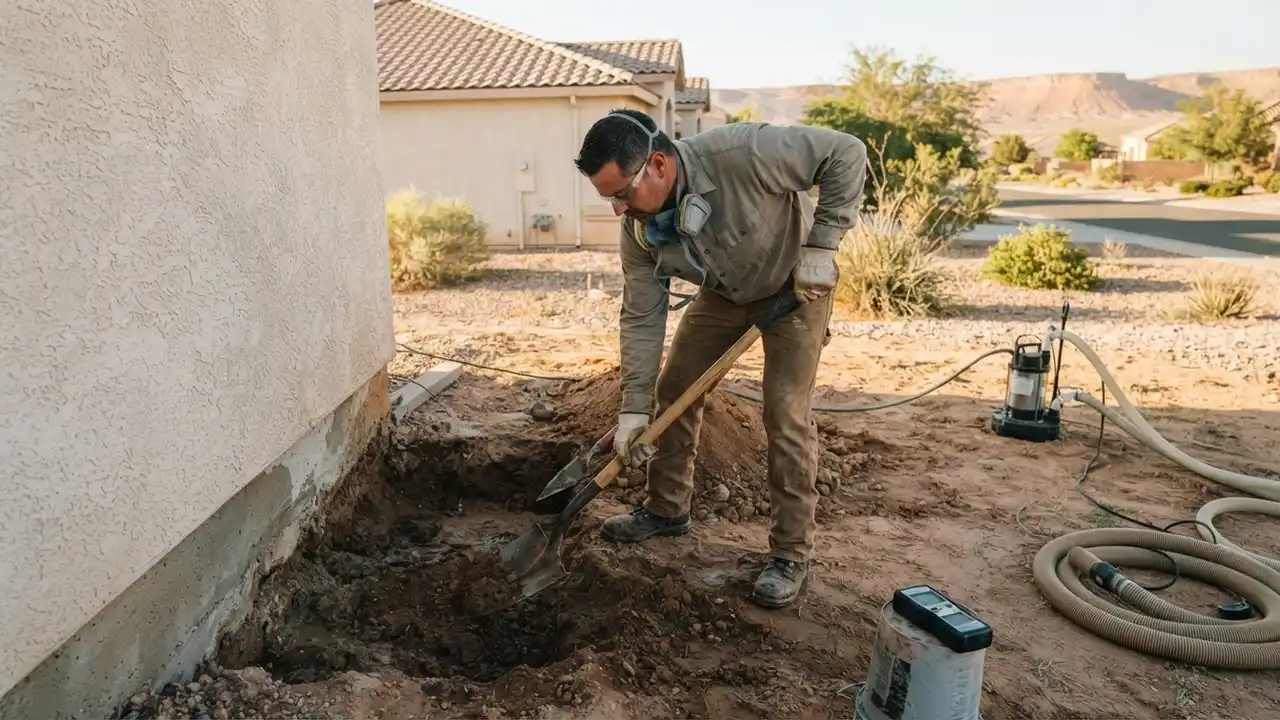
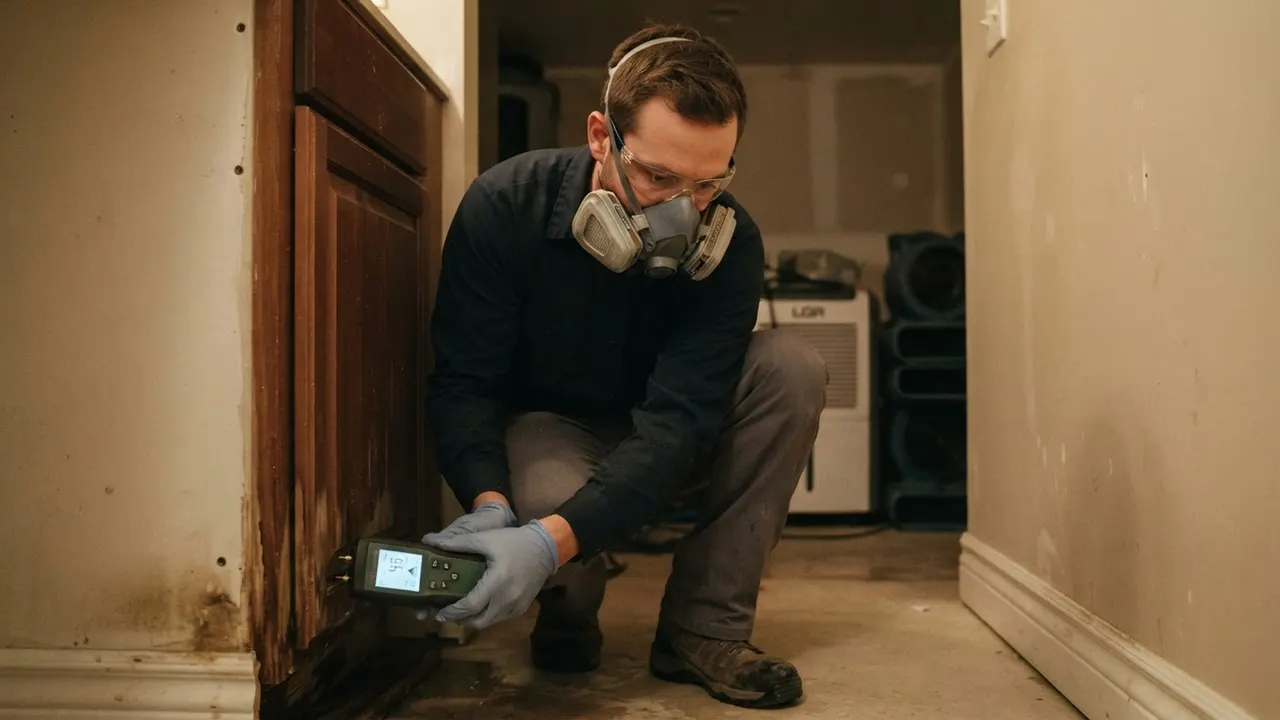
We ask when the odor began, what changed, and whether a leak or cleanup occurred. Then we inspect rooms, contents, drains, and likely moisture pathways. A moisture meter and infrared thermometer help identify suspect areas without opening every wall. This first visit often takes 30 to 90 minutes for a single-room concern, depending on access and the number of affected materials.
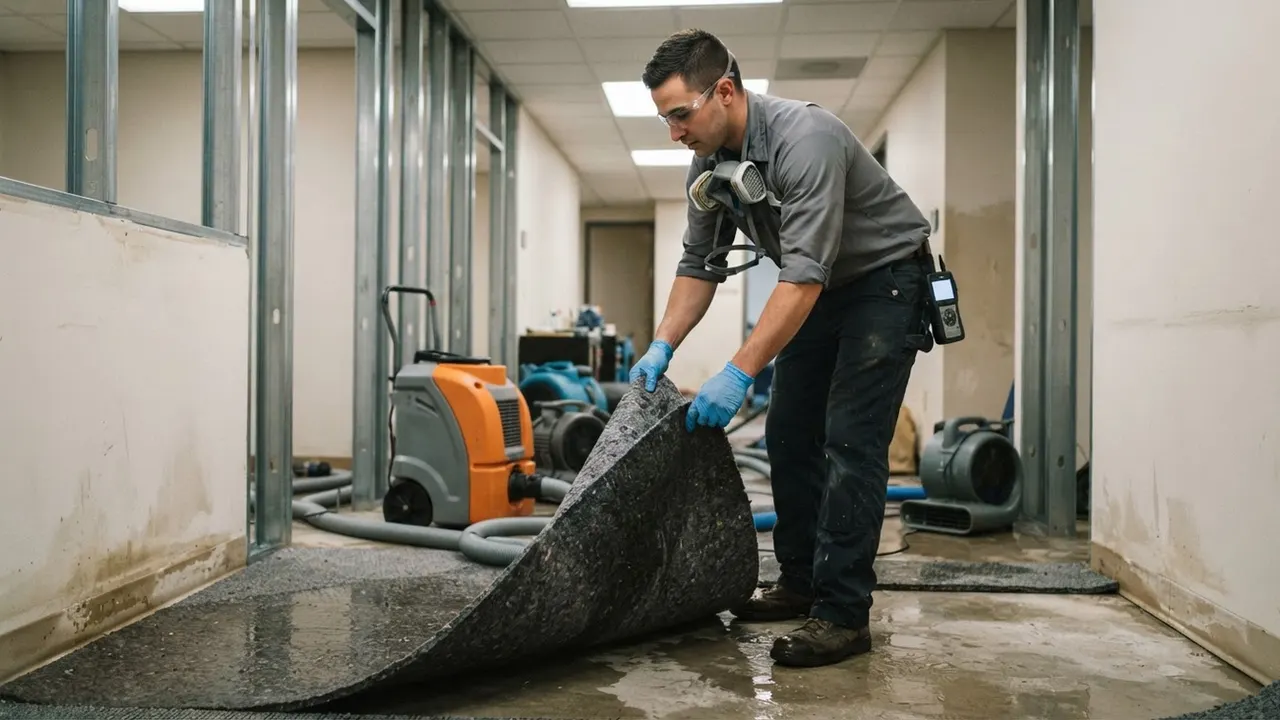
Before cleaning, we protect nearby belongings, define the affected area, and arrange ventilation or containment appropriate to the source. We discuss any access needs, pets, and room use with you. For airborne residue, a HEPA air scrubber may run during work; for an ozone generator, we clear people, pets, and plants from the treatment area and follow controlled-use procedures.
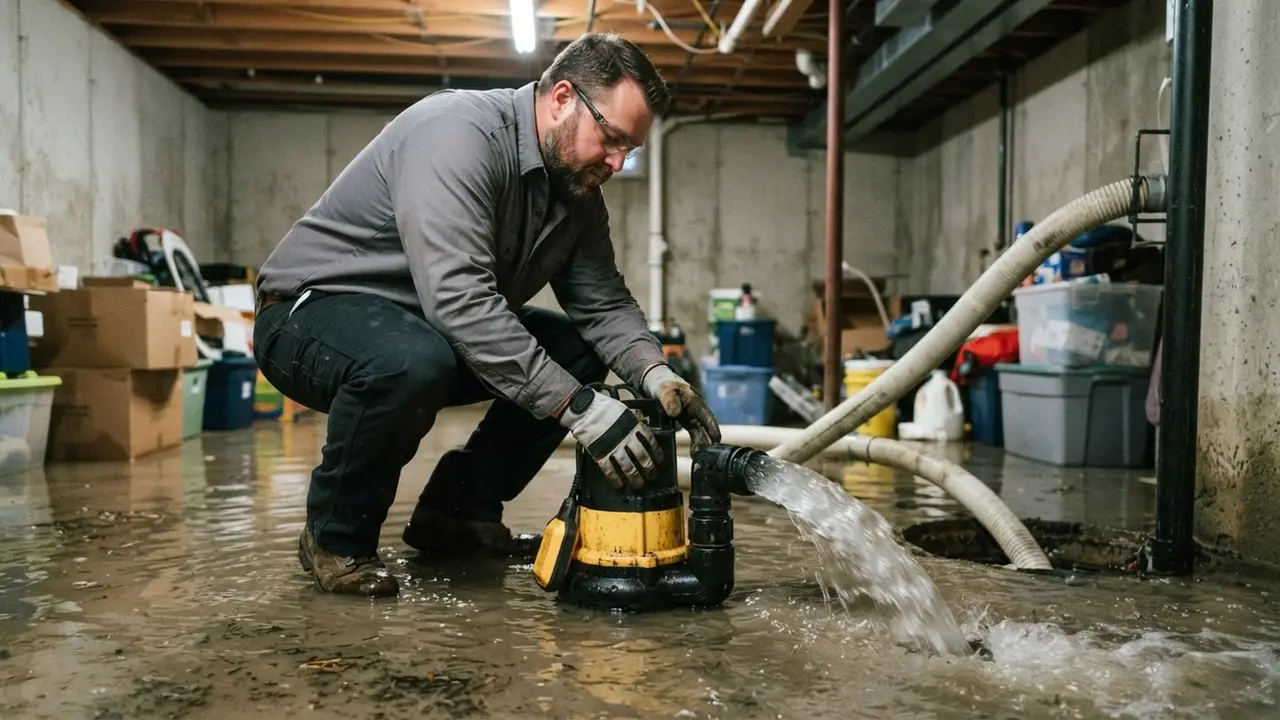
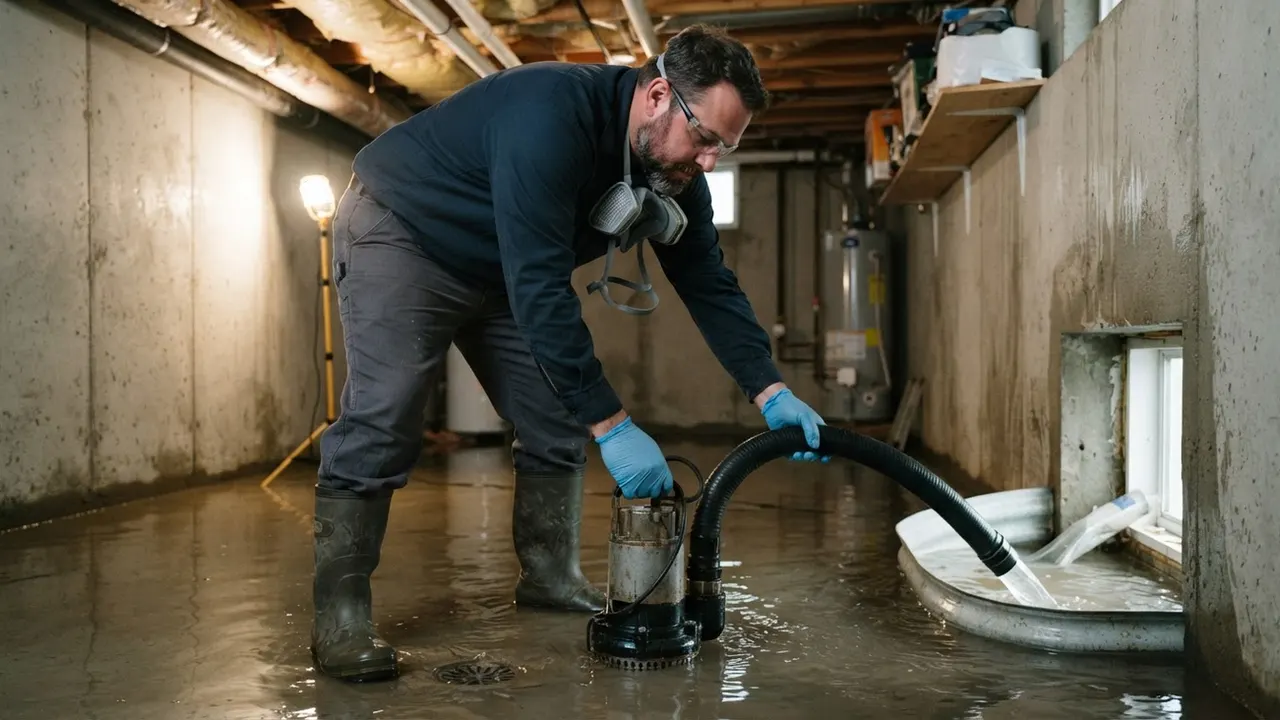
Our technicians clean contaminated surfaces, extract standing water, or remove materials that cannot be restored. Wet carpet padding and saturated insulation are common odor reservoirs; cleaning the carpet alone will not solve either one. If a leak remains active, we coordinate the needed repair or water-removal work before deodorizing, so the source does not continue feeding the smell.
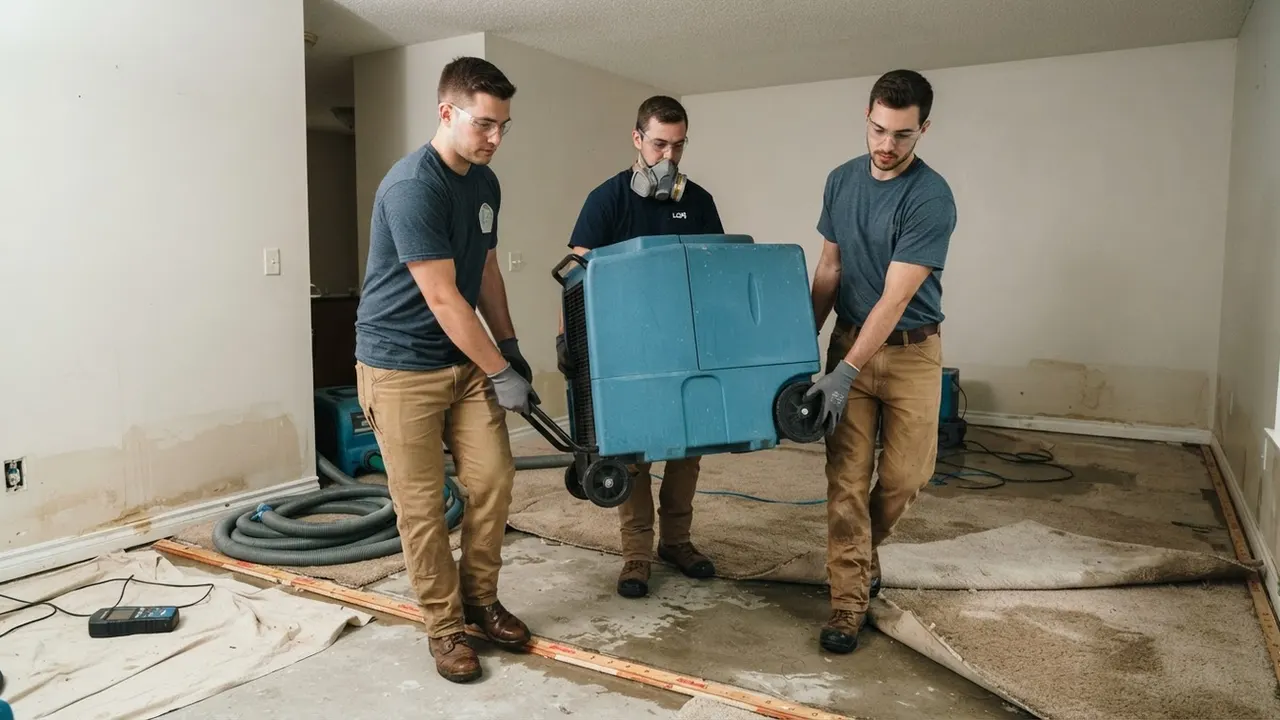
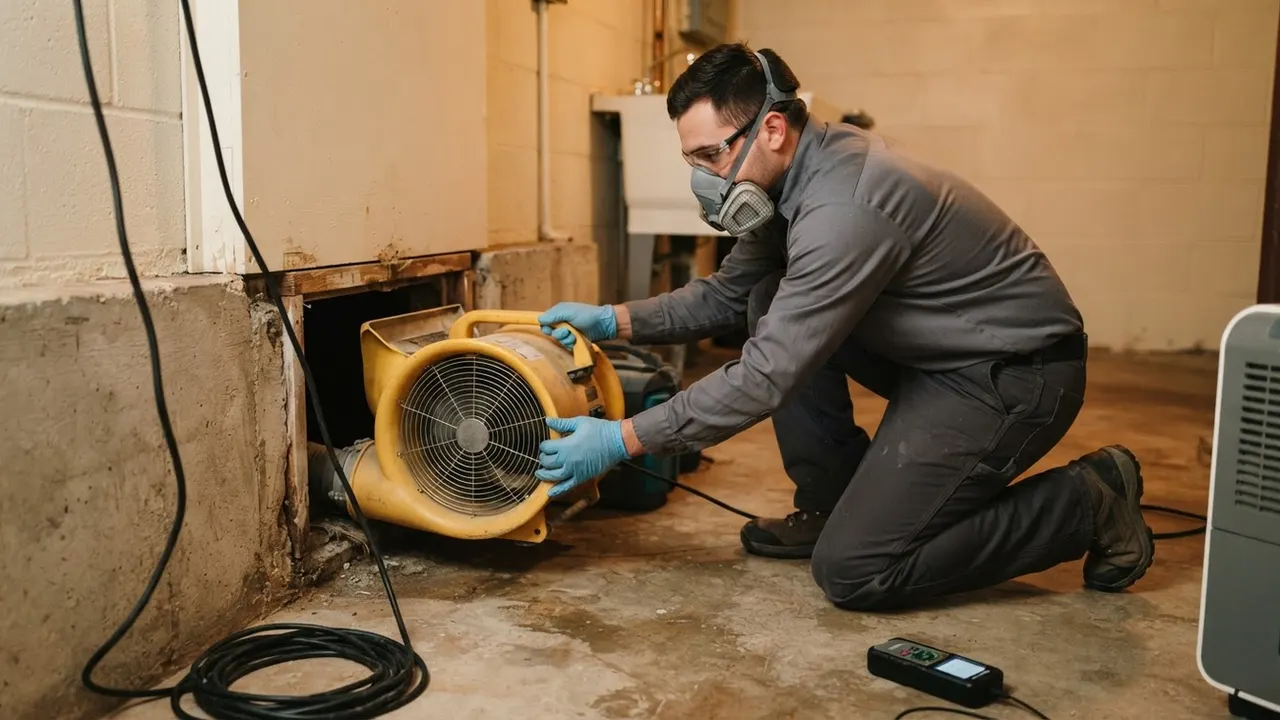
We select a treatment based on the odor and material, then dry the area when moisture is involved. An air mover and dehumidifier support controlled drying; a hygrometer helps track room conditions. Depending on the affected area, active work may run from two hours to several days, with equipment checks and adjustments during the drying period.
We revisit the treated area, inspect for remaining residue or dampness, and ask you to assess the odor under normal room conditions. If a smell persists, we trace it again rather than simply adding fragrance. You receive care instructions for ventilation and cleaning, plus a record of the affected areas and the work completed.
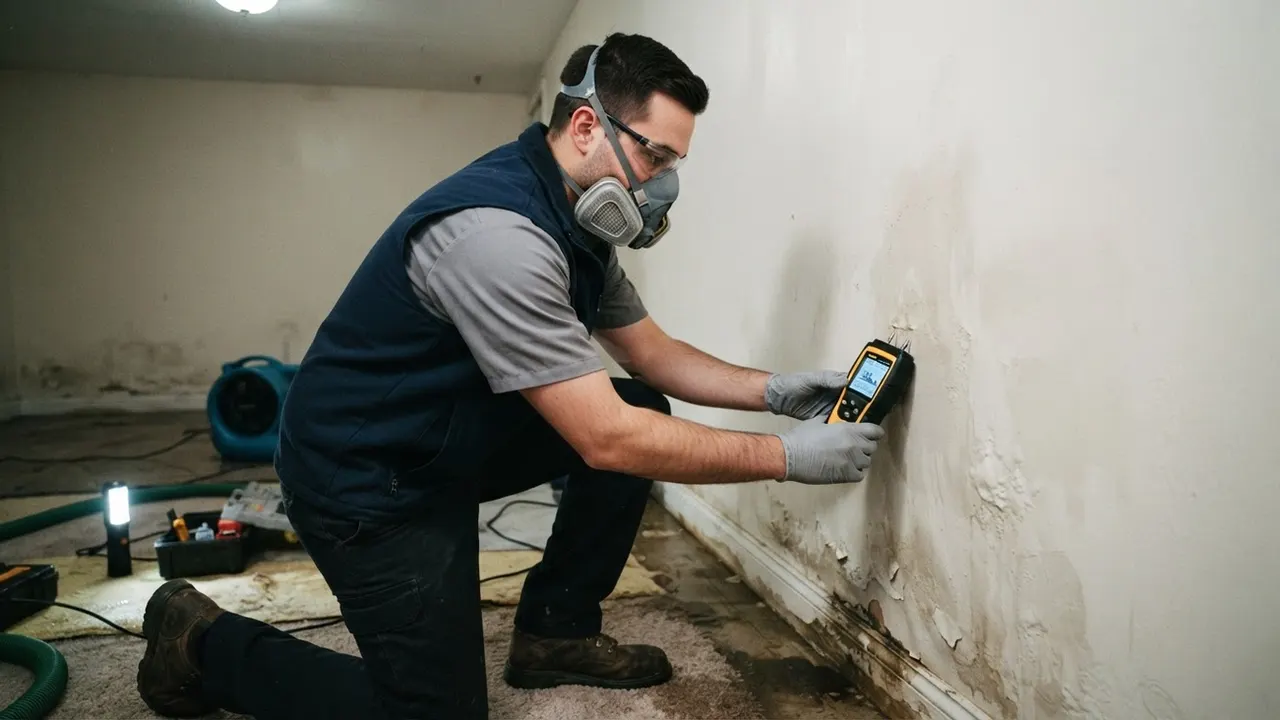
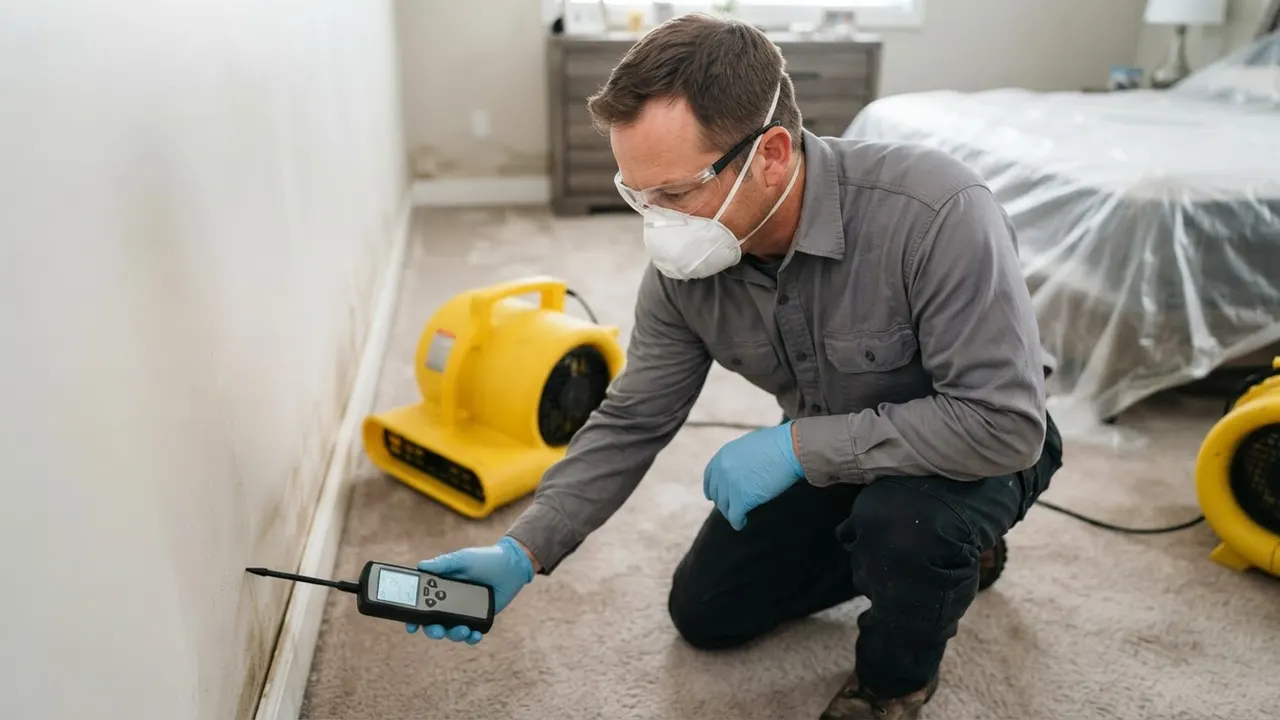
We compare readings in affected and unaffected materials to locate retained moisture and track drying before deodorizing a water-damaged area.
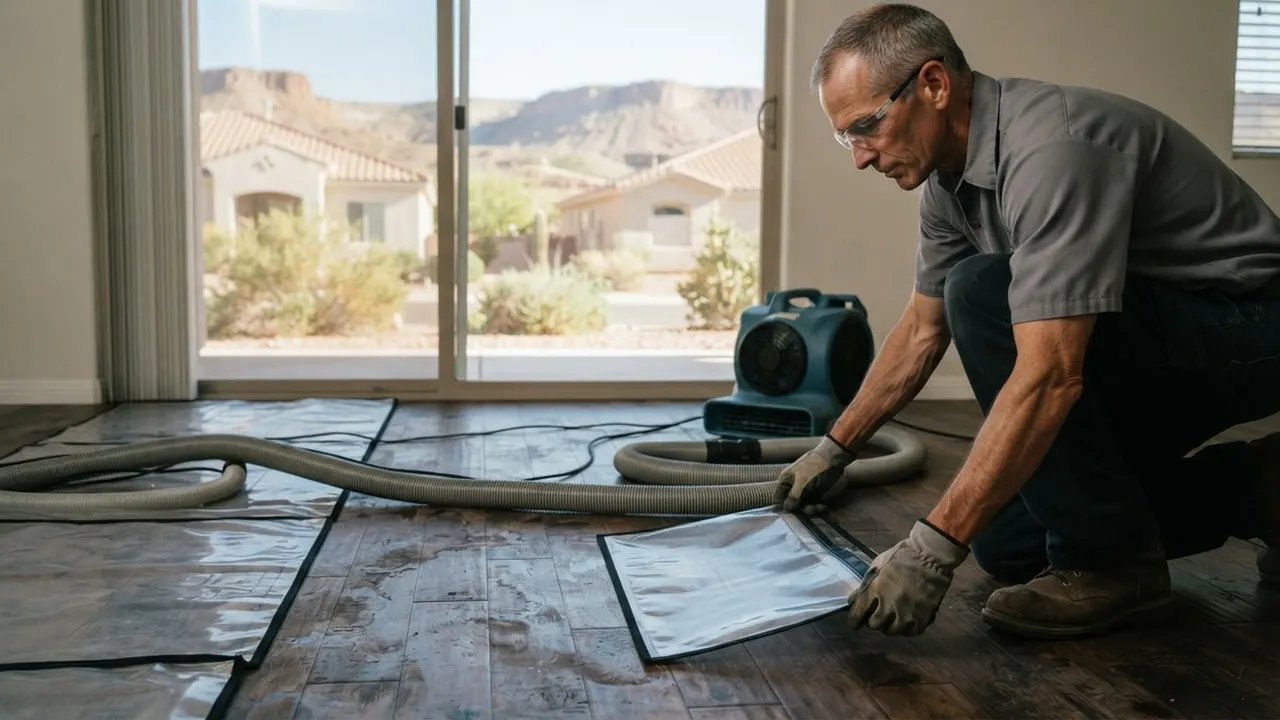
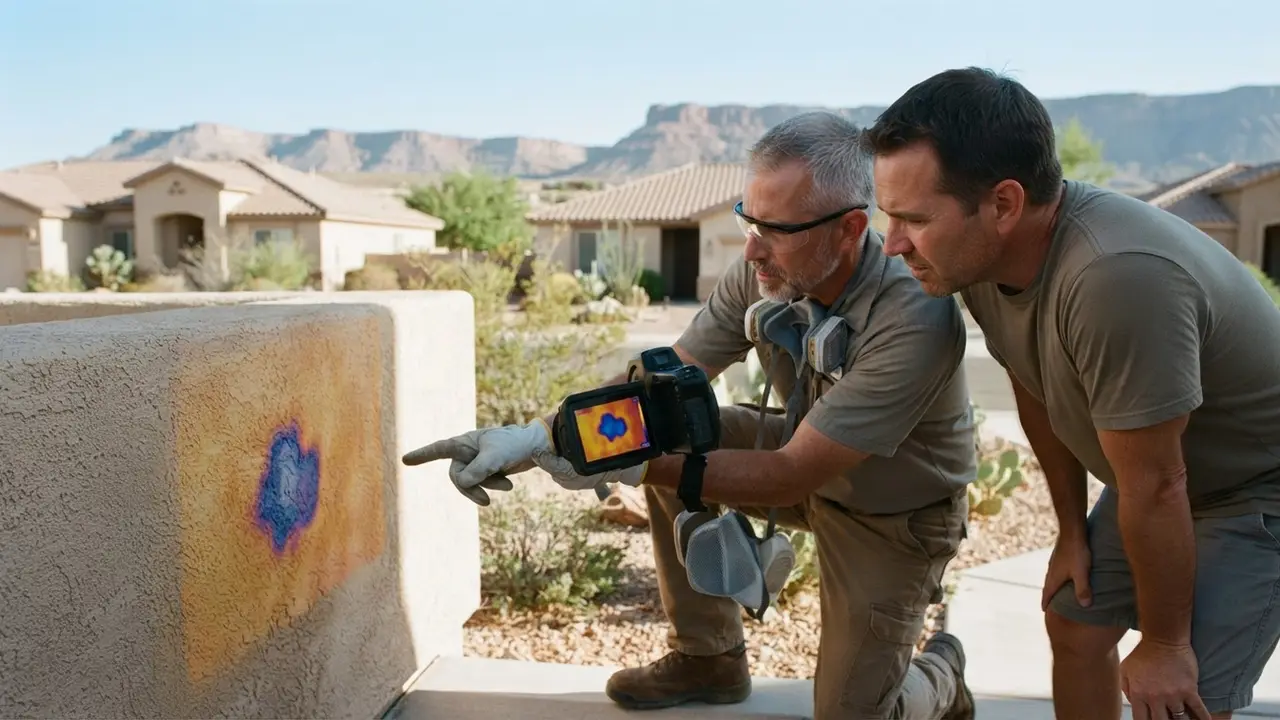
We use thermal patterns to help locate temperature differences that may point to hidden water paths; readings are confirmed with direct inspection.
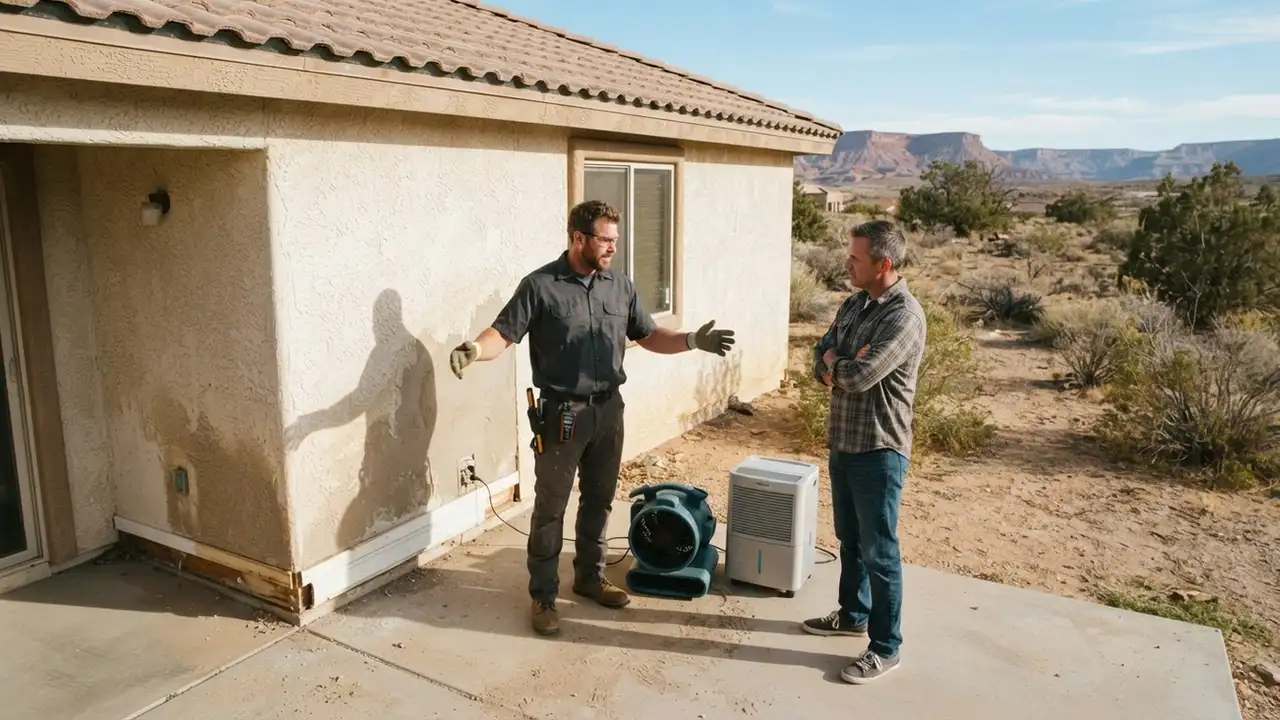
The unit filters airborne particles during appropriate cleaning work and helps manage dust within a controlled work area.
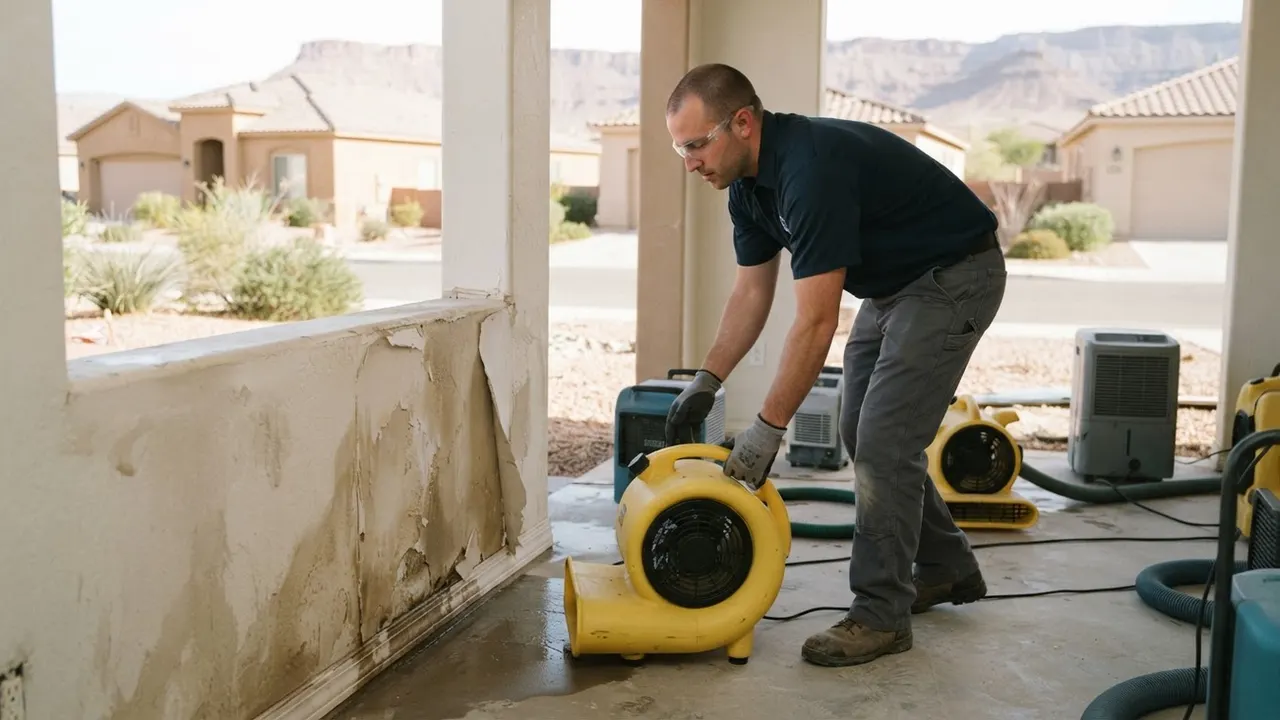
A dehumidifier pulls moisture from the room air during structural drying, helping wet materials release moisture at a controlled pace.
When appropriate, an ozone generator is used only in an unoccupied, controlled area with people, pets, and plants removed.
We connect the odor to likely sources by reviewing the event history, inspecting affected materials, and checking moisture conditions. The findings determine whether the job needs cleaning, extraction, drying, removal, or air treatment. This prevents a surface deodorizer from being mistaken for a complete restoration.
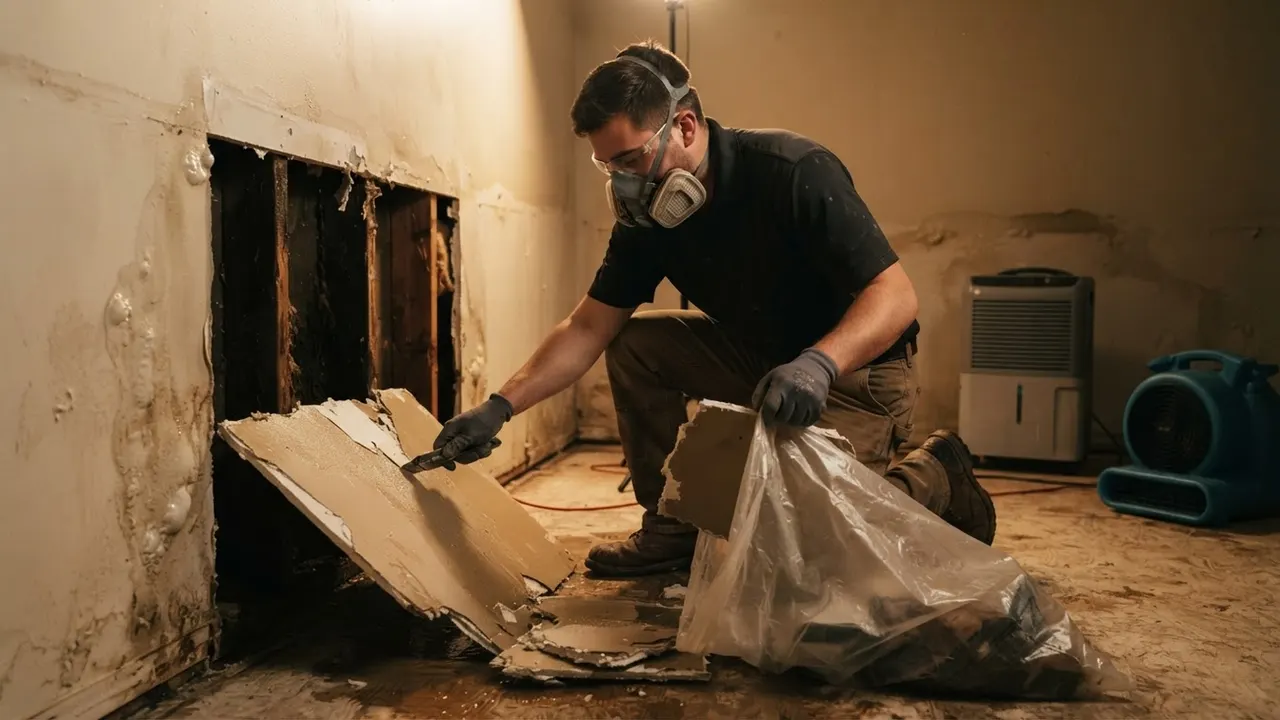
We clean restorable materials and remove porous items that are contaminated or cannot be dried effectively. The decision considers the material, exposure, and odor source. For example, wet carpet padding may need removal even when the carpet surface can be cleaned and retained.
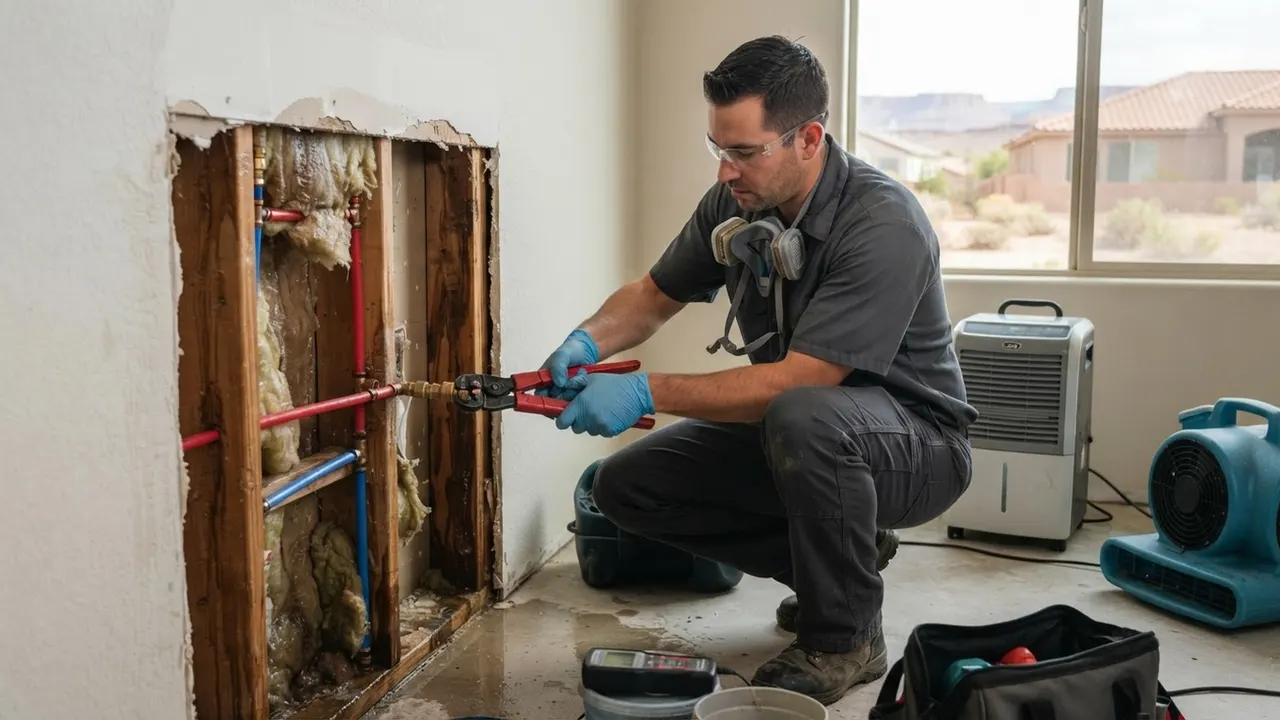
For moisture-related odors, we dry the affected assembly and monitor room conditions before final treatment. Air movers and a dehumidifier are positioned to support airflow without spreading contamination. Any air treatment follows preparation and access controls suited to the product and space.
We check the wall, baseboard, and floor edge for retained moisture, then remove or dry affected materials. If insulation or drywall is saturated, we address it before deodorizing. An air mover and dehumidifier can support controlled drying while we monitor conditions and protect the rest of the room. You get a dry, inspected wall assembly and an odor treatment based on the source, not a fragrance that fades after a day.
We map the smoke-affected area, identify residue on cleanable surfaces, and separate contents that need individual treatment. Our team cleans before deodorizing and uses room controls appropriate to the selected method. We explain when the treated rooms can be occupied and what ventilation is needed. The odor is addressed across the affected surfaces and contents, reducing the chance that a clean room still smells because one item was missed.
We define the contaminated work area, remove materials that cannot be restored, and clean remaining surfaces. We inspect adjacent rooms and belongings for spread before applying deodorization. The property manager receives a practical account of what was removed, cleaned, and checked so turnover planning can proceed. The space is treated in a safe sequence, with the contamination source addressed before odor control and room preparation.
We check the roof-leak area, ceiling drywall, and insulation, then coordinate protection and drying. Wet materials are evaluated before repair so odor is not sealed behind replacement drywall. Once moisture is controlled, we clean or remove affected material and deodorize the room. You know whether the odor came from wet building materials and what was done to prevent it from being trapped during repairs.
Mesquite's low outdoor humidity can make a room feel dry while moisture remains under tile, inside a wall, or beneath hardwood flooring. We rely on inspection and readings rather than touch alone. In homes with slab construction, a slab leak may travel beneath flooring before an odor appears at a baseboard; appliance leaks and roof leaks can also affect insulation and drywall. Our professional odor removal Mesquite NV service starts by finding that pathway, then we coordinate source repair, extraction, drying, and treatment in the right order. For odor removal and deodorization Mesquite NV after a storm or plumbing failure, we check whether materials are restorable and protect unaffected rooms during work. We serve neighborhoods including Downtown Mesquite, Pecan Creek, and Ridgeview, as well as nearby Clark County properties. The process accounts for the actual building materials and condition rather than assuming every odor needs the same machine or chemical. You receive a clear explanation of the affected area and the next practical step.
A slow pipe leak had dampened a bedroom wall and carpet edge. The homeowner had dried the visible floor, but a musty odor returned each morning when the room was closed overnight. The baseboard felt slightly cool, and the carpet padding had not been checked. A surface spray reduced the smell for only a few hours.
We found moisture at the wall-floor junction, removed a short section of affected padding, and dried the area over 48 hours with controlled airflow. The room's odor was no longer noticeable during the final check, and the homeowner received instructions to watch the repaired pipe area for new moisture.
Keep the repaired wall edge clear for airflow during the first few days. Check the baseboard after the next plumbing use and report any new discoloration, dampness, or returning odor.
After a cooking flare-up, smoke odor lingered on the living-room wall and curtains even after the windows had been open. The visible soot was limited, but the smell grew stronger when the room warmed in the afternoon. The homeowner wanted the room usable without adding a heavy fragrance.
We cleaned the affected hard surfaces, separated the curtains for suitable cleaning, and treated the room under controlled conditions. The work took about four hours, including setup and the final check. The sharp smoke odor was substantially reduced, and the homeowner could use the room after following the re-entry instructions.
Wash treated textiles according to their care labels and avoid scented sprays for several days. If a smoke smell returns, note which surface or item holds it so the remaining source can be checked.
A drain backup left a sewage-like odor near a bathroom and hallway. The visible water had been cleaned, but odor remained around the floor transition and a stored bath mat. The property manager needed to know whether a quick air treatment would be enough before preparing the unit for a new tenant.
We identified affected porous items, removed the contaminated mat, cleaned the hard surfaces, and treated the area after the source was controlled. The service took one workday, including inspection and follow-up checks. The odor was absent at the final walkthrough, and the manager had a record of the areas addressed.
Keep the bathroom drain clear and check the floor transition after future backups. Do not return stored textiles to the room until they have been cleaned and fully dried.
Persistent odors often point to a specific condition: wet materials, residue, contaminated contents, or a leak that has not been corrected. We locate that condition and select a treatment that addresses it. If you notice a smell returning after ventilation or cleaning, an inspection can prevent a small affected area from becoming a larger restoration job.
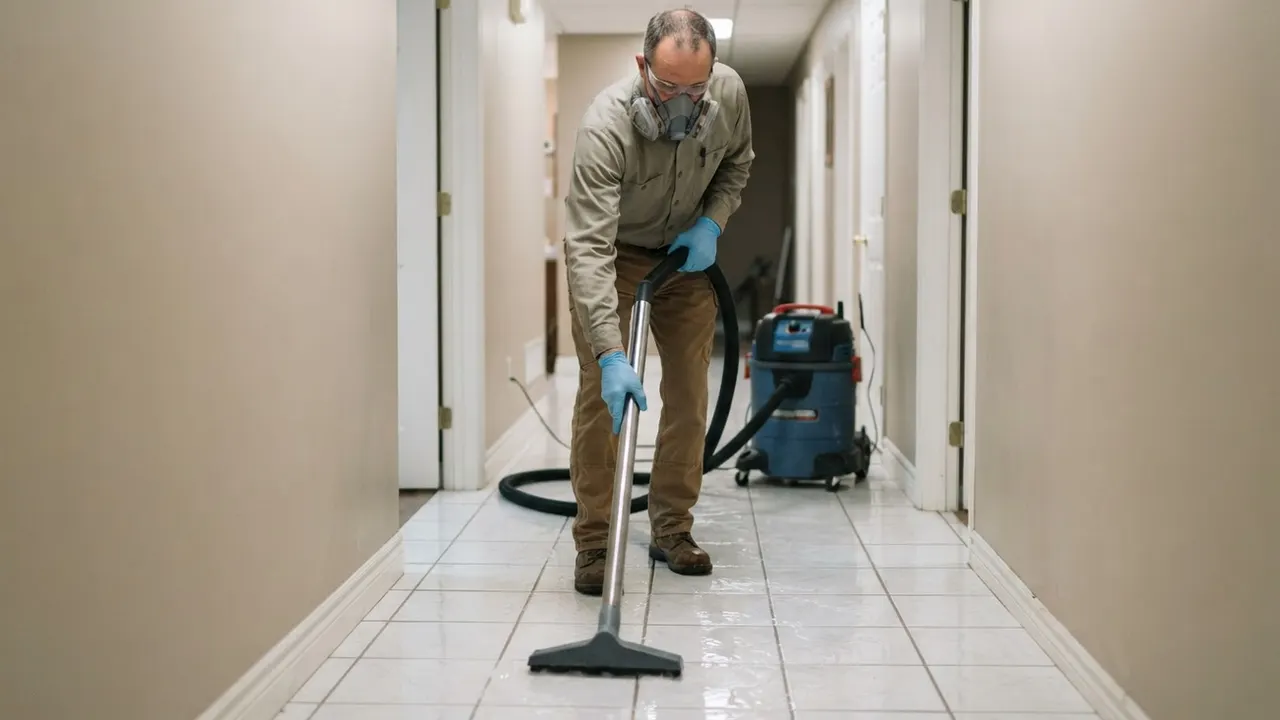
We inspect adjoining surfaces and use moisture readings to find damp areas beyond the visible stain. Our team extracts remaining water where accessible, dries the affected assembly, and determines whether carpet padding or drywall should be removed. Once the source is controlled, we clean and deodorize the materials that can be restored. Moisture can remain beneath carpet, behind baseboards, or inside a wall cavity. Leaving it unchecked can prolong odor and damage materials.
We identify affected surfaces and contents, then clean residue before selecting a deodorizing method. If a material is too contaminated to restore, we explain removal rather than treating over it. We protect adjacent rooms and provide clear instructions for ventilation and re-entry after any controlled air treatment. Residue on porous surfaces can release odor again as indoor conditions change, even after windows have been opened or air freshener used.
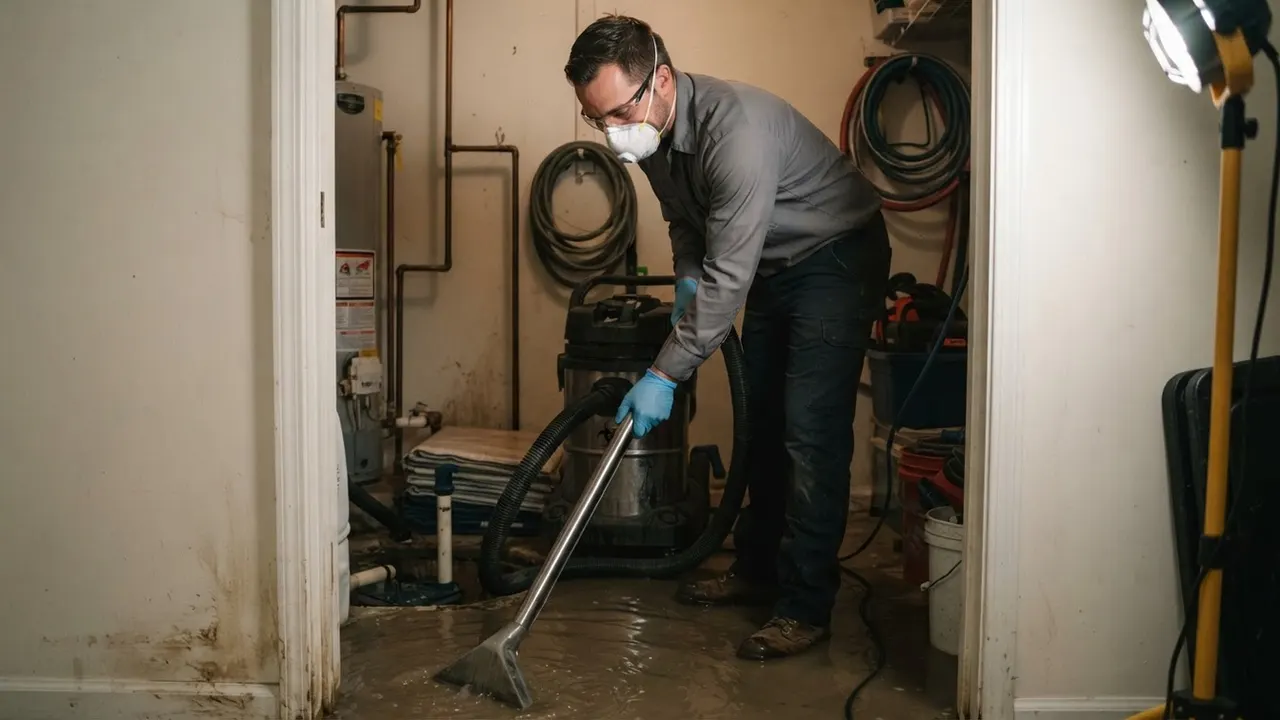
We trace the affected area, remove material that cannot be cleaned effectively, and clean remaining surfaces using a method appropriate to the contamination. After the source and affected materials are addressed, we apply targeted deodorization and inspect the room again. We also check whether nearby contents need separate cleaning. Odor can remain in porous flooring, stored belongings, or contaminated material left behind, creating an unpleasant and unsanitary space.
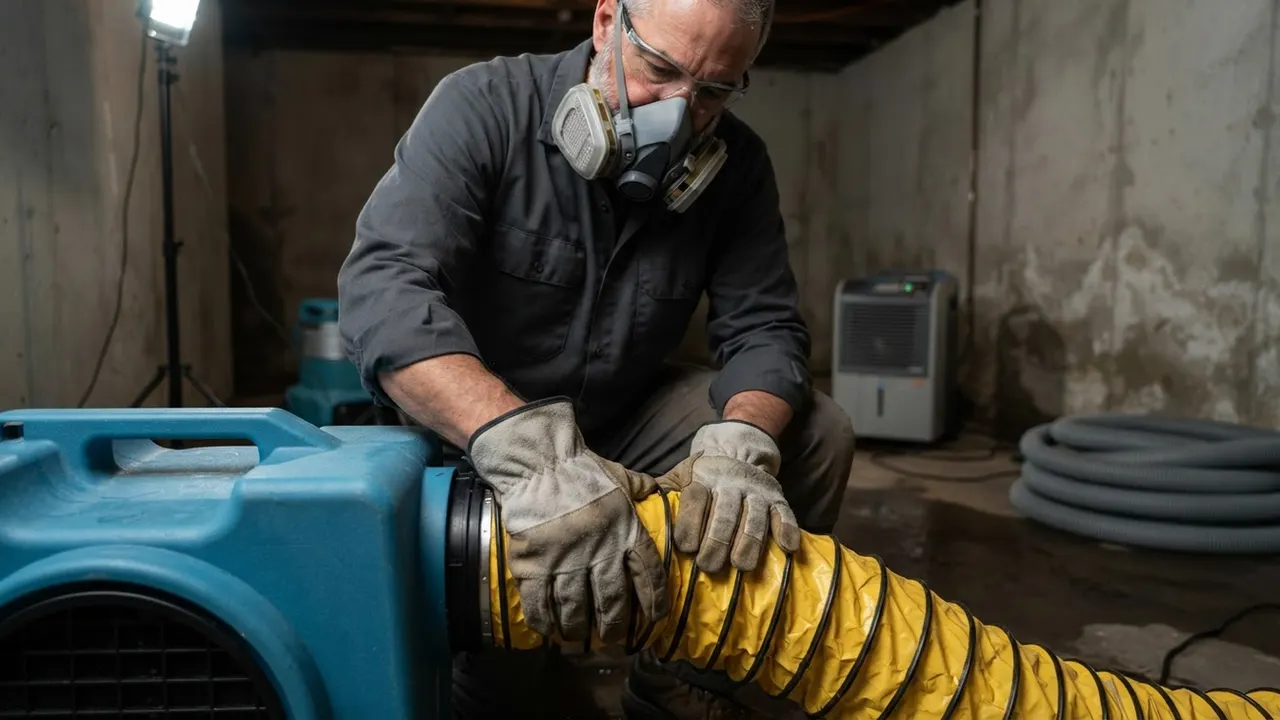
We compare the odor location with moisture readings, plumbing clues, and the history of the room. A boroscope camera can help inspect a concealed cavity where access allows. We explain whether the next step is leak repair, drying, cleaning, or material removal, then coordinate odor treatment after the source is controlled. A hidden appliance leak, slab leak, or drain issue can keep feeding an odor while the visible room appears clean and dry.
We trace odors to wet padding, residue, drains, or concealed building materials before selecting a method. A moisture reading and visual inspection help distinguish a surface smell from a problem inside a wall or beneath flooring. That diagnosis can prevent repeated cleaning that costs time but leaves the odor-producing material untouched.
Our crew isolates the work area and moves or covers nearby contents before treatment. A HEPA air scrubber can capture airborne particles during cleaning, while targeted methods keep unaffected rooms out of the work zone. You receive a practical explanation of when the room can be used again and what ventilation steps to follow.
Smoke odor can cling to porous drywall, carpet, and contents long after the visible soot is gone. Mesquite NV smoke odor removal starts with identifying residue and affected surfaces, then uses appropriate cleaning and odor treatment. We avoid relying on fragrance, which can blend with smoke without removing the contamination.
A lasting result depends on correcting the conditions feeding the smell. We check moisture, look for recurring leaks, and explain whether drying, material removal, or follow-up cleaning is needed. After water damage odor removal Mesquite customers also get clear steps for maintaining airflow and monitoring the repaired area.
Clear records you can keep and share.
Affected areas and likely odor sources identified.
Cleaning, drying, and deodorizing steps documented.
Room-use and ventilation steps explained before completion.
A fragrance can cover an odor briefly without changing the material causing it. We trace the source first, then choose cleaning, drying, removal, or air treatment.
A dry-looking surface does not prove the assembly is dry. We check beneath flooring and near wall edges before applying deodorizer.
Padding, insulation, and some contents absorb water or residue. We assess whether cleaning can restore them or removal is needed.
Some air treatments require an unoccupied room and clear re-entry instructions. We prepare the area and explain access before treatment.
Outside these neighborhoods? Call and ask about service in your area. (833) 546-4116
Most localized jobs vary and take two to four hours; extensive contamination can vary. Typical 2026 pricing in this area depends on the odor source, affected square footage, material porosity, and whether extraction or removal is needed. We inspect first and explain the price before work starts. A small smoke-odor treatment on washable surfaces costs less than treating several rooms with damp drywall and carpet padding.
We locate and dry the wet materials first, then clean or remove odor-holding materials before deodorizing. For odor removal after water damage Mesquite NV, we check carpet padding, baseboards, wall cavities, and flooring with moisture tools. Drying commonly takes 24 to 72 hours, though thicker assemblies can take longer. If the source is a continuing leak, that repair comes before final odor treatment; otherwise the smell can return.
Coverage depends on your policy and the event that caused the odor; there is no single coverage rule for every claim. Sudden water damage may be treated differently from long-term seepage or maintenance issues. We can document affected materials, moisture readings, and completed work for your claim file, but your insurer makes the coverage decision. Call your carrier promptly and keep photos, receipts, and any claim reference number together.
Musty smells most often come from moisture trapped in porous materials, concealed leaks, or microbial growth. A slab leak, roof leak, appliance leak, or damp carpet padding can produce odor even when the room surface looks dry. Mesquite's dry outdoor air does not quickly dry water sealed behind tile or inside a wall. If the smell grows stronger after a room is closed, we inspect for hidden dampness before treating the air.
A smell that returns after cleaning needs a source check, not another layer of fragrance. Our team will talk through the odor, inspect the affected area, and explain the next practical step. Call Mesquite Water Damage Company at (833) 546-4116 to schedule an inspection.
Call (833) 546-4116 to explain what happened and where water is collecting. We take calls for water damage requests and connect you with an independent company that can discuss service details directly. If the leak is active, shut off the source when safe and tell us whether the water reached electrical equipment, flooring, or more than one room.