Emergency Water Damage Repair in Lakewood Heights

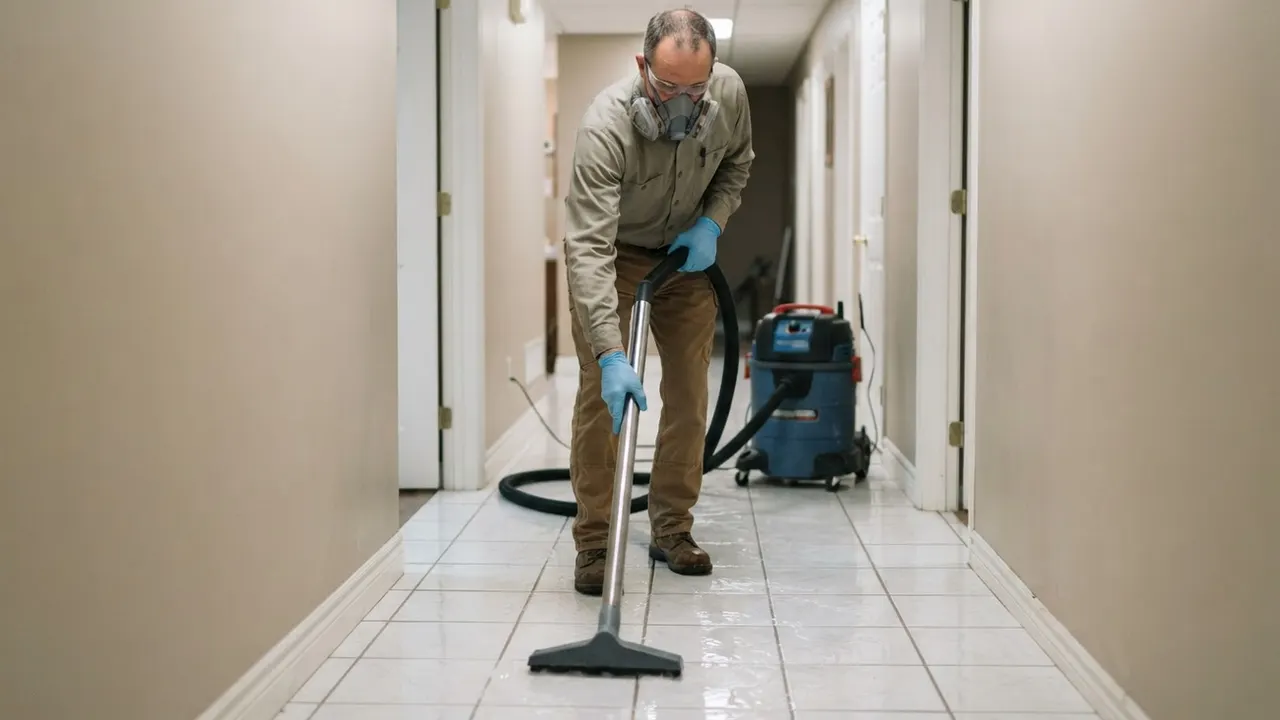
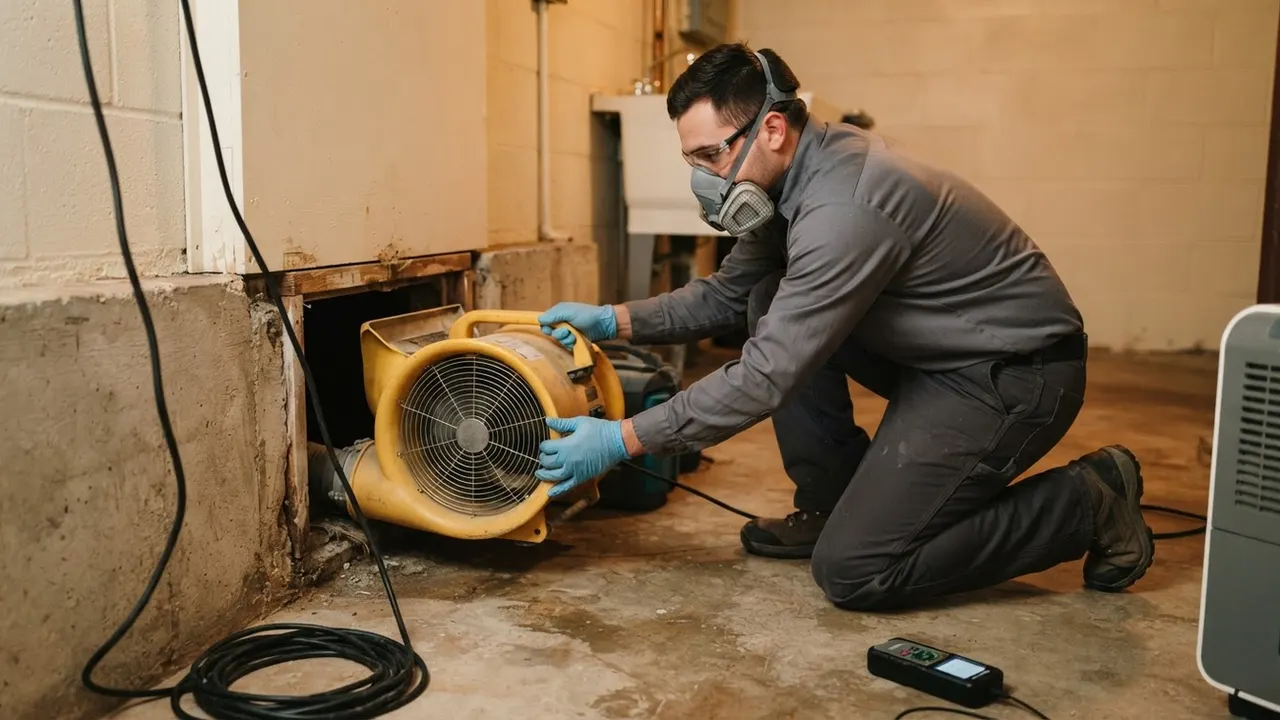
Mesquite Water Damage Company provides emergency water damage repair in Lakewood Heights for burst pipes, appliance leaks, stormwater entry, and other active losses. We serve homes in Lakewood Heights Estates and Lakewood Heights North, including ZIP code 89027. Our crew removes standing water, checks affected building materials, and sets a drying plan based on measured moisture rather than guesswork.

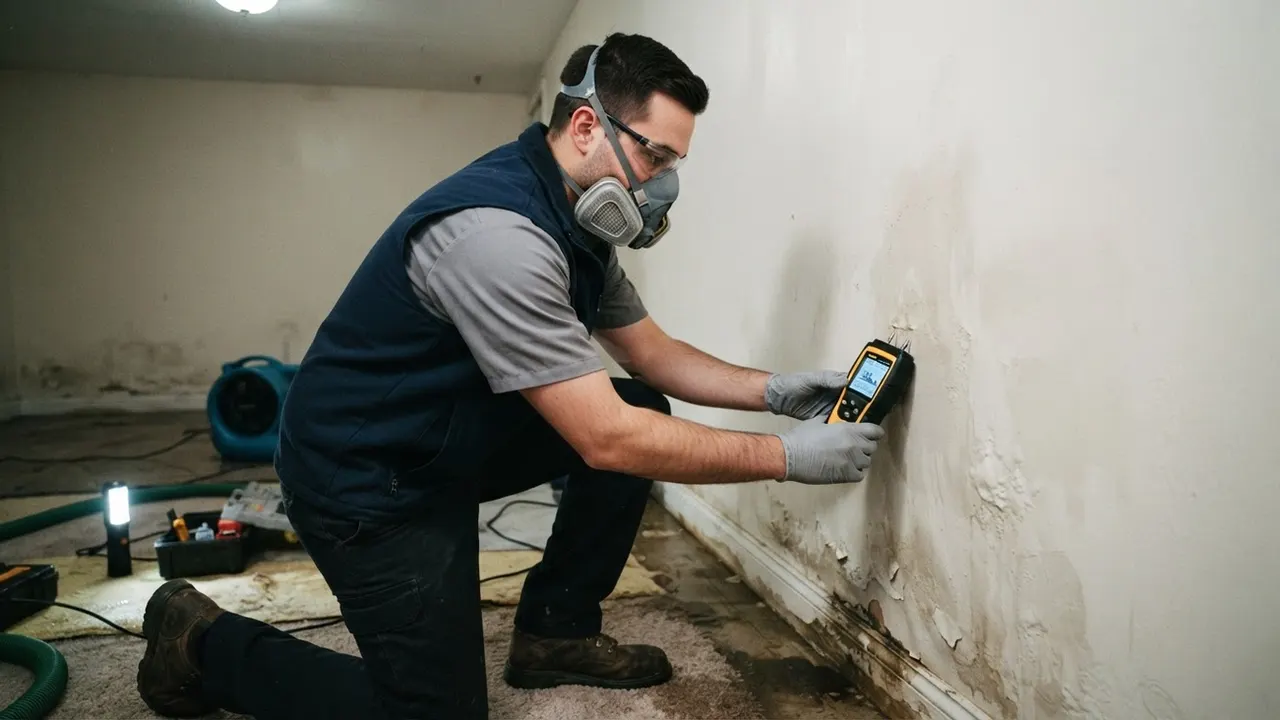
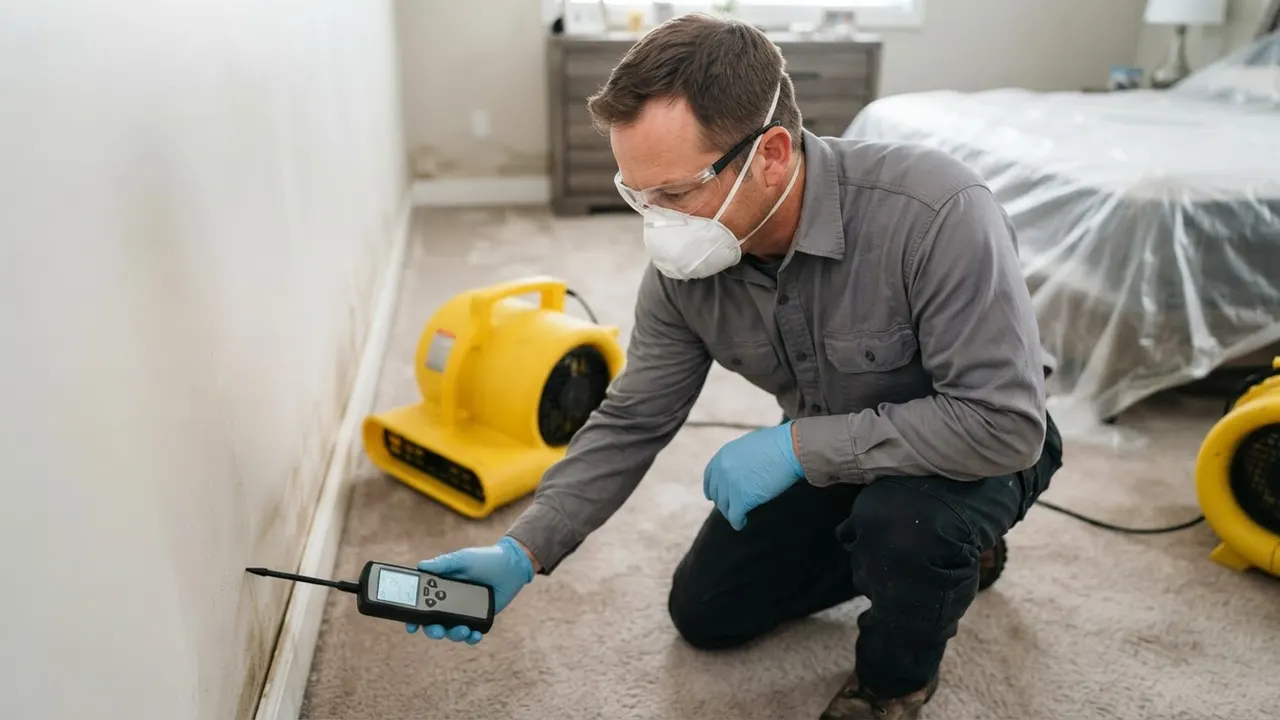
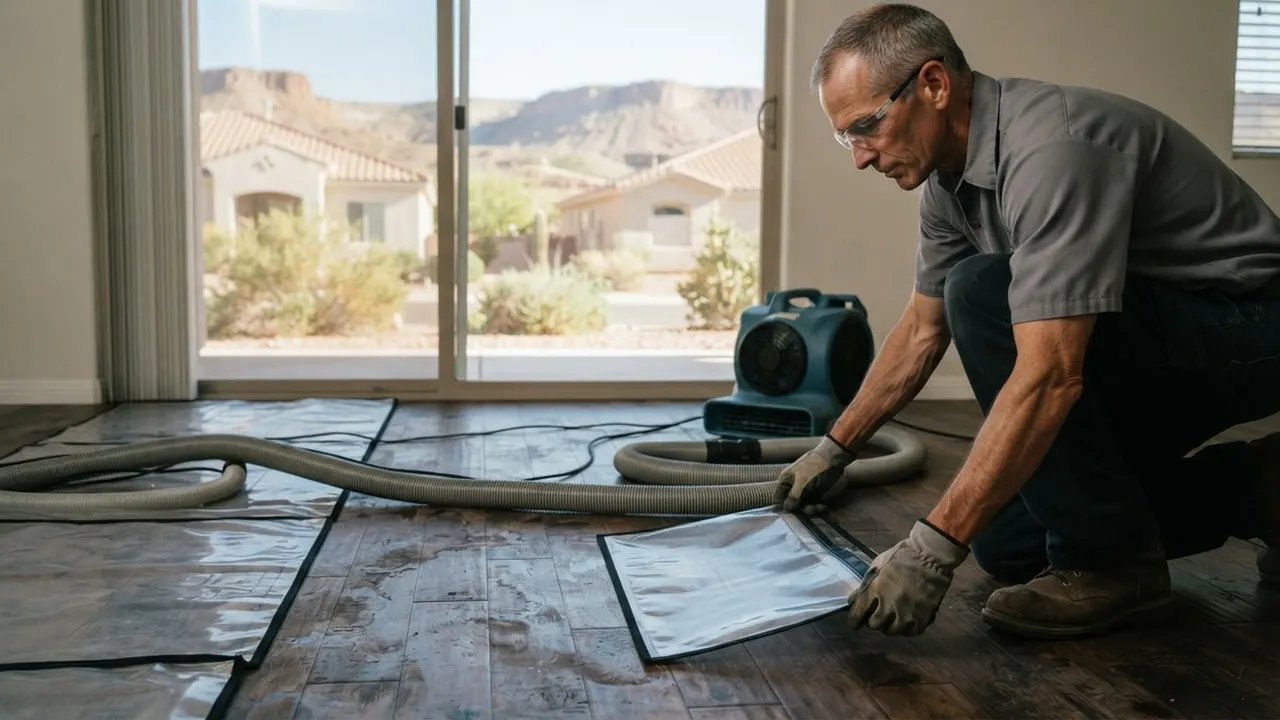
Water Damage Assessment & Inspection in Mesquite: water damage restoration technician kneeling and closely examining water

Serving Lakewood Heights and nearby

  • Readings recordedMoisture checks tracked during drying
  • Contents identifiedPriority belongings noted before moving
  • Water source discussedLeak details guide the first inspection
  • Work areas explainedYou see which rooms need attention

Lakewood Heights Emergency Water Damage Repair

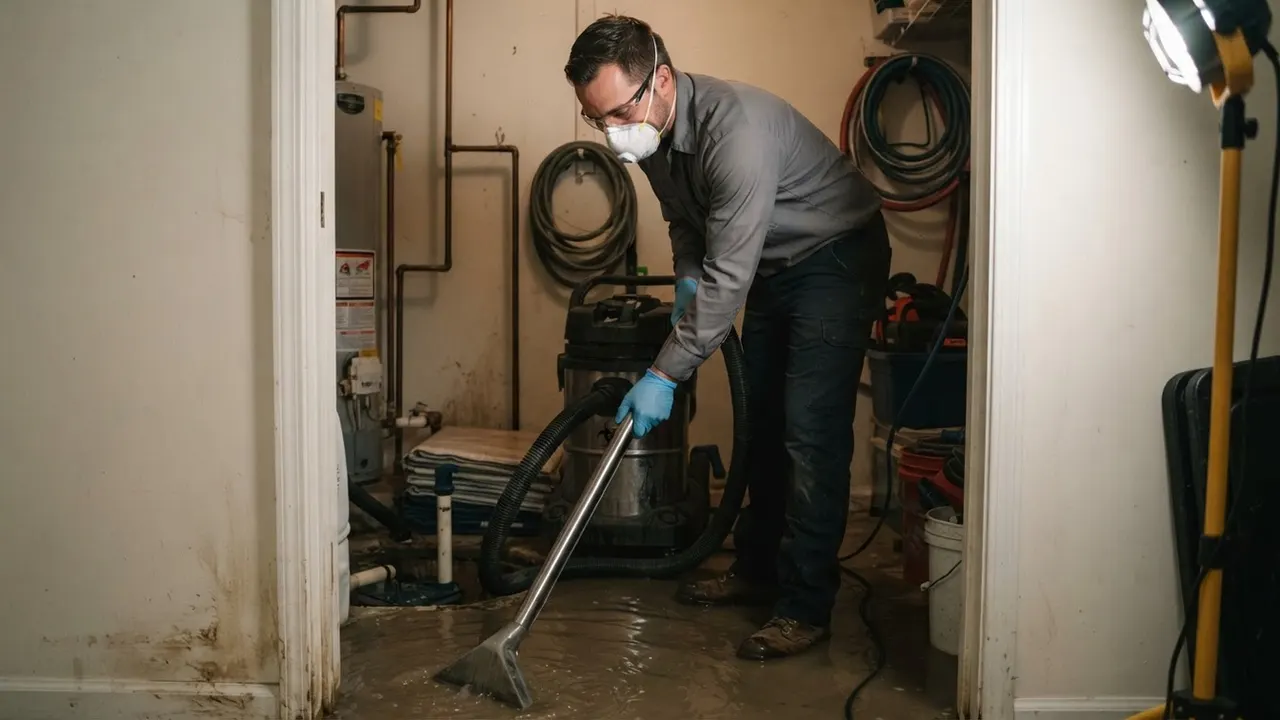
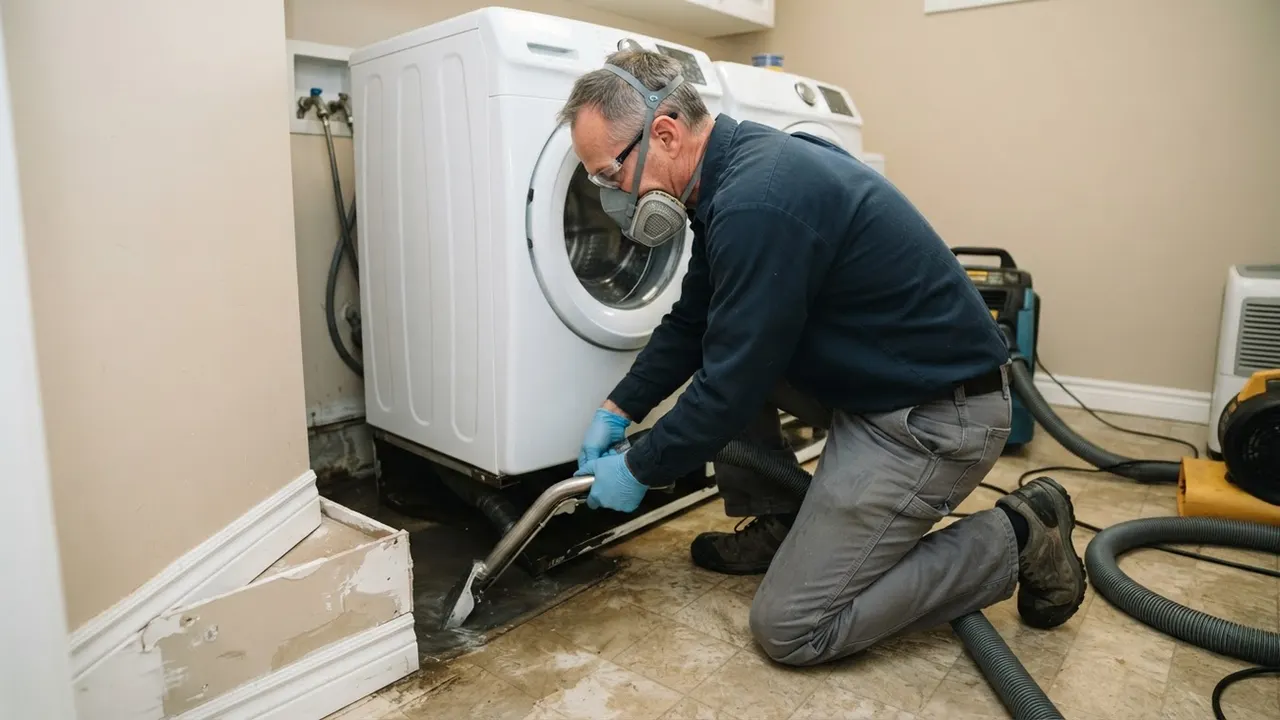
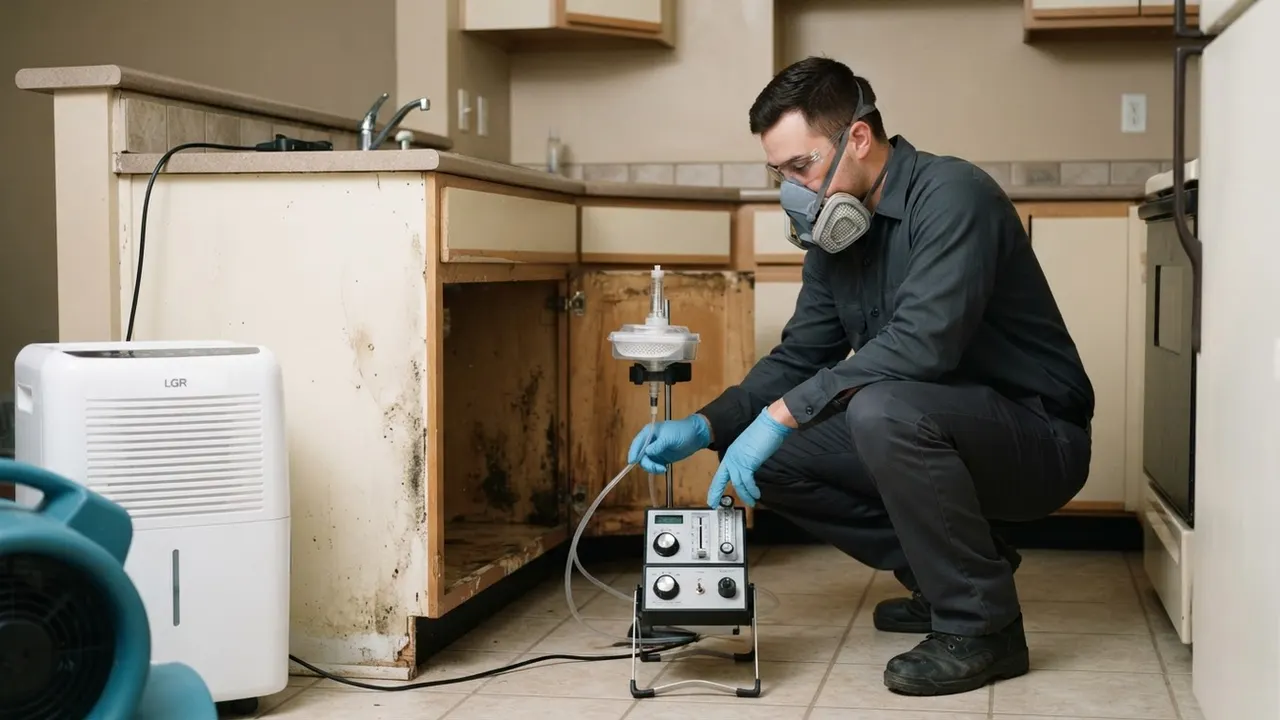
Emergency water damage repair in Lakewood Heights is a property-restoration service that removes water, limits further material damage, and dries affected areas after a sudden leak or flood. If a pipe lets go overnight or a washing machine hose splits, we focus first on stopping the source and extracting water from floors and low areas. Then we map moisture in drywall, baseboards, and flooring so the drying work reaches beyond what you can see.

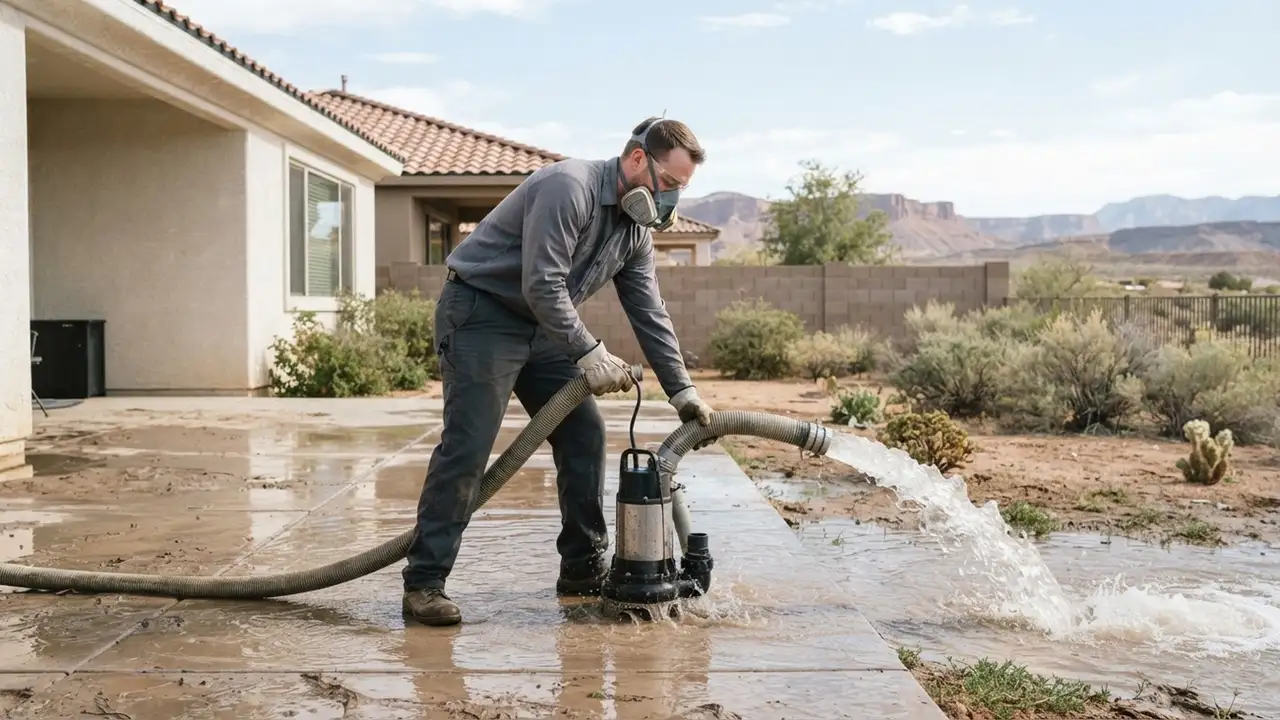
Our Lakewood Heights emergency water damage repair covers Lakewood Heights Estates, Lakewood Heights North, and Lakewood Heights South. We work throughout Mesquite, Nevada, and Clark County, with Lakewood Heights Park and Lakewood Heights Elementary serving as familiar orientation points for locating nearby streets. Homes with newer plumbing still face failed supply lines, appliance leaks, and roof entry during storms. We bring a water extraction unit and moisture meter, document affected rooms, and explain the next step before moving into controlled drying.

Lakewood Heights has a mix of residential streets and community destinations, so a water loss can interrupt family routines quickly. Near-water conditions and a high water table in some areas make careful assessment important when water appears at a foundation or in a low space; the cause must be identified rather than assumed. We serve Lakewood Heights because residents need a nearby crew that can handle extraction, drying, and cleanup as one coordinated job. When you call, tell us which room is wet, whether water is still flowing, and whether power is affected. Those details help us prepare the right equipment before arrival.
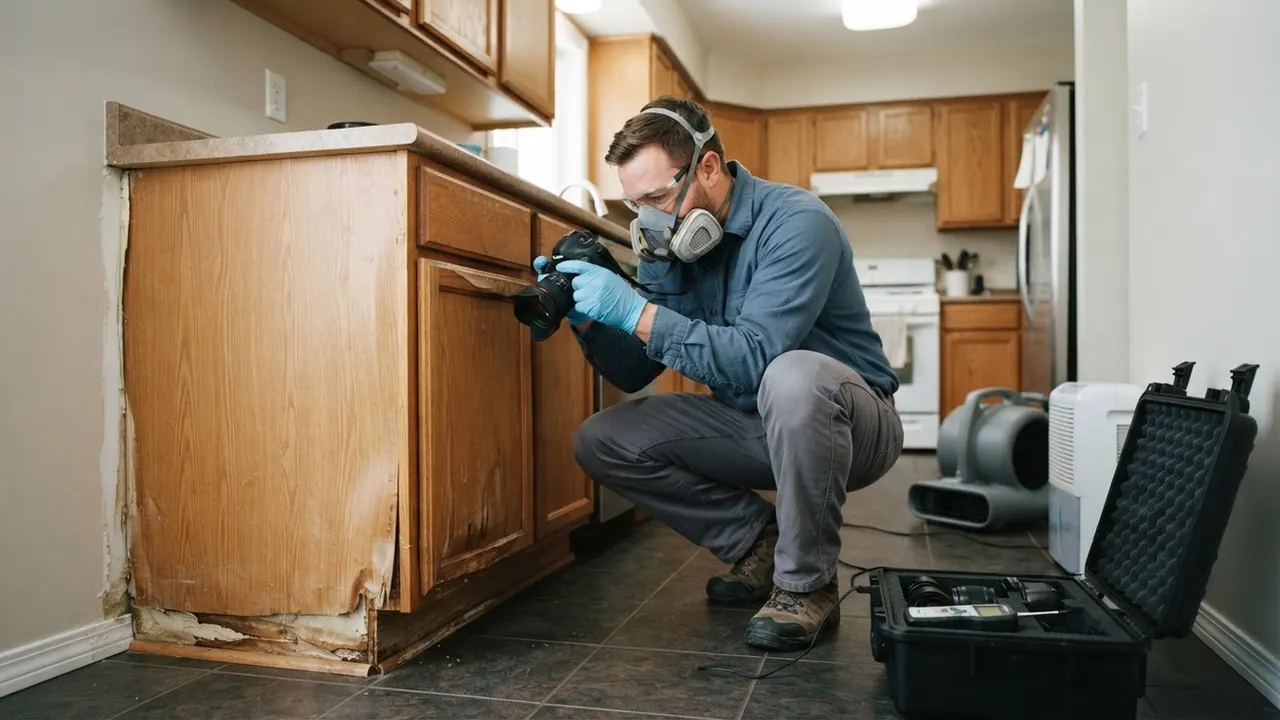
Insurance Claim Assistance in Mesquite: water damage restoration technician taking detailed photographs of water damage to a

Water Damage Services in Lakewood Heights

Water damage calls in Lakewood Heights range from a small appliance leak to stormwater affecting several rooms. We begin with the source and the water category, then remove standing water and check concealed areas that could stay damp after the surface looks dry. If you search for emergency water damage repair in Lakewood Heights near me, call with the address, the affected level, and whether the leak has stopped. That helps us prepare extraction equipment and set a useful first visit plan.

How Local Water Restoration Works

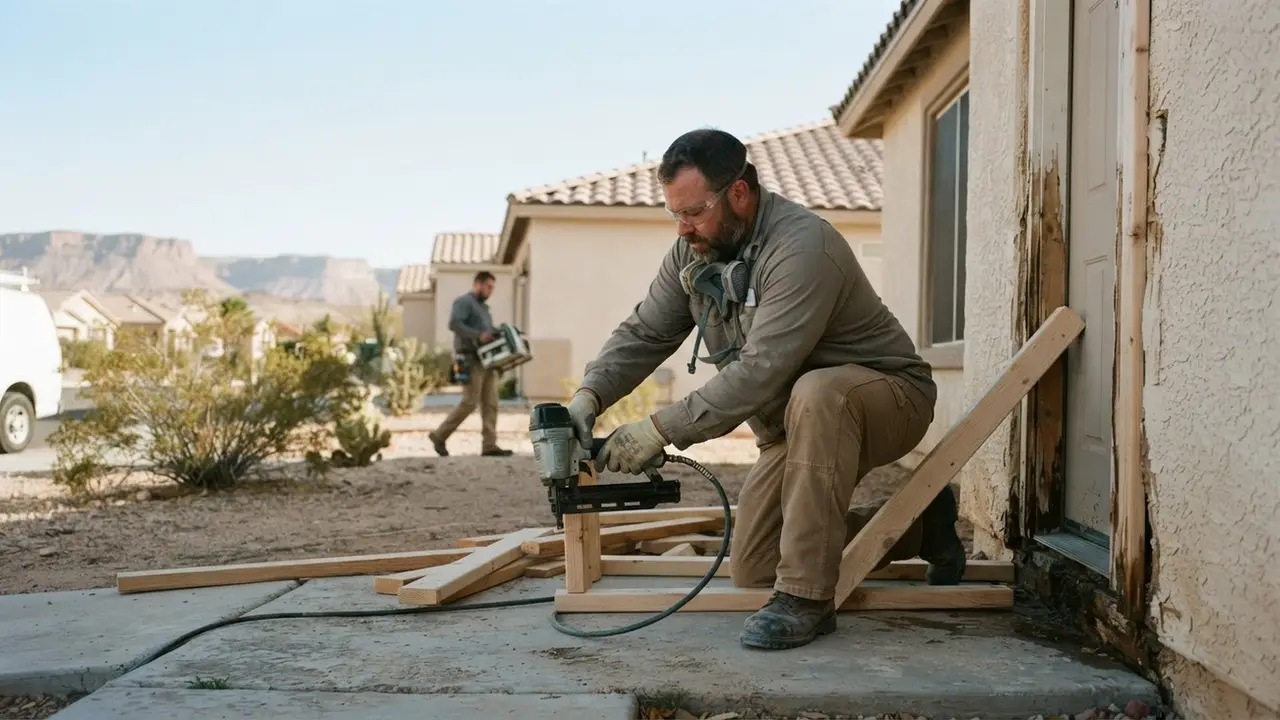
Emergency Board-Up & Tarping in Mesquite: water damage restoration technician nailing temporary supports around a damaged

Emergency Repair in Lakewood Heights

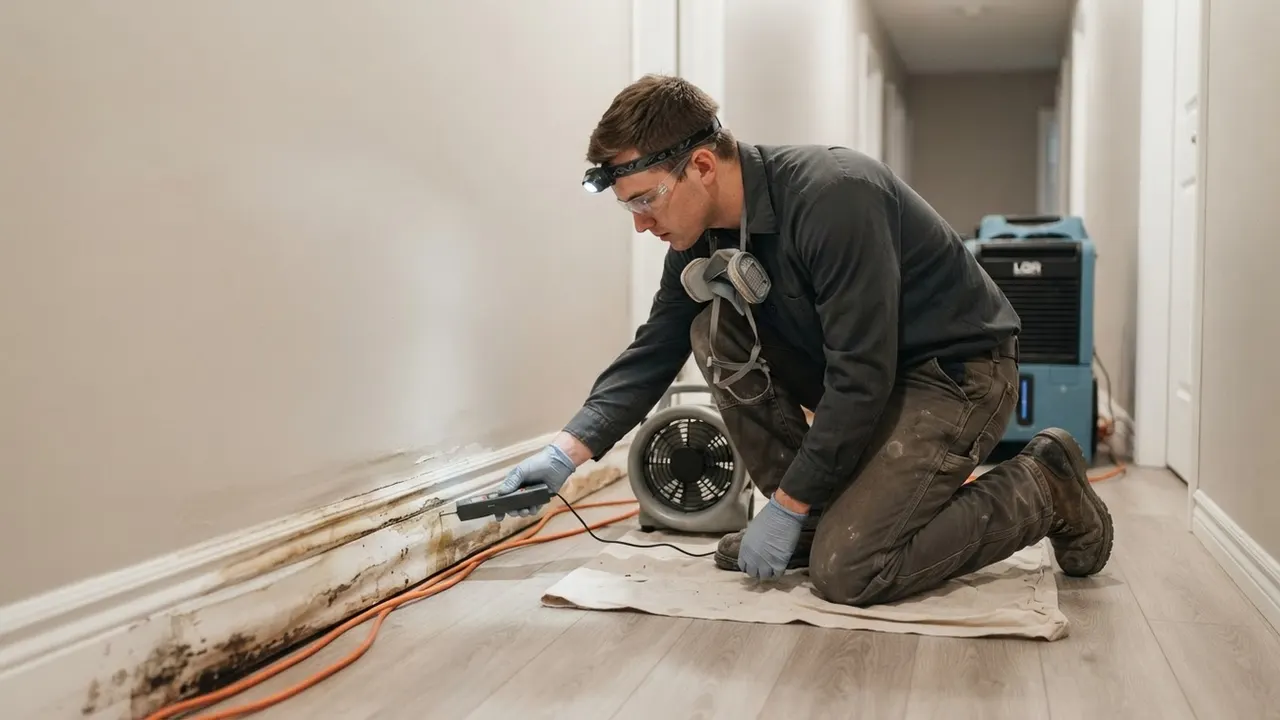
We locate the water source and protect your dry rooms before extraction begins. In Lakewood Heights, we check floor edges, cabinets, and wall bottoms where water can travel out of sight. Moisture readings guide the drying setup and help us explain what needs attention next.

  • Source and room assessment
  • Targeted water extraction
  • Measured drying progress
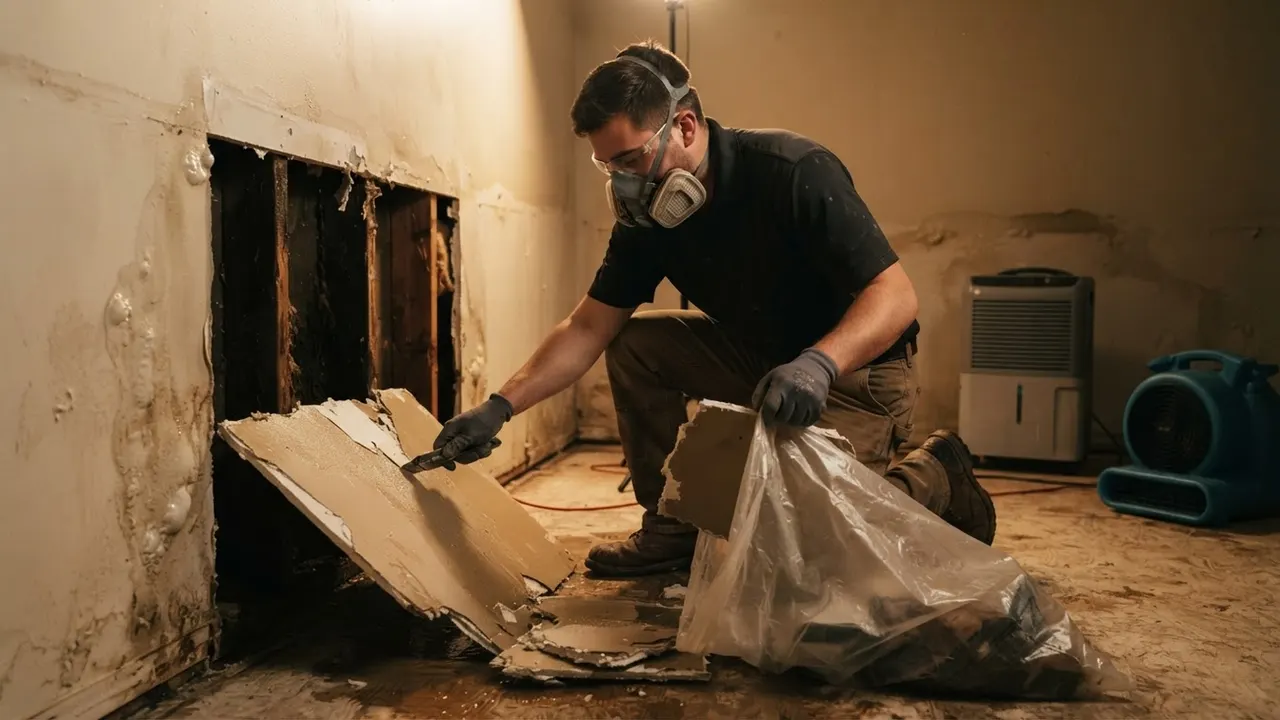
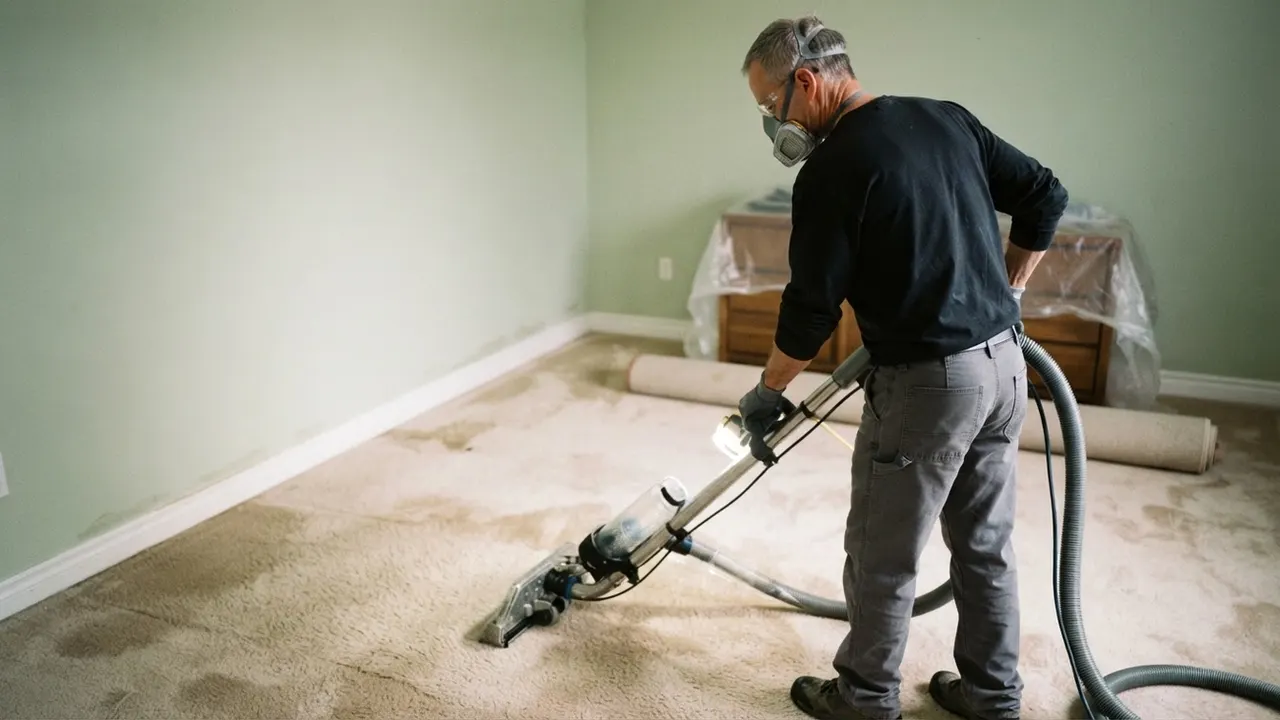
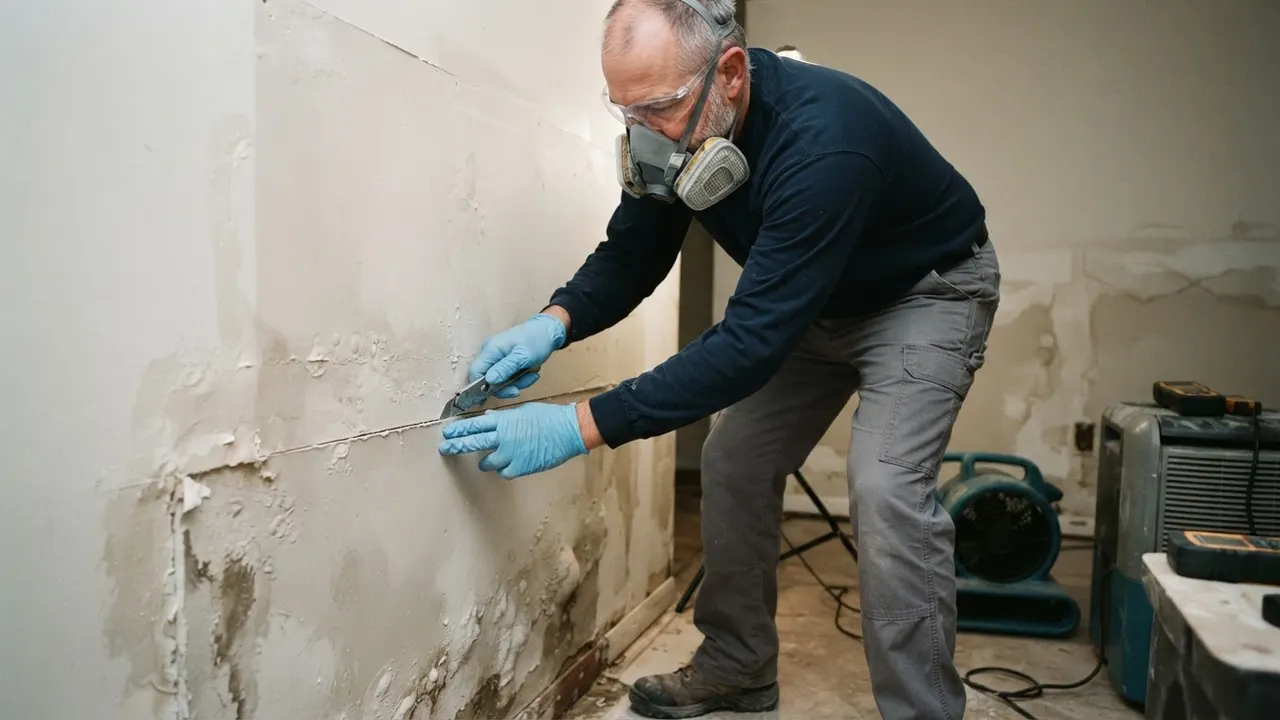
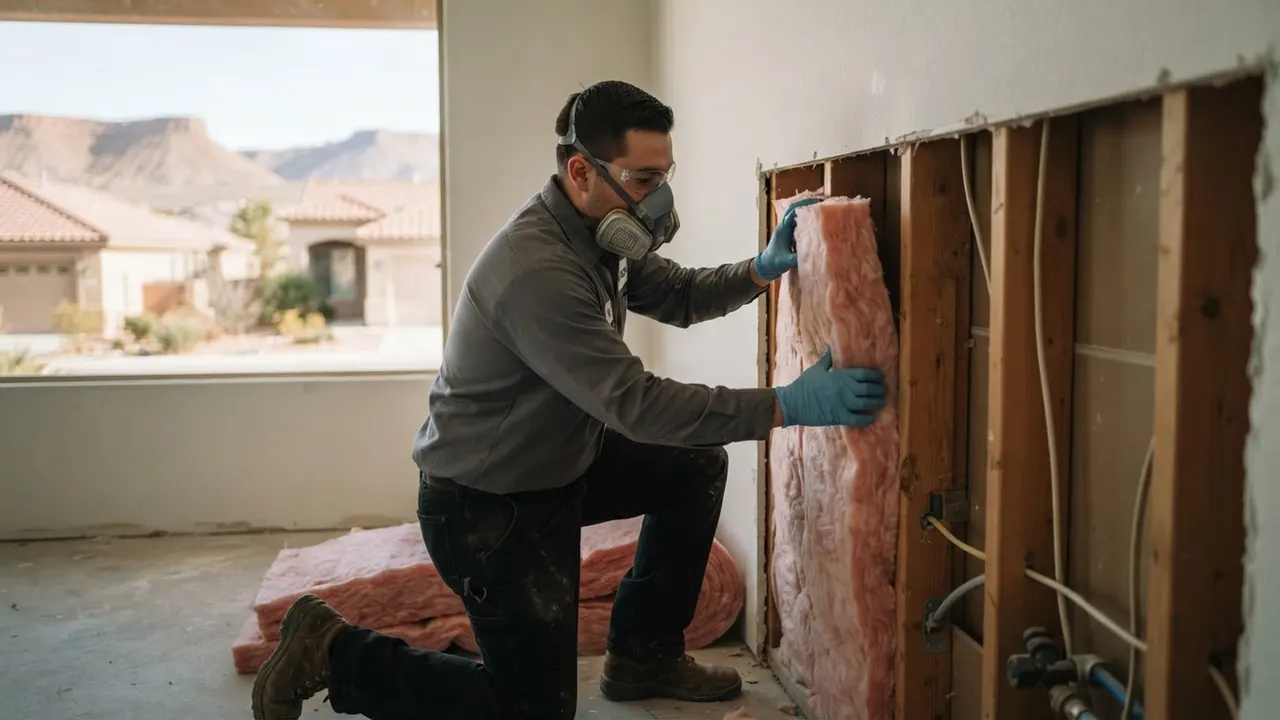
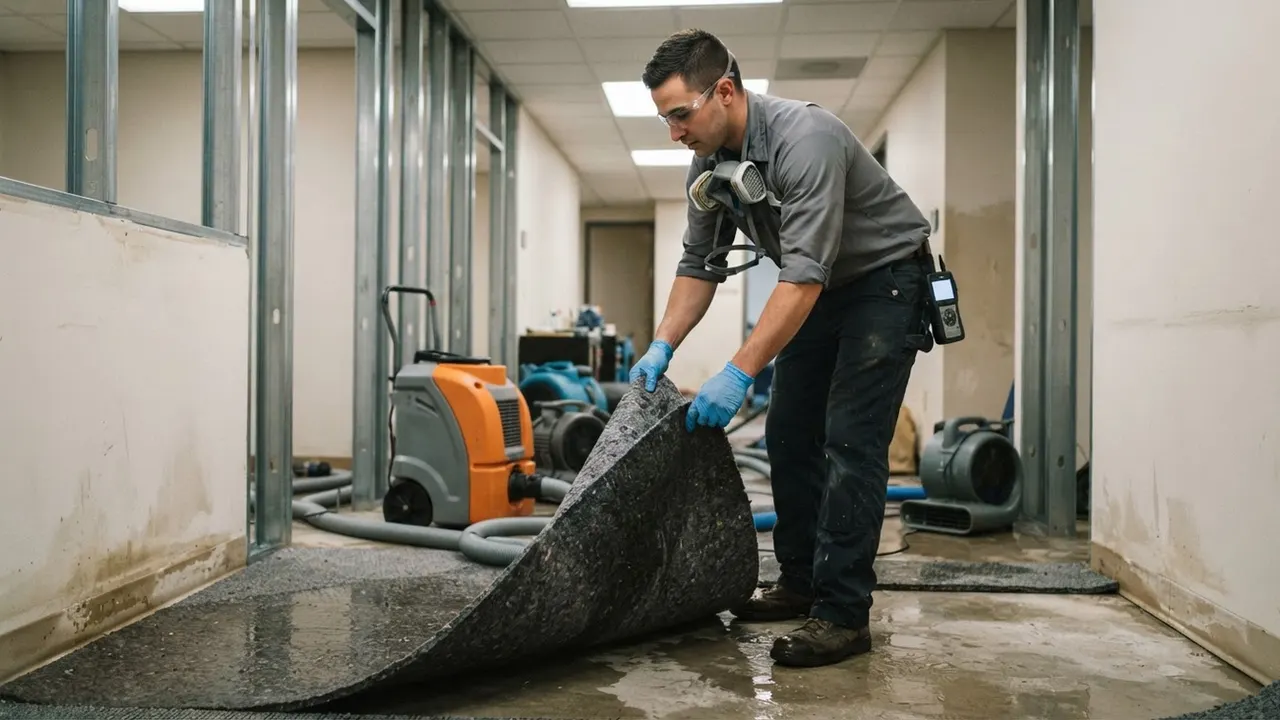
Emergency water damage repair in Mesquite: water damage restoration technician in full protective gear removing soaked

Lakewood Heights Homes

We handle leaks and flooding in Lakewood Heights houses, including kitchens, utility rooms, and finished living areas. Our crew checks nearby materials so water hidden under flooring or behind a wall is not missed.

  • Newer homes with plumbing
  • Kitchen and laundry leaks
  • Storm-affected interiors
  • Low-level wet rooms
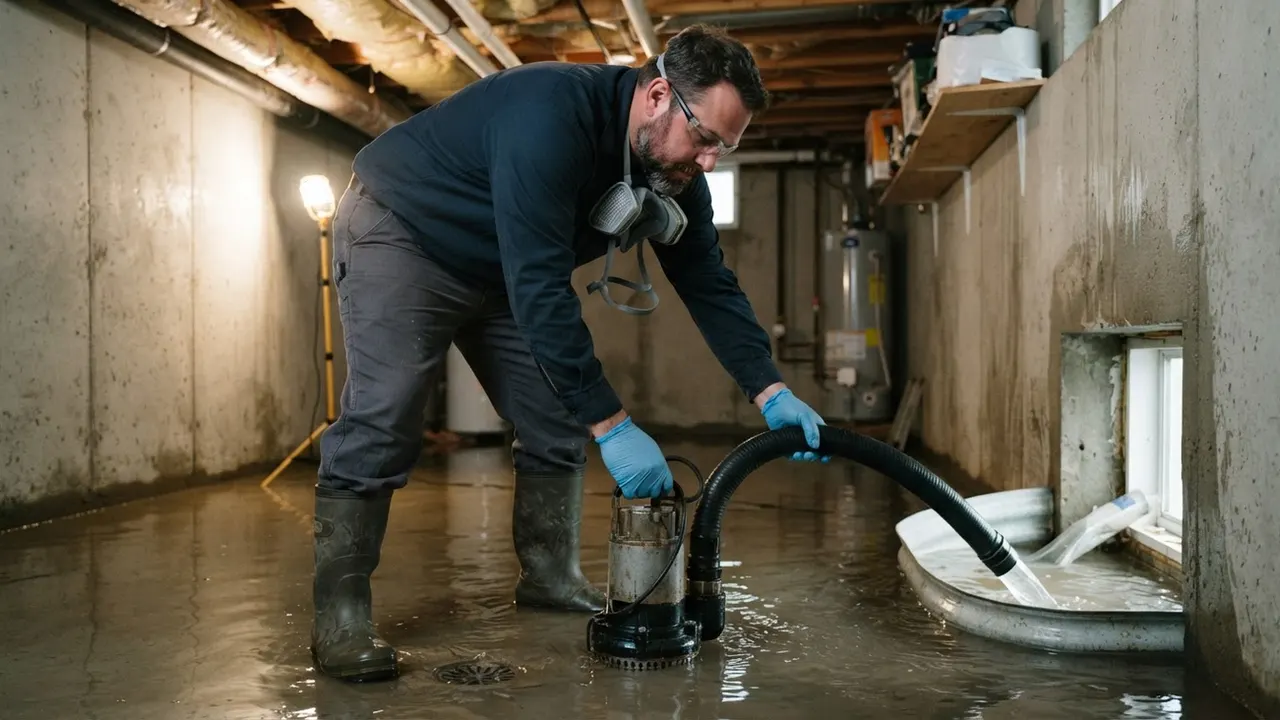
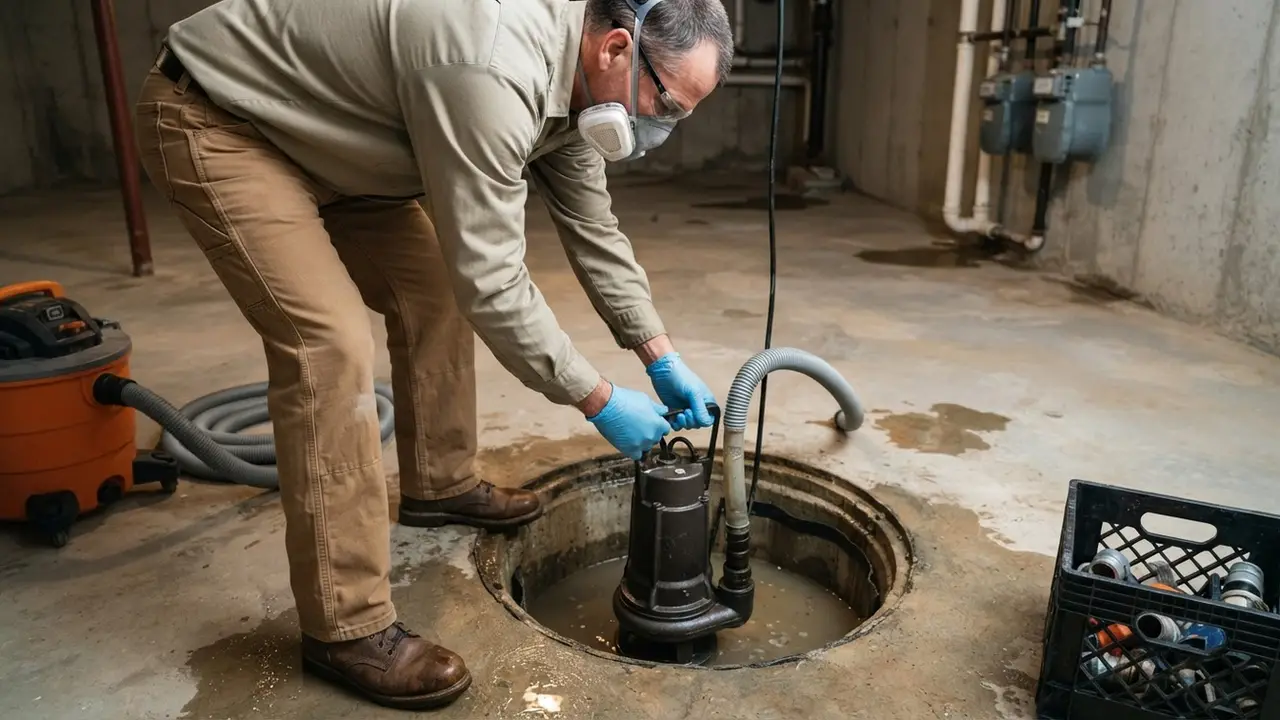
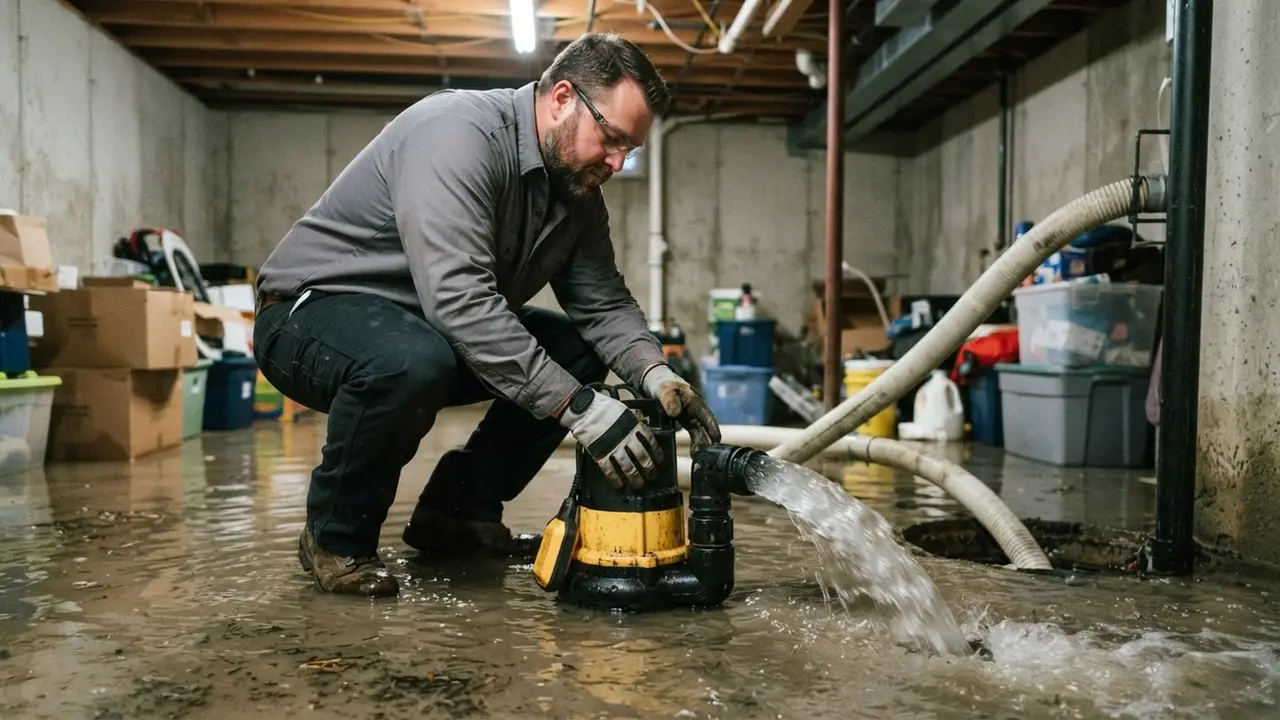
Emergency water damage repair in Mesquite: Close-up of a powerful submersible pump actively removing dirty water from a

Lakewood Heights Businesses

We plan water removal around access needs and affected work areas in Lakewood Heights commercial properties. Tell us which rooms must remain accessible so equipment placement can support cleanup without blocking essential routes.

  • Shopping center businesses
  • Customer-facing interiors
  • Back-of-house utility rooms
  • Small commercial properties

Common Lakewood Heights Water Losses

Lakewood Heights homes with modern plumbing can still suffer a burst pipe, appliance leak, or failed fitting, while stormwater can enter through a roof or door opening. Near-water conditions, a high water table in some areas, and local stormwater management systems make source identification important; none of these factors alone proves why a particular home is wet. The best emergency water damage repair Lakewood Heights NV customers need begins with an inspection of the actual leak path, affected materials, and conditions at the property.

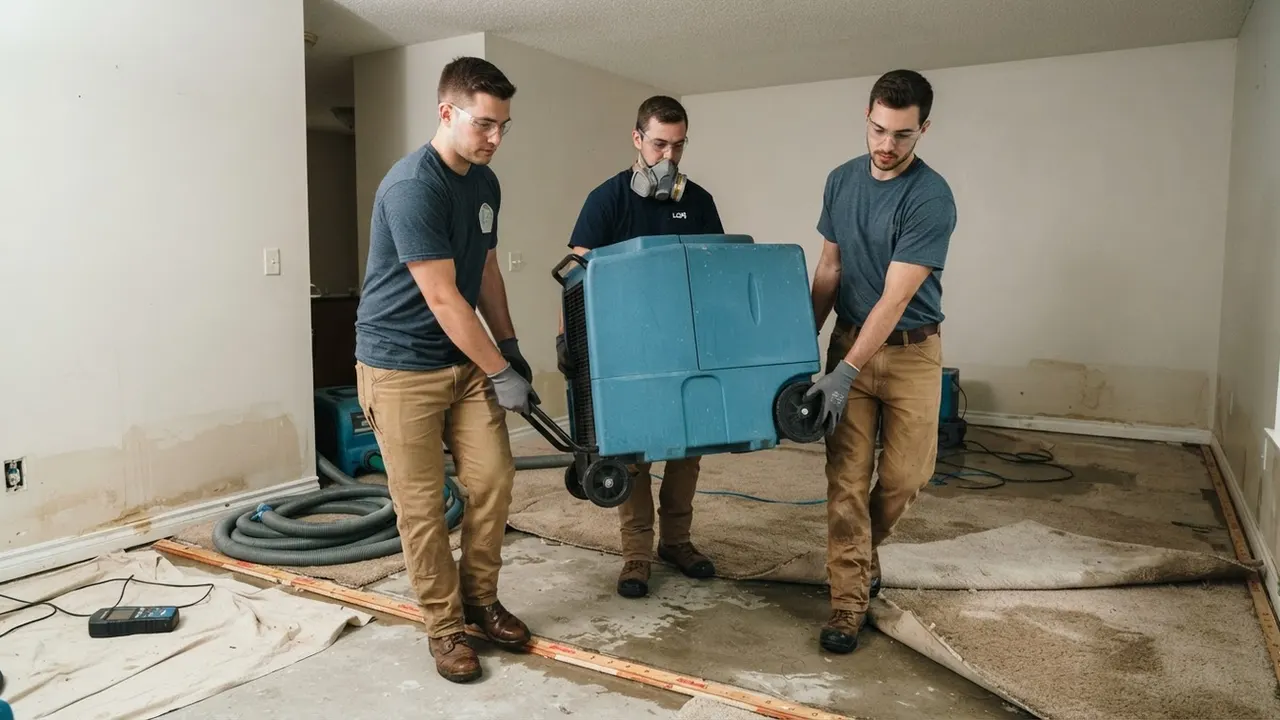
  • Emergency water damage repair in Mesquite: team of water damage restoration technicians collaborating to carry a large

    Appliance Supply Leaks Spread Beneath Cabinets and Across Finished Floors

    Dishwasher, refrigerator, and washing machine connections can loosen, split, or fail while the appliance is running. Water may pass under cabinets and through floor transitions before it becomes visible. Newer plumbing does not eliminate wear at hoses and connection points. We help stop the source, extract accessible water, and inspect cabinet bases, floor edges, and adjacent rooms. Moisture readings guide equipment placement. If padding or other porous material is saturated, we explain whether drying in place or removal is the appropriate next step.

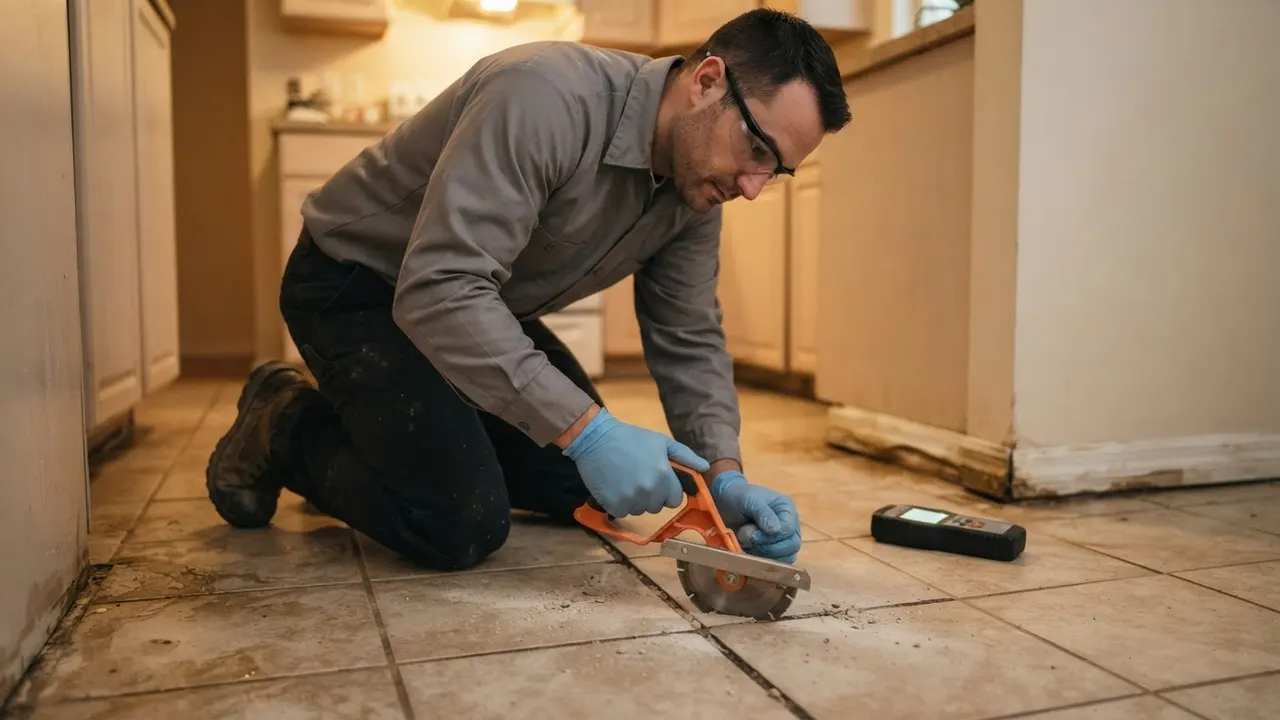
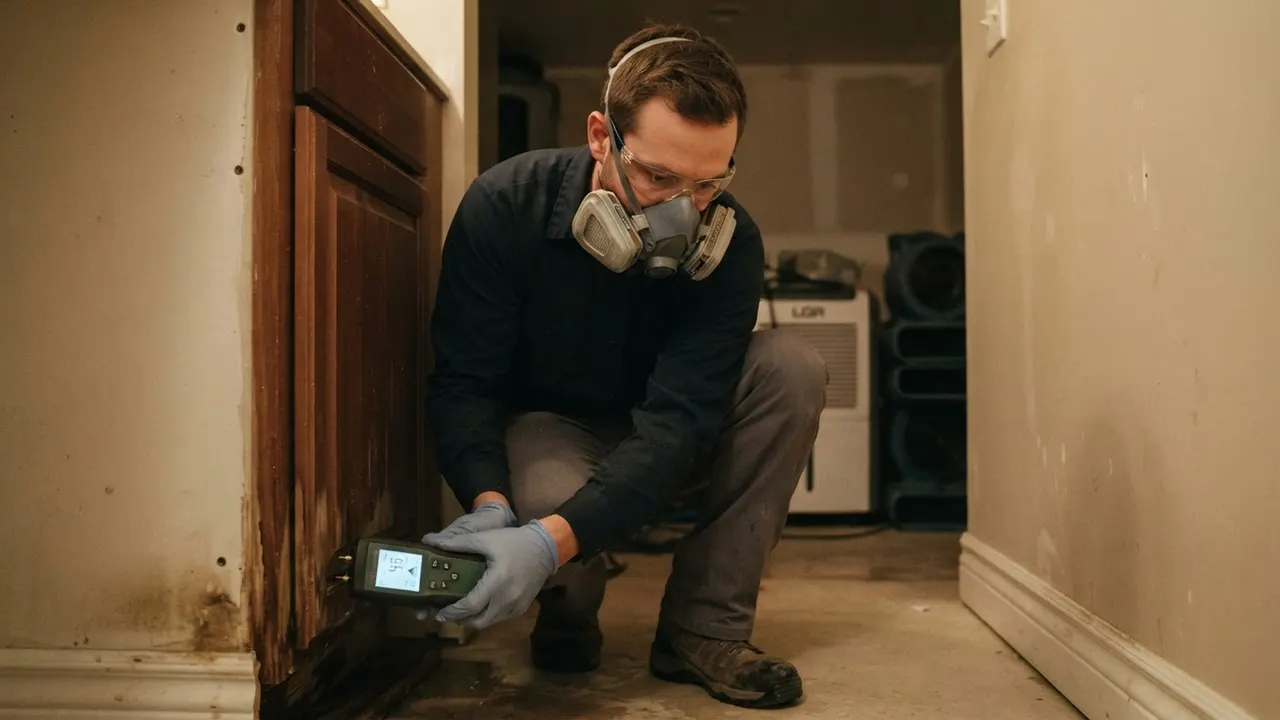
  • Emergency water damage repair in Mesquite: water damage restoration technician meticulously checking moisture levels in a

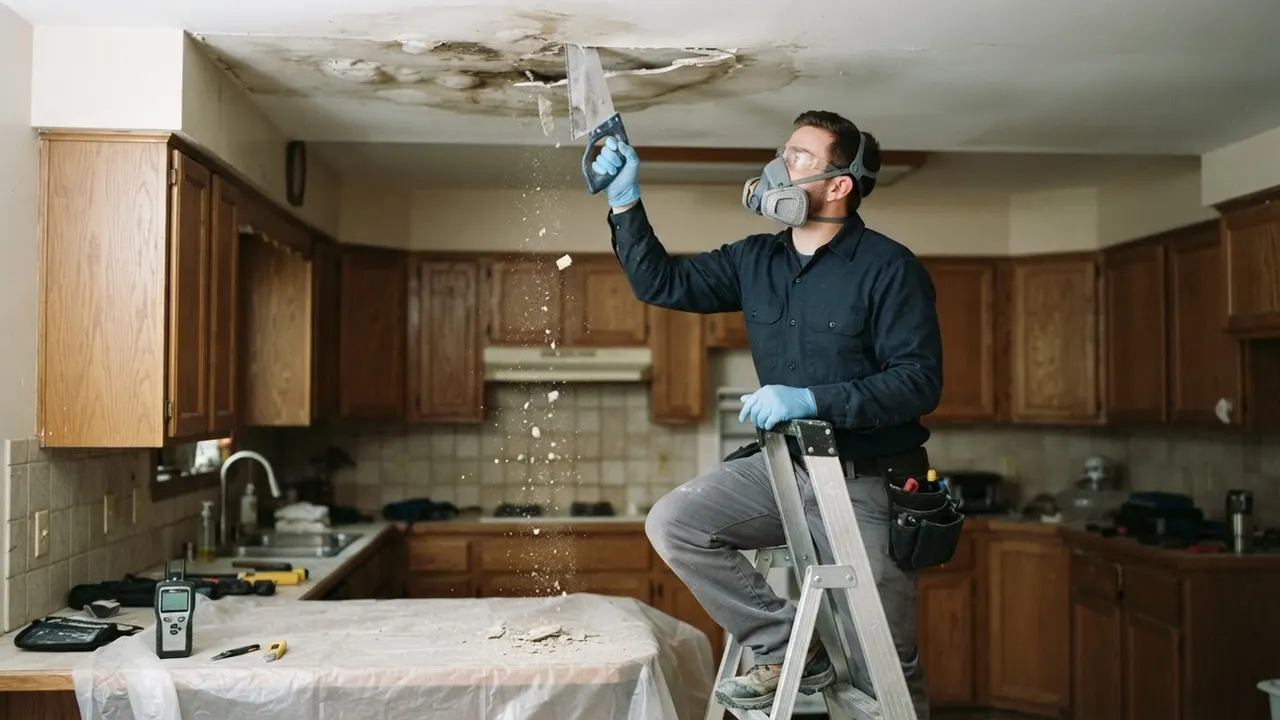
    Stormwater Entry Leaves Ceiling and Wall Finishes Damp

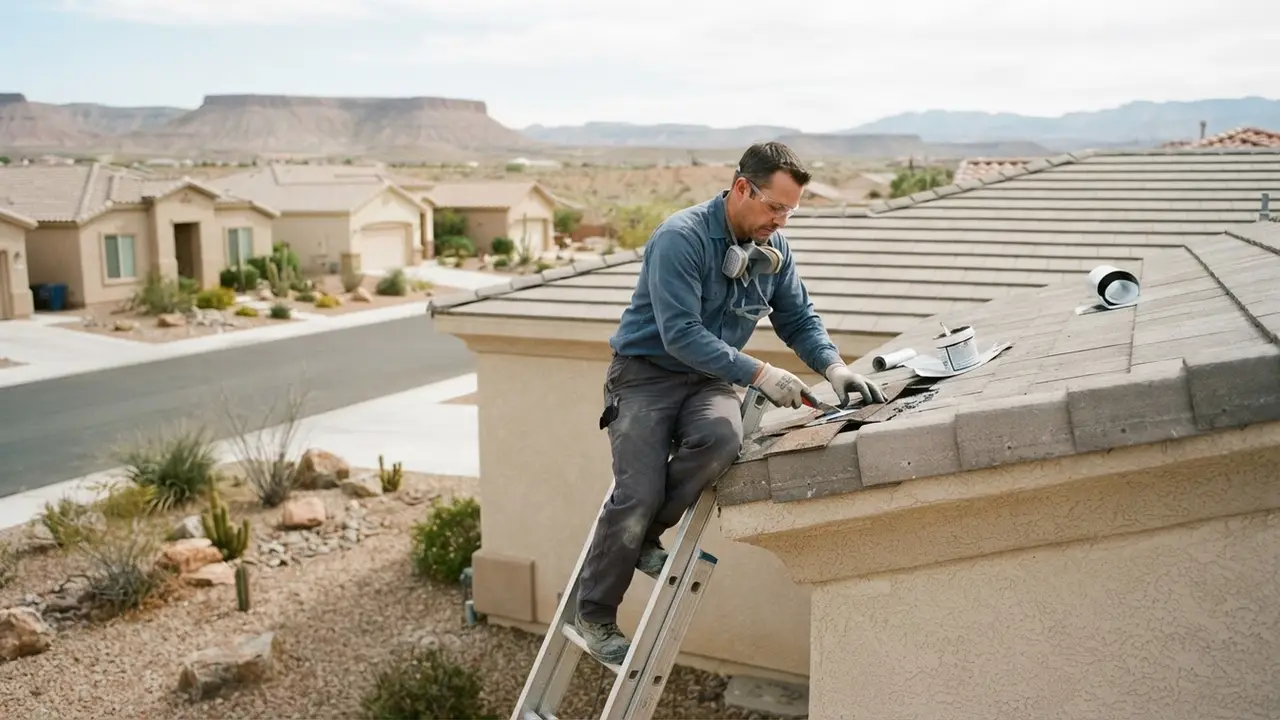
    Seasonal storms can expose roof weaknesses or drive water through an opening. A small entry point may wet insulation and move along framing before a stain appears. The visible mark is not always the full extent of the water path. We protect the interior, identify the affected ceiling and wall sections, and document moisture spread. Temporary protection addresses further entry when needed, while extraction and drying deal with water already inside. We check readings over time before repair work closes the assembly.

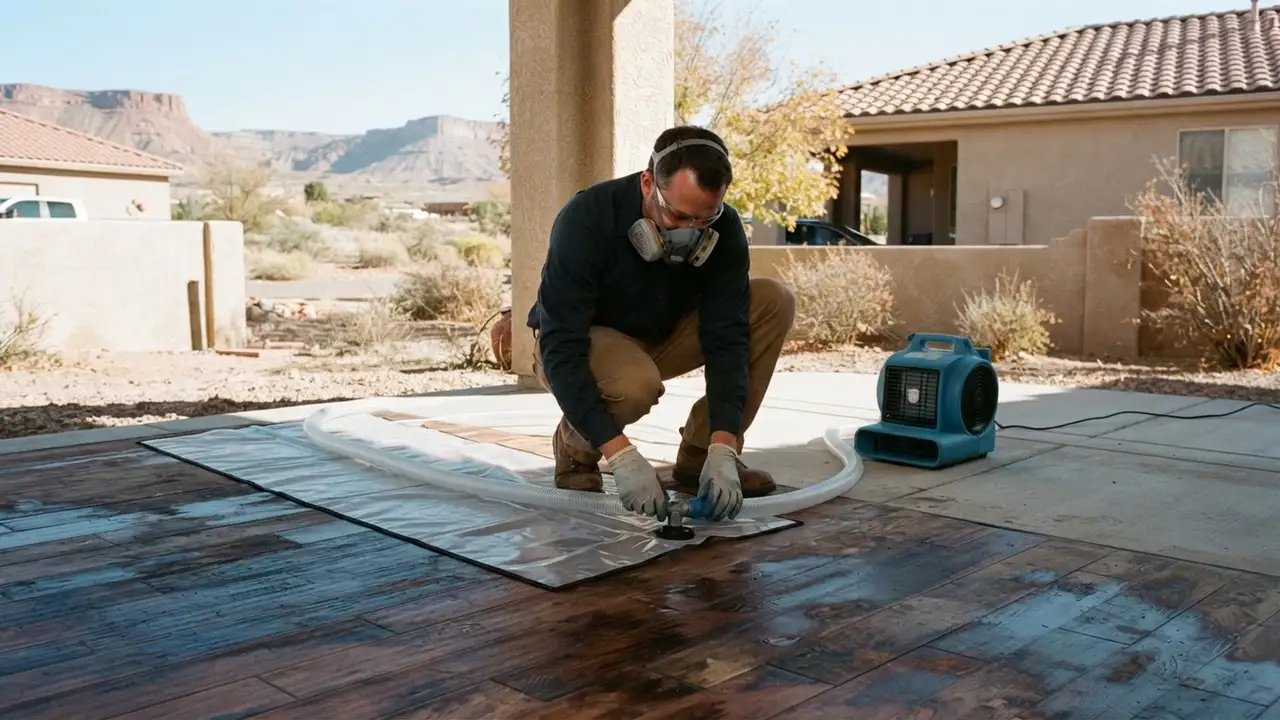
  • Emergency water damage repair in Mesquite: detailed shot of specialized hardwood floor drying mats creating suction over a

    Low-Area Seepage Requires Plumbing and Runoff Checks

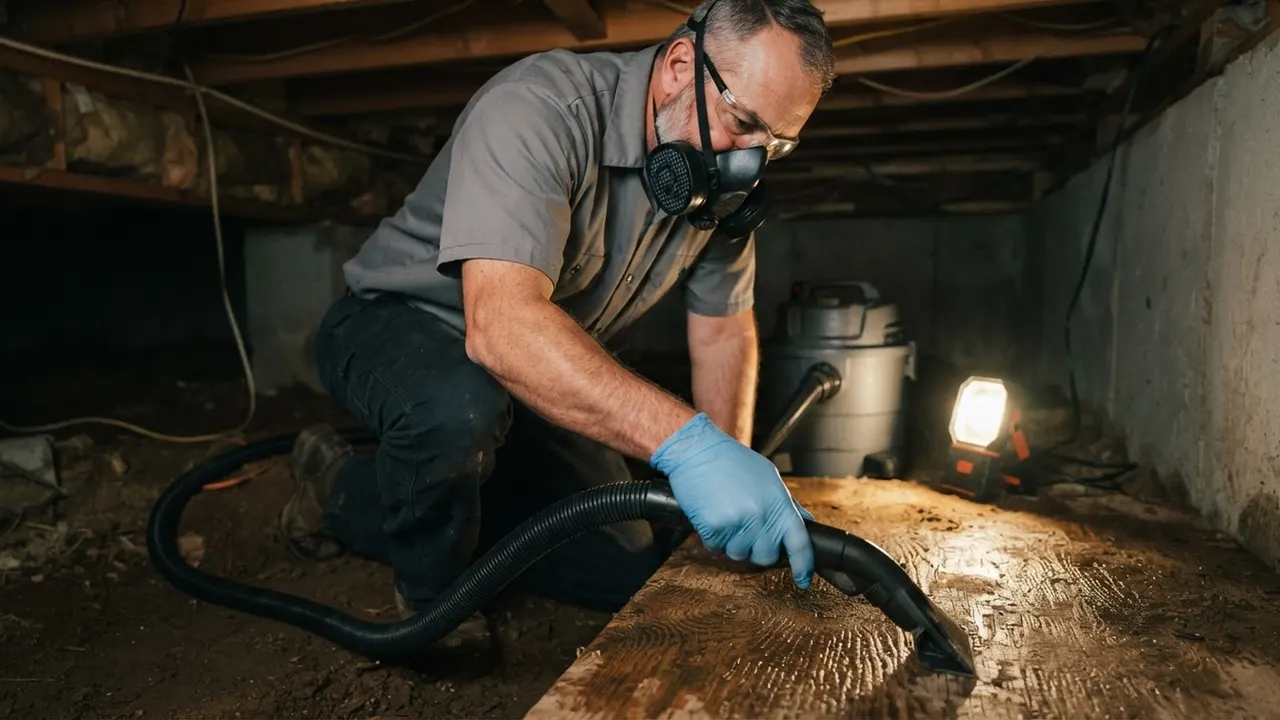
    Water at a low floor edge may come from a plumbing leak, storm runoff, or other site-specific conditions. A high water table in some areas makes it especially important not to guess from a damp slab alone. The source determines which repair will prevent recurrence. We inspect visible plumbing, floor edges, and the water's path, then extract standing water and measure surrounding materials. If the cause is outside restoration work, we explain the needed trade coordination. Drying continues only after the source and affected area are understood.

  • Emergency water damage repair in Mesquite: water damage restoration technician conversing with a homeowner in a partially

    Pipe Failures Wet Walls Before Stains Become Obvious

    A connection behind a fixture or within a wall can leak for a period before paint changes or drywall softens. Water follows framing and can appear in a different room from the failed fitting. A sudden burst pipe can also release substantial water quickly. We locate the likely path using visible clues and moisture checks, then coordinate source control and water removal. We inspect adjoining wall sections and baseboards rather than limiting work to the first stain. The drying plan follows confirmed readings and the condition of the materials.
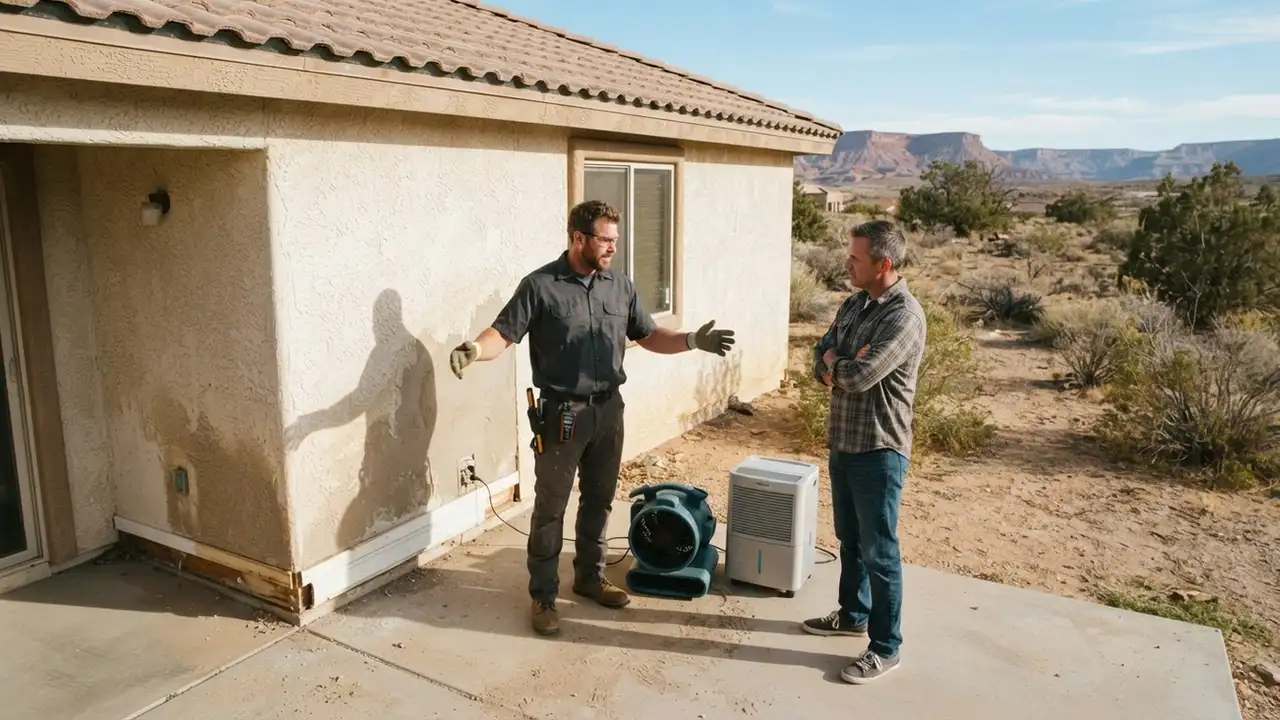
When to Call for Water Damage Repair

Call when water keeps spreading, finishes soften, or a musty odor follows a leak.

Emergency water damage repair in Mesquite: Close-up of an axial air mover positioned to dry a section of a water-damaged wall
  • Water Keeps Returning After You Mop

    Recurring water usually means the source is still active or water remains trapped beneath a surface. Check for a running appliance, pipe leak, or entry at a threshold, but do not open walls yourself. Shut off a safe, accessible supply and call for inspection before moisture spreads farther.

  • Ceiling Paint Bubbles or Begins to Sag

    A bubbling or sagging ceiling can hold water above the finish and may fail under added weight. Keep people out of the room and do not puncture the ceiling. We locate the wet area, control the source, remove collected water when appropriate, and assess the surrounding ceiling assembly.

  • Hardwood Boards Cup at the Edges

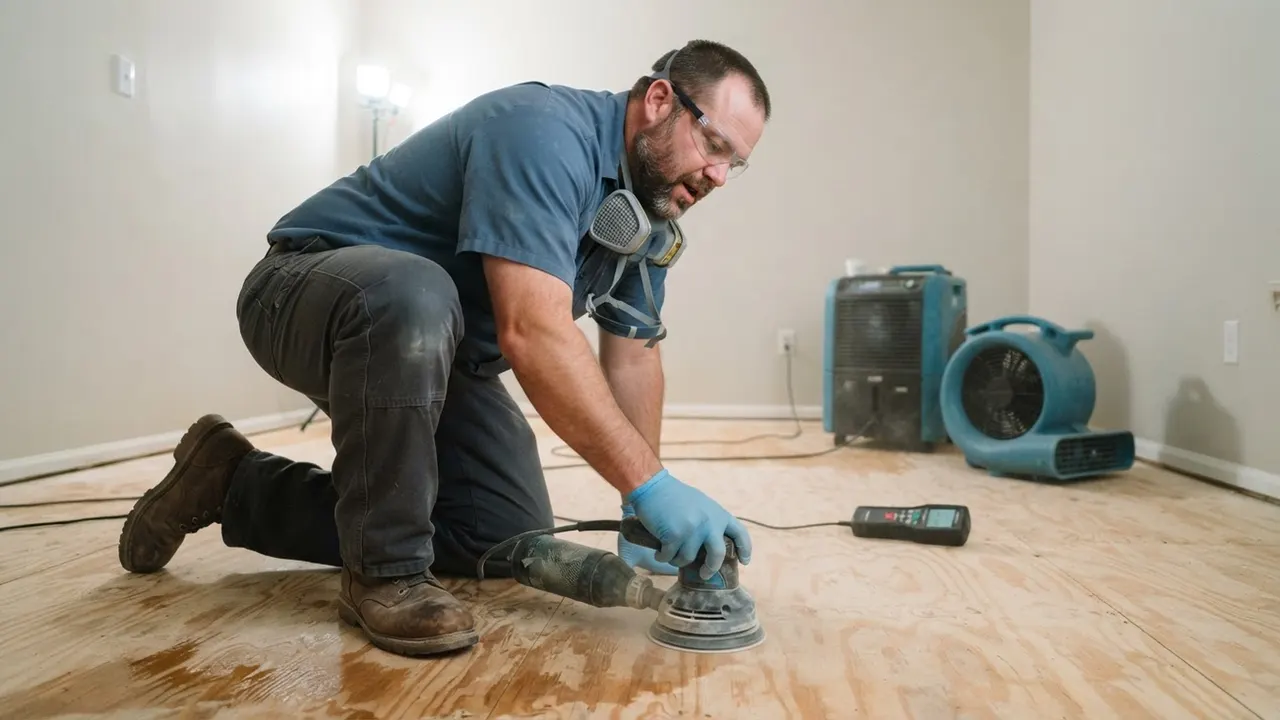
    Raised board edges can signal moisture absorption below the finish, even if the surface looks dry. Continued wetting can affect the subfloor and neighboring rooms. We check the floor and nearby transitions with moisture readings, then determine whether controlled drying or material repair is needed.

  • Musty Odor Stays After Visible Cleanup

    A persistent musty odor can point to damp carpet padding, insulation, or a wall cavity that was not dried. Masking the smell will not remove the source. We inspect surrounding materials, measure moisture, and address wet components before deodorizing the affected Lakewood Heights room.

  • Water Appears at a Low Foundation Edge

    Water along a low wall or floor edge needs a source check, especially where local high water table conditions exist in some areas. It could come from plumbing, runoff, or another entry path. We inspect the actual conditions, remove standing water, and document what needs correction.

How We Handle Water Damage in Lakewood Heights

Emergency water damage repair near Lakewood Heights starts with access, source control, and a quick map of the affected rooms. We ask whether the water is still flowing, where the shutoff is, and whether anyone has entered a wet area with electrical equipment. In neighborhoods such as Lakewood Heights North and Lakewood Heights South, we plan equipment placement around driveways and interior pathways so extraction hoses and air movers do not block your household's safe route.

  • High Water Table Conditions Can Complicate Low-Level Water Entry

    In parts of Lakewood Heights, a low area that becomes damp needs a careful distinction between plumbing leakage, surface runoff, and possible groundwater pressure. Treating the floor alone without identifying the source can leave the same material wet again. We inspect the affected floor perimeter, nearby plumbing, and visible drainage conditions before choosing an extraction plan. Our crew records moisture readings at multiple points and checks whether water is still entering. If the source requires a separate repair, we explain that clearly while protecting and drying the interior.

  • Stormwater Can Move Beyond the First Visible Wet Room

    Heavy rain can push water through an opening or across a low threshold, then into carpet edges, cabinets, and wall bottoms. A small visible puddle may not show how far moisture traveled underneath finishes. We follow the water path from the entry point, inspect adjacent rooms, and check transitions rather than drying only the center of the wet area. We extract standing water, document affected materials, and place drying equipment based on measured conditions. Any temporary opening protection is handled before interior work continues.

  • Modern Plumbing Connections Can Fail Without Obvious Warning

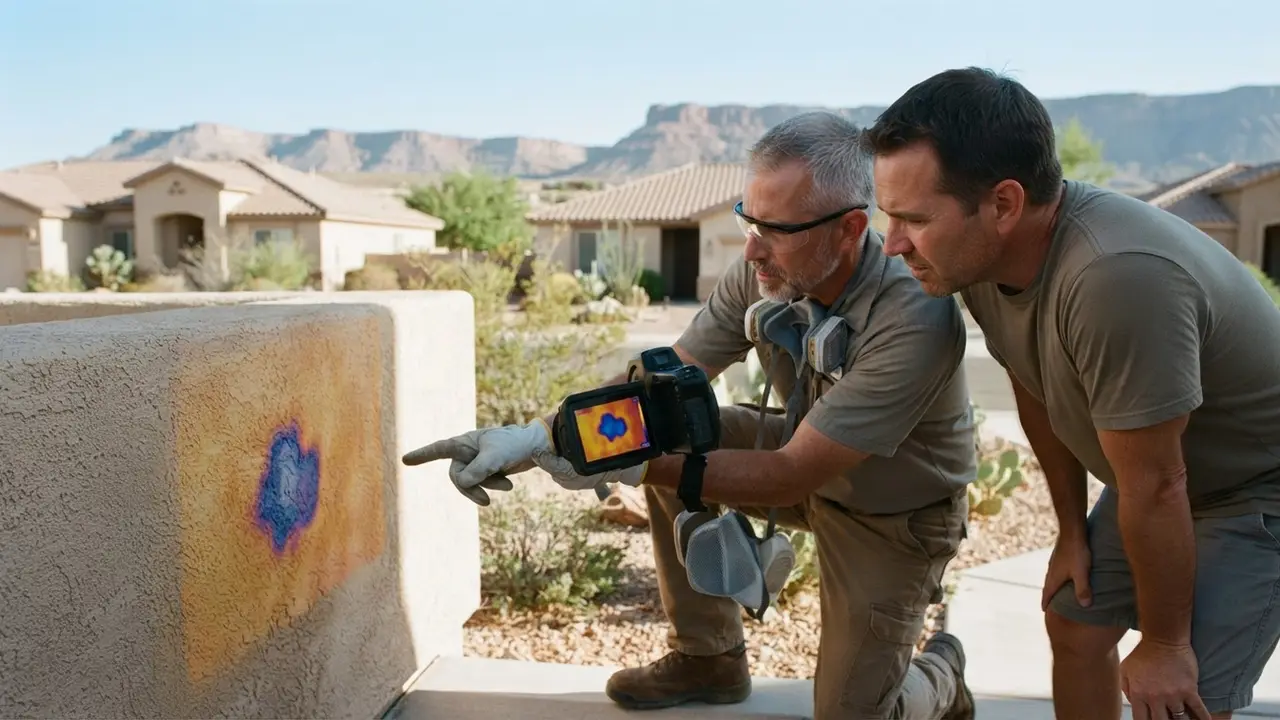
    Newer homes in Lakewood Heights still have supply lines, appliance hoses, and fittings that can loosen or split. Water may run behind cabinetry or through a wall before a stain or soft floor alerts you. We help isolate the active line, then inspect the nearest cabinets, wall base, and floor seams for spread. A thermal imaging camera can help locate temperature patterns that guide further moisture checks, while direct readings confirm wet materials. We extract and dry the confirmed area, not just the first visible mark.

  • Nevada State Contractors License Requirements

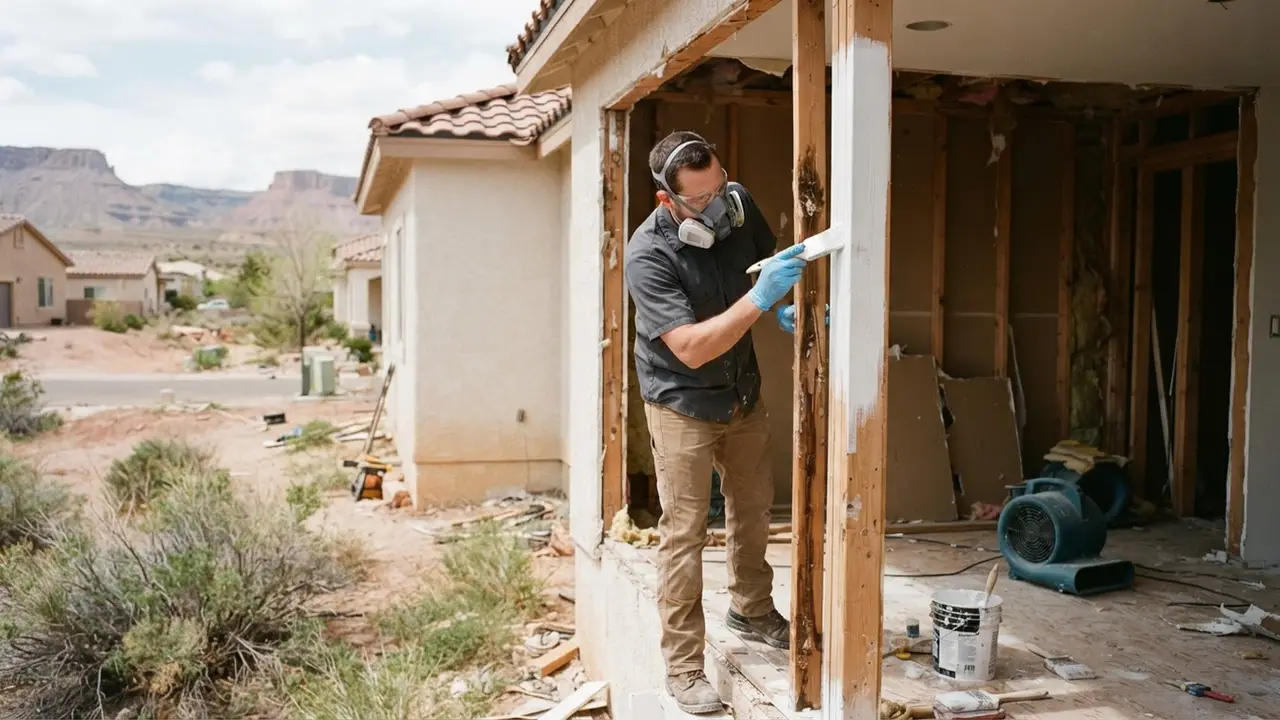
    Repair and reconstruction work must be handled by appropriately licensed contractors when the work falls under Nevada licensing requirements. We distinguish emergency mitigation from repair tasks and coordinate the appropriate licensed trade when the scope calls for regulated construction or plumbing work.

  • IICRC S500 Water Damage Restoration Standard

    The IICRC S500 standard provides restoration guidance for assessing water damage, selecting removal and drying methods, and documenting the process. We use its principles to keep Lakewood Heights work organized, with attention to water category, material condition, and measured drying progress.

Lakewood Heights Landmarks and Navigation

We use familiar local references to confirm directions, not to make assumptions about a property's water risk. Lakewood Heights Park and Lakewood Heights Elementary can help orient a caller describing a nearby street. Mesquite Marina and Lakewood Heights Shopping Center are additional named references for locating the broader service area. Before unloading, our crew confirms the property entrance, parking space, and a safe route for hoses and drying equipment.

  • Lakewood Heights Park

    This named park serves as an orientation reference when a caller describes a nearby Lakewood Heights address. We still confirm the street and property entrance directly, since a landmark alone does not identify the affected building.

  • Lakewood Heights Elementary

    The school name can help establish which part of Lakewood Heights a caller means. For a service visit, our crew uses the exact address and access instructions rather than relying on the school as a destination.

  • Mesquite Marina

    Mesquite Marina is a named area reference that can help callers explain their general location within the service region. It is used only for orientation; water damage conditions are assessed at the property itself.

  • Lakewood Heights Shopping Center

    The shopping center is a named commercial reference in the Lakewood Heights area. It can help a caller describe a nearby location, while the service crew confirms the actual property address and loading or parking access before beginning work.

  • Lakewood Heights Commercial Frontage

    Commercial properties in the service area can include customer-facing rooms and back-of-house spaces where a leak may interrupt operations. We coordinate access with the property contact and keep extraction equipment positioned to preserve a clear route where possible.

  • Local Lakewood Heights Street Network

    We route to the supplied property address and confirm the driveway, entry point, and equipment path with you before unloading.

  • Mesquite Area Road Access

    Our service base is in Mesquite, Nevada, and crews use the road route appropriate to the address and current access conditions.

Lakewood Heights Neighborhoods We Serve

Our Lakewood Heights service area includes the named residential sections below, with calls routed from our Mesquite service base. Each visit starts with the address and water source so we can plan equipment access and protect the route into your home. Whether water is in a kitchen, a low-level room, or a ceiling, we assess the affected materials before setting the drying plan.

  • Lakewood Heights Estates
  • Lakewood Heights North
  • Lakewood Heights South
  • Lakewood Heights Park

Water Damage Work in Lakewood Heights

  • Lakewood Heights Estates

    Before

    A split appliance hose wet the kitchen floor and reached the carpet edge in an adjoining Lakewood Heights Estates room.

    After

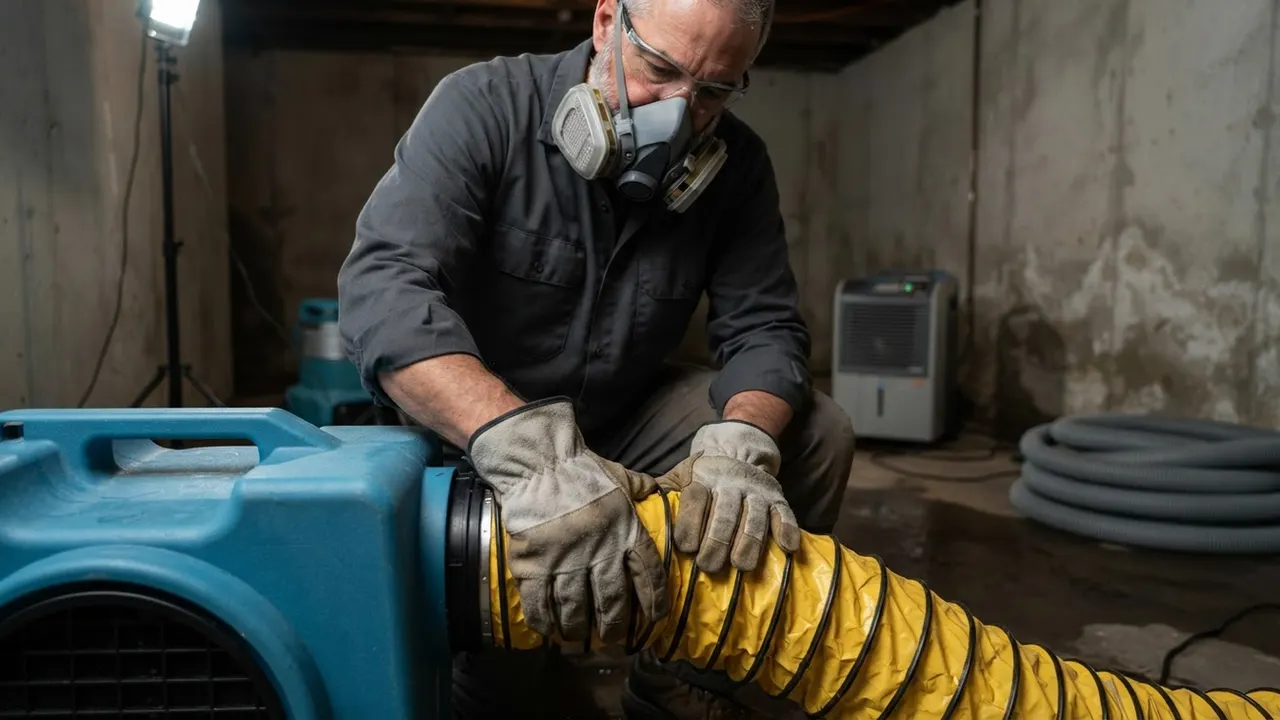
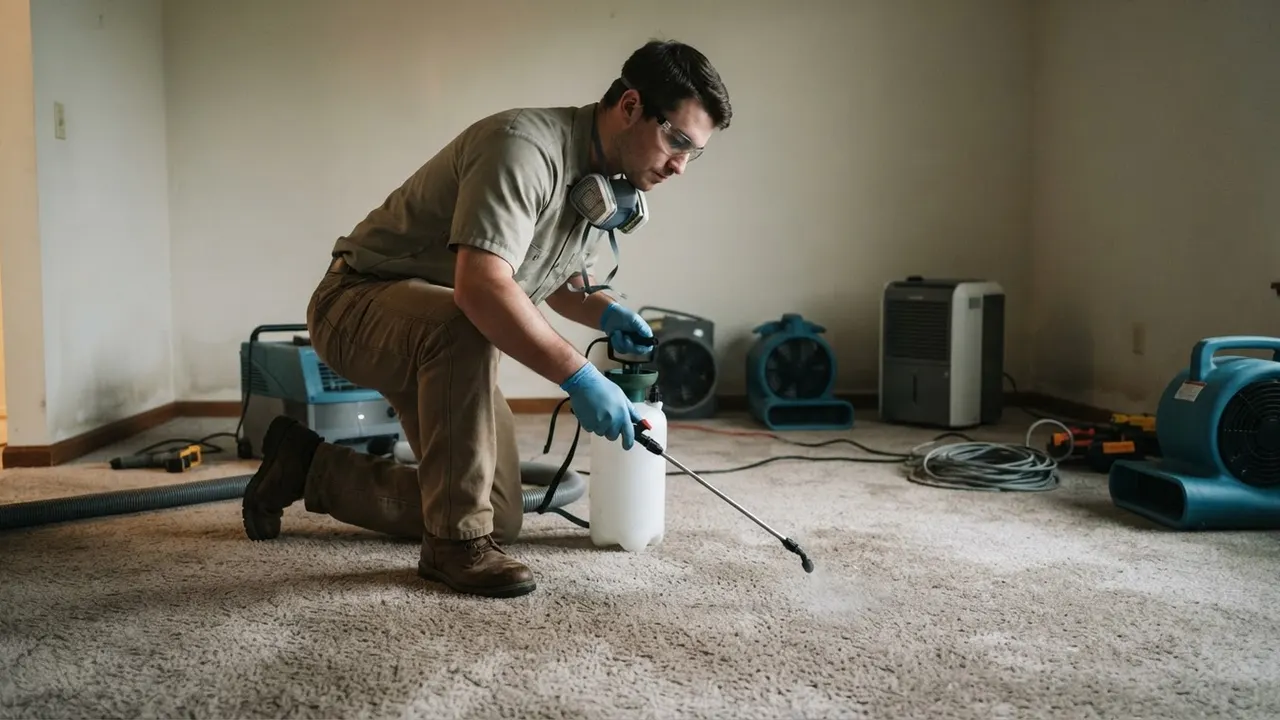
    We isolated the affected area, extracted visible water, and checked the cabinet base and carpet transition with a moisture meter. The team moved dry contents out of the work path, placed air movers to circulate air across the floor edge, and ran a dehumidifier while tracking readings. We also documented the hose connection and affected finishes for the homeowner's records. Water was removed from two connected areas, and drying readings were checked at the floor edge and cabinet base during follow-up. The homeowner received a documented list of affected materials and next repair steps.

  • Lakewood Heights North

    Before

    A storm-related roof leak left a ceiling stain and damp wall section in a Lakewood Heights North home.

    After

    We protected the room below, traced the visible water path, and checked the ceiling and wall for moisture spread. After the opening was protected from further entry, we removed water where it had collected and set controlled air movement. The team documented the damaged finish and checked the nearby insulation before outlining the repair sequence. The affected ceiling and wall areas were mapped, the interior was dried with measured checks, and the homeowner had a clear record for coordinating roof and finish repairs.

  • Lakewood Heights South

    Before

    Water appeared along a low floor edge in Lakewood Heights South after a plumbing connection failed near a utility area.

    After

    We helped stop the active leak, extracted standing water, and inspected the adjoining baseboards and floor seams. The crew checked the low area for additional moisture and used a dehumidifier with targeted air movement. We recorded the initial conditions and revisited readings to verify that the affected materials were drying. The wet floor area was cleared and drying progress was recorded at multiple points. The source was identified for repair, and the customer received a summary of cleanup and remaining restoration tasks.

Lakewood Heights Seasonal Water Risks

  • Spring

    Spring storms can test roof coverings, exterior seals, and drainage routes. A leak may first appear as a ceiling stain or water at a threshold. Check ceilings and low areas after heavy rain, especially if a previous repair left a known weak point. After a storm, photograph visible damage from a safe location and move belongings away from wet areas. If water is entering, protect the interior and call for extraction rather than waiting for the stain to spread.

  • Summer

    Summer heat can make an appliance or plumbing leak harder to notice if a room is rarely used. Water from an ice maker line, water heater, or laundry connection can accumulate behind equipment. Storms may also create short periods of roof or exterior water entry. Check appliance hoses, utility areas, and ceilings during routine home checks. If a floor is wet, stop the source when safe and avoid running household fans across contaminated water.

  • Fall

    Fall is a good time to look for roof wear, loose connections, and drainage issues before winter weather. A slow leak may show as a musty odor or a swollen baseboard before a puddle appears. Addressing those clues early can limit the amount of material affected. Inspect under sinks and around laundry equipment, and note any recurring dampness. If a leak is active, shut off the nearest safe valve and call with the location and water source.

  • Winter

    Cooler nights can increase concern about exposed or poorly protected plumbing, while holiday cooking and appliance use add demand to household connections. A frozen pipe is less common than in colder climates but remains possible in vulnerable locations. A burst line can wet walls and floors quickly. Know where your main shutoff is and keep access clear. If a pipe fails, stop the water if safe, avoid wet electrical areas, and call for extraction and a moisture assessment.

Questions for a Lakewood Heights Restoration Crew

A strong water damage contractor in Lakewood Heights explains the source, the affected materials, and the order of work without burying the answer in sales language. Ask how the crew will measure moisture, what happens to wet carpet padding or drywall, and how progress is recorded. You should also know who is handling extraction, drying, and any separate repair work. Clear answers help you compare the actual plan, not just a broad promise to make things right.

  • What Will You Check Before Setting Drying Equipment?

    A useful answer includes the water source, affected rooms, material type, and baseline moisture readings. Equipment should match the conditions, not be placed randomly. Ask how the crew will check hidden edges and when they will review progress so you know drying is being monitored.

  • How Will You Keep Water From Reaching Clean Areas?

    The crew should describe a practical route for hoses and equipment, protection for belongings, and separation of affected rooms where needed. This matters in occupied Lakewood Heights homes, where an open path to the kitchen or bathroom needs to remain usable and safe during extraction.

  • Which Wet Materials Can Be Dried in Place?

    The answer should depend on material condition, water category, and measured moisture, not a blanket promise. Carpet padding, insulation, and swollen drywall do not all respond the same way. A clear explanation helps you understand why a material is being dried, cleaned, or removed.

  • How Do You Document the Damage for My Claim?

    Photos, affected-material notes, and moisture readings create a useful record of the loss and restoration steps. Ask whether the crew can organize documentation for your insurer. Good records show what was wet, what was removed, and how drying conditions changed.

  • Who Handles Repairs After the Drying Is Complete?

    Mitigation and reconstruction are different stages. You should know whether the same team handles drywall, flooring, and plumbing repairs or whether another appropriately qualified trade is needed. The answer clarifies the handoff and helps prevent a dry room from sitting unfinished.

Lakewood Heights Emergency Water Damage Faqs

Still wondering? (833) 546-4116

Emergency water damage repair in Mesquite: water damage restoration technician demonstrating the real-time thermal image of

Call for Lakewood Heights Water Damage Help

If water is spreading through your Lakewood Heights home, call Mesquite Water Damage Company at (833) 546-4116. Our emergency response team will ask where the water started, what rooms are affected, and whether the source is still active. We serve Lakewood Heights and the wider Mesquite area in Nevada. Call now to arrange an assessment and start water removal.
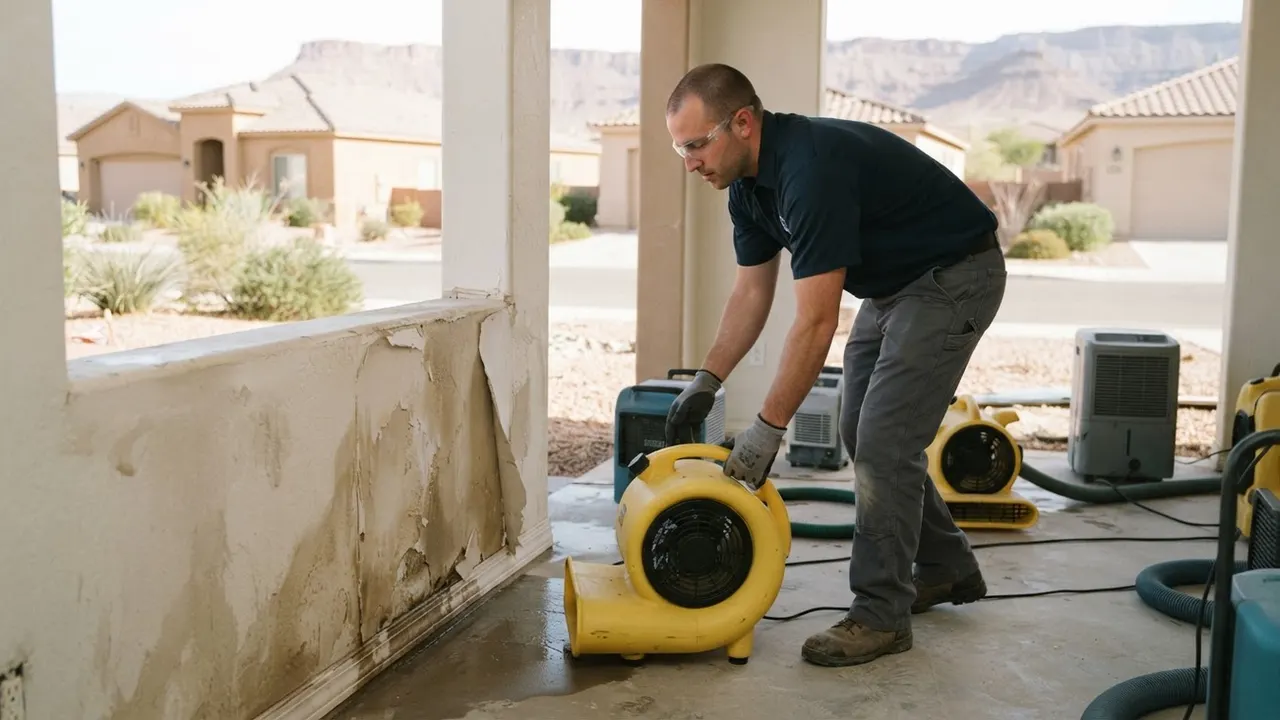
Contact Our Team

Call (833) 546-4116 to explain what happened and where water is collecting. We take calls for water damage requests and connect you with an independent company that can discuss service details directly. If the leak is active, shut off the source when safe and tell us whether the water reached electrical equipment, flooring, or more than one room.

Thanks. Your request is in and the team will follow up shortly.